How to Clean a PS5 Fan Without Taking It Apart: A Safe Beginner Guide
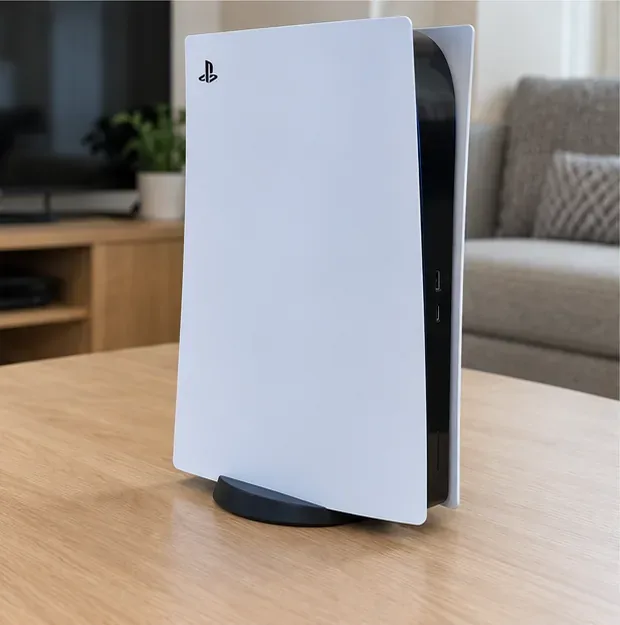
Learn how to clean PS5 vents safely without opening the console, using Sony-recommended low-power vacuuming, dry wiping, and proper airflow.
The most important answer is simple: most genuine suede should not be “washed” the way you wash ordinary fabric. Do not automatically soak it in a sink or put it in a washing machine. For suede shoes, Nike specifically advises against machine washing or hand-washing with soap and water because suede absorbs moisture and can stain. For suede clothing, the care label may be even stricter; for example, current Ralph Lauren suede-jacket listings direct owners to use a leather-cleaning specialist.
A safer default is to clean suede with the least moisture and friction needed: let wet dirt dry, brush off loose debris, erase dry scuffs, then use a suede-specific cleaner only when the item’s care instructions allow it. If the label says professional leather cleaning only, follow that instruction rather than a generic home-cleaning method.
“Suede” can describe genuine suede leather, sheepskin with a suede exterior, or a synthetic suede-like textile. Those materials do not necessarily share the same cleaning rules. A washable synthetic microsuede item may tolerate a method that would permanently change a genuine suede jacket.
Start with the sewn-in care label, product page, or manufacturer’s instructions. If you cannot identify the material or the item is expensive, dyed a delicate color, structurally complicated, or marked for specialist cleaning, the conservative choice is professional care.

| Item | Best starting point | When to stop and use a professional |
|---|---|---|
| Suede shoes or sneakers | Dry brushing and a suede eraser | Major dye transfer, deep oil staining, structural damage, or manufacturer restrictions |
| Suede jacket or coat | Follow the sewn-in care label exactly | If the label specifies leather-specialist cleaning or the garment is heavily soiled |
| Sheepskin or suede-lined boots | Use the brand’s product-specific care method | If the brand warns against home washing or the lining is saturated |
| Synthetic suede | Follow the textile care label | If the fiber content or finish is unknown |
If the suede is wet or muddy, resist the urge to scrub it immediately. Rubbing wet dirt can push contamination deeper into the nap and spread the mark. Nike’s official suede-shoe guidance recommends allowing mud or moisture to dry before brushing. Remove laces if they block access, and lightly stuff shoes with clean paper so they keep their shape while you work.
Do not speed drying with a clothes dryer, radiator, hair dryer, or direct sun. Heat can distort footwear and may affect leather finishes. UGG’s official sheepskin-and-suede care instructions likewise call for natural drying away from direct heat and sunlight.
Use a dedicated suede brush, a clean soft-bristled shoe brush, or another tool the manufacturer approves. Work gently over the surface rather than grinding at one small area. The goal is to lift dry soil and restore the nap, not flatten or polish the suede.

Direction matters, but manufacturer instructions are not identical. Nike advises brushing surface debris in the direction of the material, while some techniques use light side-to-side motion for small scuffs. UGG’s care directions tell owners to brush lightly in one direction after drying. Use the instructions for your specific product as the final authority.
For a small dry mark or scuff, try a clean suede eraser first. A clean white pencil eraser can sometimes work on appropriate footwear, but a purpose-made suede eraser is easier to control. Rub only the affected area with moderate pressure, then brush away the residue.

Stop if you see color lifting, a shiny patch developing, or the nap becoming visibly worn. “More pressure” is not a substitute for the right method.
If brushing and erasing do not solve the problem, check the maker’s instructions before applying liquid. Nike’s suede-shoe guide allows a small amount of suede cleaner, white vinegar, or rubbing alcohol on a cloth for stubborn shoe stains and specifically warns against drenching the suede. That advice should not be treated as universal permission to put vinegar or alcohol on every suede jacket, bag, or dyed accessory.
Product directions also differ. Clarks’ official Suede Nubuck Cleaner instructions say to test on a small inconspicuous area first, apply the product with a clean dry cloth over the entire surface, avoid spot cleaning, remove excess moisture, and allow the item to dry. That is a good example of why you should follow the cleaner manufacturer’s directions instead of improvising a concentration or technique.
After cleaning, let the suede dry naturally in a ventilated place. Shape footwear with clean paper if needed. Once the item is fully dry, lightly brush the surface again to restore the nap.

Usually, no—not unless the care label or manufacturer explicitly says the specific item is machine washable. Nike states that it does not recommend machine washing suede shoes. UGG likewise says its boots, slippers, and slides made from delicate materials should not be machine washed or dry-cleaned, and its sheepskin cleaning instructions specify hand washing with the brand’s diluted cleaner instead.
Those examples do not mean every synthetic suede textile is unmachineable. They show why the material label matters. If a synthetic-suede garment explicitly provides machine-wash instructions, follow its temperature, cycle, detergent, and drying directions. If there is no such permission, do not infer it from a different product.
A suede jacket is a case where “wash it at home” is often the wrong objective. The garment may combine suede, lining fabric, interfacings, trim, adhesives, zippers, and dyes that react differently to moisture. Ralph Lauren’s current suede jacket product pages, for example, specify dry clean by a leather specialist. AllSaints similarly recommends professional suede cleaning for tougher marks or deep cleaning on its suede jackets.
If your jacket’s own label gives that instruction, brushing light surface dust is one thing; attempting a full sink wash is another. Follow the label and use a cleaner experienced with suede or leather garments.
Let it dry completely, brush off as much loose material as possible, then reassess. Do not convert an easy dry-soil problem into a wet stain by adding water too early.
Brush first, then use a suede eraser if needed. Work gradually. If the mark is actually loss of dye or abrasion, cleaning cannot restore missing surface material.
Oil can penetrate suede quickly. Nike’s shoe-care guidance suggests cornstarch as an absorbent treatment for oil and grease on suede shoes, followed by gentle removal. Because dyes and finishes vary, use this only when compatible with the item’s care instructions, and consider professional cleaning for a valuable garment or large stain.
Do not keep wetting one tiny spot in an attempt to chase the edge of a water ring. Some suede-care products are designed to treat an entire panel or surface more evenly. Follow the specific cleaner directions; Clarks, for example, tells users of its suede/nubuck cleaner not to spot clean.
Judge the result only after the item is completely dry and the nap has been brushed back into place. Damp suede can look darker, so evaluating it too early can encourage unnecessary repeat cleaning. Under neutral light, look for an even texture, no loose soil, and no expanding stain edge. A faint permanent mark may be preferable to aggressive treatment that damages the finish.
If the stain remains but the suede is stable, stop and consider a professional cleaner. Home cleaning has a limit, especially with deeply absorbed oils, dye transfer, delicate garment construction, or expensive suede.
The cleaning approach above is based on current manufacturer instructions and is deliberately conservative. See Nike’s official suede-shoe cleaning guide, updated May 21, 2026, UGG’s official sheepskin and suede care instructions, Clarks’ official directions for its suede and nubuck cleaner, and Ralph Lauren’s current suede-jacket care instructions.
The safest rule is not “never let suede touch moisture.” It is: use the least aggressive method that the specific item and its manufacturer permit. For many suede shoes that means dry brushing, erasing, careful localized treatment, and natural drying. For many suede jackets, it means professional leather cleaning rather than washing at home.
Learn how to clean PS5 vents safely without opening the console, using Sony-recommended low-power vacuuming, dry wiping, and proper airflow.
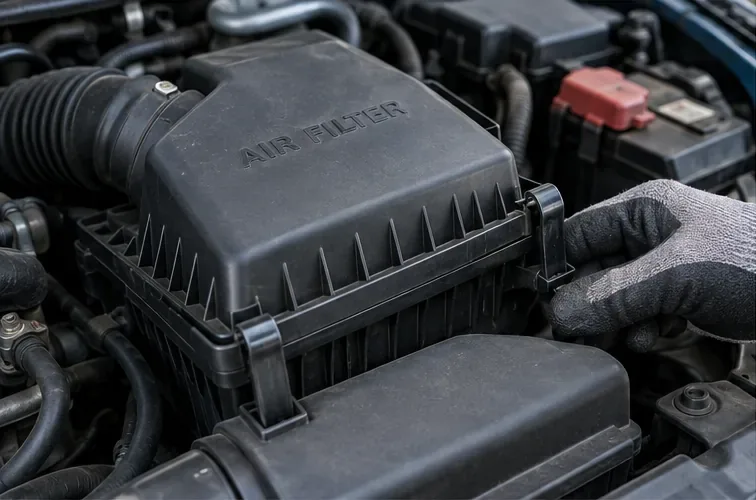
Learn how to clean a car air filter safely, when a paper filter should be replaced instead, and how reusable filters require different care.
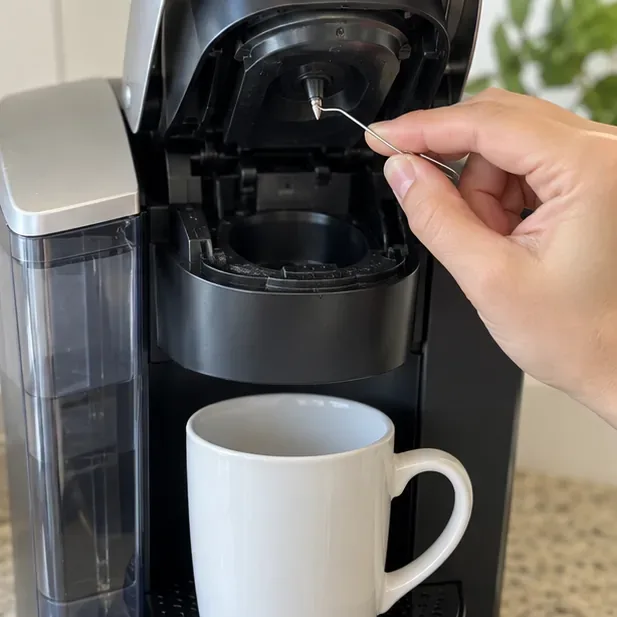
Learn how to clean a Keurig entrance and exit needle safely, clear coffee-ground clogs, rinse the brewer, and know when descaling is the next step.
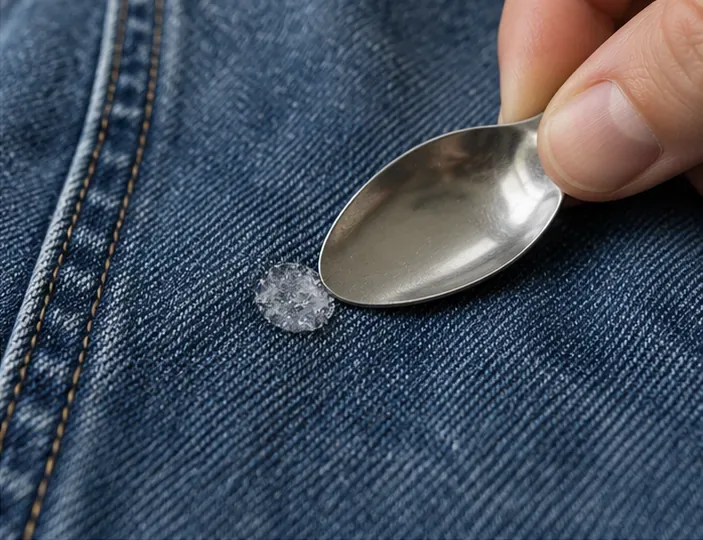
Learn how to remove dried nail glue from clothes safely, when acetone is appropriate, which fabrics need extra care, and when to stop and call a cleaner.
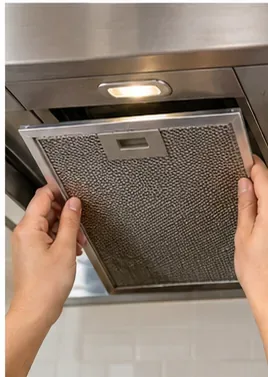
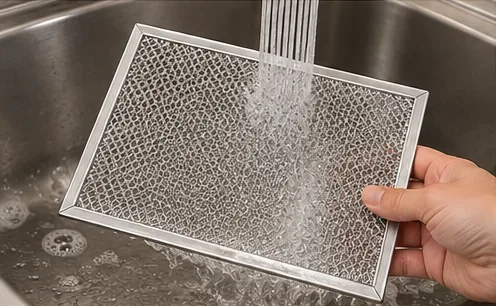
Learn how to clean a metal range hood filter safely, when dishwasher cleaning is okay, and why charcoal filter care depends on your exact model.
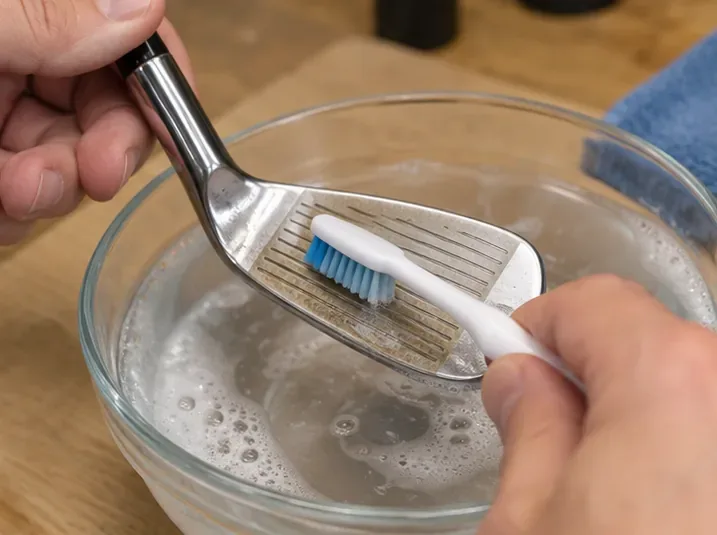
Learn how to remove rust from golf clubs safely, judge the result, protect raw and plated finishes, and know when cleaning should stop.
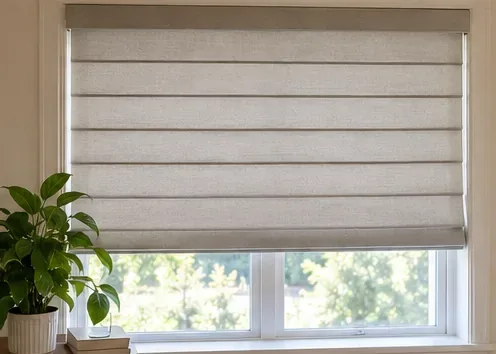
Learn how to clean fabric blinds safely with gentle vacuuming, spot cleaning, rinsing, and drying—plus when water, washing, or DIY deep cleaning can cause damage.
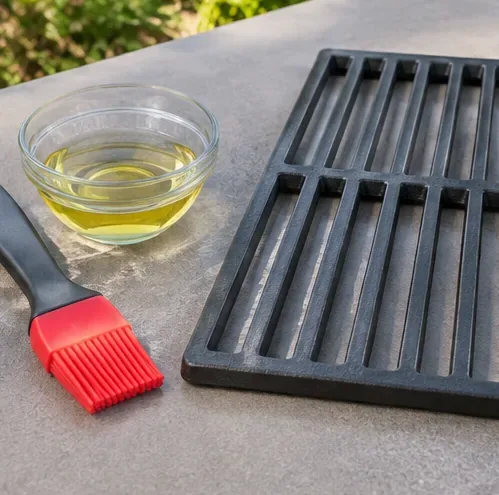
Learn how to season gas grill grates safely, including when cast iron needs seasoning, when porcelain enamel does not, and how to check the result.
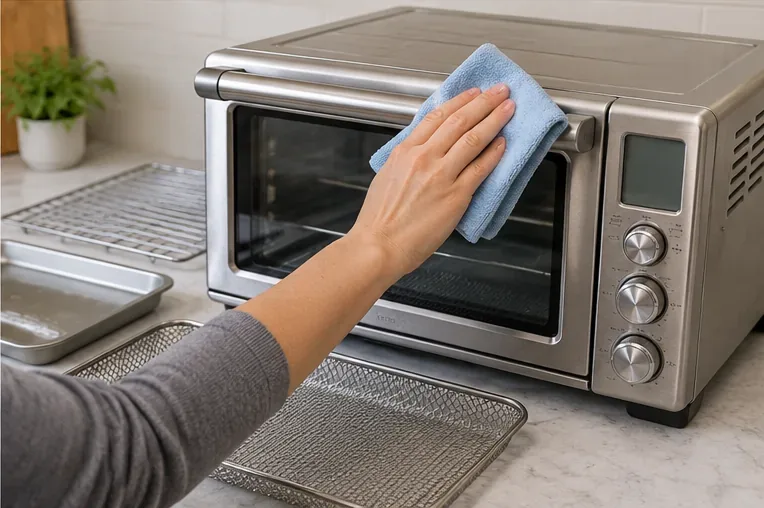
Clean a Breville toaster oven safely with mild soap, soft cloths, and the right sequence. Learn what clean should look like, what to avoid, and when to stop.
Learn how to clean a microwave grease filter, when a dishwasher is appropriate, and why charcoal filters should be replaced instead of washed.