How to Clean a PS5 Fan Without Taking It Apart: A Safe Beginner Guide
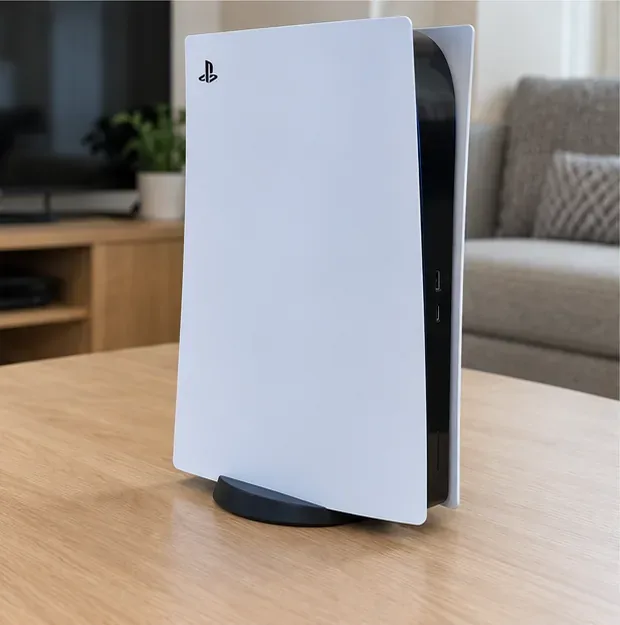
Learn how to clean PS5 vents safely without opening the console, using Sony-recommended low-power vacuuming, dry wiping, and proper airflow.
Glass beads can handle water, but that does not mean every glass-bead weighted blanket belongs in a washing machine. The fabric, stitching, internal baffles, total weight, removable cover, and manufacturer’s construction all matter. Current care instructions from major brands show the difference clearly: Gravity uses fine glass beads but says its weighted insert is hand-wash-only and air-dry, while Baloo and Layla sell glass-bead blankets that are machine washable.
Illustrative example only: imagine Jamie owns a 15-pound weighted blanket filled with glass microbeads. A small drink spills near one corner. The blanket has a removable cover, the seams are intact, and the care label on the weighted insert says it may be machine washed in cold water on a gentle cycle and dried on low. This is a hypothetical example, not a real test or testimonial. We will use Jamie’s situation to show how to make the right decisions. If your label says hand wash, spot clean, air dry, or professional clean instead, follow your label rather than Jamie’s route.
No. The bead material is only one part of the construction.
| Manufacturer example | Glass-bead construction | Current care guidance |
|---|---|---|
| Gravity Blanket | Fine-grade glass beads in a gridded weighted insert | Machine-wash the removable cover in cold water; hand-wash the weighted insert and air dry |
| Baloo Weighted Blanket | Lead-free glass mini beads | Wash the blanket alone in cold water on gentle; tumble dry low; check washer weight capacity |
| Layla Weighted Blanket | High-density micro glass beads | Cold wash, gentle cycle; tumble dry low; do not bleach or iron |
Those differences are why the care tag is the controlling instruction. See the original manufacturer guidance at Gravity Blankets, Baloo Living, and Layla Sleep.
Jamie’s hypothetical blanket says machine wash cold, gentle cycle, and tumble dry low. That gives Jamie a machine-wash route. If the tag had said “hand wash only,” the machine route would stop here.
Also check whether the removable cover and weighted insert have separate instructions. Gravity, for example, allows machine washing for the cover but not the weighted insert. Treating those two pieces as if they have the same care rules is an easy way to damage the heavier component.

Before washing, spread the blanket out and inspect the quilting. Weighted blankets use stitched pockets or baffles to keep the glass beads distributed. Look for open seams, torn fabric, loose threads, or a pocket that seems unusually empty or overfilled.
If glass beads are already escaping, do not put the blanket into a washer or dryer. A failed seam can release beads into the machine and make the blanket uneven. Contact the manufacturer about repair or replacement instead.

This is the step Jamie cannot judge by drum space alone. A weighted blanket becomes heavier when wet. Baloo explicitly tells owners to check the washing machine’s weight capacity and recommends a commercial washer for its King-size blanket.
If the blanket is near or above your washer’s rated load, use an appropriately sized commercial machine or follow the manufacturer’s alternative care method. An overloaded home washer can struggle to balance, spin, or drain, and the wet blanket can be difficult to lift safely.

In Jamie’s hypothetical example, the cover comes off, so Jamie removes it and follows its separate care label. This reduces the total bulk of the weighted insert and lets the cover receive the washing method intended for its fabric.
Do not assume every blanket has a removable cover. Baloo’s standard weighted blanket is designed to be washed as a complete blanket, while Gravity uses a removable duvet-style cover around a hand-wash-only insert.
Jamie’s tag permits machine washing, so Jamie washes the blanket by itself in cold water on a gentle cycle with a mild detergent. This mirrors current care instructions from Baloo and Layla for their machine-washable glass-bead designs.
Do not add bleach, fabric softener, or harsh stain chemicals unless the manufacturer specifically permits them. Baloo says not to bleach its weighted blanket, and Layla’s care guidance says not to bleach or iron. If the blanket has a strong localized stain, pre-treat only with a method allowed by the care tag rather than improvising with concentrated cleaner.


Then do not use Jamie’s machine-wash route. Gravity’s current product care says its glass-bead inner blanket should be hand-washed and air-dried. Gravity’s separate manufacturer guide describes a hand-wash process using cool water and gentle detergent, followed by air drying.
The practical approach is to use a clean tub or basin large enough to support the blanket, use cool water and a gentle detergent, move the blanket through the water without aggressive twisting, and drain the water while supporting the blanket’s full weight. Do not wring a heavy weighted insert; twisting concentrates force on wet stitching.
Gravity’s current product page remains the controlling care source for its product, and its older brand guide is available at Gravity’s hand-washing guide for glass-bead weighted blankets.
When Jamie’s wash cycle ends, the blanket is much heavier than it was dry. Jamie supports a broad section of the blanket with both hands instead of grabbing one corner and letting the rest hang. This reduces strain on the stitched bead pockets.
If the blanket is too heavy for you to lift safely when wet, stop and get help. That is also a sign that a commercial laundry machine may have been a better choice from the start.

Lay the wet blanket out briefly and check that the filling still looks evenly spread across the stitched pockets. Glass beads should stay inside their baffles, but the fabric can fold and bunch during washing.
Jamie gently smooths the blanket instead of shaking it hard. If one section suddenly feels much heavier than the rest or you hear beads moving outside their normal pockets, inspect the seams before continuing to the dryer.

Drying is where the manufacturer differences matter again. Baloo and Layla allow low-heat tumble drying for their glass-bead blankets. Gravity says to air-dry its weighted insert. Do not copy a dryer setting from another brand just because both products contain glass beads.
For an air-dry-only insert, support the wet blanket broadly so its weight does not pull on a few seams. Gravity’s brand guide describes laying the blanket flat to air dry. Good airflow helps, but avoid making up a heat-based shortcut that the label does not authorize.

Jamie should not rely only on the outer fabric. Press several of the thickest quilted pockets and compare them with each other. The blanket should feel uniformly dry, with no cool damp pockets, no sour or musty odor, and no noticeable extra heaviness in one area.
If the care label permits low tumble drying and the blanket is still damp, continue only within the allowed dryer setting. If the label requires air drying, keep air drying. Do not switch to high heat just because the blanket is taking longer than expected.
Do not assume you can. Glass itself tolerates heat better than many plastic fillers, but the blanket also contains fabric, thread, batting, dyes, and sometimes fasteners or a removable cover. Baloo and Layla specify cold water for their machine-washable weighted blankets, while Gravity specifies cold water for its removable cover.
The correct temperature comes from the care label, not from the heat resistance of the beads.
Only if the manufacturer says yes. Baloo and Layla permit low tumble drying for their blankets. Gravity says its weighted insert should be air dried. This is another reason a generic answer based only on “glass beads” is unreliable.
In Jamie’s hypothetical situation, the spill is small. If the blanket’s manufacturer allows spot cleaning, that may be enough and can avoid putting a heavy insert through a full wash. Blot liquid promptly with a clean absorbent cloth rather than rubbing it deeper into the fabric, then use only the spot-treatment method allowed by the care label.
If the removable cover took the spill but the weighted insert stayed clean, washing only the cover is the lowest-stress option.
Do not assume “professional cleaning” always means conventional dry cleaning. Gravity’s current care page says its weighted insert may be hand-washed and air-dried or professionally dry cleaned, but other brands may prohibit dry cleaning. Tell the cleaner the exact brand, construction, and fill, and show them the care label.
For Jamie’s hypothetical machine-washable blanket, success means:
If the blanket is clean but one baffle has failed or glass beads are escaping, the wash was not a complete success—the structural problem now needs repair or replacement.
A removable washable duvet cover is useful because it takes most of the skin oils, pet hair, and small spills. Gravity specifically uses a machine-washable cover around its heavier insert. Even when the entire blanket is machine washable, cleaning the cover or spot-treating minor messes can reduce how often the heavy insert needs a full wash.
There is no universal “wash every X weeks” rule for all weighted blankets. Follow the manufacturer’s schedule if one is provided, wash after significant soiling, and avoid unnecessary full cycles when the cover or a spot treatment is enough.
The lesson from Jamie’s illustrative spill is simple: glass beads are not the deciding factor. The care tag, blanket construction, total wet weight, washer capacity, and permitted drying method determine the safe route. Check those first, then wash only as aggressively as the specific blanket is designed to handle.
Learn how to clean PS5 vents safely without opening the console, using Sony-recommended low-power vacuuming, dry wiping, and proper airflow.
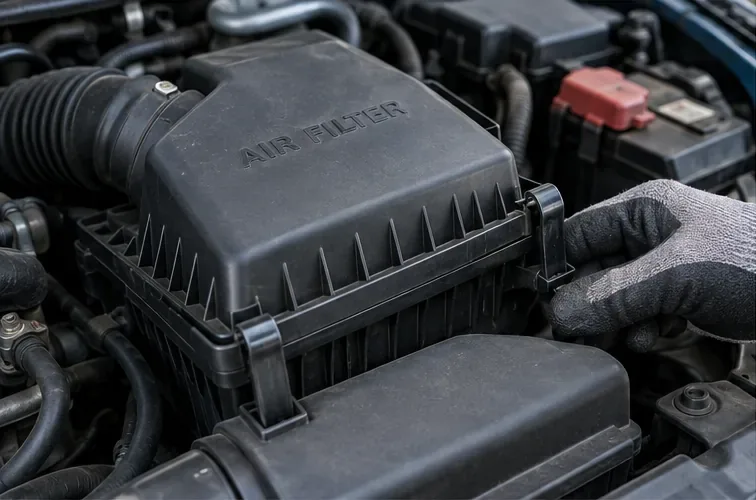
Learn how to clean a car air filter safely, when a paper filter should be replaced instead, and how reusable filters require different care.
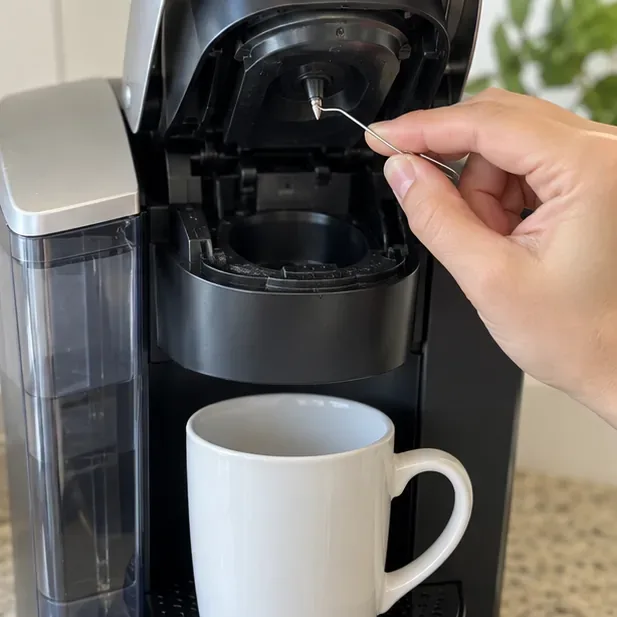
Learn how to clean a Keurig entrance and exit needle safely, clear coffee-ground clogs, rinse the brewer, and know when descaling is the next step.
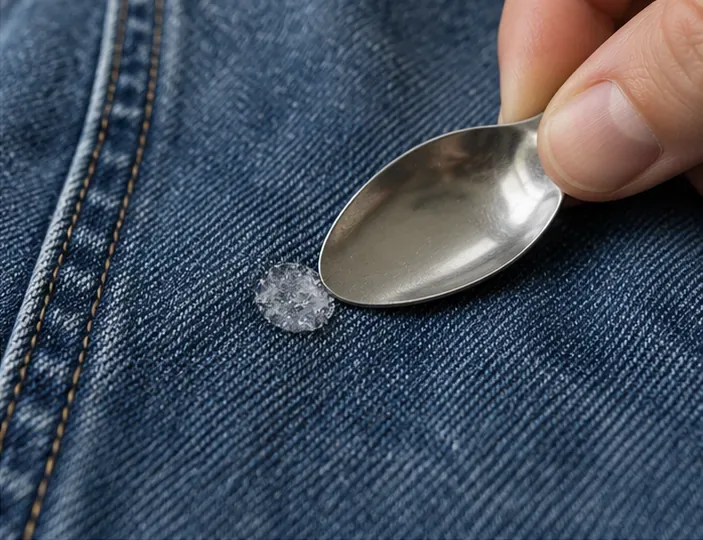
Learn how to remove dried nail glue from clothes safely, when acetone is appropriate, which fabrics need extra care, and when to stop and call a cleaner.
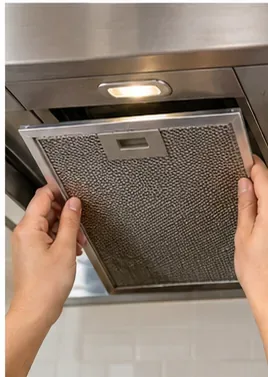
Learn how to clean a metal range hood filter safely, when dishwasher cleaning is okay, and why charcoal filter care depends on your exact model.
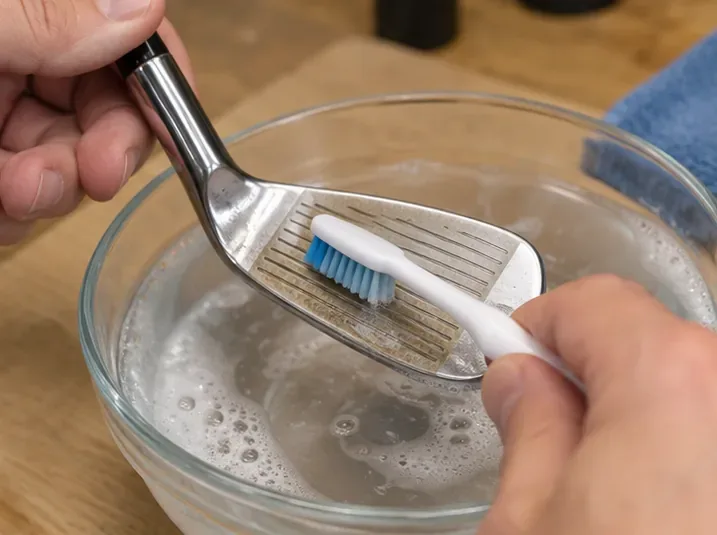
Learn how to remove rust from golf clubs safely, judge the result, protect raw and plated finishes, and know when cleaning should stop.
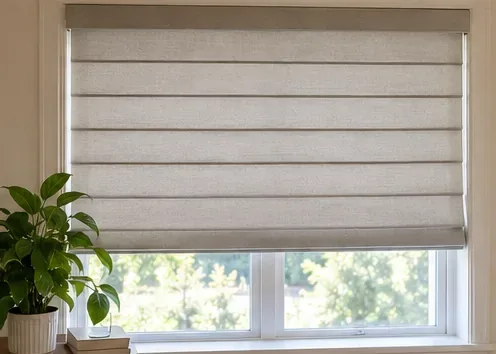
Learn how to clean fabric blinds safely with gentle vacuuming, spot cleaning, rinsing, and drying—plus when water, washing, or DIY deep cleaning can cause damage.
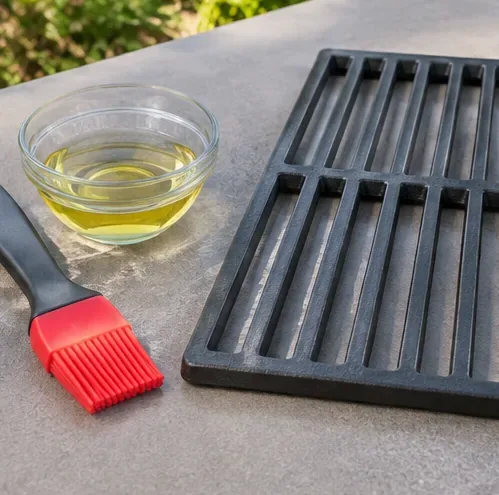
Learn how to season gas grill grates safely, including when cast iron needs seasoning, when porcelain enamel does not, and how to check the result.
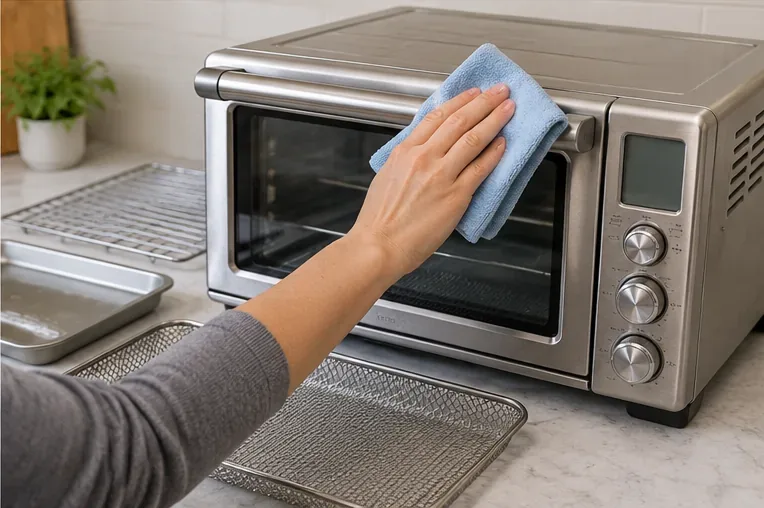
Clean a Breville toaster oven safely with mild soap, soft cloths, and the right sequence. Learn what clean should look like, what to avoid, and when to stop.
Learn how to clean a microwave grease filter, when a dishwasher is appropriate, and why charcoal filters should be replaced instead of washed.