How to Clean a PS5 Fan Without Taking It Apart: A Safe Beginner Guide
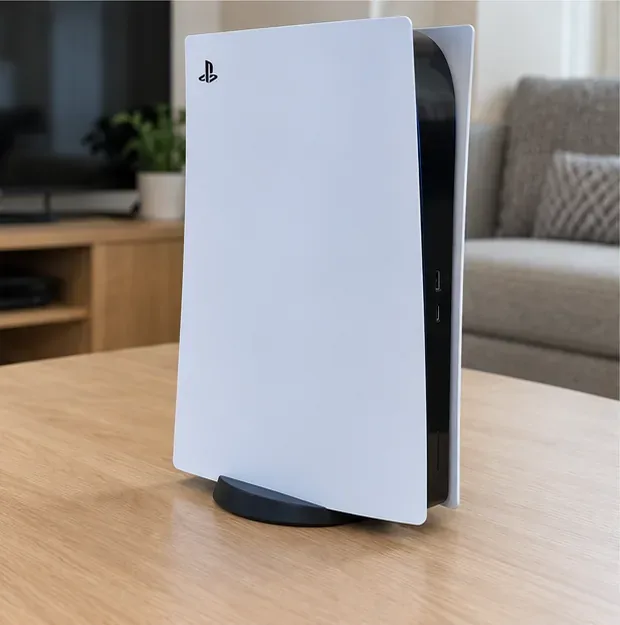
Learn how to clean PS5 vents safely without opening the console, using Sony-recommended low-power vacuuming, dry wiping, and proper airflow.
Yes, many Sunbeam electric blankets can be washed—but only after the controller is disconnected and only with the low-stress wash and dry settings Sunbeam specifies. The current Sunbeam heated-bedding manual says to machine wash in cold water on a gentle cycle or hand wash, then tumble dry on low using a delicate cycle. The blanket should come out of the dryer while still damp, be gently stretched back to its original size, and finish drying over a clothesline or shower rod without clothespins.
The most important rule is not the wash cycle itself: the blanket must be completely dry before any power or controller plug is reconnected. The controller is not waterproof and should never be immersed.
For the Sunbeam heated-bedding products covered by the current manual checked for this guide, yes. Sunbeam says the blanket can be machine washed in cold water on a gentle cycle or hand washed. Current Sunbeam product pages for heated blankets and throws also describe them as machine washable when the detachable controller is removed.
That does not mean every old Sunbeam blanket or every heated product should automatically be treated the same way. Sunbeam has sold many generations and styles of heated bedding, including blankets, throws, mattress pads, and battery-powered products. The care label and manual for your exact product should take priority.
What to do: Before washing, locate the sewn-in care label and, if possible, the model number. If the label conflicts with a general online instruction, follow the product-specific label or manual.
Inspect the blanket before it gets wet. Sunbeam instructs users to make sure no cords remain connected and that no heating wires have worn through the fabric. Its safety guidance also says to examine the heated product, cord, and controller before each use and to discontinue use if wear, damage, or improper operation is found.
Look for exposed or broken wires, scorched areas, damaged connectors, frayed power cords, cracked controller housings, or fabric that has worn through around the internal wiring. Washing will not repair electrical damage.
What to do: If you can see electrical damage or the blanket has been operating abnormally, do not wash and reuse it as though cleaning solved the problem. Unplug it and contact Sunbeam customer support.
No. The controller is not waterproof, and Sunbeam says not to immerse the control or cord in water or other liquids.
Disconnect in the correct order: first unplug the power cord from the wall, then detach the controller cord from the blanket. The manual says to squeeze the connector hinges on both sides to unplug it easily.

What to do: Set the detached controller and its cord somewhere completely dry while the blanket is being washed and dried.
Once the blanket is unplugged, the controllers are removed, and the fabric and wiring have passed a visual inspection, place the blanket in the washing machine. Sunbeam's heated-bedding instructions specify cold water and a gentle cycle. Hand washing is also listed as an alternative.
Avoid assuming that a heavier wash setting will clean better. Heated bedding contains internal wiring that should not be subjected to unnecessary mechanical stress. The manufacturer's gentle-cycle instruction is there to reduce that stress.

Sunbeam also says not to use bleach, a wringer, or dry-cleaning solvents. Do not iron the blanket after washing, and do not use mothballs or sprays on it.
What to do: Select cold water and the gentle cycle. Do not substitute bleach, dry cleaning, ironing, or wringing for the manufacturer's care method.
Yes, for the heated-bedding products covered by Sunbeam's current instructions—but the heat and timing matter. The manual says to tumble dry on low using a delicate cycle. It also warns against commercial dryers and laundromat dryers because they can become hot enough to damage the blanket's wiring.
Sunbeam's procedure does not tell you to leave the blanket in a home dryer until bone-dry. Instead, remove it while it is still damp and gently stretch it back to its original size.

What to do: Use low heat and the delicate cycle, then remove the blanket while it is still damp. Do not use a commercial or laundromat dryer.
After low tumble drying, gently stretch the damp blanket back toward its original shape. Sunbeam says to drape it over a clothesline or hang it over a shower rod. Do not use clothespins.
The reason to take this final stage seriously is electrical, not cosmetic. Sunbeam explicitly states that the heated product must be completely dry before the power plug or control plug is reconnected.

What to do: Give the blanket enough time to dry all the way through. Do not judge only by whether the outer fleece feels dry; seams, connector areas, and thicker sections must also be dry.
Do not reconnect anything while the blanket is damp. Once it is completely dry, inspect it again before plugging it in. Check the connector area, fabric, controller cable, and visible portions of the wiring path for damage or unusual distortion.
When reconnecting, Sunbeam says the controller cord must be completely connected to the blanket's module. A loose connection can create a fire risk.
What to do: Reconnect only after the blanket is fully dry and has passed a second visual inspection. Make sure the connector seats completely before plugging the power cord into the wall.
Use the product-specific instructions. The Sunbeam FAQ says to follow the easy-care directions on the label or in the user manual, and the company maintains an instruction-manual library for current and older products.
This matters because “Sunbeam electric blanket” describes a category, not one single construction. A full-size dual-control heated blanket may not be identical to a small throw or a battery-powered model.
What to do: Search the Sunbeam manual library using the model information from your blanket. If you cannot identify the model and the care label is missing or unreadable, contact Sunbeam rather than guessing at wash or dry settings.
The current Sunbeam heated-bedding manual says washing before initial use is recommended. That does not change the electrical-safety steps: the controller still needs to be disconnected, and the blanket still needs to be fully dry before reconnection.
What to do: If you choose to wash a new blanket before use, follow the same cold gentle wash and controlled drying procedure rather than treating it like ordinary bedding.
Sunbeam's FAQ confirms that repeated wash cycles eventually change a heated product's insulating characteristics as part of normal wear, but it does not give one universal calendar interval for every blanket. Washing frequency therefore depends on use, spills, body oils, pets, and the condition of the fabric.
There is no need to wash a clean blanket simply because a certain number of weeks has passed. At the same time, a blanket that becomes soiled should be cleaned according to its care instructions rather than treated with unapproved sprays or dry-cleaning solvents.
What to do: Wash when the blanket actually needs cleaning, while minimizing unnecessary laundering and checking it for wear each time.
First make sure the blanket is completely dry and the controller connection is fully seated. Sunbeam's FAQ provides reset steps for some controllers, but it also tells users to inspect for visual damage and contact Consumer Care if the system does not operate after reset attempts.
Do not open the controller, splice wires, or modify the electrical system yourself.
What to do: If the blanket remains nonfunctional after correct reconnection and the applicable reset procedure, unplug it and contact Sunbeam support.
The instructions above were checked against Sunbeam documentation available on September 11, 2026. Your exact product label and model manual remain the controlling instructions.
Learn how to clean PS5 vents safely without opening the console, using Sony-recommended low-power vacuuming, dry wiping, and proper airflow.
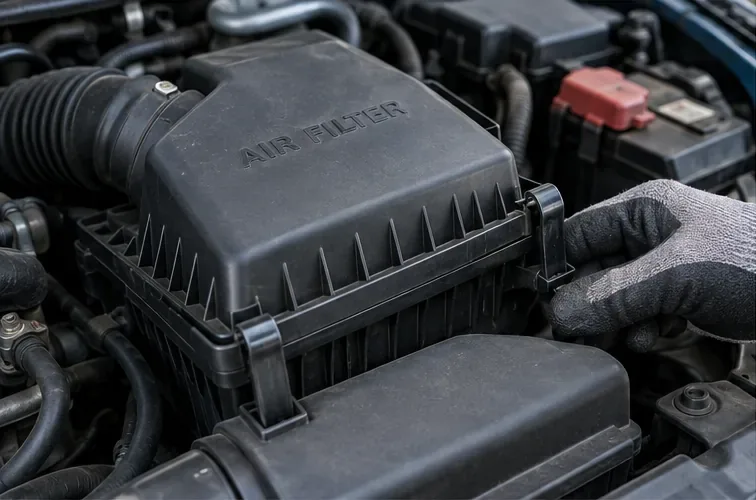
Learn how to clean a car air filter safely, when a paper filter should be replaced instead, and how reusable filters require different care.
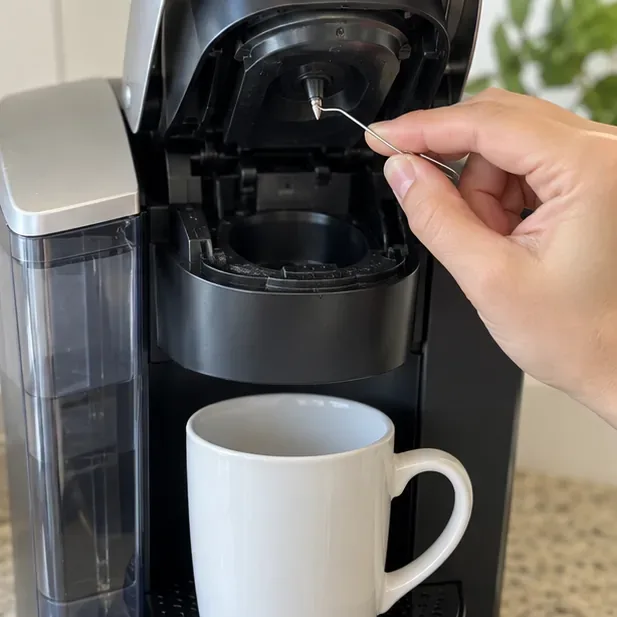
Learn how to clean a Keurig entrance and exit needle safely, clear coffee-ground clogs, rinse the brewer, and know when descaling is the next step.
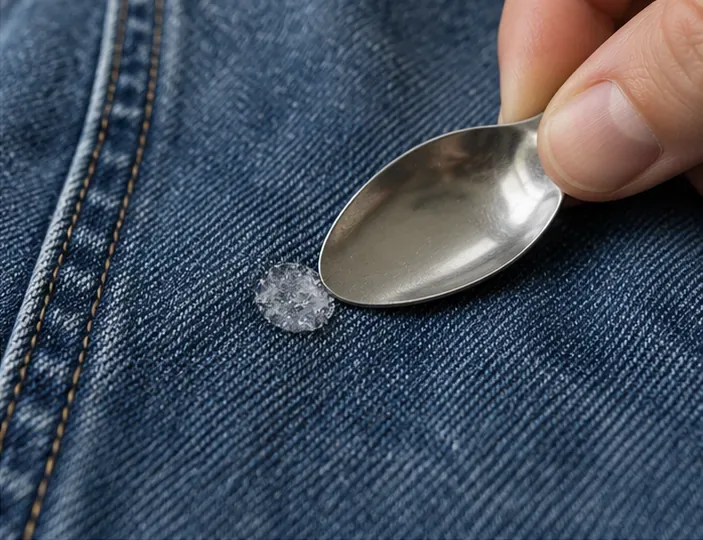
Learn how to remove dried nail glue from clothes safely, when acetone is appropriate, which fabrics need extra care, and when to stop and call a cleaner.
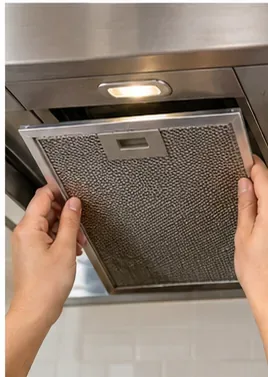
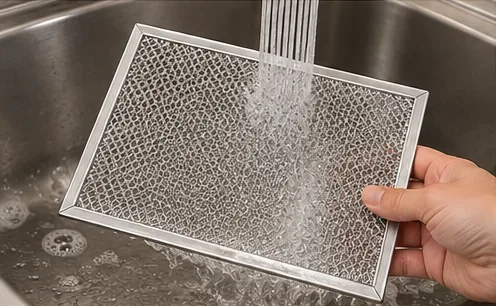
Learn how to clean a metal range hood filter safely, when dishwasher cleaning is okay, and why charcoal filter care depends on your exact model.
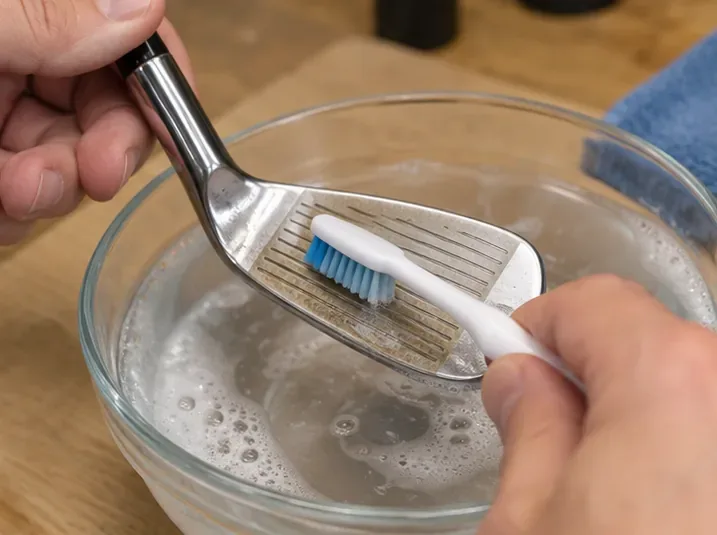
Learn how to remove rust from golf clubs safely, judge the result, protect raw and plated finishes, and know when cleaning should stop.
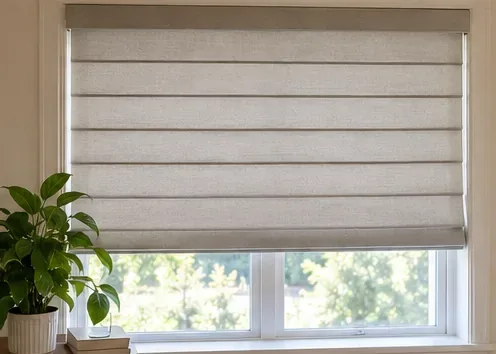
Learn how to clean fabric blinds safely with gentle vacuuming, spot cleaning, rinsing, and drying—plus when water, washing, or DIY deep cleaning can cause damage.
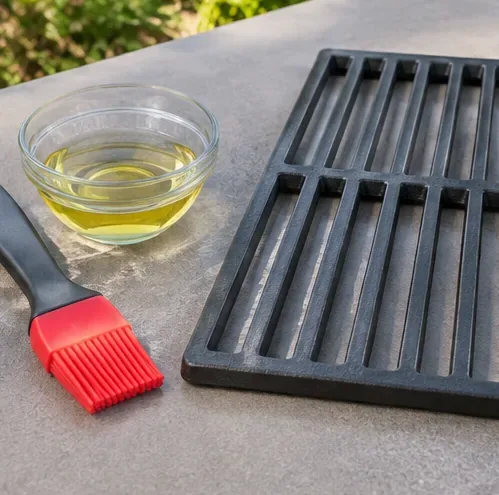
Learn how to season gas grill grates safely, including when cast iron needs seasoning, when porcelain enamel does not, and how to check the result.
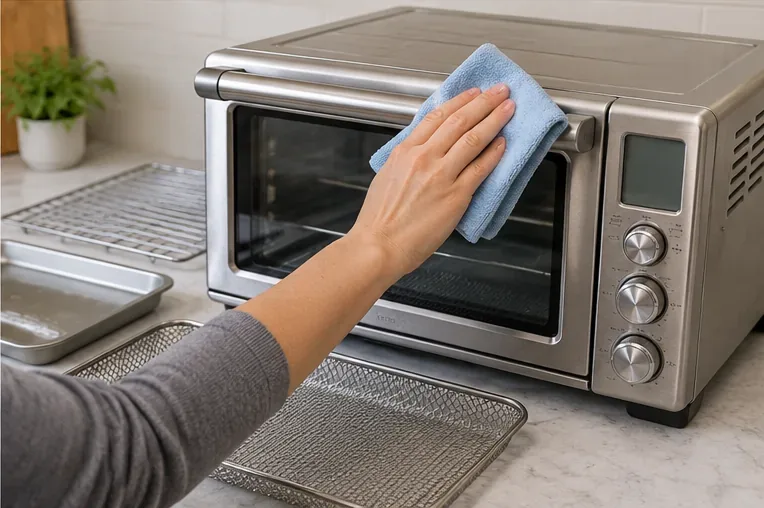
Clean a Breville toaster oven safely with mild soap, soft cloths, and the right sequence. Learn what clean should look like, what to avoid, and when to stop.
Learn how to clean a microwave grease filter, when a dishwasher is appropriate, and why charcoal filters should be replaced instead of washed.