How to Clean a PS5 Fan Without Taking It Apart: A Safe Beginner Guide

Learn how to clean PS5 vents safely without opening the console, using Sony-recommended low-power vacuuming, dry wiping, and proper airflow.
If you search for how to wash a leather jacket, the safest answer is usually not “put it in the washer.” For many real-leather jackets, washing means controlled surface cleaning, not soaking the garment. Some jackets should be handled only by a professional leather cleaner, and the care label on your specific jacket takes priority over generic advice.
That is not just caution for its own sake. Belstaff product pages for leather jackets can explicitly say “do not wash” and “clean in professional leather care centre,” while AllSaints lists “specialist leather clean only” on some leather jackets. At the same time, Belstaff's general leather-care guidance allows careful spot cleaning on appropriate leather with neutral soap and cold water. The difference is the garment, leather finish, construction, and manufacturer's instructions.
The useful action is simple: before cleaning, read the care label and identify whether you have smooth finished leather, suede, nubuck, waxed leather, or another treated finish. If the label says professional leather clean only, stop there and follow it.
“Washed leather” can describe a finish or appearance created during manufacturing. It does not automatically mean the finished jacket can go into a washing machine. For example, AllSaints sells jackets described as washed leather while still listing specialist leather cleaning as the care method.
What to do: Ignore marketing words such as “washed,” “vintage,” or “distressed” when deciding how to clean the garment. Use the care label and the maker's instructions instead.
Another common assumption is that a jacket that should not be washed can simply go to any dry cleaner. That is not always supported by the care instructions. Some Belstaff leather jackets say both “do not dry clean” and “clean in professional leather care centre.” Leather-specific cleaning uses methods chosen for the hide, dyes, finishes, adhesives, lining, and hardware.
What to do: If the label calls for specialist leather cleaning, ask the cleaner specifically whether they handle leather garments rather than assuming standard dry cleaning is appropriate.
Leather can sometimes benefit from conditioning after cleaning if the surface becomes dry, but finish matters. Belstaff says conditioner can be appropriate for some leather while specifically excluding waxed leather from that general recommendation; its waxed leather requires specialist reconditioning. Schott also notes that cleaning and conditioning methods vary by jacket materials and recommends testing products on a hidden area first.
What to do: Use conditioner only if your jacket's maker permits it, and patch-test it before treating a visible area.
Smooth leather can sometimes tolerate careful wiping with a damp cloth. Suede and nubuck behave differently. AllSaints specifically advises against wiping suede with a damp cloth and instead recommends a suede or horsehair brush.
What to do: If the surface has a soft, fuzzy nap rather than a smooth grain, stop and follow a suede/nubuck cleaning method instead of the smooth-leather process below.
This method is for routine surface dirt on smooth leather only when the care label does not prohibit at-home cleaning. It is not a substitute for professional treatment of major stains, mold, dye transfer, large water marks, or unknown leather finishes.
Lay the jacket on a clean surface or hang it securely. Use a soft, dry cloth or a soft-bristled brush to remove dust and loose dirt. Work gently around seams, zippers, cuffs, and the collar. This reduces the amount of grit that could scratch the surface when moisture is introduced later.
Belstaff's general leather-care instructions begin with brushing dirt from the jacket using a dry, soft-bristled brush. AllSaints likewise recommends gentle treatment rather than vigorous rubbing.

Now check the label again. If it says specialist leather clean only, do not proceed with a home cleaner. If the maker permits spot cleaning, prepare only the mild product it recommends. Belstaff's general guidance uses neutral soap with cold water for suitable leather, but that should not be treated as a universal recipe for every jacket.
If you use a commercial leather cleaner, confirm that it is intended for your leather type. Schott recommends testing cleaning and conditioning products on a hidden area and allowing the test area to dry so you can judge any change in color or texture before continuing.

What to do: Test a small hidden area first. If the leather darkens unevenly, loses finish, becomes tacky, or changes texture after drying, stop and use a professional cleaner.
Dampen a clean cloth or sponge rather than saturating it. Gently wipe the soiled area, using light pressure. Do not scrub back and forth aggressively. Keep the treatment localized and avoid flooding seams, padding, labels, or lining unless the manufacturer specifically says otherwise.
For suitable leather, Belstaff advises dampening a clean cloth or sponge with neutral soap and cold water, gently wiping the soiled area, then removing excess moisture with a dry cloth or sponge. AllSaints says a fresh mark on smooth leather can be wiped gently with a soft damp cloth and warns against vigorously rubbing a stubborn stain.

What to do: If a stain is spreading, transferring color to the cloth, or refusing to lift after gentle treatment, stop. Repeated rubbing can do more harm than leaving the stain for a leather specialist.
Blot the cleaned area with a dry cloth. Then place the jacket on a strong, broad hanger in a well-ventilated area and let it dry naturally. Keep it away from radiators, hair dryers, tumble dryers, open flames, and strong direct sunlight.
AllSaints advises hanging wet leather to dry naturally and warns that forced heat may warp the leather. Belstaff similarly recommends drying leather in a ventilated area away from direct heat and sunlight.

What to do: Wait until the jacket is fully dry before deciding whether the finish looks even. Wet leather often appears temporarily darker, so judging it too early can lead to unnecessary additional cleaning.
Do not machine-wash a real leather jacket unless the garment's manufacturer explicitly instructs you to do so. The combination of prolonged water exposure, detergent, agitation, spin cycles, and later drying can affect leather, dyes, coatings, adhesives, shape, and lining materials. Many current leather-jacket product pages explicitly prohibit washing.
It is also important to distinguish real leather from faux leather. A synthetic jacket may have completely different care instructions and may sometimes be washable, depending on its fabric and construction. This article addresses real leather.
What to do: If the label says “do not wash,” do not experiment with a delicate cycle, laundry bag, or cold-water setting. Choose approved spot cleaning or specialist leather care.
Surface cleaning is good at removing localized dirt. It is less suitable for a jacket that has widespread grime, heavy odor, large oil stains, dye transfer, mold, or contamination throughout the lining. At that point, trying to wet-clean the whole jacket at home becomes difficult to control.
Schott says each leather jacket can require a different cleaning and conditioning method depending on its materials and recommends professional leather cleaning and reconditioning for general cleaning. Belstaff also recommends periodic use of a professional leather cleaner so the process and solvents can be matched to the leather.
What to do: For whole-garment cleaning, valuable vintage jackets, unusual finishes, or uncertain leather types, use a reputable leather-garment specialist rather than scaling up a spot-cleaning technique.
After the jacket has dried completely, inspect the surface. If the leather feels noticeably dry and the manufacturer allows conditioning, a compatible leather conditioner may help restore suppleness. Apply a small amount and follow the product directions.
However, conditioning can darken leather or alter sheen and texture, and not every finish should receive the same product. Waxed leather is a clear example of a finish that may need specialist treatment instead of ordinary conditioner.
What to do: Patch-test any conditioner in a hidden area. If you cannot identify the finish, do not guess.
A successful home cleaning should leave the jacket looking even after it is completely dry. The leather should not feel sticky, unusually stiff, swollen, or brittle. The color should remain stable, seams should lie normally, and the cleaned spot should not have a sharp ring around it.
The guidance above was checked against manufacturer and industry sources available on September 11, 2026. Your garment's own care label remains the most specific instruction.
Learn how to clean PS5 vents safely without opening the console, using Sony-recommended low-power vacuuming, dry wiping, and proper airflow.
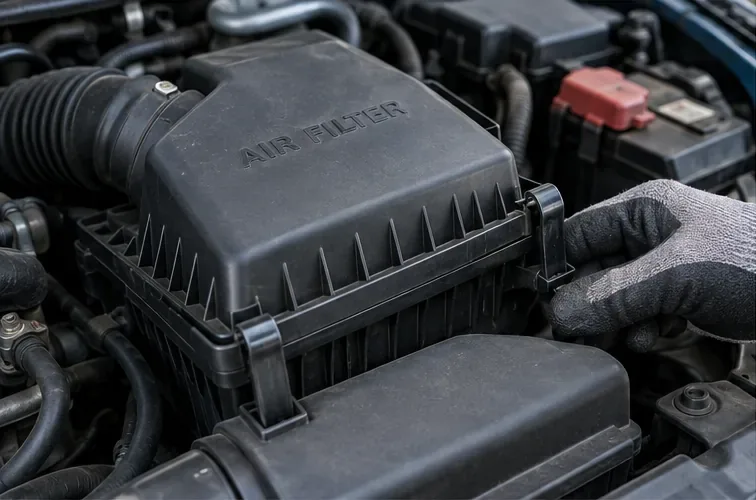
Learn how to clean a car air filter safely, when a paper filter should be replaced instead, and how reusable filters require different care.
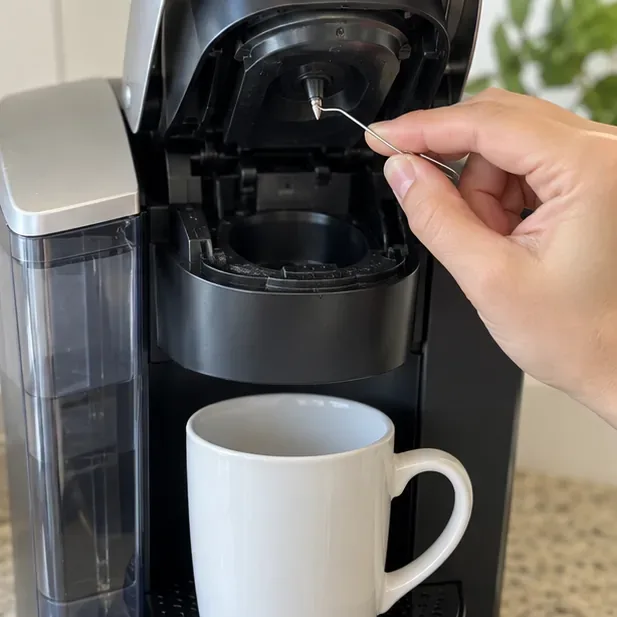
Learn how to clean a Keurig entrance and exit needle safely, clear coffee-ground clogs, rinse the brewer, and know when descaling is the next step.
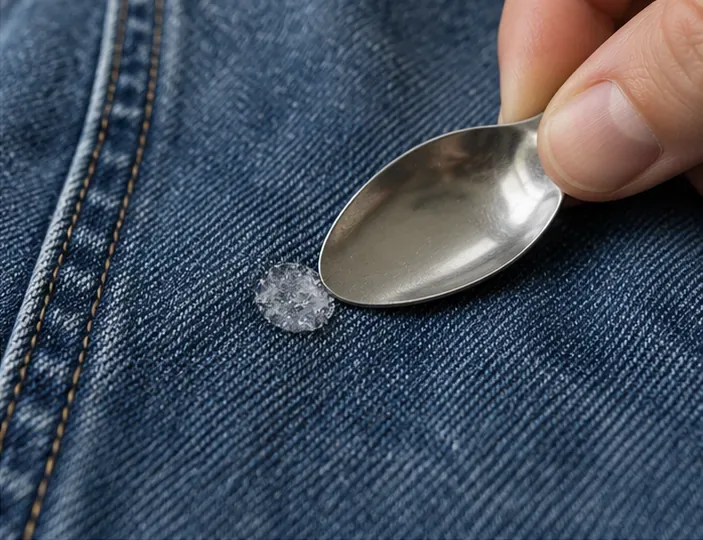
Learn how to remove dried nail glue from clothes safely, when acetone is appropriate, which fabrics need extra care, and when to stop and call a cleaner.
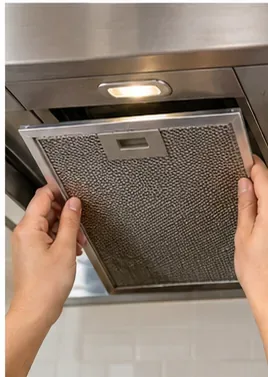
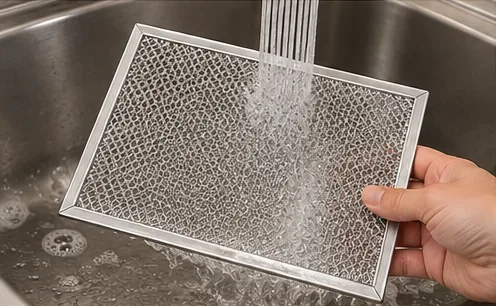
Learn how to clean a metal range hood filter safely, when dishwasher cleaning is okay, and why charcoal filter care depends on your exact model.
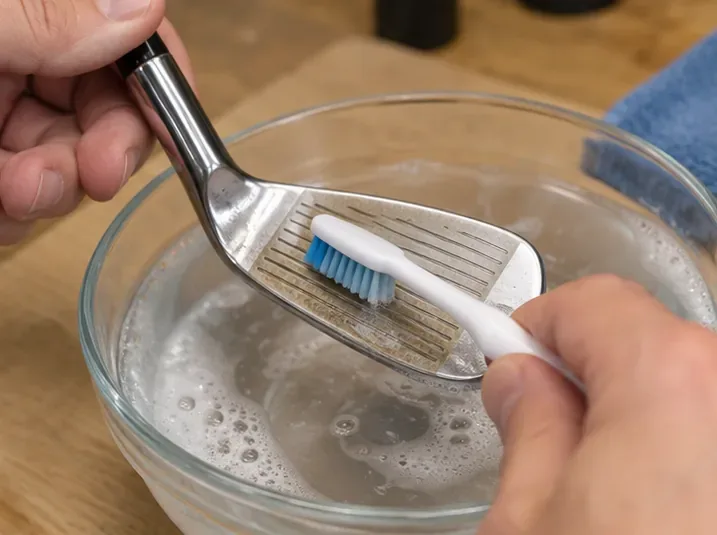
Learn how to remove rust from golf clubs safely, judge the result, protect raw and plated finishes, and know when cleaning should stop.
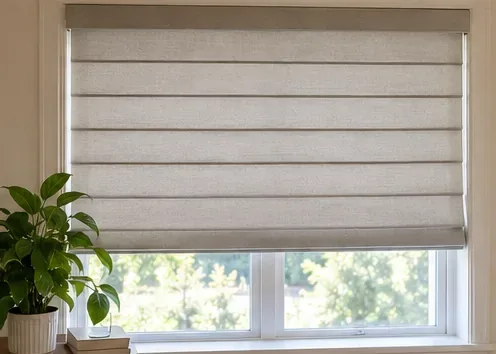
Learn how to clean fabric blinds safely with gentle vacuuming, spot cleaning, rinsing, and drying—plus when water, washing, or DIY deep cleaning can cause damage.
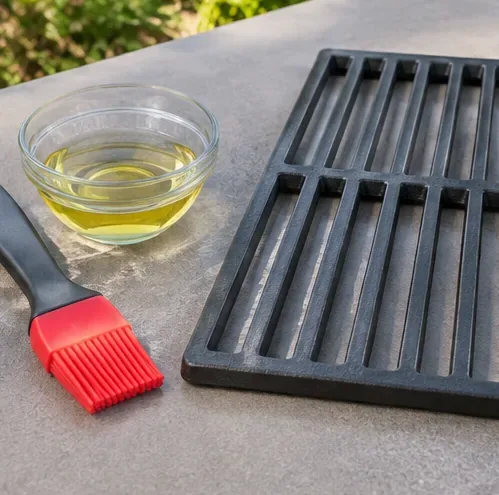
Learn how to season gas grill grates safely, including when cast iron needs seasoning, when porcelain enamel does not, and how to check the result.
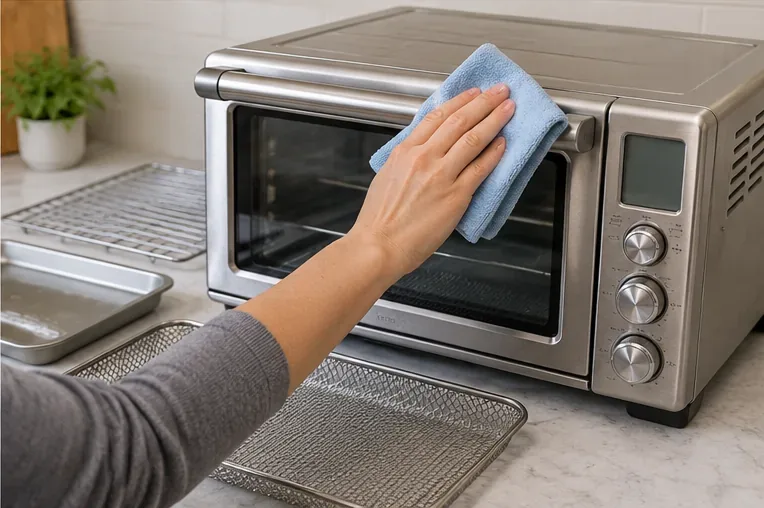
Clean a Breville toaster oven safely with mild soap, soft cloths, and the right sequence. Learn what clean should look like, what to avoid, and when to stop.
Learn how to clean a microwave grease filter, when a dishwasher is appropriate, and why charcoal filters should be replaced instead of washed.