How to Clean a PS5 Fan Without Taking It Apart: A Safe Beginner Guide
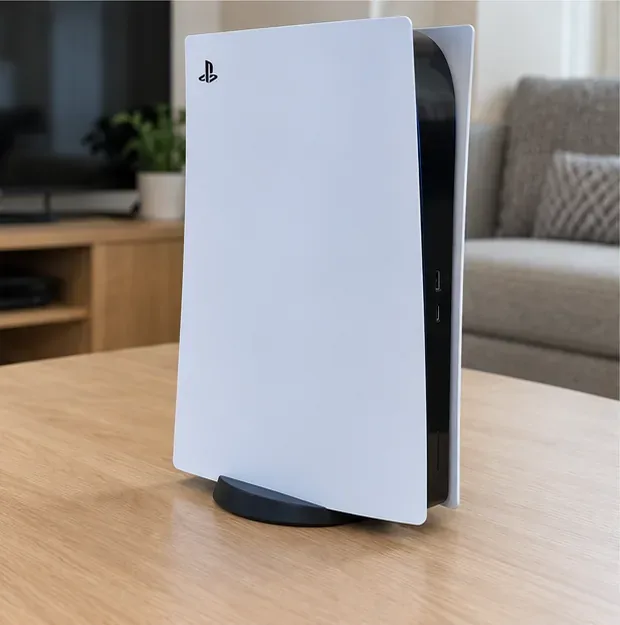
Learn how to clean PS5 vents safely without opening the console, using Sony-recommended low-power vacuuming, dry wiping, and proper airflow.
Washing a baseball cap in the dishwasher can work for some modern, washable caps, but it is not a universal care method. The first goal is not simply to make the cap look cleaner. A good result means the fabric is cleaner, the color has not noticeably bled or faded, the crown still holds its shape, the bill has not warped, and any embroidery, patches, or glued details remain secure.
Manufacturer guidance is not consistent across all caps. Nike's current baseball-cap care guide includes a dishwasher method using the top rack, a light cycle, cooler water when possible, non-bleach dishwasher detergent, and no or low-heat drying. By contrast, New Era advises spot cleaning many of its caps and says not to machine wash or fully submerge them. Some individual Nike caps are also labeled "Do not wash." That means the care label on your specific cap takes priority over any general internet method. See Nike's baseball-cap washing guide, New Era's cap-care guidance, and the care instructions on the exact cap you own.

The crown is the fabric body that sits around your head. The bill, also called the brim or visor, is the stiff section that projects forward. Both can be damaged by heat, water pressure, or detergent if the materials are not designed for machine washing.
Skip the dishwasher and use the manufacturer's recommended hand-cleaning method if any of the following apply:
If the label allows machine washing and the cap is a sturdy modern fabric construction, the dishwasher method may be an option. If the label is missing, hand washing is the more conservative choice because it gives you more control over temperature, detergent contact, and reshaping.

Important detergent distinction: automatic dishwasher detergent is not the same thing as liquid dish soap used for hand washing dishes. Whirlpool states that hand dish soap can create excessive suds and overflow in a dishwasher. Use only detergent formulated for an automatic dishwasher. See Whirlpool's dishwasher detergent guidance.
Look inside the cap for the care tag and fabric information. Check the sweatband, seams, embroidery, snaps, glued details, and bill. If anything is already separating, cracked, brittle, or loose, machine washing can make the problem worse.
The safest decision rule is simple: if the manufacturer says not to machine wash or submerge the cap, do not use the dishwasher. A general care article does not override a product-specific label.
Colorfastness means the dye stays in the fabric when it becomes damp. Moisten a clean white cloth with cool water and press it against a hidden inside area for several seconds. If obvious dye transfers to the cloth, stop. Use a lower-moisture cleaning method instead.
This test cannot guarantee that a full dishwasher cycle will be safe, but it can reveal an immediate dye problem before the cap is exposed to a longer wash.

Brush or wipe away dry dust and loose surface dirt before loading the cap. Pay particular attention to the sweatband, which is the strip of material that contacts your forehead. If one spot is heavily soiled, gently pre-treat only that area with a small amount of a cap-safe cleaner recommended by the manufacturer.
Avoid turning pre-treatment into aggressive scrubbing. The purpose is to loosen localized grime, not to grind detergent into embroidery or colored panels.

Place the cap on the dishwasher's top rack. Nike's dishwasher method specifically calls for the top rack and says not to wash the cap with dishes. If you use a cap cage, follow the cage manufacturer's directions and confirm that the cage itself is dishwasher safe. The BallcapBuddy manufacturer, for example, recommends its product for the top rack; see its official FAQ.
Position the cap so it is stable and does not block a spray arm, detergent door, or moving rack component. Do not force a structured cap flat just to make it fit.

Use the dishwasher's detergent dispenser and follow the appliance instructions. For cap washing, Nike recommends detergent without bleach or harsh chemicals. Do not improvise with hand dish soap, laundry detergent, shampoo, or homemade dishwasher mixtures.
If you cannot verify the detergent ingredients or the cap is unusually dark, printed, or color-blocked, hand washing is the lower-risk option.

Nike recommends a light wash cycle and warm or cool water if the dishwasher lets you control temperature. Avoid high-temperature, sanitize, intensive, or heavy-duty options unless the cap manufacturer explicitly approves them.
Turn off heated drying. Whirlpool explains that a heated-dry option uses a heating element to raise the temperature inside the dishwasher. Heat can be hard on items that are not designed for it, so air drying is the better finishing method for a cap. See Whirlpool's heated-dry explanation.
If your dishwasher does not offer a low-temperature/light option or does not let you disable heated drying, switch to hand washing rather than trying to work around the controls.

When the wash portion is complete, remove the cap while it is still damp. Pat excess water with a towel; do not wring or twist it. Restore the crown with your hands and adjust the bill only to its normal shape.
Let the cap dry naturally over a rounded object or with a balled towel inside the crown. Keep it away from a clothes dryer, radiator, direct high heat, or other forced-heat source. Air drying takes longer, but it gives you the best chance of preserving fit and structure.

Do not judge success only by whether every stain disappeared. Check the whole cap after it is completely dry. A good outcome has:
If the cap is cleaner but one old sweat mark remains, repeating a full dishwasher cycle immediately may create more wear than benefit. Treat the remaining area locally or use a manufacturer-approved hand-cleaning method instead.
This is the most important mistake. New Era's guidance is a clear example of why: it recommends spot cleaning for its cotton, polyester, and wool caps and says not to machine wash or fully submerge them. Product-specific instructions win.
Dishwashers are designed for dishes, not textiles. Higher heat may affect synthetic components, adhesives, trim, and shape. If you cannot select a mild cycle and avoid heated drying, do not use this method.
Hand dish soap can create excessive suds in a dishwasher. Use automatic dishwasher detergent only, and still follow the cap's care instructions.
Nike's dishwasher method says not to include dishes. Food residue, grease, and the cleaning demands of a normal dish load are unnecessary risks for fabric.
Cleaning can remove some sweat, dust, and surface grime. It cannot restore fibers that have been abraded, replace faded dye, reattach failing adhesive, or make a cracked bill insert new again. When structural damage is already present, cleaning should become more conservative, not more aggressive.
Choose hand washing or spot cleaning when you are uncertain about the cap's materials, the label does not explicitly support machine washing, the cap is expensive or sentimental, or you want maximum control over color and shape. Nike itself notes that hand washing is generally the safer approach when you are concerned about materials or colors.
For a New Era cap, follow New Era's own care recommendation rather than applying Nike's general dishwasher method to a different brand. That typically means a damp cloth, mild color-safe detergent, careful sweatband cleaning, and air drying in a natural shape.
| Question | If Yes | If No or Unsure |
|---|---|---|
| Does the care label permit machine washing or the manufacturer provide a dishwasher method? | Continue checking materials and condition. | Hand wash or spot clean instead. |
| Is the cap free of cardboard, leather, suede, fragile wool, and delicate glued details? | Dishwasher washing may be possible. | Do not use the dishwasher. |
| Can your dishwasher run a light cycle without heated dry? | Use the gentlest appropriate settings. | Choose hand washing. |
| Do you have automatic dishwasher detergent without bleach or harsh additives? | Use it according to appliance directions. | Do not substitute hand dish soap. |
| Is the cap fully dry with its original shape and color intact? | The cleaning result is acceptable. | Stop machine washing and reassess the care method. |
You can wash some baseball caps in the dishwasher, but the method is conditional. Check the specific care label first, avoid vintage cardboard bills and specialty materials, use the top rack with no dishes, choose a light cooler cycle, use only automatic dishwasher detergent without bleach or harsh chemicals, turn off heated dry, and reshape the cap for air drying.
The strongest sign that you chose the right method is not a perfectly spotless cap. It is a cap that is meaningfully cleaner while its fit, color, crown, bill, stitching, and decoration remain intact. When those priorities conflict, preserve the cap and switch to hand cleaning.
Sources checked September 11, 2026. Manufacturer recommendations can vary by model, fabric, and product generation, so re-check the care label and current manufacturer guidance for your exact cap before washing.
Learn how to clean PS5 vents safely without opening the console, using Sony-recommended low-power vacuuming, dry wiping, and proper airflow.
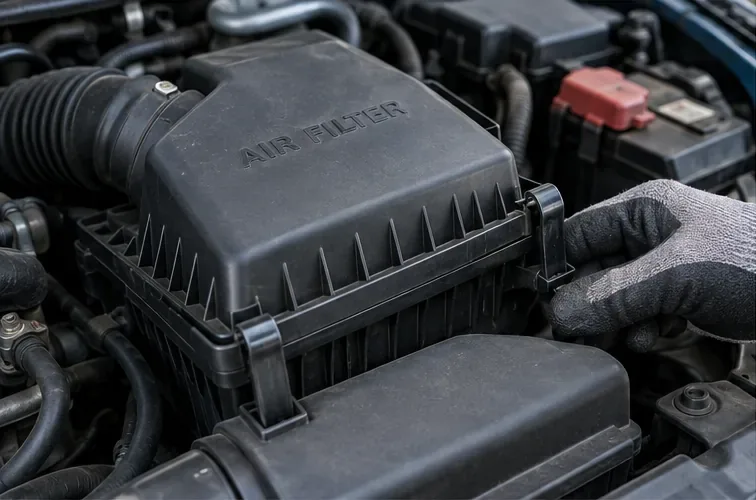
Learn how to clean a car air filter safely, when a paper filter should be replaced instead, and how reusable filters require different care.
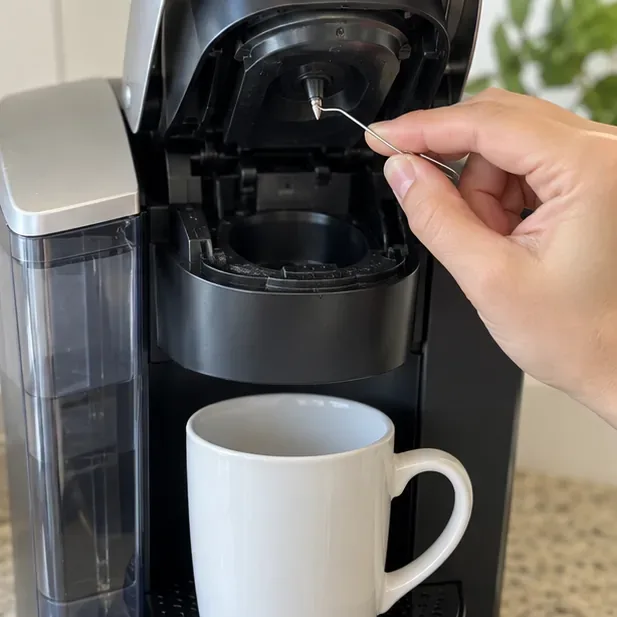
Learn how to clean a Keurig entrance and exit needle safely, clear coffee-ground clogs, rinse the brewer, and know when descaling is the next step.
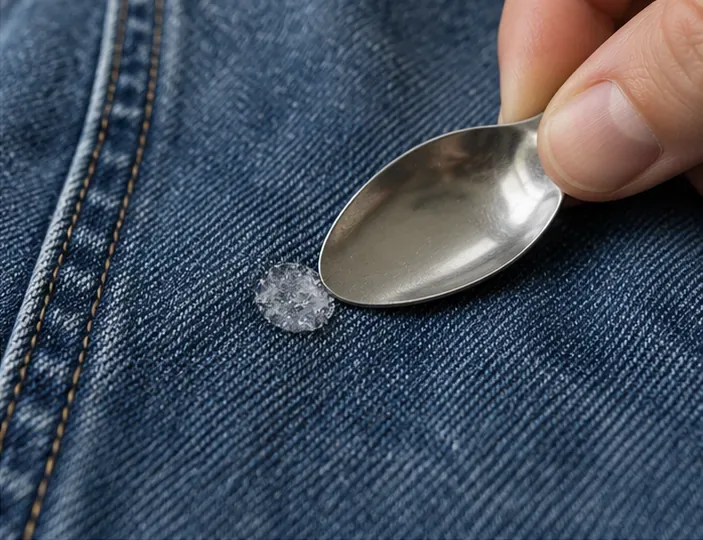
Learn how to remove dried nail glue from clothes safely, when acetone is appropriate, which fabrics need extra care, and when to stop and call a cleaner.
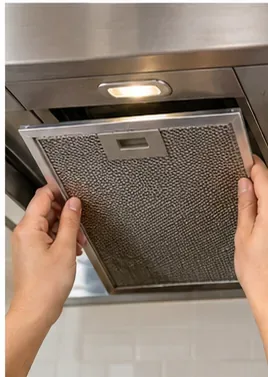
Learn how to clean a metal range hood filter safely, when dishwasher cleaning is okay, and why charcoal filter care depends on your exact model.
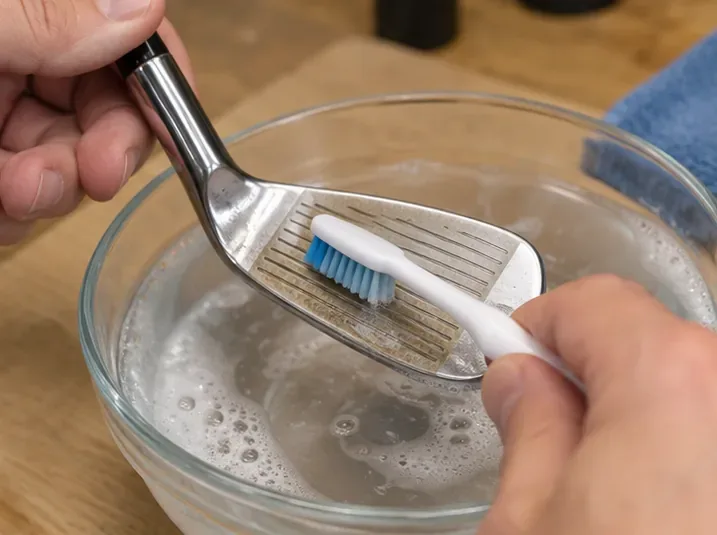
Learn how to remove rust from golf clubs safely, judge the result, protect raw and plated finishes, and know when cleaning should stop.
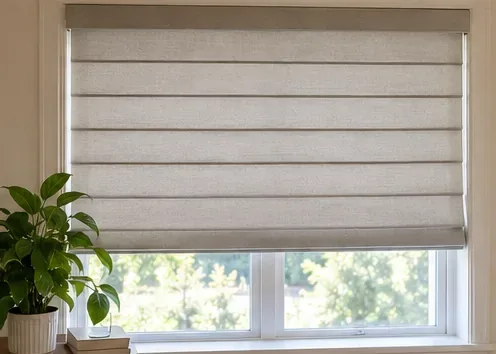
Learn how to clean fabric blinds safely with gentle vacuuming, spot cleaning, rinsing, and drying—plus when water, washing, or DIY deep cleaning can cause damage.
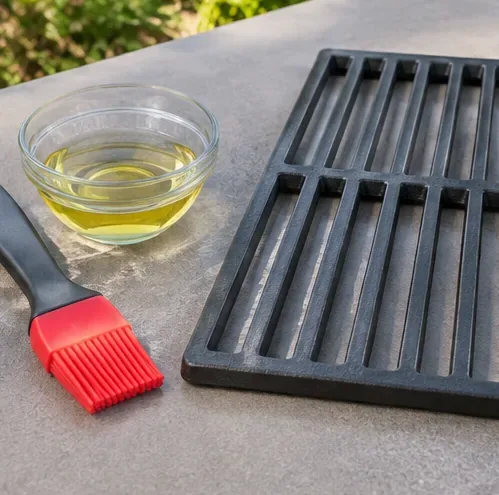
Learn how to season gas grill grates safely, including when cast iron needs seasoning, when porcelain enamel does not, and how to check the result.
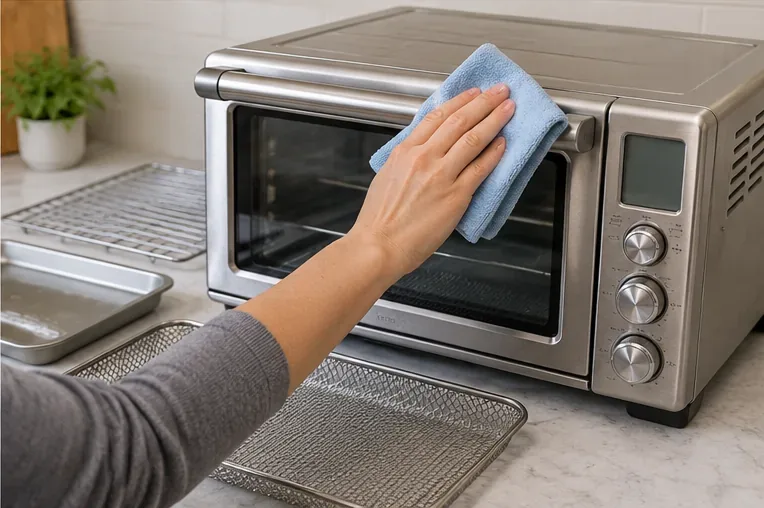
Clean a Breville toaster oven safely with mild soap, soft cloths, and the right sequence. Learn what clean should look like, what to avoid, and when to stop.
Learn how to clean a microwave grease filter, when a dishwasher is appropriate, and why charcoal filters should be replaced instead of washed.