How to Clean a PS5 Fan Without Taking It Apart: A Safe Beginner Guide
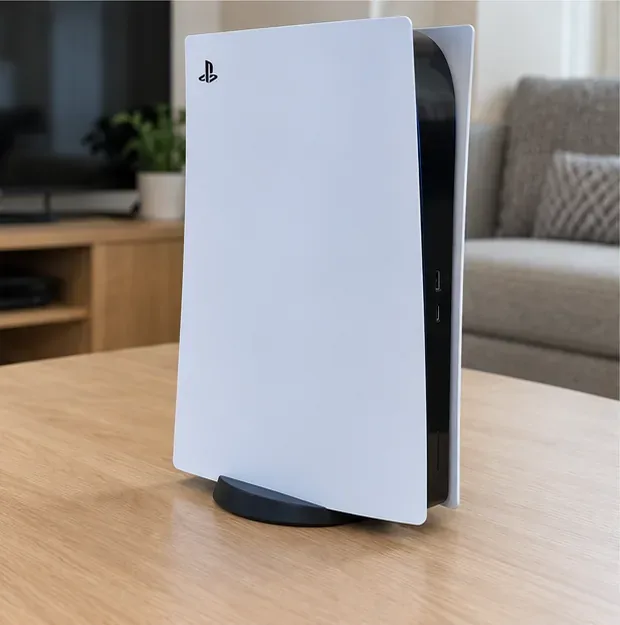
Learn how to clean PS5 vents safely without opening the console, using Sony-recommended low-power vacuuming, dry wiping, and proper airflow.
If you want to get ink out of a pen itself, the first thing to do is identify the pen type. A fountain pen is designed to move liquid ink through a nib and feed, so it can usually be emptied and flushed with water. A ballpoint, gel pen, or most rollerballs normally use a self-contained refill, so the practical way to “get the ink out” is to remove the refill rather than trying to wash ink through the pen body.
That distinction matters because a method that is appropriate for a fountain pen can damage or make a mess of a refill-based pen. The guidance below is about removing ink from inside a pen, not removing a pen-ink stain from clothing.
Start by opening the pen only as far as its design normally allows. Do not pry apart glued, crimped, or sealed parts. If the pen has a removable cartridge, converter, or refill, take that ink source out first.
This matches current manufacturer guidance. Parker instructs fountain-pen owners to remove the cartridge or converter before flushing the nib and gripping section, while Cross says ballpoint and rollerball pens should be opened to remove and replace their refills. See the Parker fountain pen care guide and Cross Help Center.

| Pen type | What is verified | Useful action |
|---|---|---|
| Fountain pen with cartridge or converter | Major manufacturers recommend removing the ink source and rinsing or flushing the nib/feed with water. | Remove the cartridge or converter, then flush the front section until the water runs clear. |
| Piston-fill fountain pen | The filling mechanism itself can draw in and expel clean water. | Cycle clean water through the pen until little or no ink color remains. |
| Ballpoint pen | The ink is typically contained in a replaceable refill rather than loose in the barrel. | Retract the point, open the barrel, and remove the refill. |
| Gel or rollerball pen | Many models also use replaceable refills, but refill shapes are not universally interchangeable. | Remove the correct refill for that model instead of opening the refill tube. |
Zebra explains that conventional ballpoint ink is typically oil-based while gel ink is water-based, and it also notes that ink viscosity differs by pen type. That helps explain why there is no single cleaning technique for every pen. See Zebra Pen's ink and writing-system overview.
Unscrew the barrel and remove the cartridge or converter. If the converter still contains ink, operate it over a sink or disposable container to expel the remaining ink. Keep the barrel and trim away from unnecessary soaking unless the manufacturer specifically permits it.
Parker recommends cool water; LAMY recommends rinsing with lukewarm water until the water runs clear. For a converter pen, you can use the converter as a small pump: draw clean water through the nib and feed, then expel it. Repeat until the expelled water is nearly clear.
Useful action: change the rinse water when it becomes strongly colored. That makes it easier to tell whether ink is still leaving the feed.
If ordinary flushing does not clear a dried clog, soaking can help. Parker says the nib and gripping section can be left in cool water for up to 24 hours when clogged. LAMY says soaking the front section in plain water for several hours often loosens dried ink and specifically advises against adding soap or detergent to the water. See the LAMY fountain pen cleaning FAQ.
This is an important limit: the recommendation applies to the nib/front section, not automatically to the whole pen. Lacquered, wooden, metal-trimmed, or specialty barrels may have different care requirements.
Shake out excess water gently and blot the nib and grip with a soft, lint-free cloth. Let the cleaned section dry before installing fresh ink. Cross also advises allowing the nib and feed to dry before reassembly. A few drops of residual water may only dilute the next ink slightly, but fully drying the pen is the safer choice when you are storing it rather than refilling immediately.
Do not assume you should flush it like a fountain pen. Cross's current refill guidance says a ballpoint is opened by retracting the tip and unscrewing the pen to remove the old refill; rollerball pens are likewise opened to remove and replace their refill. Cross also notes that ballpoint and rollerball refills generally are not interchangeable.
Parker's current refill pages likewise describe replacing the existing ballpoint refill rather than opening it or draining it. See Parker's ballpoint refill guidance.
Open the barrel in the normal service position and lift the refill out. Put the refill on a paper towel if it is leaking. Do not cut, puncture, heat, or squeeze a sealed refill to recover the ink. I did not find manufacturer guidance that endorses opening ordinary sealed ballpoint or gel refills for ink recovery.
If ink has escaped from the refill into a removable plastic cap, cone, or barrel section, first wipe away as much as possible with a soft cloth. A slightly damp cotton swab can help reach accessible recesses. The safe solvent depends on both the ink and the pen material, so do not escalate to alcohol, acetone, or another solvent unless the pen maker says the finish is compatible.

Moisture trapped in the click mechanism or around the refill can cause unreliable operation and can spread residual ink. Place cleaned parts on a dry towel until no visible moisture remains, then install the correct refill and reassemble the pen.

Write several lines on scrap paper. A refill-based pen should write consistently without leaking around the cone or tip. If the refill skips, leaks, or has run dry, replacing the refill is usually more appropriate than trying to extract or thin the ink inside it.

Not as a general rule. Some individual products have model-specific troubleshooting advice, but there is no manufacturer-backed universal instruction to heat a pen. Heat can change ink behavior and can affect plastics, seals, adhesives, or finishes. Cross specifically advises avoiding temperature extremes during pen storage.
Useful action: if a refill-based pen contains ink but will not write, first confirm that the refill is seated correctly and is the right refill for the pen. If that does not solve the problem, replace the refill rather than applying heat.
Plain water is the most broadly verified starting point for ordinary fountain-pen ink. Parker, LAMY, and Cross all describe water-based cleaning for fountain pens. LAMY explicitly says not to add soap or detergent to its soaking water.
Other cleaners are conditional. Specialist pen flushes may be useful for unusual or stubborn inks, but compatibility depends on the pen material, seals, feed, and ink formulation. If the pen maker does not recommend a chemical cleaner, water is the safer default.
What is not established: there is no universal household-solvent recipe that is safe for every pen body or refill. If a valuable or vintage pen has dried ink that does not respond to water, professional pen service is safer than experimenting with aggressive solvents.
For a fountain pen converter or piston filler, the mechanism can expel liquid ink, but whether that ink should be returned to a bottle is a separate question. I did not find general manufacturer guidance recommending that used ink be returned to the original bottle. Because a pen's feed can carry residue from prior ink, water, paper fibers, or contamination, the conservative choice is not to return used ink to a clean bottle.
For ballpoint and gel refills, the manufacturers reviewed here treat the refill as the replaceable ink unit. They provide instructions for removing and replacing it, not for opening it and recovering its ink.
For a fountain pen, the rinse water should be clear or nearly clear, the nib/feed should be free of visible crusted ink, and the pen should write with the new ink without persistent color contamination from the previous fill. For a refill-based pen, the barrel should be dry, there should be no fresh ink appearing around the mechanism, and the replacement refill should move and write normally.
If a fountain pen still skips, leaks, or refuses to flow after a thorough water flush and an appropriate soak, stop disassembling it further unless the manufacturer describes that procedure for your model. At that point, service may be the better next step.
The safest way to get ink out of a pen depends on where the ink is supposed to live. Flush a fountain pen's ink path with water; remove the sealed refill from a ballpoint, gel pen, or most rollerballs. Avoid treating every pen like a washable tube, and do not reach for heat or harsh solvents unless the manufacturer for your exact pen says they are appropriate.
Learn how to clean PS5 vents safely without opening the console, using Sony-recommended low-power vacuuming, dry wiping, and proper airflow.
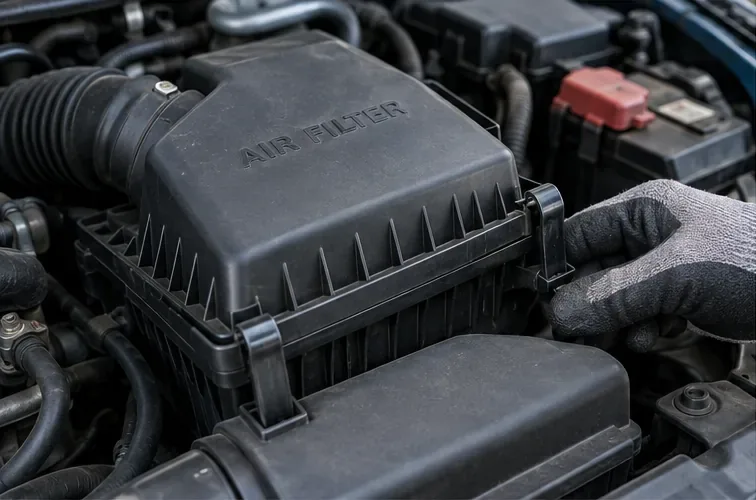
Learn how to clean a car air filter safely, when a paper filter should be replaced instead, and how reusable filters require different care.
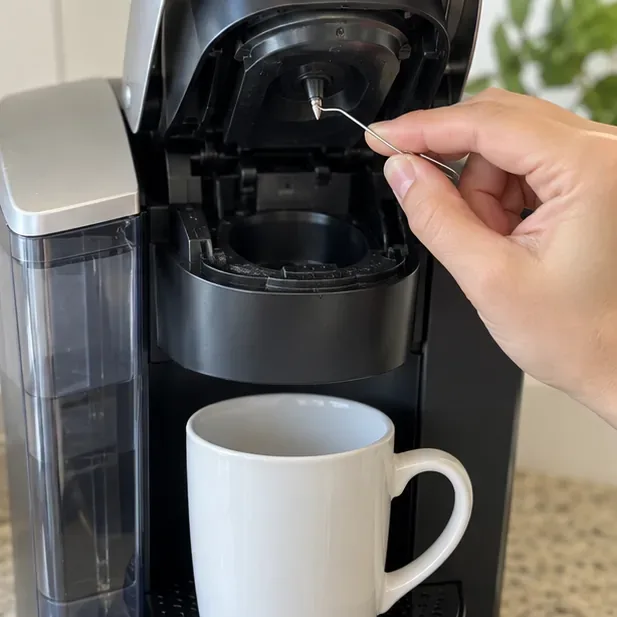
Learn how to clean a Keurig entrance and exit needle safely, clear coffee-ground clogs, rinse the brewer, and know when descaling is the next step.
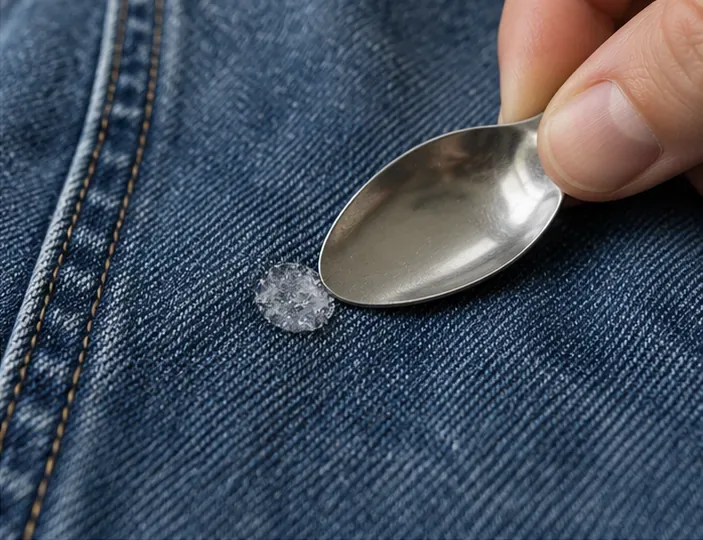
Learn how to remove dried nail glue from clothes safely, when acetone is appropriate, which fabrics need extra care, and when to stop and call a cleaner.
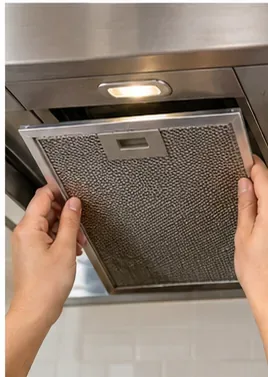
Learn how to clean a metal range hood filter safely, when dishwasher cleaning is okay, and why charcoal filter care depends on your exact model.
Learn how to remove rust from golf clubs safely, judge the result, protect raw and plated finishes, and know when cleaning should stop.
Learn how to clean fabric blinds safely with gentle vacuuming, spot cleaning, rinsing, and drying—plus when water, washing, or DIY deep cleaning can cause damage.
Learn how to season gas grill grates safely, including when cast iron needs seasoning, when porcelain enamel does not, and how to check the result.
Clean a Breville toaster oven safely with mild soap, soft cloths, and the right sequence. Learn what clean should look like, what to avoid, and when to stop.
Learn how to clean a microwave grease filter, when a dishwasher is appropriate, and why charcoal filters should be replaced instead of washed.