How to Clean a PS5 Fan Without Taking It Apart: A Safe Beginner Guide
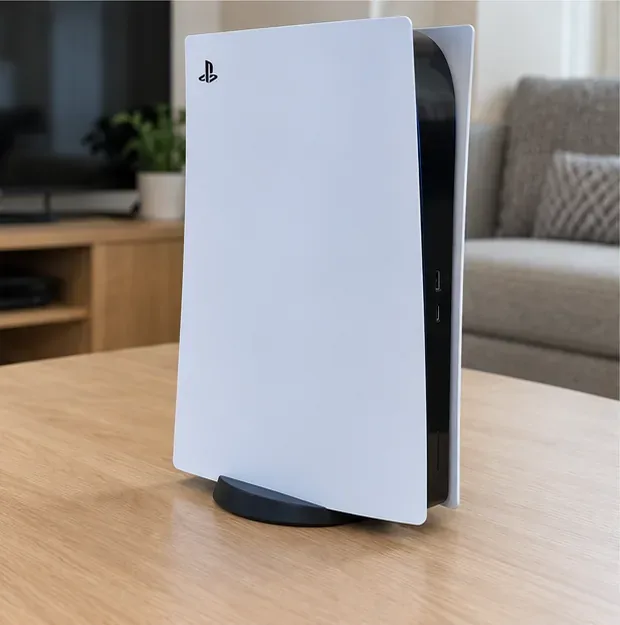
Learn how to clean PS5 vents safely without opening the console, using Sony-recommended low-power vacuuming, dry wiping, and proper airflow.
A blob of wax on clothing is one of the few stains that is usually easier to handle after it hardens. Trying to wipe warm wax can push it deeper into the fibers and spread the stain. The useful sequence is different: let the wax become solid, remove as much of the hard material as possible, transfer the remaining wax out of the fabric with carefully controlled heat if the care label allows it, then treat any oily or colored residue before washing.
This approach is supported by current guidance from Tide, Clorox, Whirlpool, and hard-wax manufacturer Starpil. It can work for candle wax and many hardened hair-removal wax spills, but fabric type still controls what is safe. A garment labeled “Do not iron” or “Dry clean only” should not be subjected to a home iron just because wax is present.
Remove it soon, but do not smear it while it is soft. Tide recommends letting wax harden before trying to remove the bulk of it. Whirlpool likewise advises against removing wax while it is still warm because doing so can spread it into the fabric.
If the wax is still soft, leave the garment flat until the wax firms up. If you need to speed that up, place ice in a sealed bag and hold it against the wax. The goal is to make the wax brittle enough to lift rather than smear.

What to do now: resist rubbing, rinsing, or folding the garment over the warm wax. Give it time to solidify first.
Yes, when the purpose is simply to make the wax harder and more brittle. Tide and Whirlpool both list freezing the garment as an option for helping hardened wax snap away. You do not need to freeze the whole garment if a cold pack or sealed bag of ice can chill the affected spot.

Do not put loose ice directly on a delicate fabric if unnecessary. Melting ice adds water, and wetting a garment before you understand its care requirements can complicate stain removal.
What to do now: chill the wax until it feels firm, then move on to mechanical removal.
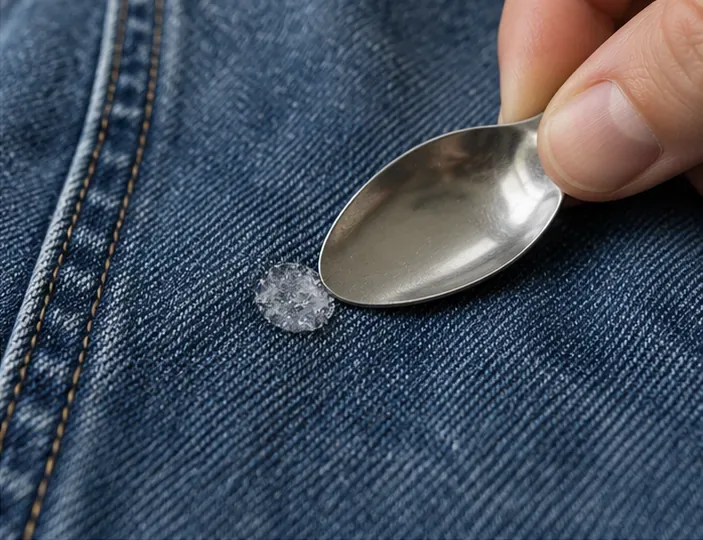
Use a dull edge rather than a sharp blade. Tide, Clorox, and Whirlpool all recommend scraping off excess hardened wax before using heat or stain treatment. A spoon, dull butter knife, or smooth plastic card can work on sturdy fabrics.
Hold the fabric flat and skim the wax from the surface rather than digging into the weave. On delicate materials, use less pressure. Persil's manufacturer guidance notes that fragile fabrics need a gentler scraping tool such as a spoon because a sharper implement can damage the material.

What to do now: remove every loose piece you can. Shake or brush the flakes away so they do not melt back onto the garment during the next stage.
Often yes, but only if the garment's care label allows ironing. Tide recommends placing white, unpatterned paper towels on both sides of the fabric and using a low, non-steam iron. Clorox similarly recommends low heat and warns that high iron temperatures can melt synthetic fibers such as nylon, polyester, and rayon. Whirlpool also uses a low-heat iron and absorbent paper in its wax-removal guidance.
The idea is to melt the remaining wax just enough that it moves from the fibers into clean absorbent paper. Heat is not meant to cook the stain or press it permanently into the cloth.

Place clean white paper towels or plain absorbent paper under and over the stained area. Use a dry iron without steam on the lowest safe setting. Press briefly rather than holding the iron in one place. As wax transfers to the paper, move to a clean section and repeat.
What to do now: stop when fresh paper no longer picks up wax. If the label says “Do not iron,” the fabric is especially heat-sensitive, or you are unsure what fiber you have, skip this step and use a professional cleaner or a product-specific stain method.
The same harden-and-lift principle can still be useful. Starpil, a professional hard-wax manufacturer, publishes clothing cleanup guidance that uses an iron on low heat with plain paper between the iron and garment so the melted wax transfers to the paper.
However, depilatory wax formulas vary. Hard body wax can contain resins, oils, pigments, fragrance, or other ingredients that leave an oily or colored mark after the solid wax is gone. Parissa also notes that hot and warm wax residue is oil-soluble on skin, which is a reminder that the remaining mark may behave differently from plain paraffin wax.
What to do now: after the solid wax is removed, treat any remaining greasy or colored mark as a secondary stain rather than continuing to scrape the fabric.
Once no more wax transfers to the paper, inspect the fabric under good light. A translucent or darker patch often means oily residue remains. Tide recommends pretreating the remaining oil spot with liquid laundry detergent and gently working it into the stain with the fabric itself or a soft-bristled toothbrush. Clorox gives a similar pretreatment step using its color-safe stain remover.
Use a stain product that is compatible with the garment's fiber and color. Follow the product label for contact time instead of improvising a long soak.
What to do now: pretreat the remaining stain, but do not rinse or dry the garment until you have checked the product and care-label instructions.
Colored candle wax or colored body wax can leave dye behind even after the wax itself is gone. Whirlpool says oxygen bleach can be considered for residual color when it is appropriate for the garment, while Persil recommends a pre-wash stain treatment for color left behind by wax.
That does not mean every color-safe bleach or stain remover is safe for every garment. The garment label controls bleach compatibility, and dyes on silk, wool, acetate, or specialty fabrics may react differently.
What to do now: if a colored shadow remains, use only a stain treatment permitted for that fabric and color. For valuable or delicate garments, professional cleaning is the lower-risk option.
Wash only after the hard wax has been removed and the remaining stain has been pretreated. Tide recommends the hottest wash temperature that is safe for the garment. Whirlpool gives the same basic principle: follow the care label for the water temperature and wash settings.
The care label matters because it is the manufacturer's instruction for routine care. In the United States, the Federal Trade Commission's Care Labeling Rule requires covered apparel to provide washing or dry-cleaning instructions and warnings when a normal care procedure could harm the garment.
What to do now: use the normal detergent and the wash temperature permitted by the care label. Do not automatically select hot water just because wax was involved.
Not until you inspect the stain. Tide warns that drying can set a remaining stain, and Clorox recommends air drying so you can confirm that the mark is completely gone before exposing it to dryer heat.
This final check matters because wet fabric can hide an oily shadow. Let the item air dry, then inspect both sides of the material in bright light. If the stain remains, repeat the pretreatment and wash steps rather than tumble drying it.
What to do now: keep the garment out of the hot dryer until no wax, grease mark, or dye stain remains.
Skip home heat treatment when the label prohibits ironing, the item is dry-clean-only, the fabric is extremely delicate, or the garment is valuable enough that a test mistake would be costly. Also consider professional help when a large amount of colored wax has penetrated several layers or when earlier attempts have already altered the fabric.
The Federal Trade Commission requires care labels to warn when common procedures such as ironing could harm a garment. Treat a “Do not iron” symbol or instruction as a real limit, not a suggestion.
What to do now: tell the cleaner what kind of wax caused the stain if you know—candle wax, hard depilatory wax, crayon, or another product—and mention any treatment already attempted.
Check the garment after it has air dried. A successful result has no raised or stiff wax, no greasy translucent patch, and no visible dye shadow. Flex the fabric gently; the treated area should feel like the surrounding material rather than stiff or coated.
If the texture is normal but a faint color remains, you are no longer dealing primarily with hard wax. You are dealing with a residual dye or oil stain, so repeat only the stain-treatment stage that is safe for the fabric.
If the spot still feels hard or waxy, go back to the transfer stage only if the care label allows heat. Do not increase the iron temperature beyond the fabric's safe limit.
The guidance above was checked against manufacturer and U.S. government sources available on September 11, 2026. Exact wax formulas and fabric constructions vary, so the garment care label remains the final limit on washing, drying, and ironing.
Learn how to clean PS5 vents safely without opening the console, using Sony-recommended low-power vacuuming, dry wiping, and proper airflow.
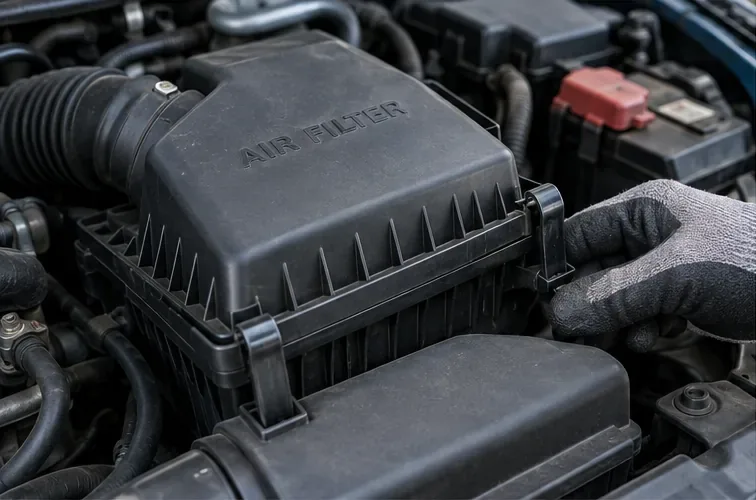
Learn how to clean a car air filter safely, when a paper filter should be replaced instead, and how reusable filters require different care.
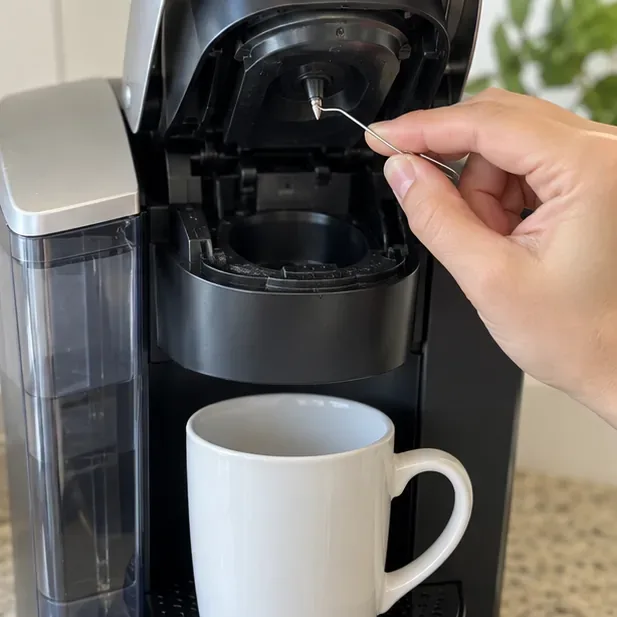
Learn how to clean a Keurig entrance and exit needle safely, clear coffee-ground clogs, rinse the brewer, and know when descaling is the next step.
Learn how to remove dried nail glue from clothes safely, when acetone is appropriate, which fabrics need extra care, and when to stop and call a cleaner.
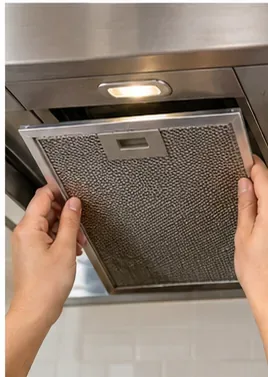
Learn how to clean a metal range hood filter safely, when dishwasher cleaning is okay, and why charcoal filter care depends on your exact model.
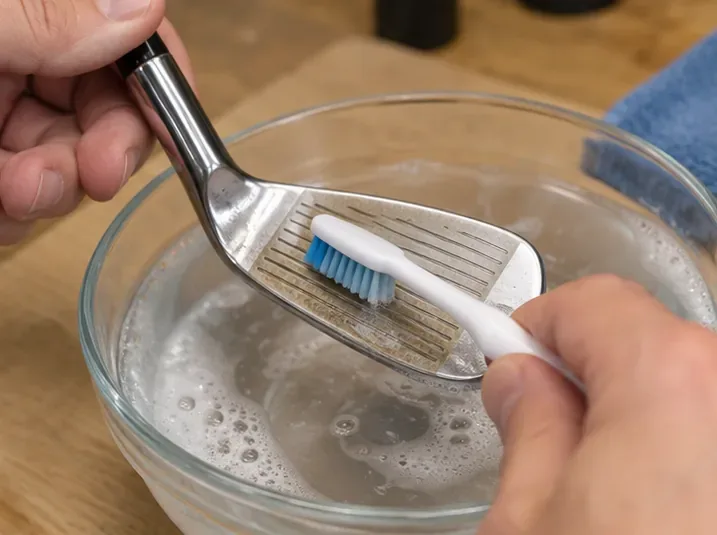
Learn how to remove rust from golf clubs safely, judge the result, protect raw and plated finishes, and know when cleaning should stop.
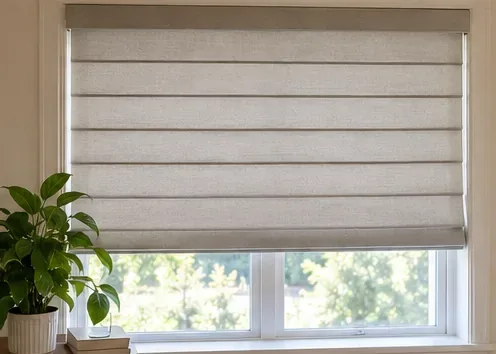
Learn how to clean fabric blinds safely with gentle vacuuming, spot cleaning, rinsing, and drying—plus when water, washing, or DIY deep cleaning can cause damage.
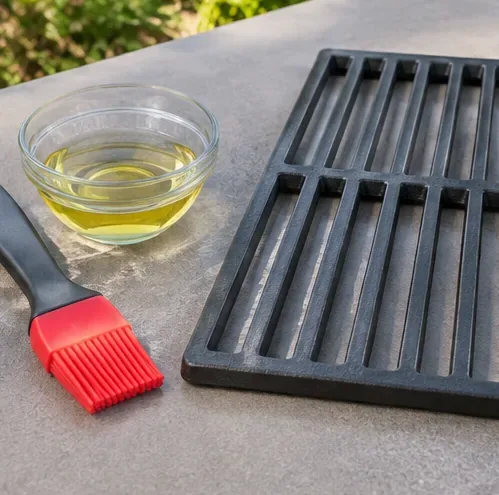
Learn how to season gas grill grates safely, including when cast iron needs seasoning, when porcelain enamel does not, and how to check the result.
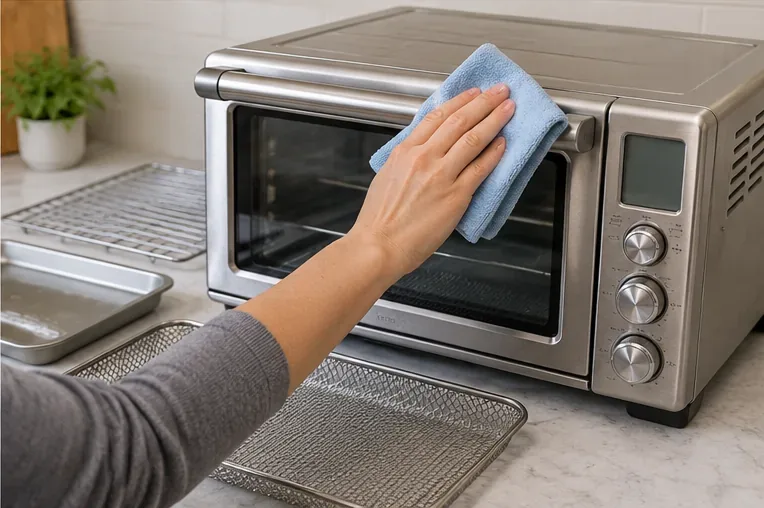
Clean a Breville toaster oven safely with mild soap, soft cloths, and the right sequence. Learn what clean should look like, what to avoid, and when to stop.
Learn how to clean a microwave grease filter, when a dishwasher is appropriate, and why charcoal filters should be replaced instead of washed.