How to Clean a PS5 Fan Without Taking It Apart: A Safe Beginner Guide
Learn how to clean PS5 vents safely without opening the console, using Sony-recommended low-power vacuuming, dry wiping, and proper airflow.
To get gum off jeans safely, harden the gum first, scrape away the solid pieces with a dull edge, treat any remaining residue with a small amount of laundry detergent, then wash the jeans according to their care label. The important part is the order: do not start by stretching, rubbing, or heating soft gum. Both Clorox's gum-removal guidance and Tide's chewing-gum stain guide recommend hardening gum before trying to remove the bulk of it.
| Question | Best-supported answer | What to do |
|---|---|---|
| Should I freeze the gum? | Yes. Ice or a freezer can harden gum so it is easier to scrape away. | Use an ice bag on the spot, or place the jeans in a freezer if practical. |
| Should I pull soft gum off? | No. Pulling can spread gum and may stress fabric fibers. | Stop pulling; harden it first. |
| Should I wash in hot water? | It depends on the garment. Stain-removal brands may recommend the warmest water allowed by the label, while denim makers often recommend cold water to reduce fading and shrinkage. | Follow the jeans' care label. For ordinary denim care, cold water is the conservative choice unless the label or manufacturer says otherwise. |
| Can I machine-dry right away? | Not if gum or a residue mark remains. Tide advises checking before drying because heat can make a remaining stain harder to remove. | Inspect first; repeat treatment if needed, then dry according to the label. |
| Do all jeans tolerate the same stain treatment? | No. Raw denim, dark washes, stretch blends, coatings, embellishments, and special finishes may have different care limits. | Read the care label and spot-test any cleaner in a hidden area. |
You do not need a complicated solvent routine for the first attempt. The strongest common ground across the manufacturer guidance is to harden, lift, pretreat if necessary, and launder appropriately.
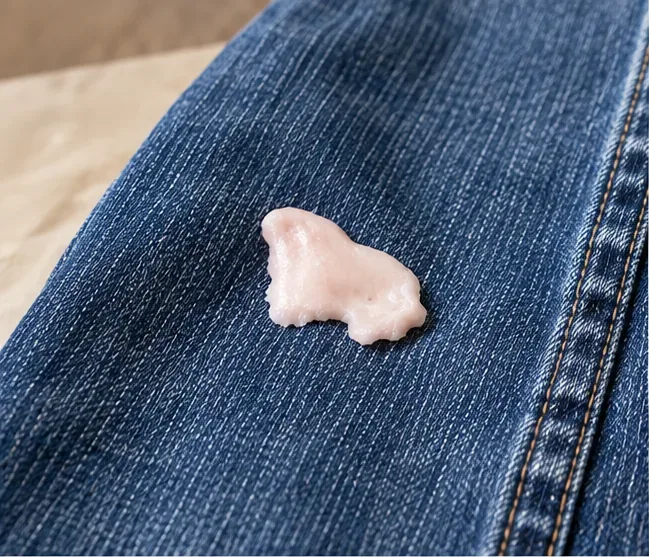
If the gum is still soft, resist the urge to peel it quickly. Soft gum stretches and can contact a larger area of denim. Instead, lay the jeans flat so the sticky area is exposed and not pressed against another part of the garment.
Then check the sewn-in care label. In the United States, the Federal Trade Commission's Care Labeling Rule requires covered apparel to carry instructions for regular care. Those instructions matter here because the last stage of gum removal involves washing and drying, and a pair of jeans may have limits that differ from another pair.
Useful action: If the label says hand wash, dry clean, no tumble drying, or gives another special restriction, keep that restriction in force throughout this process. If the label is missing and the jeans are expensive, coated, embellished, or otherwise unusual, professional cleaning is the safer escalation.
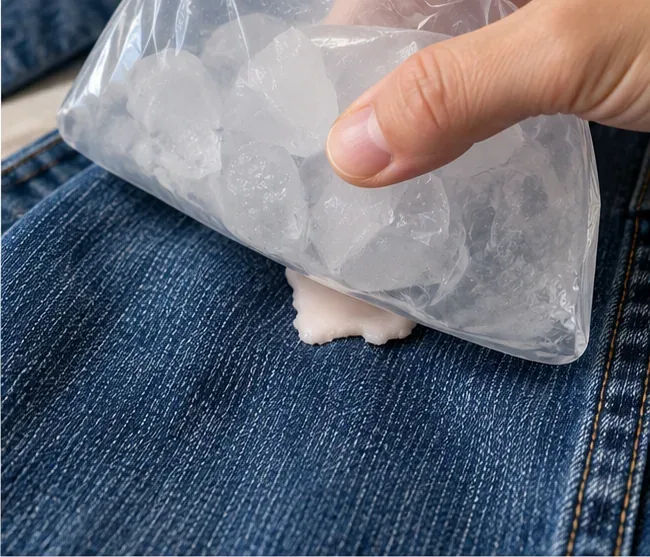
Press a bag of ice directly over the gum until it becomes firm. Clorox specifically recommends using ice until the gum hardens, and Tide also lists ice or placing the garment in a freezer as ways to solidify gum before scraping. Tide's U.S. guide suggests about 15 minutes with an ice bag as a practical starting point, but the real endpoint is texture: the gum should be hard enough to lift rather than stretch.
If the jeans fit easily in your freezer, you can fold them so the gum faces outward and does not touch other fabric, then chill the garment until the gum is solid. Local icing is usually more convenient and avoids putting the entire garment in the freezer.
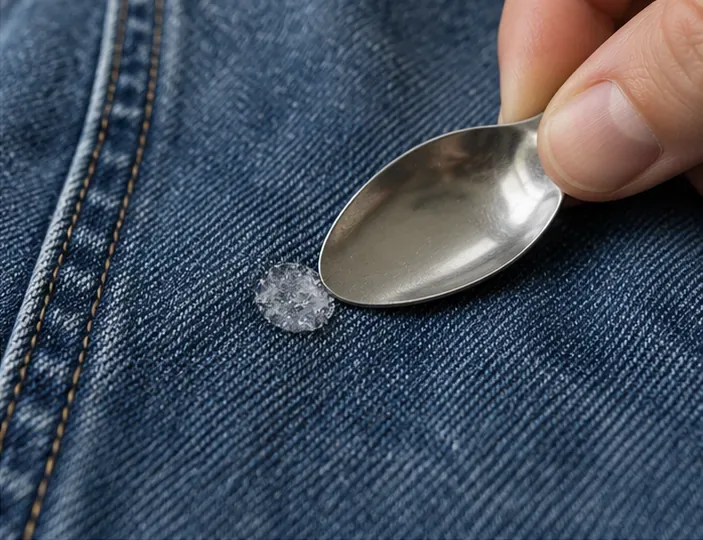
Useful action: Test the gum with the edge of a spoon. If it deforms or strings out, keep chilling it. If it breaks or lifts in firm pieces, move to scraping.

Use a spoon, dull plastic knife, or similarly blunt tool to lift the hardened gum from the denim. Work from the outside of the deposit toward the center so you do not spread loosened pieces across a wider area. Clorox recommends a plastic spoon or knife; Tide likewise advises scraping carefully so you do not damage the fabric fibers.
Do not use a razor blade or a sharp kitchen knife. Denim is sturdy, but a sharp edge can cut individual yarns, shave the surface, or leave a permanently lighter-looking patch through abrasion.
Useful action: Remove what comes away easily. If a thin sticky film remains, stop scraping harder. Move to pretreatment instead of trying to mechanically remove every trace.
After the solid gum is gone, inspect the area in good light. You may see a faint sticky film, discoloration, or a slightly darker area where residue remains. Tide recommends spot-testing the cleaning solution on an inconspicuous area, then applying liquid laundry detergent and working it gently with a soft-bristled toothbrush before washing.
For jeans, that spot test matters most on very dark indigo, black denim, raw denim, coated denim, or garments with unusual finishes. Color change from a cleaner can be more noticeable than the original residue.
Useful action: Put a tiny amount of the detergent you intend to use on an inside seam or hidden hem. If the area shows no unwanted color change or finish damage after the test period recommended by the product, apply detergent to the residue and work it gently rather than scrubbing aggressively.
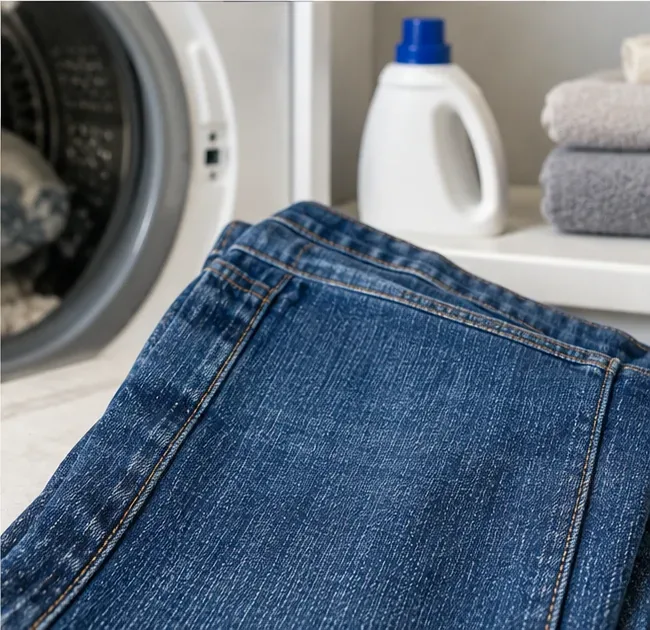
This is where apparently conflicting advice can confuse people. Clorox's general gum-removal instructions say to machine wash in the warmest water recommended by the garment's care label. Tide similarly emphasizes washing on a cycle appropriate for the fabric. However, Levi's current denim care guidance recommends turning denim inside out, closing zippers, using cold water on a gentle cycle, and choosing a mild detergent to help preserve fit and color.
Those statements are not actually contradictory. A stain-removal instruction tells you not to exceed the garment's permitted temperature, while denim-specific care may favor colder washing to limit fading and shrinkage. Your jeans' own label is the deciding reference.
Useful action: For standard washable jeans, turn them inside out and use the care-label-approved cycle. When in doubt about temperature and the label permits cold washing, cold water is a cautious denim-preserving choice. Wash dark or new jeans with similar colors because excess dye can transfer.
When the wash cycle ends, check the exact spot where the gum was. Do this before putting the jeans in a dryer. Tide advises repeating treatment when a stain remains rather than drying first, because dryer heat can make residual staining more difficult to remove.
Levi's also recommends air drying denim when possible to reduce shrinkage and fading. That makes air drying a sensible final step after gum removal, especially when you are still evaluating whether the area is completely clean.
Useful action: If the spot is clean, air dry or follow the garment's drying instructions. If it still feels tacky or shows residue, repeat the detergent pretreatment and washing step rather than escalating immediately to stronger chemicals.
Not a reliable first step. The better-supported first move is the opposite: harden the gum so it separates from the fabric more cleanly. Heat may soften gum, and although some manufacturer guides describe heat-based alternatives, it is not necessary for the basic method and may be a poor fit for jeans that are prone to fading or shrinkage.
Useful action: Start with ice. Decide wash temperature only after checking the care label and the denim manufacturer's guidance.
Incorrect when residue remains. Visible gum and the remaining mark are two separate problems. Once the chunk of gum is gone, there can still be a sticky or oily-looking film. Tide specifically recommends checking after washing and repeating treatment before drying if the stain remains.
Useful action: Run your fingers lightly over the dry or damp treated area and inspect it under bright light before applying dryer heat.
Situation-dependent. “Jeans” describes a garment style, not one identical fabric and finish. Raw denim, prewashed denim, stretch blends, black denim, coatings, embroidery, patches, and decorative treatments can all change what cleaning methods are appropriate. Levi's, for example, gives separate advice for raw denim and notes that darker washes can release dye.
Useful action: Treat the care label as the boundary. If a stain-removal idea conflicts with it, do not use that idea on that pair of jeans.
Not established as necessary. There are many household methods online, but the official cleaning guidance reviewed for this article provides a simpler path using cold hardening, gentle scraping, laundry detergent, and laundering. Adding an oily substance can create a second cleaning problem, while using an unapproved solvent can affect dye, elastane, coatings, or trim.
Useful action: Try the low-risk, label-compatible method first. If the gum survives repeated treatment, ask the garment manufacturer or a professional cleaner before introducing a solvent that is not covered by the care instructions.
Raw denim and dark washes are more sensitive to visible color change. Levi's recommends hand washing raw denim in cold water with a gentle cleanser, avoiding wringing, and air drying. Spot cleaning is also encouraged for minor stains.
Useful action: Keep the treatment as local as possible, avoid aggressive brushing, and expect some dye transfer may occur if the jeans are new or deeply dyed.
The exact fiber blend and finish matter more than the word “stretch.” Without the manufacturer's care information, there is no universal temperature or solvent rule that can be stated safely for every elastane-containing pair.
Useful action: Follow the care label and avoid improvising with heat or solvents when the fiber content or finish is unknown.
Once gum has softened, spread, or been heated, removal can take more than one cycle of hardening, scraping, and pretreating. The basic method is still a reasonable place to begin, but results depend on how deeply the residue has worked into the weave and whether the surface has been abraded.
Useful action: Re-harden the remaining material, remove only what lifts safely, pretreat the residue, and rewash. If the denim finish or fibers start to change, stop and use a professional cleaner.
At that point, more force is not necessarily more effective. A professional cleaner can choose a method based on the actual textile construction and finish.
The safest practical answer to how to get gum off jeans is to make the gum hard before trying to remove it. Ice, a dull scraper, mild detergent, and care-label-compatible laundering are enough for many cases. What is well supported is the sequence: harden, lift, pretreat, wash, inspect. What depends on the individual jeans is water temperature, washing method, drying method, and how much spot treatment the dye or finish can tolerate.
Sources were checked on September 12, 2026: Clorox gum-removal guidance, Tide chewing-gum stain guidance, Levi's denim care and washing guidance, and the FTC Care Labeling Rule page.
Learn how to clean PS5 vents safely without opening the console, using Sony-recommended low-power vacuuming, dry wiping, and proper airflow.
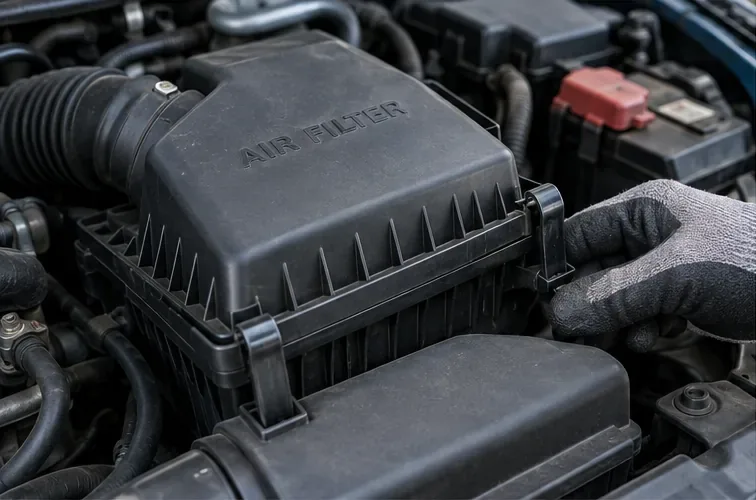
Learn how to clean a car air filter safely, when a paper filter should be replaced instead, and how reusable filters require different care.
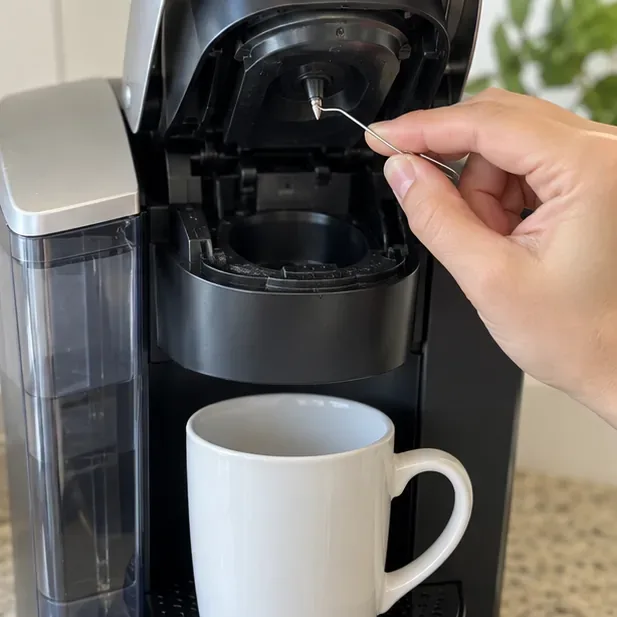
Learn how to clean a Keurig entrance and exit needle safely, clear coffee-ground clogs, rinse the brewer, and know when descaling is the next step.
Learn how to remove dried nail glue from clothes safely, when acetone is appropriate, which fabrics need extra care, and when to stop and call a cleaner.
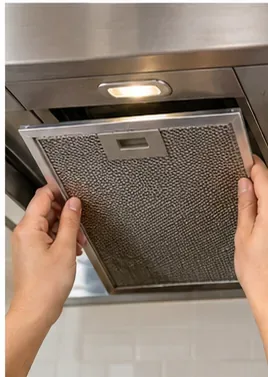
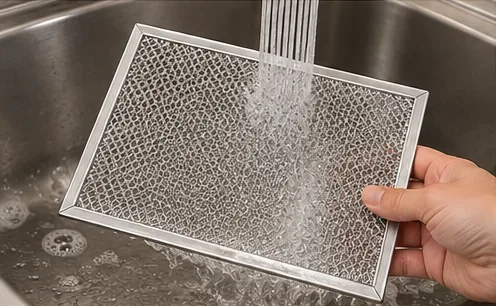
Learn how to clean a metal range hood filter safely, when dishwasher cleaning is okay, and why charcoal filter care depends on your exact model.
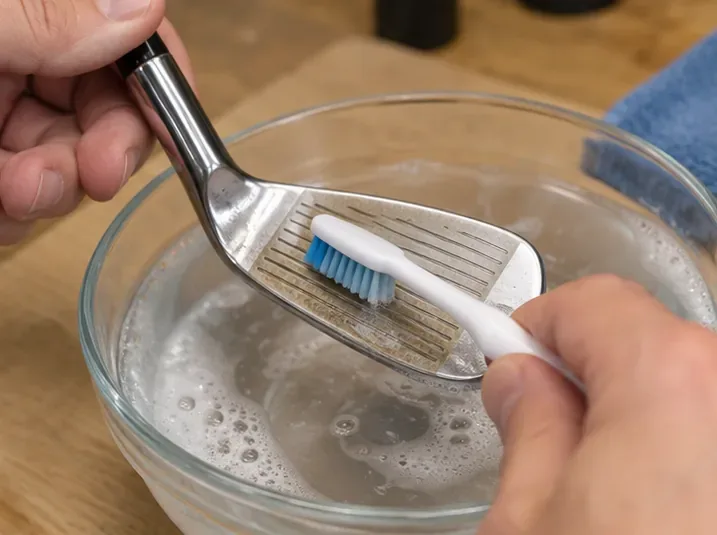
Learn how to remove rust from golf clubs safely, judge the result, protect raw and plated finishes, and know when cleaning should stop.
Learn how to clean fabric blinds safely with gentle vacuuming, spot cleaning, rinsing, and drying—plus when water, washing, or DIY deep cleaning can cause damage.
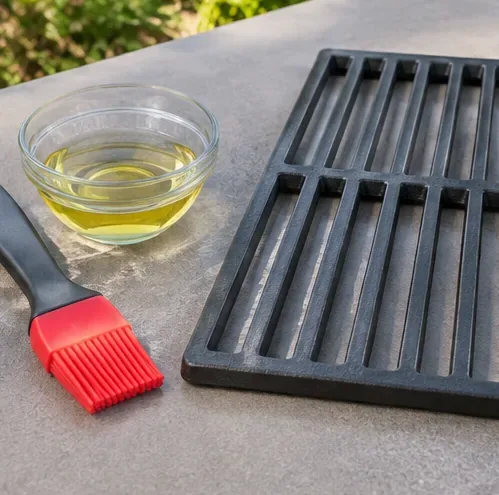
Learn how to season gas grill grates safely, including when cast iron needs seasoning, when porcelain enamel does not, and how to check the result.
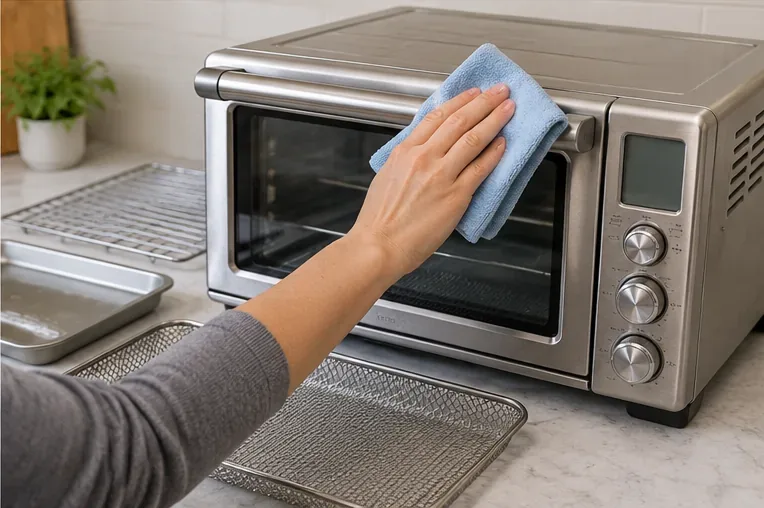
Clean a Breville toaster oven safely with mild soap, soft cloths, and the right sequence. Learn what clean should look like, what to avoid, and when to stop.
Learn how to clean a microwave grease filter, when a dishwasher is appropriate, and why charcoal filters should be replaced instead of washed.