How to Clean a PS5 Fan Without Taking It Apart: A Safe Beginner Guide
Learn how to clean PS5 vents safely without opening the console, using Sony-recommended low-power vacuuming, dry wiping, and proper airflow.
Glue on clothing is usually removable, but the right method depends on two things: what kind of adhesive it is and what the garment can safely tolerate. A washable school glue spill should not be treated the same way as cured super glue, hot glue, or permanent fabric adhesive. The safest strategy is to start with the least aggressive method that fits the glue, then escalate only if residue remains.
Before using any solvent, read the garment care label. The U.S. Federal Trade Commission explains that care labels are meant to tell consumers which regular cleaning methods can be used without substantial harm to the garment. If a label says “Dry Clean Only,” or if the item is delicate, embellished, vintage, or especially valuable, professional cleaning is often the better choice than experimenting at home.
If you know the glue type, jump to the matching row in the table below. If you do not know it, do not immediately reach for acetone. First check the care label, let any hard adhesive become stable enough to lift without smearing, remove loose material gently, and try water plus detergent if the fabric and adhesive allow it. Use a solvent only after a hidden-area test.
| Glue type | Best first move | If residue remains | Main caution |
|---|---|---|---|
| Washable school glue / white PVA glue | Rinse or soak with cool water, then work in liquid laundry detergent if the care label permits washing. | Repeat the water-and-detergent treatment before laundering. | Do not start with a strong solvent when the product is specifically labeled washable. |
| Super glue / cyanoacrylate | Let it dry, then gently lift or scrape away brittle excess. | Soak or blot according to the adhesive maker’s guidance; if needed, spot-test a very small amount of acetone on a hidden area. | Acetone can discolor or damage some fabrics and finishes. |
| Hot glue | Chill the garment until the glue becomes hard and brittle, then peel or scrape gently. | Treat any remaining mark according to the fabric care label. | Do not pull so hard that you stretch knitted or delicate fabric. |
| Water-based fabric glue | If still wet, rinse promptly with water when the product instructions allow it. | Dried adhesive may be harder to remove; follow the specific glue maker’s directions. | Permanent fabric glues may not come out completely after curing. |
| Solvent-based or permanent fabric glue | Check the adhesive label and garment care label before treatment. | A compatible solvent may help, but test first and use the smallest amount needed. | Solvents can affect dye, coatings, elastic, prints, or synthetic fibers. |
| Unknown adhesive | Start with gentle mechanical removal and a water-based treatment only if the garment can be washed. | Stop and identify the product before trying stronger chemistry. | Guessing with solvents creates the highest risk of fabric damage. |
Look for the glue container, product name, or project material that caused the spill. “Super glue,” “hot glue,” “washable school glue,” and “fabric glue” behave differently after curing. Then check the garment label for washing, drying, bleaching, ironing, or dry-cleaning restrictions.
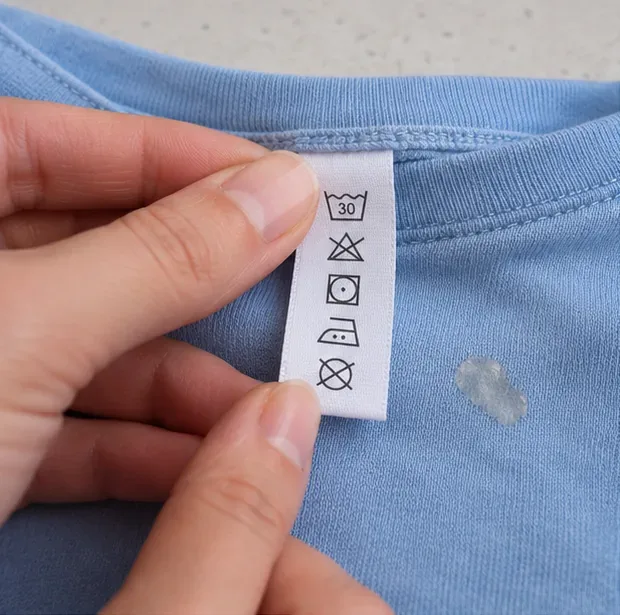
This first check matters because even a removal method that works chemically can be wrong for the garment. The FTC’s Care Labeling Rule guidance explains that covered garments must provide regular-care instructions and warnings where a cleaning procedure could harm the item.
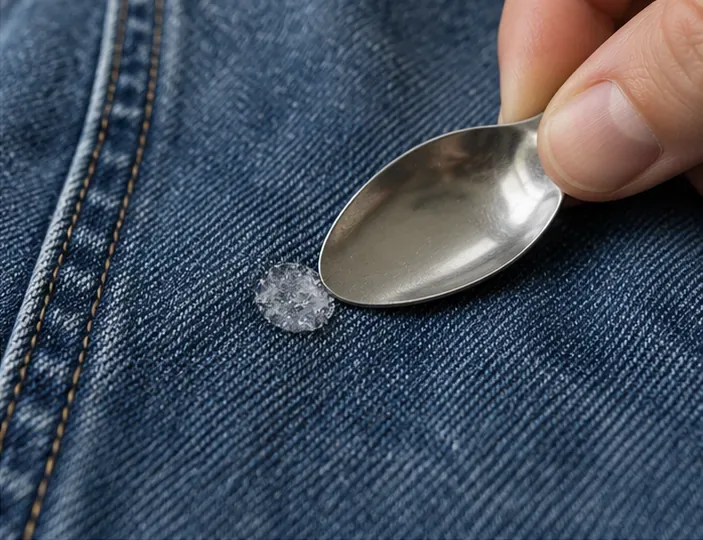
When the adhesive has formed a solid blob, remove the bulk before adding liquid. For dried super glue, Loctite recommends letting the adhesive fully dry and then using a dull edge to lift larger pieces. A spoon edge is a practical choice because it is less likely than a sharp blade to cut threads.
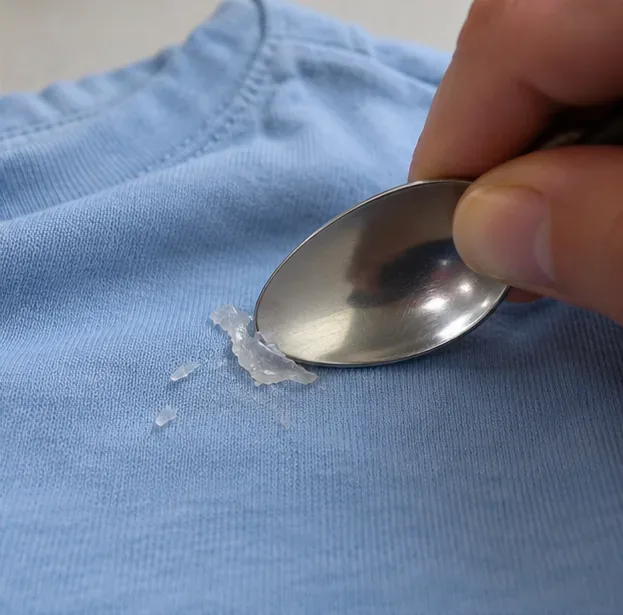
Work from the outside edge of the deposit toward the center. Support thin fabric from underneath with a folded white towel. If the garment starts to fuzz, snag, stretch, or lose color, stop scraping. The goal is to remove loose adhesive, not to force every trace off mechanically.
For a product labeled washable, water should usually be the first treatment. Elmer’s describes its school glue as specifically formulated to be washable, so there is little reason to jump straight to a solvent for that type of spill. Rinse or soak according to the garment care label, then work a small amount of liquid laundry detergent into the remaining area before laundering.
For super glue, manufacturer guidance is more cautious. Loctite’s fabric glue-removal guide recommends drying and scraping first, then soaking; it says acetone can be used for persistent super glue only after testing an inconspicuous area because it can affect some fabrics. Another Loctite guide notes that acetone may discolor fabric, which is a good reason to treat it as an escalation step rather than the default.
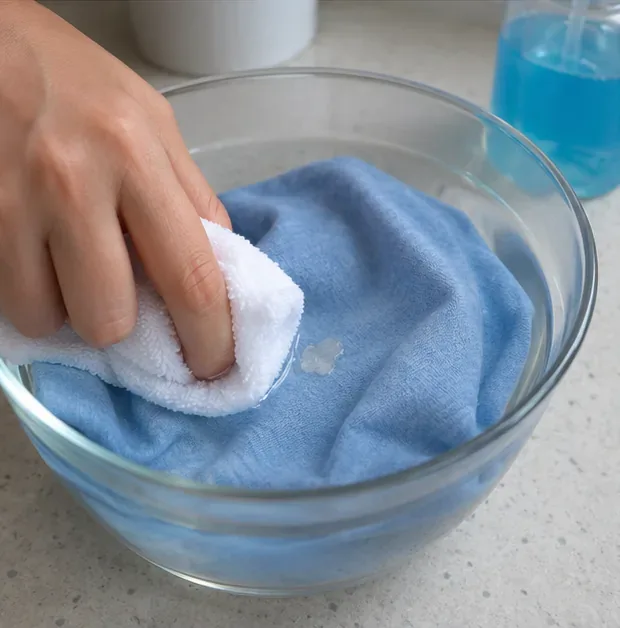
Hot glue is different again. Loctite recommends chilling the garment—its guidance suggests putting the fabric in a freezer overnight—so the glue becomes easier to scrape away. For fabric-specific adhesives, check the product maker. Aleene’s official FAQ says its water-based fabric glues can rinse out while still wet, while some dried fabric glues may respond to acetone but may not be completely removable after curing.
Once the visible adhesive is gone or greatly reduced, wash the garment using a cycle and water temperature permitted by the care label. Do not automatically choose the hottest setting. More importantly, inspect the area before putting the item in a dryer. Loctite advises making sure super glue is fully removed before high-heat drying.
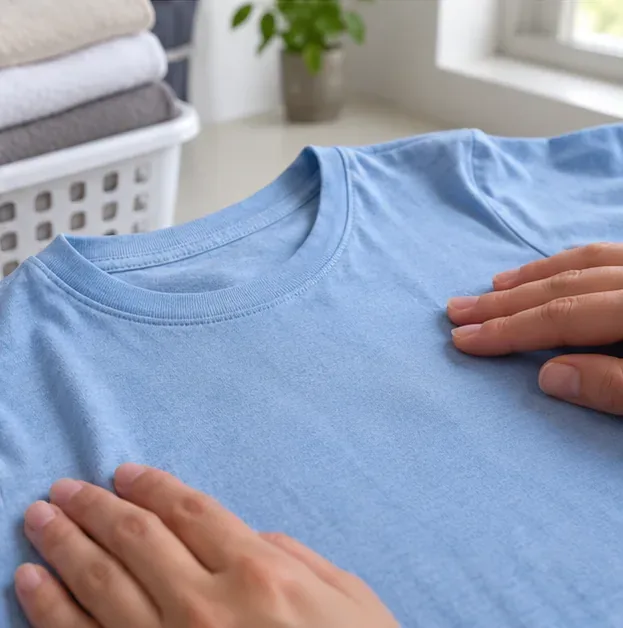
Let the garment air-dry if you are unsure whether residue remains. Once dry, feel the area under good light. A successful treatment should leave no hard ridge, tacky patch, or obvious crust. If the spot is still stiff but the color and fibers look intact, repeat the same low-risk treatment rather than immediately moving to a stronger solvent.
Acetone can dissolve cyanoacrylate and some other adhesives, but it is not a universal clothes cleaner. Use it only when the adhesive maker indicates it can help and the garment can tolerate the treatment. Test a tiny hidden area first, such as an inside seam allowance. Wait and check for color transfer, whitening, texture change, or damage before touching the visible stain.
Use very little solvent at a time on a cotton swab or white cloth, and work from the edge of the glue inward. Place a clean absorbent towel behind the stained area so dissolved adhesive does not spread to another layer of fabric. Blot rather than saturate.
Acetone also requires basic fire and ventilation precautions. The CDC/NIOSH Pocket Guide to Chemical Hazards classifies acetone as a highly flammable liquid and notes that exposure can irritate the eyes, nose, throat, and skin. Keep it away from flames, sparks, smoking, and hot surfaces, and use it with good ventilation. Follow the solvent product label and wash or rinse the garment as allowed before bringing it near a dryer or other heat source.
If the bottle says washable, begin with water rather than solvent. Elmer’s official school glue page describes its liquid school glue as washable. That does not guarantee every stain will disappear instantly, especially after long drying, but it supports using a water-first approach before stronger chemistry.
Wait for the glue to dry before scraping so you do not smear liquid cyanoacrylate deeper into the weave. If scraping and soaking do not finish the job, follow the exact adhesive maker’s removal instructions. Do not assume all nail-polish removers are equivalent; some are acetone-free or contain dyes, oils, or fragrances that can leave a second stain.
Cold makes a hot-glue blob easier to handle mechanically. Once brittle, flex the fabric gently and lift the glue with a dull edge. This is especially useful when the glue sits on the surface instead of soaking deep into the yarns.
Permanent fabric adhesive is designed to survive wear and laundering, so complete removal after curing may not be realistic. If the spill is fresh and the product is water-based, quick rinsing may help. For cured or solvent-based products, follow the adhesive maker and avoid improvising on delicate garments.
Stop home treatment if the garment is labeled Dry Clean Only, the color starts transferring to your cloth, the fabric surface changes, the item has delicate trim or a special coating, or the adhesive covers a large area. Professional cleaning is also sensible for wedding wear, tailored garments, vintage textiles, leather-trimmed clothing, or expensive pieces where a failed experiment would cost more than cleaning.
This guide was checked against official and manufacturer sources available in September 2026, including the FTC’s care-label guidance, Loctite’s adhesive-removal instructions, Aleene’s fabric-glue FAQ, Elmer’s washable school-glue product information, and CDC/NIOSH acetone safety information. Always prioritize the instructions for the exact garment and adhesive product in front of you.
Learn how to clean PS5 vents safely without opening the console, using Sony-recommended low-power vacuuming, dry wiping, and proper airflow.
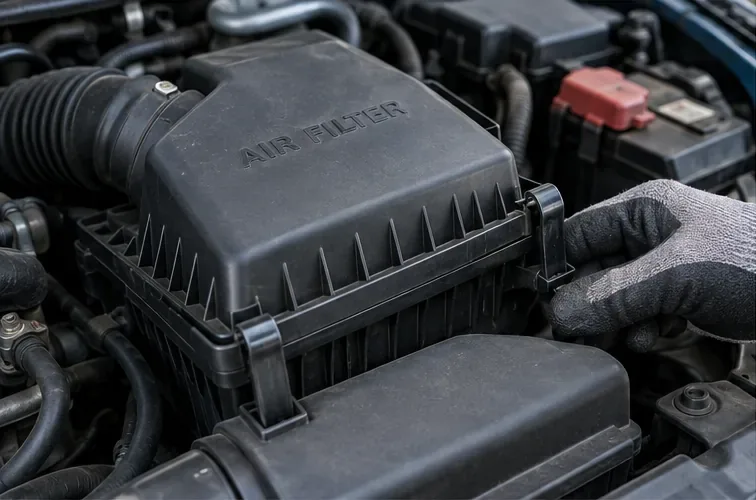
Learn how to clean a car air filter safely, when a paper filter should be replaced instead, and how reusable filters require different care.
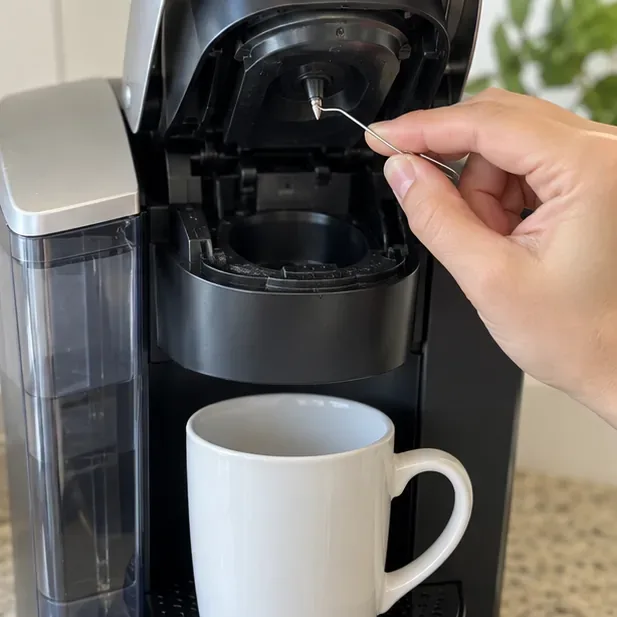
Learn how to clean a Keurig entrance and exit needle safely, clear coffee-ground clogs, rinse the brewer, and know when descaling is the next step.
Learn how to remove dried nail glue from clothes safely, when acetone is appropriate, which fabrics need extra care, and when to stop and call a cleaner.
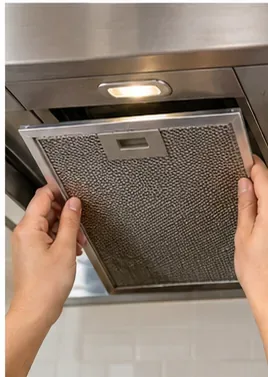
Learn how to clean a metal range hood filter safely, when dishwasher cleaning is okay, and why charcoal filter care depends on your exact model.
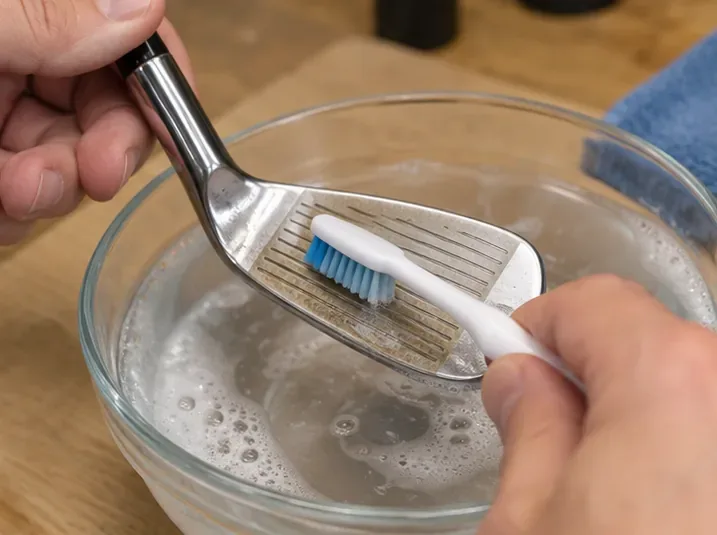
Learn how to remove rust from golf clubs safely, judge the result, protect raw and plated finishes, and know when cleaning should stop.
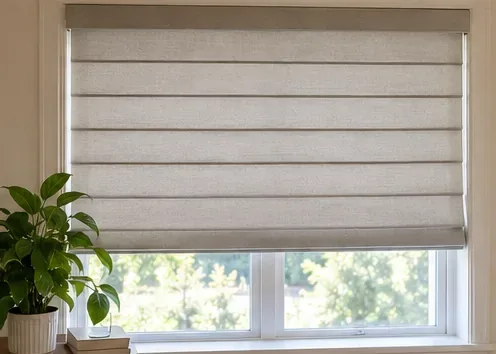
Learn how to clean fabric blinds safely with gentle vacuuming, spot cleaning, rinsing, and drying—plus when water, washing, or DIY deep cleaning can cause damage.
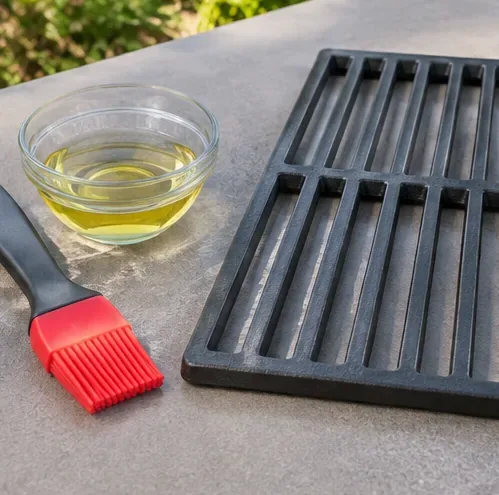
Learn how to season gas grill grates safely, including when cast iron needs seasoning, when porcelain enamel does not, and how to check the result.
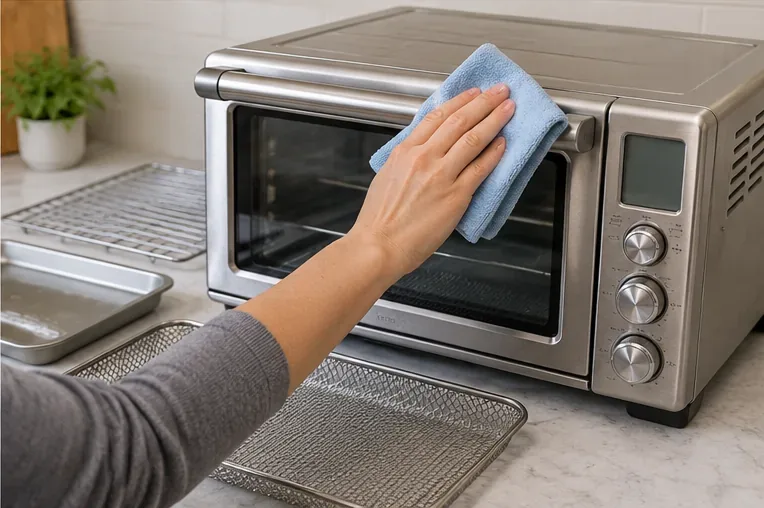
Clean a Breville toaster oven safely with mild soap, soft cloths, and the right sequence. Learn what clean should look like, what to avoid, and when to stop.
Learn how to clean a microwave grease filter, when a dishwasher is appropriate, and why charcoal filters should be replaced instead of washed.