Home
» How To
»
How to Get Fabric Glue Off Clothes Without Damaging the Fabric
How to Get Fabric Glue Off Clothes Without Damaging the Fabric
A blob of fabric glue on a favorite shirt can turn a quick craft or repair into a frustrating laundry problem. The best way to remove it depends on two things: whether the glue is still wet or has cured, and whether the adhesive is water-based or solvent-based. Starting with the gentlest method matters because strong solvents can damage color or fibers even when they dissolve the glue.
For washable clothes, the safest general sequence is: identify the adhesive, remove excess without spreading it, use water first when the product allows it, soften and lift dried residue, escalate to a tested solvent only when necessary, then launder according to the garment's care label. Permanent fabric glue is designed to survive washing, so a fully cured stain may not come out completely.
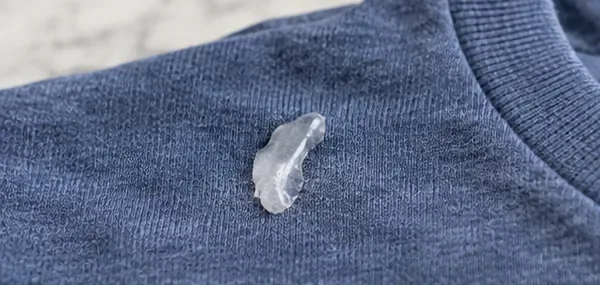
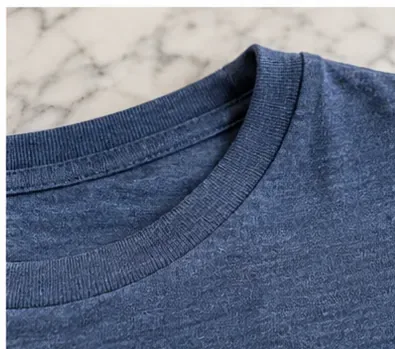
A dried fabric-glue spot on knit fabric: first identify whether the adhesive is wet, partly cured, or fully hardened before choosing a removal method.
Why fabric glue can be difficult to remove
Fabric adhesives are not all the same. Some are water-based and can be cleaned with water while still wet. Others use solvent-based chemistry and become much harder to remove as they cure. Aleene's, for example, says its water-based fabric glues can rinse out while wet, while some solvent-based products may require a solvent such as acetone. The same manufacturer also cautions that dried fabric glue may only be partly removable. See the Aleene's fabric-glue FAQ.
This is why simply throwing the garment into the washer is unreliable. A washable permanent glue is specifically formulated to remain bonded after laundering. If the adhesive has already cured into the fibers, washing alone may do very little.
Before you start: check the glue and the clothing label
If you still have the glue bottle, read its cleanup directions first. Look for terms such as water cleanup when wet, solvent-based, permanent, or washable after curing. For example, Aleene's Fabric Fusion specifically lists water cleanup while wet, which makes early treatment much easier. The product directions are available on the manufacturer's Fabric Fusion page.
Then check the garment's care label. The Federal Trade Commission's Care Labeling Rule requires covered clothing to provide regular care instructions and relevant warnings. If your item says dry-clean only, hand wash, no heat, or has another restriction, follow that instruction instead of treating the garment as ordinary machine-washable clothing. See the FTC Care Labeling Rule.
How to get fabric glue off clothes, from gentlest to strongest
1. If the glue is wet, remove excess without rubbing
For a fresh spill, resist the urge to scrub. Rubbing pushes adhesive farther into the weave and spreads the stain. Lift away excess with the edge of a spoon, a dull plastic scraper, or a clean cloth used in a blotting motion.
If the adhesive is confirmed to be water-based and its label permits water cleanup, rinse the affected area promptly with cool or cold water. Work from the back of the fabric when practical so the water helps push adhesive out rather than deeper into the fibers.
2. If the glue is dry, lift off what is sitting on the surface
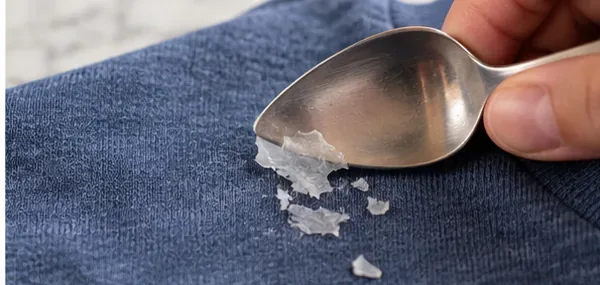
When the glue has hardened, first remove the part that is mechanically detachable. Hold the fabric flat and gently lift an edge with a spoon or other dull tool. Do not saw at the fibers or force off a patch that is still strongly bonded.
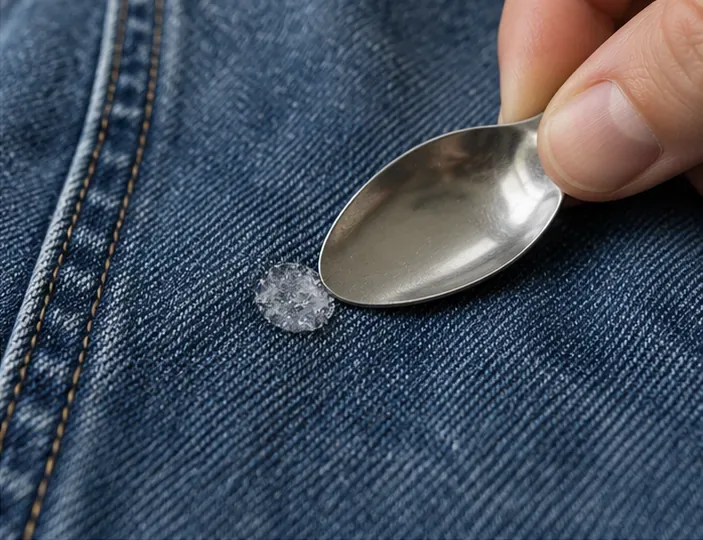
A spoon can lift brittle, dried glue without the sharp edge of a knife; stop if the fabric begins to pull or distort.
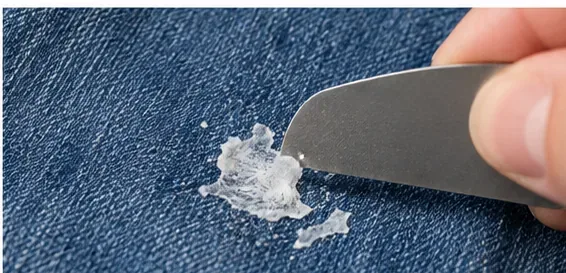
On sturdy fabrics such as denim, a broad dull edge can help remove a thicker cured layer. Keep the tool nearly parallel to the cloth so you are separating glue from the surface rather than cutting downward into the textile.
For a thicker dried patch on sturdy denim, use a broad dull edge gently and keep it almost flat against the fabric.
3. Soak or blot with cold water when the adhesive instructions allow it
If scraping leaves a thin film, water is the next low-risk step for many washable garments. Loctite's guidance for fabric-glue spills says that once adhesive has started to cure, soaking the garment in cold water can help before scraping again. Its separate glue-removal guidance also recommends cold-water treatment before moving to stronger chemistry. See Loctite's fabric-glue guidance.
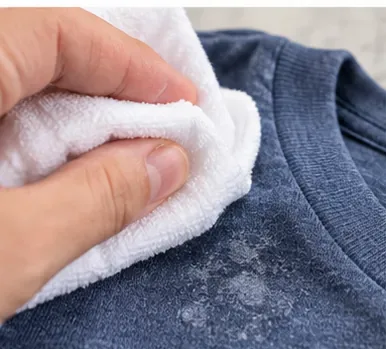
Soak only if the care label allows water. After soaking, blot rather than twist or aggressively scrub. If the fabric releases colored dye onto your cloth, stop and reassess before continuing.
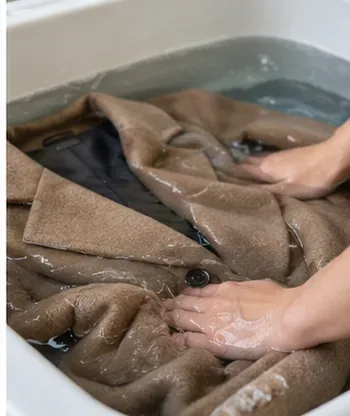
After a cold-water soak or rinse, blot the damp area instead of twisting or rubbing the fibers.
4. Gently loosen softened residue
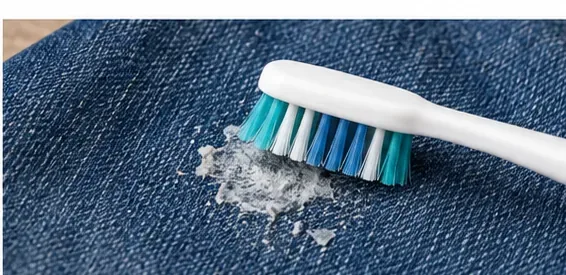
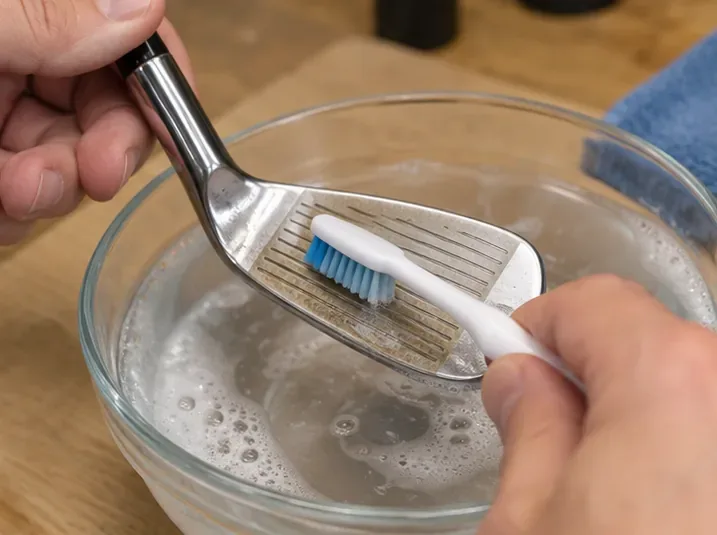
Once the residue has softened, a soft brush can help lift crumbs from a durable weave. Use short, light strokes and work from the outside of the mark toward the center. A soft toothbrush is suitable for denim, canvas, and similarly robust fabrics, but skip brushing on snag-prone knits, lace, loose embroidery, or delicate pile fabrics.
A soft brush can loosen softened glue from sturdy denim, but delicate or snag-prone fabrics should be handled without brushing.
5. Escalate to acetone only when the adhesive and fabric make it appropriate
If water and gentle mechanical removal fail, the glue manufacturer may recommend a solvent. Aleene's says some solvent-based fabric glues can require acetone while wet, and Loctite says acetone may help with certain glue residues. However, Loctite also warns that acetone can damage some synthetic fibers and recommends testing on a hidden area first.
That makes acetone a conditional step, not a default one. Do not use it just because a stain is stubborn. First check the adhesive directions and the garment fiber content, then test one small hidden seam. If the color transfers, the finish changes, or the fabric becomes tacky, stiff, distorted, or weakened, stop. For delicate, valuable, coated, embellished, or dry-clean-only clothing, professional cleaning is the safer choice.
When acetone is appropriate, use the smallest amount needed on a cotton swab or white cloth and blot the glue rather than soaking a wide area. Work in a ventilated space and keep the solvent away from heat or flame.
6. Pretreat the remaining mark with laundry detergent
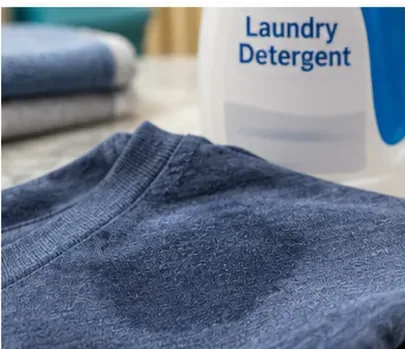
Once the bulk of the adhesive has been lifted, a small amount of liquid laundry detergent can help remove the remaining film and surrounding soil. Apply it only if the garment is washable, gently work it into the affected area with your fingers, and let it sit briefly according to the detergent label.
After most of the glue has been removed, pretreat the remaining washable mark with laundry detergent before laundering.
7. Wash according to the garment's care label
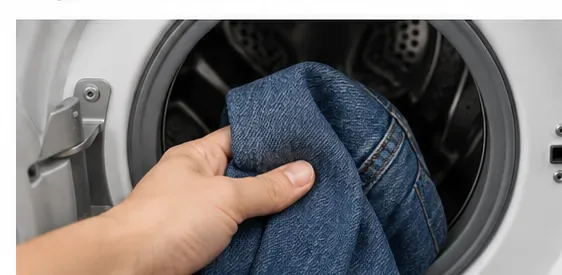
Launder the item using the method and water temperature permitted by the care label. Do not increase the temperature simply because the stain is difficult. Heat is not a universal glue remover, and some adhesives or fabrics can become harder to deal with after high-temperature drying.
Machine-wash only when the clothing care label permits it, using the labeled cycle and temperature rather than automatically choosing a hotter setting.
8. Air-dry first and inspect before using the dryer
After washing, inspect the area while the garment is still damp and again after air-drying. Loctite's glue-removal instructions specifically advise making sure glue is fully removed before drying at high heat. If residue remains, repeat the safest step that produced progress instead of immediately moving to a harsher chemical.
Finish by checking the treated area in good light; the fabric should feel normal and show no raised, glossy, or tacky glue residue before heat drying.
Quick decision guide
Situation
Best first move
What to avoid
Wet, known water-based fabric glue
Lift excess, then rinse as the product directions allow
Rubbing the glue deeper into the fibers
Dry glue on sturdy washable cotton or denim
Gently scrape, then cold-water soak or blot
Sharp cutting motions that can damage threads
Suspected solvent-based adhesive
Read the glue label and perform a hidden-area compatibility test
Applying acetone broadly without testing
Delicate, coated, embellished, or dry-clean-only garment
Follow the care label and consider a professional cleaner
Home solvent experiments or aggressive brushing
Glue remains after washing
Air-dry and repeat the gentlest effective treatment
High-heat drying before confirming removal
Common mistakes that make the problem worse
Scrubbing a fresh spill: this spreads wet adhesive through a larger area of the weave.
Starting with a strong solvent: solvent compatibility depends on both the adhesive and the textile.
Ignoring the care label: a stain-removal technique is not useful if it damages the garment itself.
Using a sharp blade: cutting fibers can leave permanent damage even if the glue disappears.
Putting the garment straight into a hot dryer: inspect first and continue treatment if residue remains.
How to tell whether the fabric glue is really gone
Check the treated spot under bright light and compare it with an unaffected area. A successful result should not have a raised plastic-like ridge, a shiny crust, a tacky feel, or noticeably stiff fibers. Gently flex the fabric: if the area moves differently from the surrounding cloth, some adhesive may still be embedded.
Also check for damage caused by the cleaning process itself. Look for fading, dye transfer, fuzzing, stretched knit loops, or a changed surface finish. If the glue is gone but the textile has started to weaken, stop further treatment.
Some fully cured permanent fabric glues cannot be removed completely without risking the garment. In that situation, the right endpoint is not “keep using stronger chemicals.” It is deciding whether the remaining mark is acceptable, can be covered with a patch or embellishment, or should be assessed by a professional cleaner.
Bottom line
To get fabric glue off clothes safely, begin with identification and the gentlest method: remove excess, use water only when the adhesive and care label permit it, lift softened residue carefully, and reserve acetone for situations where the manufacturer supports solvent cleanup and a hidden-area test shows the fabric tolerates it. Wash only according to the garment's care instructions, then air-dry and inspect before applying dryer heat. That approach gives you the best chance of removing the glue without trading one stain for permanent fabric damage.