How to Clean a PS5 Fan Without Taking It Apart: A Safe Beginner Guide
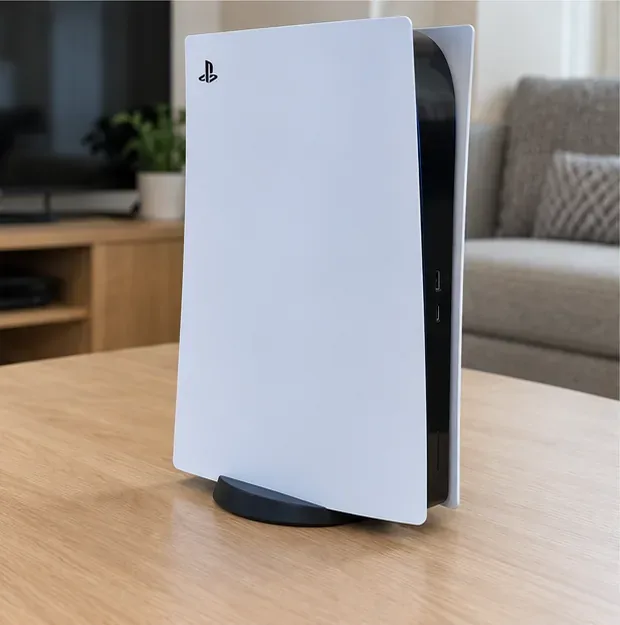
Learn how to clean PS5 vents safely without opening the console, using Sony-recommended low-power vacuuming, dry wiping, and proper airflow.
White running shoes make dirt easy to see, but “bright white again” is not always the right cleaning target. A good result is a pair that is free of loose grit, visibly cleaner through the upper and sole, fully rinsed of soap, and dried without warping the foam, shrinking the upper, or weakening glued areas.
Illustrative example only: imagine Maya has a pair of white mesh road-running shoes that picked up gray road dust, a few mud spots, and dark marks on the midsole after a rainy 5K training week. The shoes are structurally sound, the mesh is synthetic, and there is no suede or leather paneling. This is a hypothetical example, not a real test or testimonial. We will use Maya’s shoes to show how to apply current manufacturer care guidance in a conservative way.
The conservative route matters because running-shoe brands do not all give identical washing-machine advice. Nike, HOKA, Brooks, and ASICS favor hand cleaning and air drying for running shoes. Adidas says machine washing can work for some running shoes, but also describes hand washing as gentler. If your exact model has its own care instructions, those instructions should override any generic method.
A faint shadow or permanent discoloration can remain even after proper cleaning. That does not mean the next step should automatically be bleach, peroxide, or harder scrubbing. Some yellowing and color change come from material aging, adhesive chemistry, UV exposure, or wear rather than removable soil.
Maya’s hypothetical shoes are white synthetic mesh, which is a good candidate for gentle hand cleaning. Before you copy this method, inspect your own shoes for suede, nubuck, leather, waterproof membranes, reflective overlays, bonded films, or special finishes.
ASICS notes that fabric, mesh, and canvas uppers can be hand washed gently, while suede, nubuck, and leather require different treatment. HOKA likewise gives separate care guidance for mesh, suede/nubuck, leather, and GORE-TEX footwear. If you are unsure what the upper is made from, check the product page or care label before cleaning.

Maya removes the laces and removable sockliners so she can clean the tongue, eyelets, and interior edges without trapping dirt underneath. Nike, HOKA, Brooks, and ASICS all recommend taking removable components out before or during cleaning.
Do not force out an insole that is glued down. If it resists and the product instructions do not describe it as removable, leave it in place and clean only what you can reach safely.

Before adding water, Maya lets caked mud dry and uses a soft brush to loosen dirt from the mesh, seams, and sole edges. This is important because wet grit can be rubbed deeper into textile fibers.
Use a soft-bristle brush on mesh or knit. HOKA specifically warns that mesh can fray under harsh scrubbing and recommends minimal force. ASICS product pages for current running models also warn against hard brushes.

For Maya’s generic white mesh shoes, a small amount of mild liquid detergent or dish soap in cool or lukewarm water is the safest baseline. Nike recommends a mild cleaning solution for general shoe care, Brooks recommends mild soap and warm water, and HOKA recommends cold water with mild soap or detergent.
Do not make the mixture highly concentrated. More detergent creates more residue to rinse away and does not necessarily remove more dirt.

Maya dips a soft brush into the solution, shakes off excess liquid, and works on one small area at a time. She uses light strokes instead of grinding at a stain. Nike’s current guidance says to brush knit or mesh gently, and HOKA recommends minimal force on mesh because aggressive scrubbing can cause fraying.
If the brush starts pulling fibers or the surface looks fuzzy, stop and switch to a soft cloth or gentler dabbing. The goal is to remove dirt without changing the texture of the upper.

The outsole can tolerate more brushing than the upper because it is designed for ground contact. Maya uses a separate brush to clean the rubber tread, grooves, and the sidewall of the midsole. Packed stones and grit should be removed carefully from the tread.
Do not assume a stiff brush that is safe for the outsole is safe for the mesh. Keeping separate tools—or at least separate pressure levels—helps protect the upper.

Maya washes the laces by hand in mild soapy water, rinses them, and lays them flat to dry. She cleans the removable insoles with a damp cloth or soft brush and mild soap, then lets them air-dry completely.
Brooks recommends washing insoles separately and reinserting them only after they are dry. Nike also says insoles should be removed and cleaned separately when needed.

After cleaning, Maya wipes the shoes with a clean cloth dampened with fresh water until no suds or slick residue remain. She blots excess moisture with a dry towel, stuffs the shoes lightly with plain absorbent paper or a dry cloth to help them hold shape, and leaves them to air-dry indoors.
Nike says many shoes need at least eight hours to dry fully. HOKA recommends natural drying away from direct heat and sunlight. Brooks also advises air drying in a cool room away from dryers, heaters, and sunlight because heat can warp fabric, foam, lamination, or color.

Maybe—but only when the shoe maker and material allow it. Nike’s current white-running-shoe guide suggests a paste of equal parts baking soda and water for tougher stains on white or light-colored running shoes. That is a Nike-specific recommendation, not a universal rule for every white trainer.
ASICS product pages for current running shoes can state “do not use hard brushes or cleaning chemicals,” and some special foams, bonded films, dyes, and coatings may react differently. If the brand gives no whitening recipe, mild soap is the safer starting point.
Practical action: if ordinary hand washing leaves one stubborn mark, check the manufacturer’s material-specific guidance before escalating to baking soda, peroxide, whitening paste, or other chemistry.
Adidas publishes a running-shoe cleaning method that uses hydrogen peroxide, washing soda, and detergent, including a soaking option for a deeper clean. That is useful evidence that some shoe constructions can tolerate a more aggressive method under that brand’s guidance.
However, other running-shoe brands recommend less immersion and gentler chemistry. Brooks says not to submerge its shoes, and HOKA favors nonabrasive mild soap or detergent. Therefore, peroxide should not be treated as a generic “white shoes” rule.
Practical action: use a stronger whitening recipe only when the shoe brand or model guidance supports it. For an unknown white mesh runner, hand washing with mild soap is the lower-risk default.
Brand guidance differs. Nike says it does not recommend machine washing because delicate materials can be harmed and bulky shoes can also stress a washer. HOKA says it does not recommend running shoes through the washing machine or dryer. Brooks says not to machine wash or dry because soaking, tumbling, and heat can warp fabric or foam and weaken materials. ASICS advises natural drying and says not to put running shoes in the washing machine or dryer.
Adidas, by contrast, says some running shoes can be machine washed cold on a gentle cycle inside a garment bag or pillowcase, while still noting that hand washing is gentler.
Practical action: if your exact shoe does not explicitly allow machine washing, choose hand cleaning. “White” is a color, not a care instruction.
In the hypothetical example, Maya stops once the mesh is clean, the outsole is clear of debris, and the remaining faint discoloration no longer changes with gentle cleaning. That is the right tradeoff.
Stop and reassess if:
Cleaning cannot reverse all aging. Repeated scrubbing may make a worn shoe look worse without restoring its original factory color.
Do not run the same wet mesh-cleaning method over those areas. HOKA advises allowing suede or nubuck to dry first, then using a dry brush and material-specific stain treatment. ASICS also warns that soap and water can damage or discolor suede, nubuck, or leather.
Practical action: mask off or avoid special-material panels and use a cleaner designed for that material.
White mesh can hold permanent staining in the fibers, and midsoles can yellow with age. If the shoes are clean, dry, structurally sound, and the remaining color is uniform, further chemical whitening may not be worth the risk.
Performance matters too. Nike notes that running shoes eventually need replacement based on wear and mileage, not appearance alone. Cleaning can improve hygiene and presentation, but it cannot restore compressed cushioning, worn tread, or structural fatigue.
The lesson from Maya’s illustrative pair is that cleaning white running shoes is not mainly about making them as bright as possible. The better goal is to remove dirt while protecting the mesh, foam, adhesives, and shape. Start dry, clean gently by hand, separate the components, air-dry completely, and escalate to whitening methods only when the shoe maker says the material can handle them.
Learn how to clean PS5 vents safely without opening the console, using Sony-recommended low-power vacuuming, dry wiping, and proper airflow.
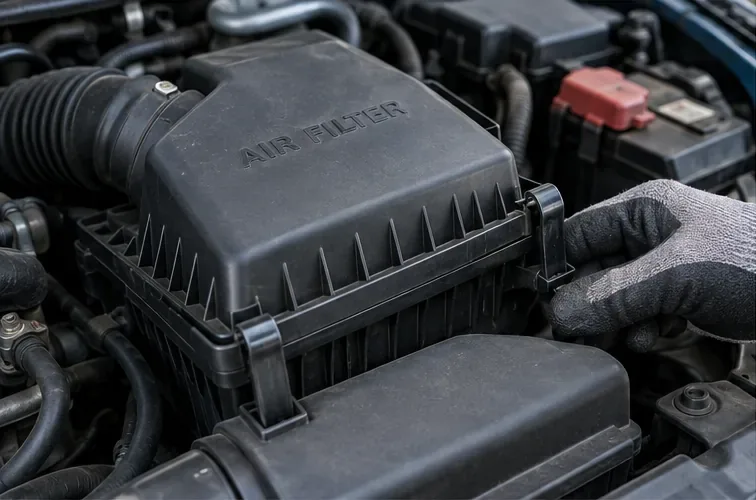
Learn how to clean a car air filter safely, when a paper filter should be replaced instead, and how reusable filters require different care.
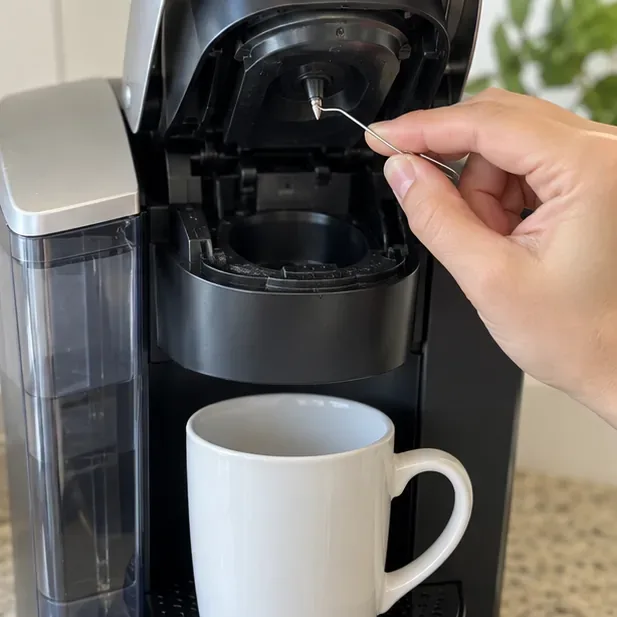
Learn how to clean a Keurig entrance and exit needle safely, clear coffee-ground clogs, rinse the brewer, and know when descaling is the next step.
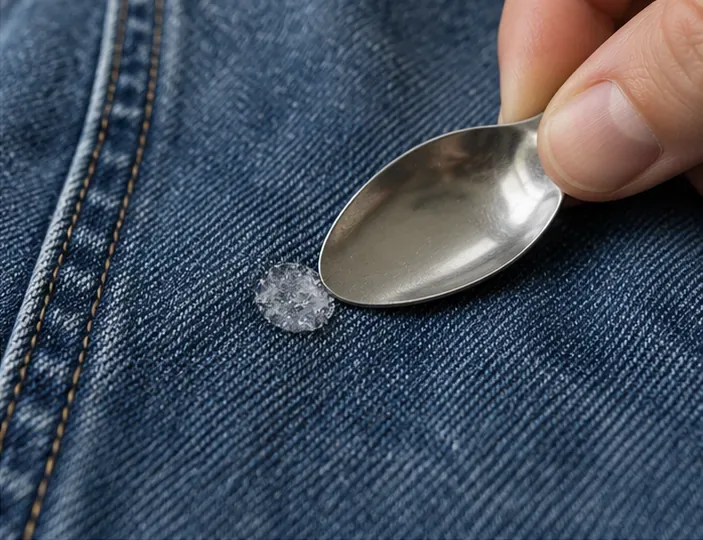
Learn how to remove dried nail glue from clothes safely, when acetone is appropriate, which fabrics need extra care, and when to stop and call a cleaner.
Learn how to clean a metal range hood filter safely, when dishwasher cleaning is okay, and why charcoal filter care depends on your exact model.
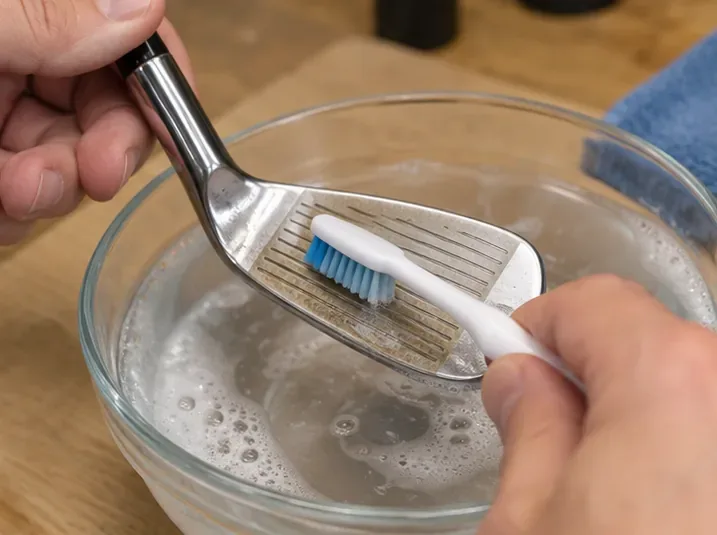
Learn how to remove rust from golf clubs safely, judge the result, protect raw and plated finishes, and know when cleaning should stop.
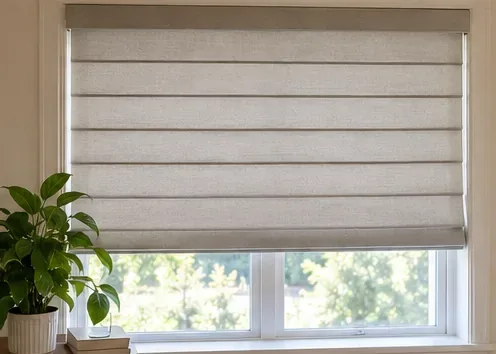
Learn how to clean fabric blinds safely with gentle vacuuming, spot cleaning, rinsing, and drying—plus when water, washing, or DIY deep cleaning can cause damage.
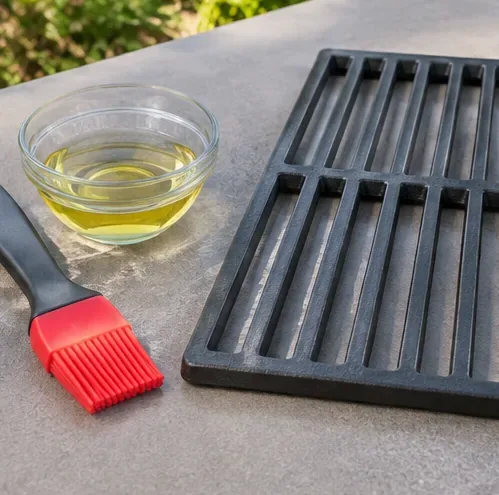
Learn how to season gas grill grates safely, including when cast iron needs seasoning, when porcelain enamel does not, and how to check the result.
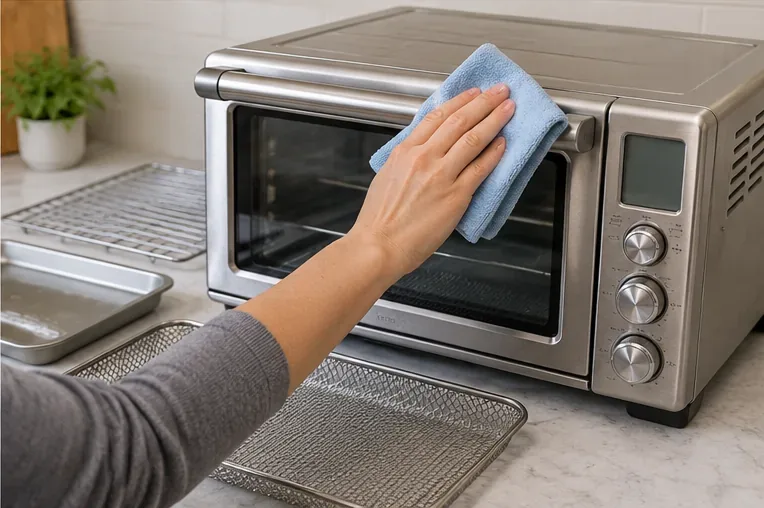
Clean a Breville toaster oven safely with mild soap, soft cloths, and the right sequence. Learn what clean should look like, what to avoid, and when to stop.
Learn how to clean a microwave grease filter, when a dishwasher is appropriate, and why charcoal filters should be replaced instead of washed.