Home
» How To
»
How to Clean Blinds in a Bathtub: Safe Methods by Material
How to Clean Blinds in a Bathtub: Safe Methods by Material
Cleaning blinds in a bathtub can be an efficient way to remove sticky dust and built-up grime, but only when the blind material and operating system are designed to tolerate water. The main trade-off is simple: immersion can clean many slats at once, yet it also exposes cords, rails, finishes, adhesives, and internal mechanisms to moisture. For some blinds, that is acceptable. For others, it can cause permanent damage.
The safest approach is to decide first whether your specific blind is water-immersible. If the care guide does not clearly allow immersion, use the bathtub as a convenient work surface rather than as a soaking tank. That gives you the extra space of the tub while keeping the blind's vulnerable parts out of standing water.
Can You Put Blinds in the Bathtub?
Sometimes. Manufacturer instructions vary by material and even by operating system within the same product family. For example, Hunter Douglas specifically lists bathtub cleaning or water immersion as an option for its Modern Precious Metals aluminum blinds, with exceptions and restrictions for certain collections and headrails. By contrast, LEVOLOR's PREMIER faux wood instructions recommend damp cleaning with a soft cloth or sponge rather than a full soak. Bali states that wood blinds should never be cleaned with water, while removable vinyl vertical vanes may be immersed.
Blind type
Bathtub immersion?
Best practical choice
Main trade-off
Aluminum horizontal blinds
Sometimes, when the manufacturer allows it
Use a short lukewarm soak for compatible models
Fast deep cleaning, but some headrails and operating systems must stay dry
Faux wood blinds
Manufacturer-specific
Damp-wipe in sections unless the exact care guide approves immersion
Slower than soaking, but lower risk to rails, cords, and finishes
Real wood blinds
No
Dust, vacuum, or use the manufacturer-approved wood-care method
Avoids swelling, warping, and finish damage from excess moisture
Vinyl vertical vanes
Often possible after removal; verify the brand
Immerse only the removable vinyl vanes, not the headrail
Easy to wash, but each vane must be removed and reinstalled
Fabric, roller, cellular, or motorized treatments
Do not assume so
Follow the exact product care guide; spot cleaning or professional cleaning may be safer
Care restrictions vary by fabric and operating system, and motorized components require special caution
For a current example of how specific these rules can be, see Hunter Douglas guidance for cleaning metal blinds. Its water-immersion method applies to Modern Precious Metals aluminum blinds except the Natural Elements collection, and it lists operating systems whose headrails must not be immersed.
Bathtub Soaking vs. Damp Wiping: Which Method Fits Your Blinds?
Choose a bathtub soak when your manufacturer's instructions explicitly allow water immersion and you need to clean many slats at once. This method is efficient for a heavily soiled compatible aluminum blind because the bath loosens grime across the entire slat pack at the same time.
Choose damp wiping in the tub when the material tolerates a damp cloth but the care guide does not approve immersion. The bathtub still protects the floor and gives you room to spread out the blind, but you control how much water reaches the slats and can keep the headrail dry.
Choose in-place dusting or spot cleaning when the blind is real wood, delicate fabric, motorized, difficult to remove, or lightly soiled. This is the least aggressive option and usually the best trade-off when the risk of water damage is greater than the benefit of a full wash.
What You Need
A clean bathtub or large basin
Old towels to protect the tub surface and support any rail that must stay dry
Lukewarm water, not hot water
A small amount of mild, non-abrasive detergent if the manufacturer permits it
A soft microfiber cloth or non-abrasive sponge
Dry towels for blotting and draining
Your blind's installation and care instructions
Avoid improvising with strong degreasers, abrasive pads, or very hot water. Hunter Douglas warns against chemical solvents and scrubbing cleansers on its metal blinds, and LEVOLOR's faux wood instructions specify warm or cold water rather than hot water.
How to Clean Blinds in a Bathtub
The following procedure is for blinds whose manufacturer permits either water immersion or wet cleaning. If your care guide only allows damp wiping, use the same setup but do not submerge the blind.
Step 1: Confirm the material, operating system, and removal method
Identify the blind before adding water. Check the label, invoice, installation guide, or manufacturer support page for the exact product family. Pay special attention to the headrail, which houses the lift and tilt mechanism on many horizontal blinds.
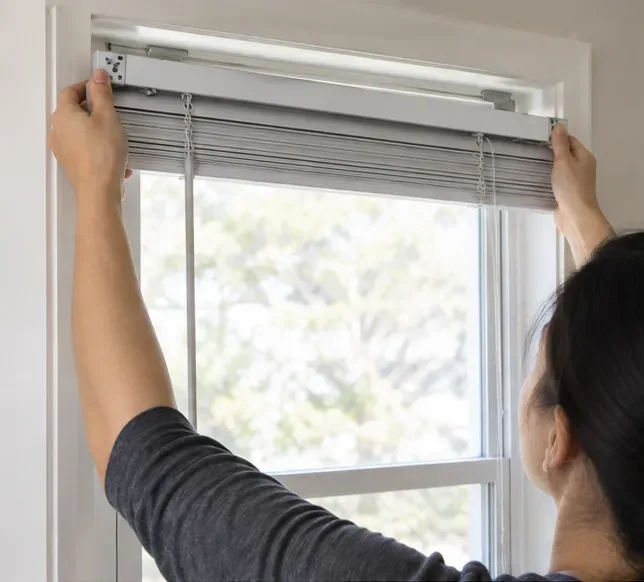
If the product is safe to remove, raise it fully, release it from the mounting brackets according to the installation instructions, and carry it with both hands. LEVOLOR's PREMIER faux wood guide, for example, instructs users to fully raise the blind, release the bracket locking tab, and support the headrail with both hands when removing it.
Remove the blind according to its installation guide and support the headrail with both hands so the slats and mechanisms are not twisted.
Step 2: Prepare the tub with lukewarm water
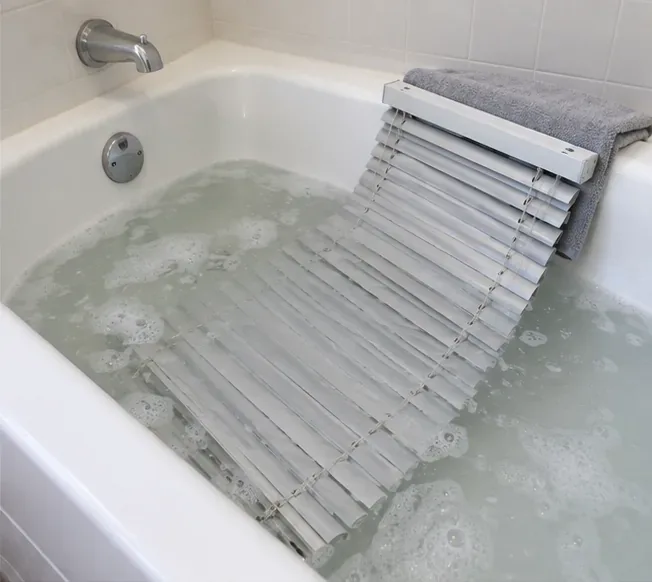
Clean the tub first so grit cannot scratch the slats. Put a towel on the tub edge where a headrail may need to rest. Add only enough lukewarm water to wash the approved parts of the blind, then mix in a small amount of mild detergent if the care instructions allow it.
For a compatible Hunter Douglas aluminum blind, the manufacturer describes lukewarm water with mild detergent. If your operating system is one of the models whose headrail must remain dry, keep that rail completely above the waterline. This is a good example of why a generic "submerge the whole blind" rule is unsafe.
Use the tub as a controlled cleaning area. When the care guide says the headrail must stay dry, support it on a towel above the water.
Step 3: Clean gently instead of scrubbing hard
If full immersion is approved, lower the permitted parts into the water and move the water gently around the slats. Hunter Douglas gives a five-minute wash time for the water-immersion method on its compatible Modern Precious Metals blinds. Treat that timing as product-specific, not a universal rule.
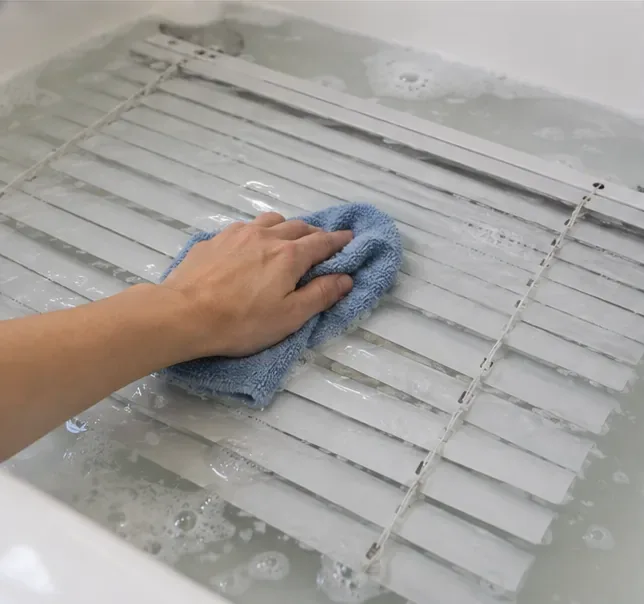
For stuck-on residue, wipe each slat with a microfiber cloth or soft sponge. Support thin aluminum slats as you wipe so they do not crease. Avoid abrasive cleaners and stiff brushes. If the blind is faux wood and its guide only permits damp cleaning, skip the soak and wipe the slats in sections instead. LEVOLOR's PREMIER faux wood care guide recommends a soft cloth or sponge with warm or cold water and section-by-section wiping.
Use light pressure and a soft cloth. Gentle wiping removes loosened grime without bending thin slats or scratching the finish.
Step 4: Rinse, drain, and remove as much surface water as possible
Drain the dirty water, then rinse away detergent with clean lukewarm or cool water if rinsing is allowed for your model. Keep any restricted headrail, motor, battery compartment, or bottom rail out of the rinse water.
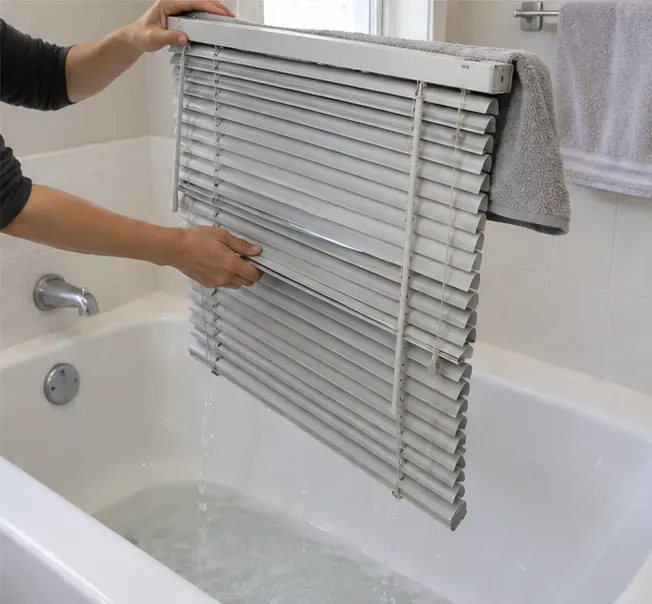
Lift the blind carefully and let water run off into the tub. Do not twist the slat pack. Blot the rails and slats with dry towels. The goal is to remove standing water before you move the blind away from the tub.
Let the blind drain over the tub and blot away surface water before carrying it elsewhere to finish drying.
Step 5: Air-dry completely before reinstalling or operating
Lay or hang the blind in a well-ventilated area in the position recommended by its manufacturer. Do not apply high heat to speed drying. Hunter Douglas' general home-care guidance, updated August 4, 2026, warns that warm or hot air can warp or distort delicate materials. Wait until rails, cords, tapes, and slats are dry before reinstalling and operating the blind.
After reinstalling, raise, lower, and tilt the blind gently. If the movement feels rough or uneven, stop and make sure the blind is seated correctly in its brackets and that no cord or ladder tape became twisted during cleaning.
If Your Blinds Cannot Be Immersed: Use the Tub as a Work Surface
You can still use the bathtub without soaking the blind. Line the tub with clean towels, place the blind flat or support it across the tub, and clean one section at a time with a lightly dampened cloth. Keep the headrail, motorized components, and any fabric tapes as dry as the product instructions require.
This method is particularly useful for faux wood blinds. It takes longer than immersion because each slat must be wiped, but it greatly reduces the amount of water reaching internal hardware. The same principle works for aluminum blinds when you are unsure whether the headrail is immersible: damp wiping gives up some speed in exchange for a wider safety margin.
Material-by-Material Recommendations
Aluminum horizontal blinds
These are the strongest candidates for bathtub cleaning when the manufacturer says immersion is allowed. Hunter Douglas permits the method for certain Modern Precious Metals blinds, but not for every collection and not for every rail or operating system. That makes aluminum a good example of a material that can tolerate water while the mechanism may not.
Faux wood blinds
Faux wood is moisture-resistant compared with real wood, but that does not automatically make the entire blind safe to soak. LEVOLOR's PREMIER instructions call for damp cleaning rather than full immersion. If your brand provides only damp-cleaning instructions, use the tub as a catch basin and wipe the slats instead of soaking the assembly.
Real wood blinds
Do not use the bathtub method. Hunter Douglas advises protecting wood products from high moisture, and Bali's care and cleaning instructions say never to use water on painted or stained wood blinds. Dusting, vacuuming with a soft brush attachment, or a manufacturer-approved wood-care product is the safer choice.
Vinyl vertical blinds
Some are suitable for immersion because the individual vinyl vanes can be detached from the headrail. Bali specifically states that its vinyl vertical vanes may be removed and immersed in water, while fabric vanes should not be immersed. The trade-off is extra handling: you must remove, wash, dry, and reinstall the vanes one by one.
Fabric, roller, cellular, and motorized window treatments
Do not generalize from hard-slat blinds. Cleaning limits vary substantially across fabrics and operating systems, and motorized rails require special caution around moisture. Hunter Douglas' current at-home cleaning guidance repeatedly directs owners to product-specific instructions because cleaning methods vary by fabric and operating system.
Common Mistakes to Avoid
Assuming "faux wood" means fully waterproof. The slats may tolerate moisture while the headrail, cords, tapes, or finish have stricter limits.
Using hot water. When wet cleaning is permitted, follow the specified water temperature; LEVOLOR's cited faux wood guide says warm or cold water, not hot water.
Submerging a motorized or restricted headrail. Check the exact operating system first.
Scrubbing thin aluminum slats aggressively. They can bend or crease even when the finish itself is water-safe.
Reinstalling while still wet. Give the blind enough time to dry fully, especially around rails, cords, and tapes.
Following a generic bathtub-cleaning tip over the manufacturer's care guide. The exact product instructions should always win.
Which Method Should You Choose?
If you have a manufacturer-approved immersible aluminum blind and need a deep clean, the bathtub method offers the best balance of speed and coverage. If you have faux wood blinds, damp wiping in the tub is usually the safer choice unless your exact product documentation explicitly permits immersion. If you have real wood, delicate fabric, or a motorized treatment, skip the soak and use the manufacturer's dry, spot-cleaning, or professional-care method instead.
The key is not whether the bathtub is convenient; it is whether the blind's slats, headrail, tapes, finish, and operating system are all compatible with the amount of water you plan to use. Making that decision first prevents the most expensive cleaning mistake: turning a dirty but functional blind into a clean blind that no longer works.