How to Clean a PS5 Fan Without Taking It Apart: A Safe Beginner Guide
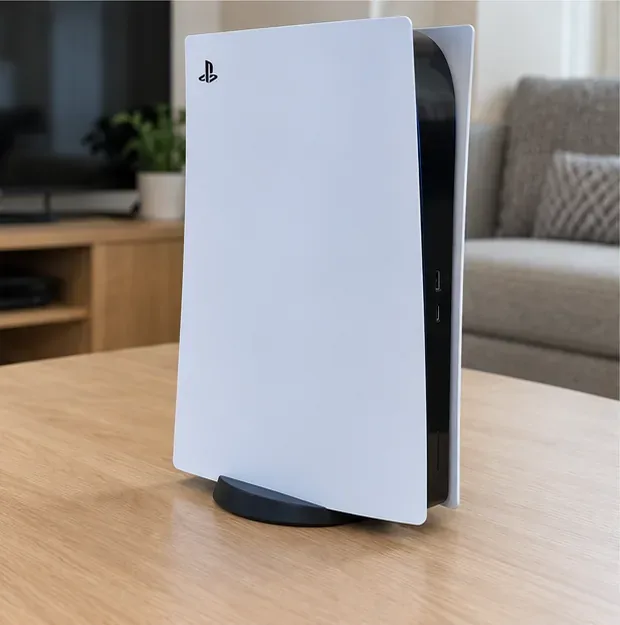
Learn how to clean PS5 vents safely without opening the console, using Sony-recommended low-power vacuuming, dry wiping, and proper airflow.
If your AirPods Max cushions look dingy, feel oily, or have picked up sweat and everyday grime, the safest approach is not to improvise with stronger chemicals. Apple’s current AirPods Max cleaning instructions, published September 13, 2024, give a specific cushion-cleaning method: mix 1 teaspoon (5 mL) of liquid laundry detergent with 1 cup (250 mL) of water, clean with a wrung-out lint-free cloth, wipe again with a separate cloth slightly dampened with fresh water, dry with a soft cloth, and then let the headphones dry flat for at least a day before reattaching the cushions.
That guidance is more important than any “quick hack” because AirPods Max are not waterproof or water resistant, and Apple specifically says not to use disinfecting wipes or alcohol on the ear cushions or knit mesh canopy. The full manufacturer instructions are available in Apple’s AirPods Max cleaning guide.
Three questions matter more than the stain itself:
No. Apple says 70% isopropyl alcohol wipes, 75% ethyl alcohol wipes, or Clorox Disinfecting Wipes may be used gently on the exterior surfaces of AirPods Max, but explicitly says not to use them on the knit mesh canopy or ear cushions. Apple also says not to use products containing bleach or hydrogen peroxide and not to submerge AirPods Max in cleaning agents.
That distinction is easy to miss. The fact that alcohol is allowed on some hard exterior surfaces does not make it a cushion cleaner. For the cushions, stay with Apple’s detergent-and-water method.
Yes. Apple’s procedure starts by removing the cushions from the ear cups. This keeps the cleaning work focused on the removable fabric-and-foam components and reduces the chance of pushing moisture toward openings in the headphones.

You do not need alcohol, bleach, hydrogen peroxide, a brush, a washing machine, or an abrasive cleaner for Apple’s official cushion-cleaning process.
Take both cushions off the ear cups before introducing any cleaning solution. Set the headphones on a clean, dry surface where the exposed ear cups will not come into contact with water or a damp cloth.
Apple warns that AirPods Max and the Smart Case are not waterproof or water resistant, so moisture control is part of the cleaning process—not an optional precaution.
In a clean container, mix 1 teaspoon (5 mL) of liquid laundry detergent into 1 cup (250 mL) of water. There is no benefit to making the solution stronger. More detergent means more residue to remove later and does not change Apple’s recommended method.

Dip a lint-free cloth into the detergent solution and wring it out slightly. The cloth should be damp enough to transfer the solution but not dripping. This is one of the most important practical details: you are cleaning the surface of the cushions, not soaking the foam.

Apple says to rub the cloth gently on the cushions for one minute each. Work around the full fabric surface, including areas that contact your skin. Use steady, light pressure rather than aggressive scrubbing.
If one spot is still slightly discolored after a minute, do not immediately switch to alcohol, bleach, or an abrasive cleaner. Finish the full Apple process first, let the cushion dry, then reassess. Some discoloration may be permanent wear rather than removable dirt.

Take a second lint-free cloth, dampen it slightly with fresh water, and wipe the cushions clean. This removes detergent left on the surface. Do not rinse the cushions under a faucet and do not submerge them in a bowl of water; Apple’s procedure uses a damp cloth rather than immersion.
At this stage, the fabric should no longer feel soapy or slick. If it does, repeat the fresh-water cloth wipe rather than adding more detergent.
Use a dry cloth to remove as much surface moisture as possible. Press and blot rather than twisting, wringing, or compressing the cushions aggressively.
While the cushions are off, keep the exposed ear cups dry. Apple’s general AirPods Max guidance says to avoid getting liquid in openings.

This is the step most likely to be rushed. Apple says to lay AirPods Max flat to dry for at least a day before reattaching the cushions and using the headphones again. Surface dryness is not enough; the cushion foam can retain moisture longer than the outer fabric appears to.
Do not shorten the process with a hair dryer, radiator, clothes dryer, or other heat source. Apple’s guidance is to allow the device to dry before use, not to force-dry it with heat.

After at least a day, check the cushions carefully. They should feel dry on the outer fabric and around the inner opening, with no cool damp feeling or detergent residue. Reattach them only when they are fully dry.


Do not judge success only by whether every faint mark disappeared. A good result is more practical:
If the cushions are clean to the touch but still slightly discolored, further scrubbing may do more harm than good. Fabric can change color with age, skin oils, cosmetics, UV exposure, and wear. Cleaning cannot always restore the original shade.
Apple’s current instructions do not tell you to soak the cushions. Instead, Apple says to dip a lint-free cloth into the detergent solution, wring it out, and rub the cushions with the cloth. That keeps the amount of water under control.
Because the cushions contain fabric and foam, soaking them would also create a much larger drying problem. Sticking to the manufacturer’s damp-cloth process is the more controlled choice.
Apple’s official cleaning procedure does not recommend machine washing. The published process is manual cleaning with a lint-free cloth and diluted liquid laundry detergent. A washer adds uncontrolled agitation and saturation, neither of which is part of Apple’s method.
The same logic applies to a clothes dryer: Apple tells you to lay the headphones flat and let them dry for at least a day. Heat-based drying is not part of the recommended procedure.
First, make sure they are truly dry. A cushion that retains moisture can smell different even after dirt has been removed. Give the full drying period—and longer if the foam still feels cool or damp—before deciding the odor remains.
If the smell persists after correct cleaning and complete drying, repeat only the manufacturer-approved process rather than adding perfume, disinfectant, alcohol, or another chemical. If odor remains severe or the fabric/foam is worn, replacement may be more appropriate than increasingly aggressive cleaning.
Apple lists soaps, shampoos, conditioners, lotions, perfumes, solvents, detergent, acids, insect repellent, sunscreen, oil, and hair dye among substances that can stain or damage AirPods Max. For the device generally, Apple says to wipe affected areas with a cloth slightly dampened with fresh water and dry them with a soft, lint-free cloth, then wait until completely dry before use.
For the removable cushions specifically, use the cushion procedure above rather than trying a stronger stain remover. The official instructions do not provide a separate solvent treatment for makeup or oil stains on the cushions.
Cleaning has limits. Consider replacement rather than repeated scrubbing if you see:
Apple’s service instructions also treat AirPods Max ear cushions as removable items; for example, Apple tells customers to remove the cushions before sending AirPods Max in for service. That reinforces the practical distinction between the replaceable cushion and the headphone hardware.
For AirPods Max cushions, the safest cleaning method is also the simplest: controlled moisture, diluted liquid laundry detergent, gentle wiping, a fresh-water wipe, and patience while the cushions dry. If a stain survives that process but the cushion is clean and intact, accepting a small cosmetic mark is usually a better tradeoff than escalating to a chemical Apple specifically excludes from the cushions.
Learn how to clean PS5 vents safely without opening the console, using Sony-recommended low-power vacuuming, dry wiping, and proper airflow.
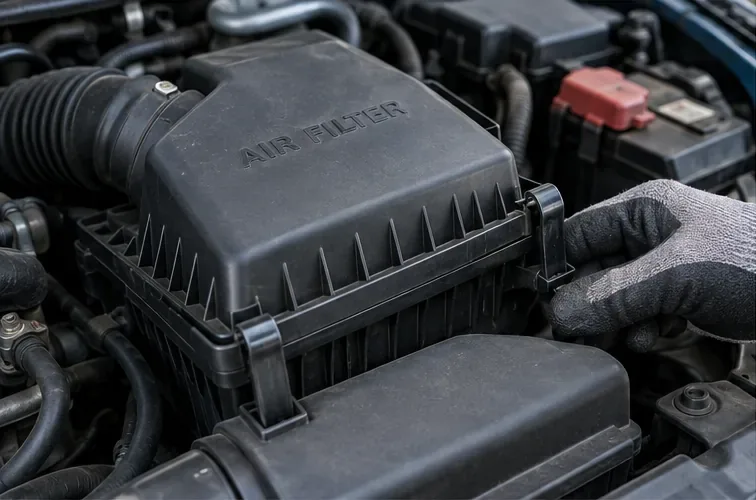
Learn how to clean a car air filter safely, when a paper filter should be replaced instead, and how reusable filters require different care.
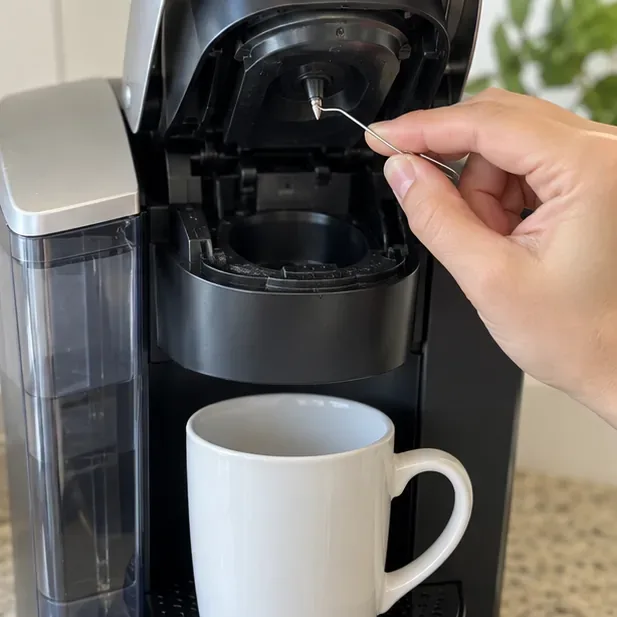
Learn how to clean a Keurig entrance and exit needle safely, clear coffee-ground clogs, rinse the brewer, and know when descaling is the next step.
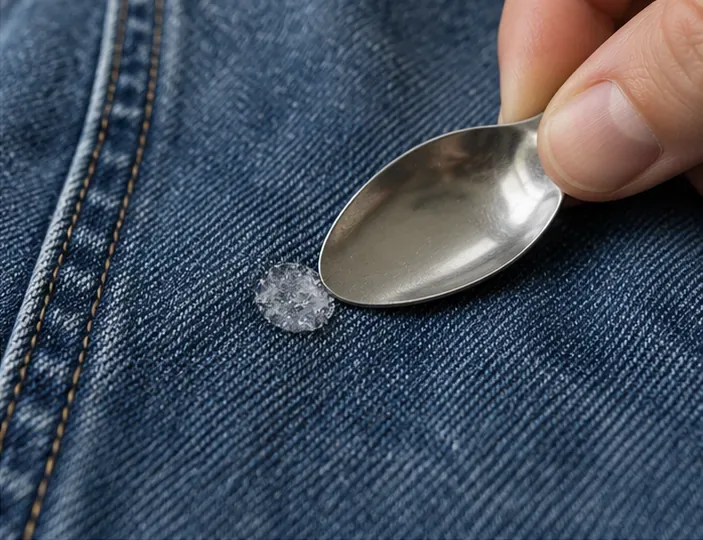
Learn how to remove dried nail glue from clothes safely, when acetone is appropriate, which fabrics need extra care, and when to stop and call a cleaner.
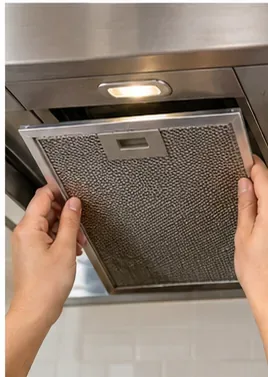
Learn how to clean a metal range hood filter safely, when dishwasher cleaning is okay, and why charcoal filter care depends on your exact model.
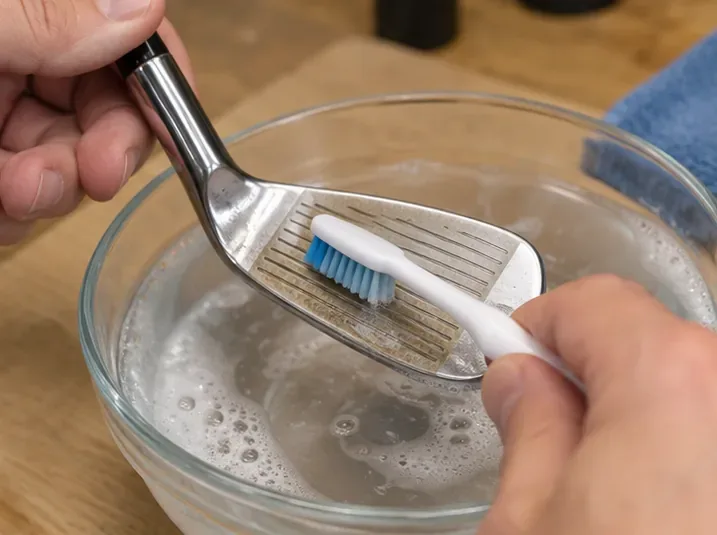
Learn how to remove rust from golf clubs safely, judge the result, protect raw and plated finishes, and know when cleaning should stop.
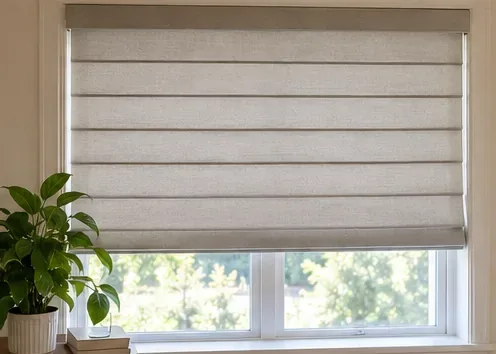
Learn how to clean fabric blinds safely with gentle vacuuming, spot cleaning, rinsing, and drying—plus when water, washing, or DIY deep cleaning can cause damage.
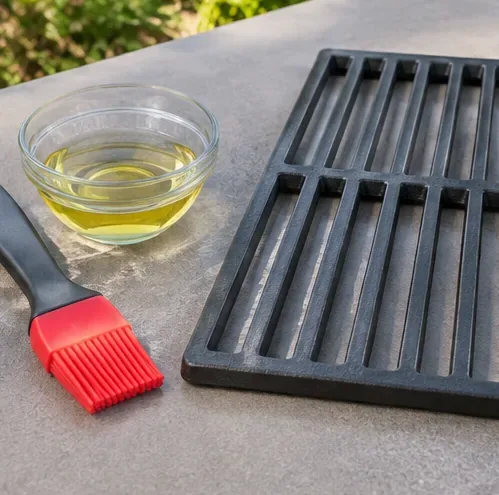
Learn how to season gas grill grates safely, including when cast iron needs seasoning, when porcelain enamel does not, and how to check the result.
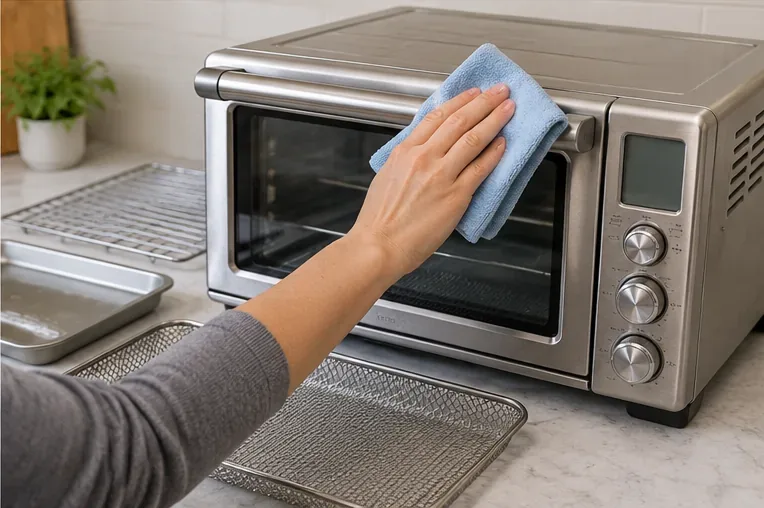
Clean a Breville toaster oven safely with mild soap, soft cloths, and the right sequence. Learn what clean should look like, what to avoid, and when to stop.
Learn how to clean a microwave grease filter, when a dishwasher is appropriate, and why charcoal filters should be replaced instead of washed.