How to Clean a PS5 Fan Without Taking It Apart: A Safe Beginner Guide
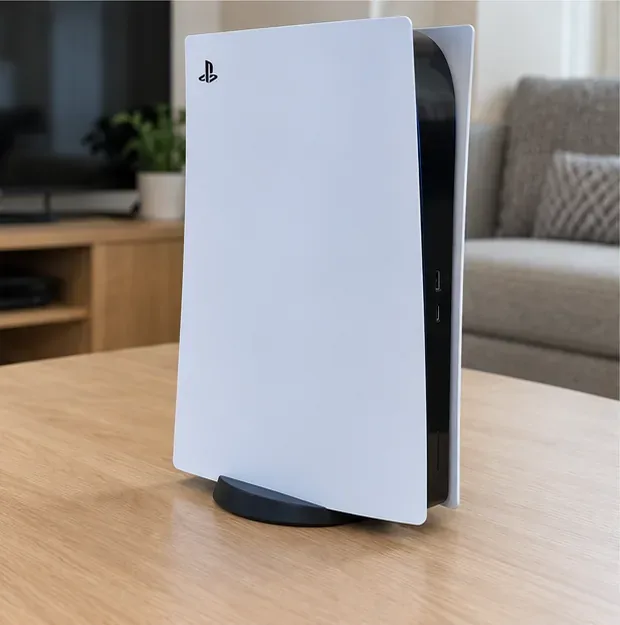
Learn how to clean PS5 vents safely without opening the console, using Sony-recommended low-power vacuuming, dry wiping, and proper airflow.
For a plain, non-electronic retainer case, the safest general method is to hand-wash it, rinse it thoroughly, and let it dry completely before putting a clean retainer back inside. Do not assume the case is dishwasher-safe. Invisalign specifically says its standard aligner cases should be handwashed and may be damaged in a dishwasher, while the American Association of Orthodontists (AAO) warns that an old or dirty retainer case can harbor bacteria and should be replaced when it is cracked, worn, or still smells after cleaning.
This guide is for ordinary plastic retainer or aligner storage cases. If your case contains electronics, a UV-C light, a rechargeable battery, or another powered component, follow that product's own cleaning instructions instead of immersing or washing it like a simple plastic case.
If your case is a standard plastic storage case:
That approach is deliberately simple. A case does not need a complicated chemical routine to be useful. The goal is to remove saliva residue, visible debris, and odor-causing buildup without warping the plastic or leaving cleaner behind.
| Your case | Use this hand-wash method? | What to check first |
|---|---|---|
| Plain plastic vented case | Usually yes | Manufacturer care instructions |
| Magnetic-closure plastic case | Usually yes if the maker says handwash | Do not put it in a dishwasher unless explicitly allowed |
| Case with fabric lining or special finish | Maybe | Follow the case maker's instructions |
| UV-C or electronic sanitizing case | No, not automatically | Use the device-specific care instructions |
| Cracked, warped, or persistently smelly case | Cleaning may not be enough | Consider replacement |
Invisalign's current standard-case product information says the case is made from medical-grade thermoplastic and recommends handwashing rather than dishwasher cleaning. It also describes built-in airflow on some designs, which is useful because a storage case should not remain needlessly wet. See the official Invisalign aligner case care page.

Remove the retainer before cleaning the case. If the retainer itself needs cleaning, handle that separately according to its material and your orthodontist's instructions.
Hold the open case under cool to lukewarm running water. Let the water reach the bottom, lid, hinge line, and any ventilation holes. The purpose of this first rinse is to remove loose material before you start scrubbing.
Avoid very hot water. Retainer-care guidance from the AAO and NHS orthodontic services consistently warns that heat can damage or warp retainer plastics. A storage case is not necessarily made from the same material, but unless its manufacturer explicitly says otherwise, there is no benefit to exposing it to high heat.
Example: if your case has a faint dried saliva film but no cracks or odor, a rinse followed by normal handwashing is appropriate. If the plastic is already warped and the lid no longer closes properly, cleaning will not restore its protective function; replacement is the better choice.

For a plain washable plastic case, use a small amount of mild dish soap with a soft-bristled toothbrush, soft cloth, or similarly nonabrasive cleaning tool. Scrub gently rather than aggressively. The aim is to lift film and debris, not to roughen the plastic.
Why mild soap? The AAO's current retainer-care guidance recommends mild soap for routine oral-appliance cleaning, and Invisalign explicitly says its standard cases should be handwashed. For the case itself, however, the exact cleanser can vary by manufacturer, so the case maker's instructions take priority. If your case documentation specifies water only or a particular product, use that instead.
Focus on places that are easy to miss:
Do not use an abrasive scouring pad. Scratched plastic can become harder to clean and may retain debris in damaged surfaces.
Do not treat those as default retainer-case cleaners. The instructions for cleaning a retainer are not automatically the instructions for cleaning its case. AAO guidance cautions against bleach and alcohol-based products on retainers because they can damage oral-appliance materials. Invisalign's standard case guidance simply recommends handwashing and warns against dishwasher cleaning.
If your case manufacturer explicitly approves a disinfectant or cleaning tablet for the case, follow its concentration and contact time. Otherwise, routine handwashing is the more conservative choice.

Rinse the case under clean running water, opening and closing the lid as needed so water reaches the hinge and corners. Look for remaining suds or a slippery feel. If either is present, keep rinsing.
This step is especially important because the retainer will later sit against the case interior. You do not want a concentrated cleaning residue transferring onto an appliance that goes back into your mouth.
Shake off excess water after rinsing. If the case has narrow vents, turn it in different directions so trapped droplets can drain.
A persistent odor is a reason to reassess the case rather than endlessly adding stronger chemicals. The AAO currently advises replacing a retainer case when it smells even after cleaning. It also lists visible cracks or wear as replacement signs and notes that a case used for a few months may be due for replacement. See the AAO retainer case replacement guidance.
If the odor is actually coming from the retainer rather than the case, clean the retainer using the instructions for that appliance. The AAO's 2025 retainer-care guide explains that plaque, bacteria, and debris can contribute to odor and buildup on retainers themselves. See the AAO guide to cleaning retainers.

Place the case open on a clean, dry towel or drying surface. Let the interior, hinge, and ventilation holes air-dry completely. Do not immediately close a visibly wet case with the retainer inside.
Some Invisalign case designs include airflow behind the hinge specifically to promote ventilation. That does not eliminate the need to keep the case clean, but it illustrates why airflow is useful in a storage container. You can read the manufacturer's description on the Invisalign case product page with ventilated hinge spacing.
Once both the case and retainer are clean according to their separate care instructions, store the retainer in the case. The AAO emphasizes using a sturdy protective case whenever a removable retainer is not being worn because it reduces loss and accidental damage.
There is no single manufacturer-backed interval that applies to every case. A practical schedule is to clean it whenever you see residue, notice odor, spill something into it, or put a visibly dirty retainer inside by mistake. If you use the case several times each day, making case cleaning part of your regular retainer-care routine helps prevent obvious buildup.
Avoid inventing a rigid "sanitize every X days" rule unless your orthodontist or case manufacturer gives you one. Different cases use different plastics, hinges, magnets, linings, or electronics.
The AAO gives three useful replacement triggers:
Also replace a case that no longer closes securely or has warped enough that the retainer can fall out. If a pet has chewed the case or retainer, inspect the retainer carefully and contact your orthodontist if the appliance itself may be damaged.
A rechargeable UV-C case is a different product category from a plain plastic retainer case. For example, Invisalign's current UV Sanitizing Case uses a dry UV-C cycle and explicitly operates without water or chemicals during sanitization. Its compatibility is also limited: the current product page says it is designed for standard Invisalign clear aligners and is not specified for retainers.
That is why this article's sink-washing method should not be applied to an electronic case unless the device's own manual says the relevant parts can be washed. Use the dedicated instructions for the powered product. See the official Invisalign UV Sanitizing Case instructions.
A retainer case is simple to maintain when you separate cleaning from over-disinfecting. For an ordinary plastic case, hand-wash it gently, rinse it well, let it dry open, and replace it when damage or persistent odor makes cleaning ineffective. Keep the retainer itself on its own orthodontist-approved cleaning routine.
If your case is unusual—electronic, UV-C, fabric-lined, or made from a specialty material—the manufacturer's instructions override generic advice. That small distinction is what keeps a basic hygiene task from becoming accidental product damage.
Learn how to clean PS5 vents safely without opening the console, using Sony-recommended low-power vacuuming, dry wiping, and proper airflow.
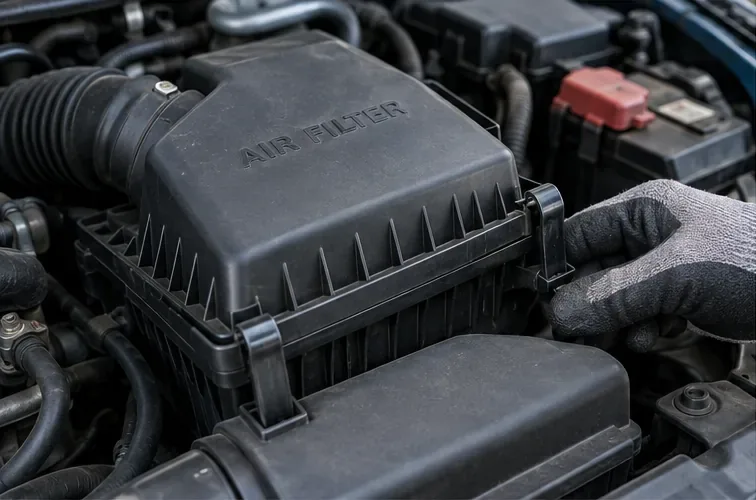
Learn how to clean a car air filter safely, when a paper filter should be replaced instead, and how reusable filters require different care.
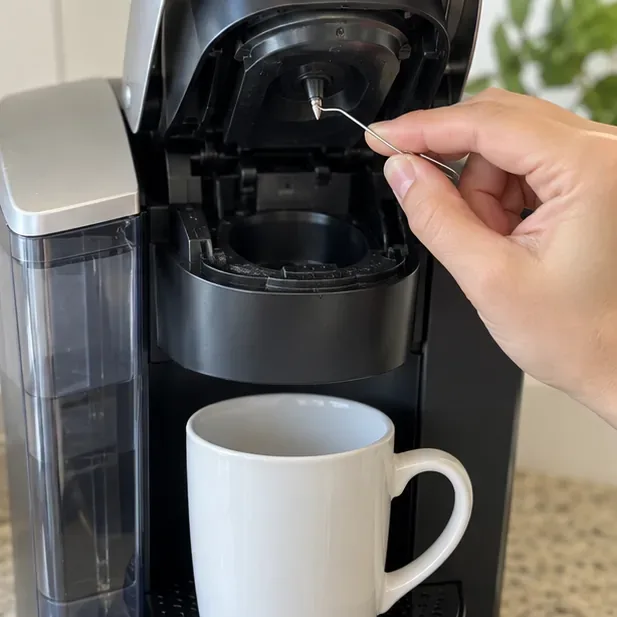
Learn how to clean a Keurig entrance and exit needle safely, clear coffee-ground clogs, rinse the brewer, and know when descaling is the next step.
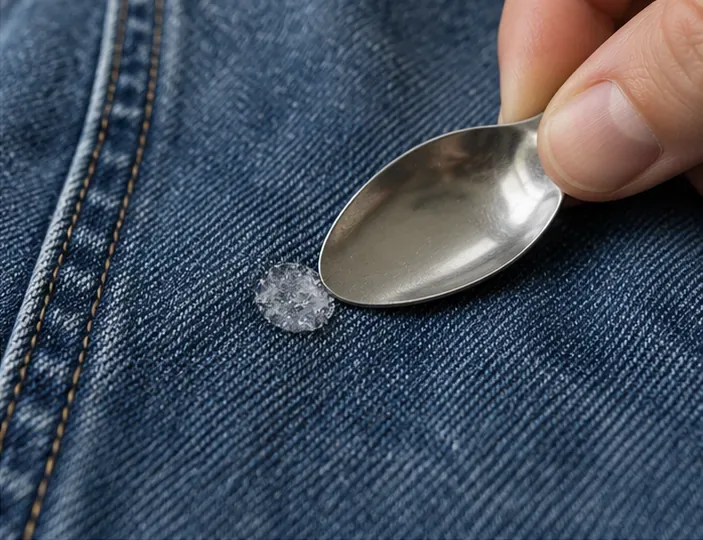
Learn how to remove dried nail glue from clothes safely, when acetone is appropriate, which fabrics need extra care, and when to stop and call a cleaner.
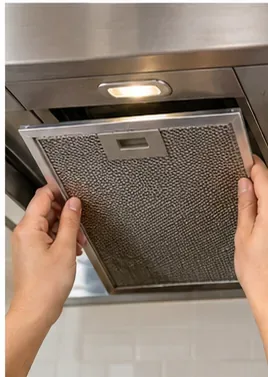
Learn how to clean a metal range hood filter safely, when dishwasher cleaning is okay, and why charcoal filter care depends on your exact model.
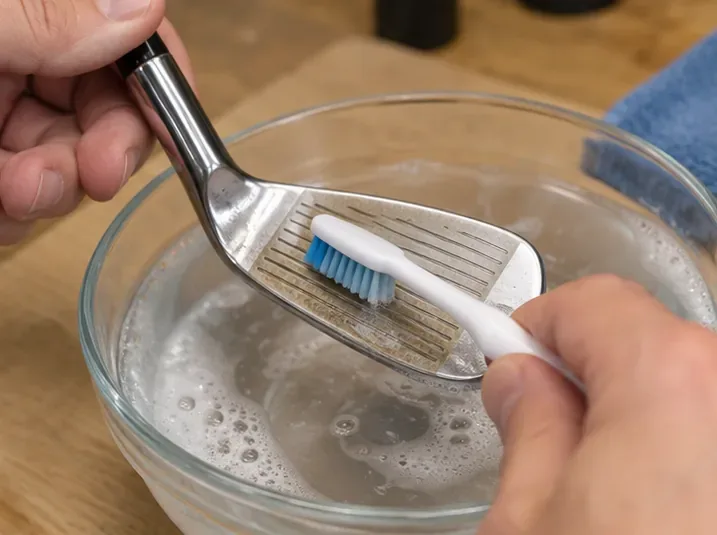
Learn how to remove rust from golf clubs safely, judge the result, protect raw and plated finishes, and know when cleaning should stop.
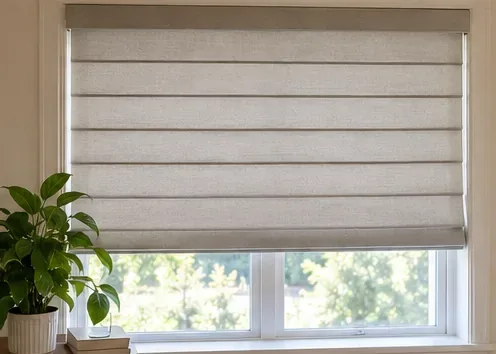
Learn how to clean fabric blinds safely with gentle vacuuming, spot cleaning, rinsing, and drying—plus when water, washing, or DIY deep cleaning can cause damage.
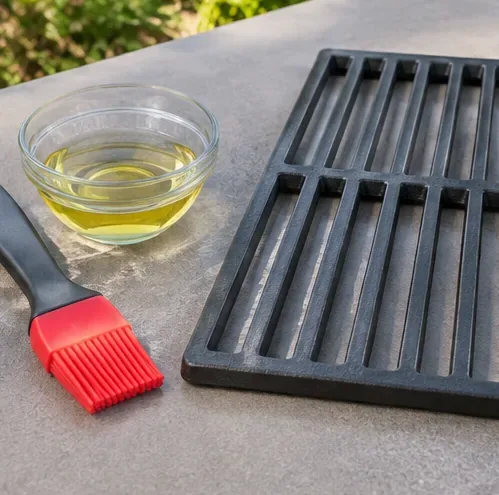
Learn how to season gas grill grates safely, including when cast iron needs seasoning, when porcelain enamel does not, and how to check the result.
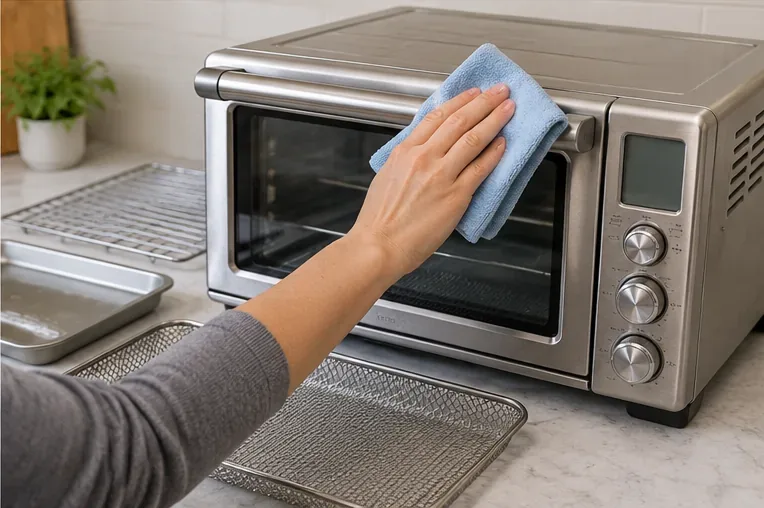
Clean a Breville toaster oven safely with mild soap, soft cloths, and the right sequence. Learn what clean should look like, what to avoid, and when to stop.
Learn how to clean a microwave grease filter, when a dishwasher is appropriate, and why charcoal filters should be replaced instead of washed.