How to Clean a PS5 Fan Without Taking It Apart: A Safe Beginner Guide
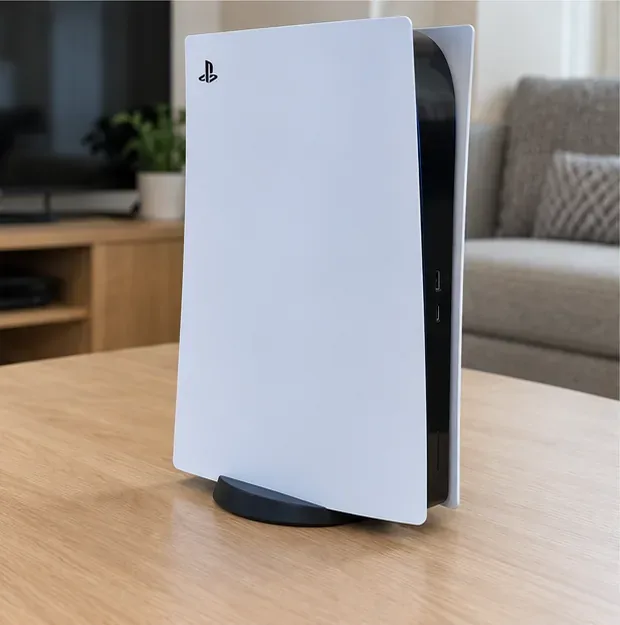
Learn how to clean PS5 vents safely without opening the console, using Sony-recommended low-power vacuuming, dry wiping, and proper airflow.
A good cleaning result for a memory foam mattress topper is not a foam slab that looks freshly washed. It is a topper that is free of loose dust and hair, has no sticky cleaner residue, smells neutral or substantially fresher, and is completely dry before it goes back on the bed. The safest route is usually vacuuming plus careful spot cleaning, not soaking or machine washing the foam.
That approach is consistent with current manufacturer guidance. Tempur-Pedic says its TEMPUR material should never be washed or dry-cleaned and should not become wet, while removable topper covers can be washed according to their care instructions. Tuft & Needle lists its foam topper as “not washable” and recommends spot cleaning when necessary. Zinus likewise advises spot cleaning a topper with mild soap and a clean towel while avoiding drenching the foam. Check the care label on your specific topper before you begin, because cover construction and allowable cleaning methods vary by model.
Manufacturer references used here include Tempur-Pedic Product Care, Tuft & Needle topper care instructions, and Zinus mattress topper support.
| Result to check | Good sign | Change approach if... |
|---|---|---|
| Surface cleanliness | No loose hair, dust, crumbs, or visible residue | You are scrubbing hard enough to roughen or tear the foam |
| Spot-cleaned stain | Stain is gone or meaningfully lighter without a water ring | The spot is getting larger because liquid is spreading |
| Odor | Neutral or substantially reduced after full drying | Musty odor returns once the foam warms up or is covered |
| Moisture | Foam feels completely dry through the cleaned area | The center still feels cool, damp, or heavier than surrounding foam |
| Foam condition | Shape and texture remain intact | Foam is crumbling, tearing, delaminating, or permanently deformed |
The key is to stop when the cleaning itself starts creating a new problem. A faint cosmetic stain is often less harmful than a soaked topper that takes too long to dry.
If the topper has a removable cover, check its sewn-in care label. Tempur-Pedic says the covers on most of its toppers can be removed and washed in cold water with mild to no detergent, with air drying preferred or low-heat tumble drying allowed for the cover. It also says not to use chlorine products or harsh stain removers. Other brands may specify spot cleaning only.
Best action: remove and clean the cover separately only if the label says it is washable. Do not assume the foam core follows the same instructions.

Use an upholstery attachment or another soft vacuum head and move slowly across the entire exposed surface. This removes dust, pet hair, skin flakes, and loose debris that would otherwise turn into muddy residue when dampened. If the topper can be handled safely, vacuum the underside as well.
Do not press a hard floor nozzle deeply into soft foam or use a rotating brush that catches the surface. The goal is debris removal, not compression.

If the problem started with a spill, act while the liquid is still near the surface. Tempur-Pedic recommends using towels or absorbent cloths to soak up excess liquid and pressing down to release moisture rather than rubbing it farther into the foam. Continue with fresh dry sections of towel until very little moisture transfers.
Quality check: the affected area should stop giving up obvious liquid before you add any cleaning solution. If it is still saturated, keep blotting first.
For toppers whose care instructions allow spot cleaning, use a small amount of mild soap diluted in water. Dampen a clean cloth, wring it out thoroughly, and blot the stained area from the outside toward the center. Avoid pouring cleaner directly onto the foam.
Zinus specifically advises spot cleaning with mild soap and a clean towel without drenching the foam. Tuft & Needle similarly instructs owners to spot clean its topper rather than wash it.

Stop and let the area dry if the stain is no longer improving after one or two careful passes, if the wet area is spreading, or if the foam begins to feel unusually soft, gummy, or fragile. More cleaner is not automatically more effective; memory foam holds moisture inside its open-cell structure.
If the remaining mark is cosmetic but the foam is clean, odor-free, and structurally sound, accepting some discoloration is often the better result.
Some manufacturers recommend baking soda as an optional deodorizing step. Zinus says baking soda can be sprinkled on memory foam, left briefly, and vacuumed away; Leesa’s memory foam topper guidance also describes using baking soda or an odor-removal powder for several hours before vacuuming.
This is not a substitute for cleaning a wet spill or fixing a moisture problem. Use a light, even layer only on a dry topper, then vacuum all visible powder away.

If you used a mild cleaning solution, wipe the spot once with a second cloth that has been dampened with plain water and wrung out very well. Then press a clean, dry towel against the area to pull out as much moisture as possible.
Quality check: the surface should not feel slick, sudsy, or sticky. If it does, use another very lightly damp cloth rather than adding more soap.

Air drying is the critical step. Leave the topper uncovered in a well-ventilated room and use a fan to move air across the cleaned area if needed. Tempur-Pedic explicitly recommends air drying wet foam products and says a fan can speed the process.
Avoid high heat unless your specific manufacturer says otherwise. Do not put an ordinary memory foam core in a dryer, and do not trap it under sheets or a protector while it still feels cool or damp. Drying time depends on how much moisture entered the foam, the topper thickness, airflow, room temperature, and humidity, so a fixed “X hours” promise is not reliable.

Press the cleaned area with a dry hand and compare it with an untouched section. It should feel similar in temperature, weight, and resilience. There should be no detergent odor, damp smell, or moisture transfer to a paper towel pressed firmly against the spot.
Once fully dry, replace the clean cover, mattress protector, and bedding. A washable protector is the easiest way to keep future spills from reaching the foam.


Usually, no. Foam toppers are commonly not machine washable. Tempur-Pedic says not to wash or dry-clean its TEMPUR topper core, Tuft & Needle says its foam topper is not washable, and Saatva’s bedding guidance says foam mattress toppers require spot cleaning rather than machine washing.
Action: machine wash only a removable cover when its label specifically permits it. Never infer that “washable cover” means “washable foam.”
Steam introduces both heat and moisture deep into foam, so it should not be treated as a universal memory-foam method. Manufacturer instructions differ, and some explicitly warn against excess moisture or high heat. If your care label does not specifically allow steam, choose vacuuming and low-moisture spot cleaning instead.
Action: do not use a carpet steamer or garment steamer on an unknown memory foam topper just because the fabric surface appears durable.
Large liquid accidents are where home cleaning reaches its limits fastest. Start by blotting as much liquid as possible with absorbent towels, clean the removable cover separately if allowed, and use only the minimum moisture needed to address the surface. Then dry the foam aggressively with airflow—not heat.
If the liquid has soaked deeply through a thick topper, a stain may remain even after the surface looks clean. Odor that persists after complete drying suggests contamination remains inside the porous foam.
Action: if the topper was heavily saturated and cannot be dried thoroughly, replacement may be more reliable than repeatedly adding cleaner.
Memory foam is porous, which makes mold different from an ordinary surface stain. The U.S. Environmental Protection Agency notes that mold can grow into the empty spaces and crevices of porous materials and that moldy porous items may have to be discarded because complete removal can be difficult or impossible. See the current EPA mold-cleanup guidance.
Action: if you see established mold growth or the topper stayed wet long enough to develop a persistent musty smell, do not keep soaking and scrubbing the foam. Consider replacement, and correct the moisture source before putting a new topper on the bed.
Consider replacing the topper when:
Cleaning can remove surface soil and some odors, but it cannot rebuild degraded foam or guarantee removal of contamination buried deep inside porous material.
There is no universal calendar that applies to every topper. A practical maintenance plan is to vacuum when visible dust and hair accumulate, clean spills immediately, spot-clean stains as needed, and wash a removable cover on the schedule allowed by its label. Zinus suggests vacuuming toppers every month or two, while Leesa recommends periodic vacuuming and airing; those are examples, not universal rules.
Action: use the topper’s own care label as the primary schedule, and clean sooner if pets, allergies, heavy sweating, or a spill increase soil load.
The best cleaning method for a memory foam mattress topper is deliberately low-moisture. Vacuum first, blot rather than scrub, use only the cleaner your care instructions allow, and dry completely before use. If you need more and more liquid to chase a stain—or if the foam is moldy, damaged, or still smells after drying—the better outcome may come from stopping the cleaning process rather than pushing it further.
Learn how to clean PS5 vents safely without opening the console, using Sony-recommended low-power vacuuming, dry wiping, and proper airflow.
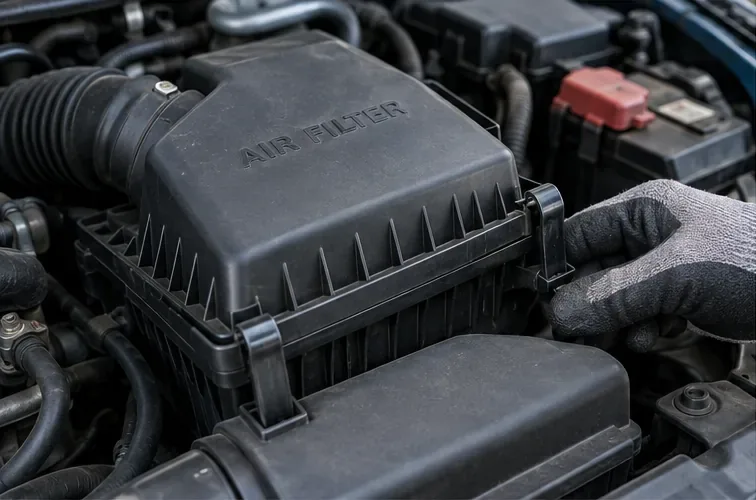
Learn how to clean a car air filter safely, when a paper filter should be replaced instead, and how reusable filters require different care.
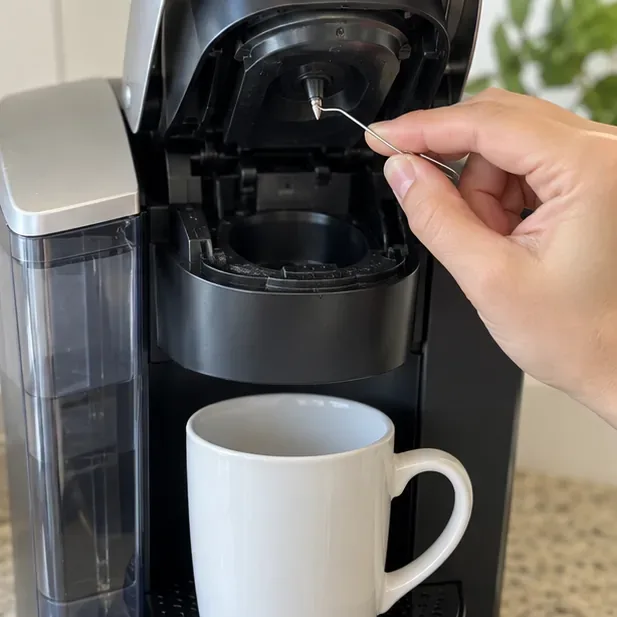
Learn how to clean a Keurig entrance and exit needle safely, clear coffee-ground clogs, rinse the brewer, and know when descaling is the next step.
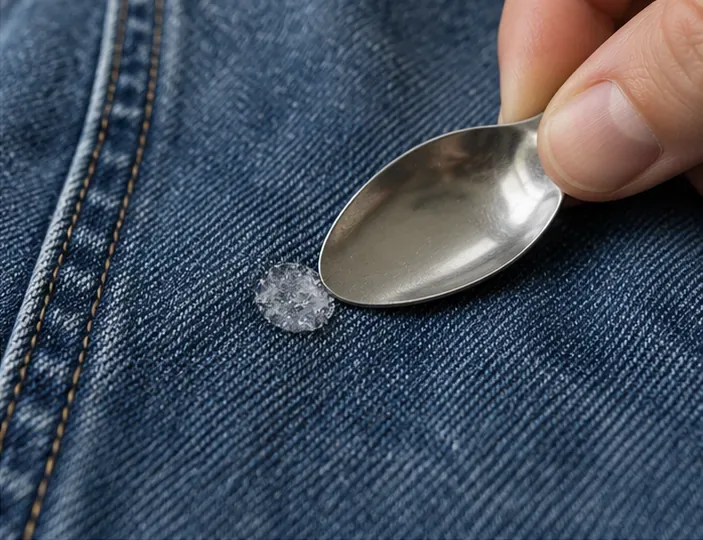
Learn how to remove dried nail glue from clothes safely, when acetone is appropriate, which fabrics need extra care, and when to stop and call a cleaner.
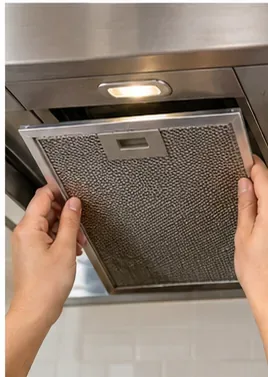
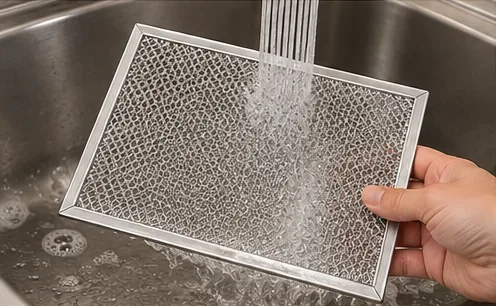
Learn how to clean a metal range hood filter safely, when dishwasher cleaning is okay, and why charcoal filter care depends on your exact model.
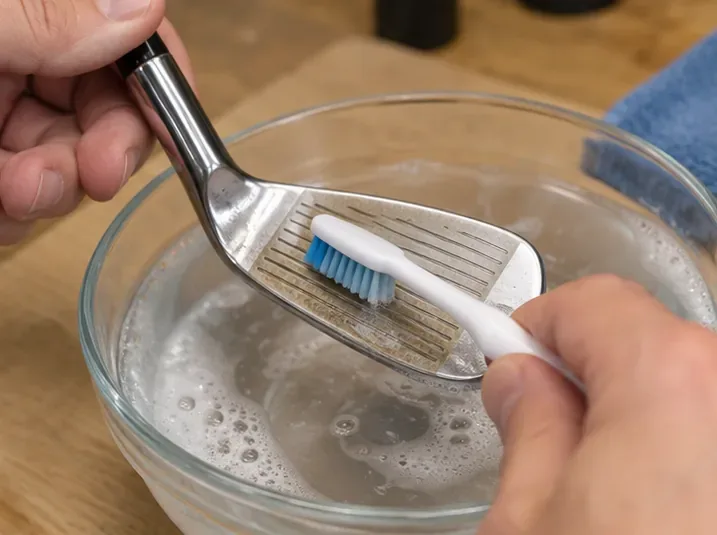
Learn how to remove rust from golf clubs safely, judge the result, protect raw and plated finishes, and know when cleaning should stop.
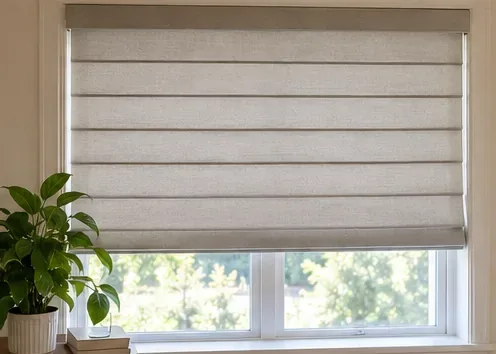
Learn how to clean fabric blinds safely with gentle vacuuming, spot cleaning, rinsing, and drying—plus when water, washing, or DIY deep cleaning can cause damage.
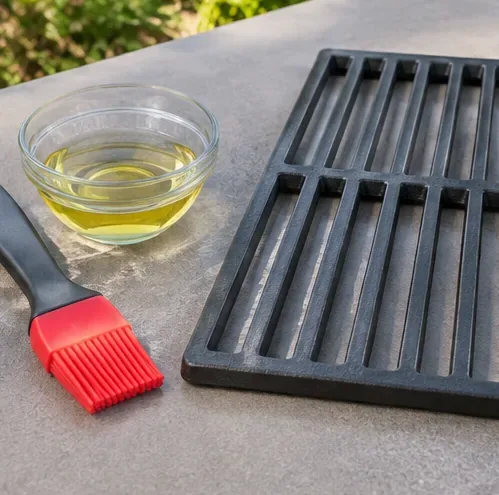
Learn how to season gas grill grates safely, including when cast iron needs seasoning, when porcelain enamel does not, and how to check the result.
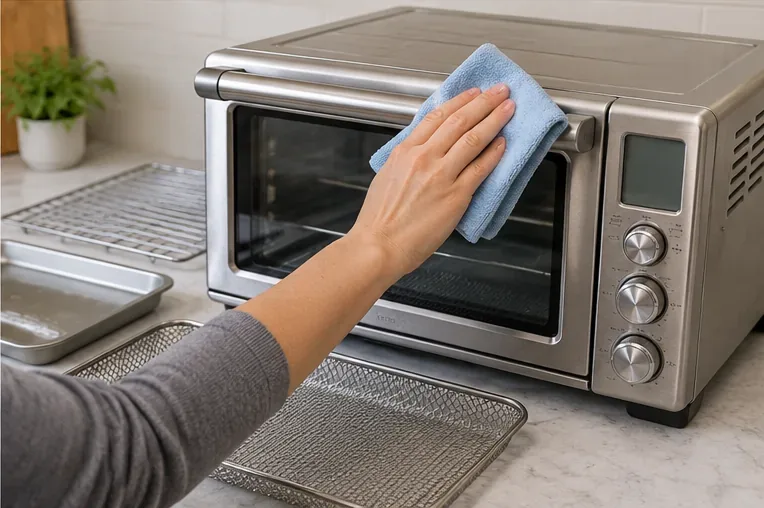
Clean a Breville toaster oven safely with mild soap, soft cloths, and the right sequence. Learn what clean should look like, what to avoid, and when to stop.
Learn how to clean a microwave grease filter, when a dishwasher is appropriate, and why charcoal filters should be replaced instead of washed.