How to Clean a PS5 Fan Without Taking It Apart: A Safe Beginner Guide
Learn how to clean PS5 vents safely without opening the console, using Sony-recommended low-power vacuuming, dry wiping, and proper airflow.
There is no major new care change to flag in lululemon’s current yoga-mat guidance. Checked on September 12, 2026, the company’s product pages still point to the same core routine: wipe the mat after practice, use a damp cloth or a natural cleanser, let it dry completely before rolling it up, and keep it out of direct sunlight. On some current mat pages, lululemon also explicitly says not to wash or bleach the mat.
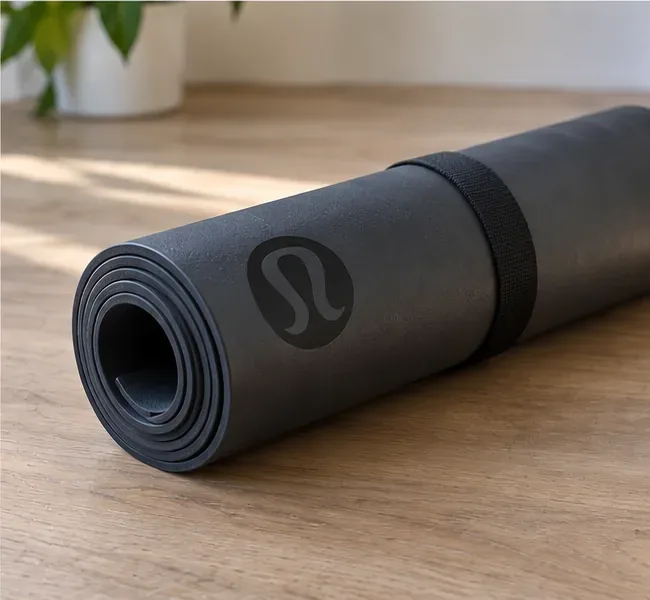
That matters because a lululemon yoga mat is not just a sheet of ordinary foam. Current versions of The Mat, The (Big) Mat, and the lululemon Align™ Yoga Mat use a layered construction that includes natural rubber, synthetic rubber, polyurethane, polyester, and nylon. A cleaning method that works on a cheap PVC mat is not automatically a good choice here.
The practical takeaway is simple: use the least aggressive method that gets the surface clean. This guide explains what to prepare, how to clean the mat step by step, what to do after sweaty sessions, and which popular cleaning shortcuts are not supported by lululemon’s current care instructions.
lululemon’s current care language is consistent across several yoga-mat listings. For example, The Mat 5mm product page says to wipe the mat down after use with a natural cleanser, store it out of direct sunlight, and make sure it is dry before rolling. The lululemon Align™ Yoga Mat 5mm page gives the same basic direction and also says the mat can be wiped clean with a damp cloth.
The The (Big) Mat 5mm page is more explicit: do not wash, do not bleach, lay flat to dry, do not iron, do not dry clean, ensure the mat is dry before rolling, and store it out of direct sunlight. lululemon’s general Product Wash and Care page also directs customers to the exact product page for material-specific care.
One useful nuance: lululemon uses the phrase “natural cleanser,” but the product pages checked do not publish a universal homemade recipe or a required vinegar, alcohol, essential-oil, or soap ratio. That means it is better not to invent a stronger formula and assume it is approved for every mat.
You do not need a scrub brush, abrasive sponge, bleach, a washing machine, or a bathtub full of cleaning solution.
Open the mat fully in a dry, shaded area. Look for obvious dirt, skin oils, sweat marks, makeup, or sticky patches. If there is loose dust or grit, lift it away gently with a dry cloth before you add moisture. This is a conservative preparation step rather than a special lululemon requirement, but it reduces the chance that gritty particles will be rubbed across the surface during cleaning.
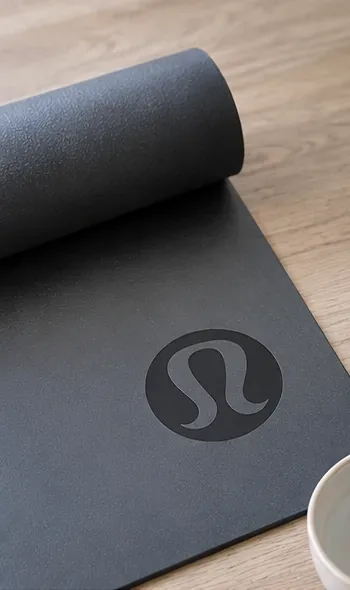
For routine cleaning, start with a soft cloth that is damp rather than dripping wet. lululemon specifically lists a damp cloth as a care method on current mat pages. If your exact product page recommends a natural cleanser and you want more than water, use a cleaner that is compatible with the mat’s materials.
Work in sections using light, even strokes. Avoid soaking the mat or allowing liquid to pool around edges. The goal is to lift sweat and surface grime, not saturate the natural-rubber base or scrub the polyurethane layer.

On reversible lululemon mats, both sides may be used for practice, and the underside can also collect floor dust. If the second side is dirty, wipe it with the same gentle method. Pay extra attention to the head, hand, and foot zones, where oils and perspiration tend to accumulate.
If a mark does not release after a few light passes, resist the temptation to jump immediately to bleach, rubbing alcohol, an abrasive pad, or a concentrated household cleaner. Current lululemon mat-care pages do not approve those as a general cleaning method, while some explicitly prohibit bleach. Instead, repeat the approved wipe-down or check the care instructions for your exact SKU.
Leave the mat open until both the surface and edges are completely dry. Current lululemon care instructions repeatedly say to ensure the mat is dry before rolling it, and they also say to keep it out of direct sunlight. Some product pages specify laying the mat flat to dry.
Do not speed up drying by putting the mat in a clothes dryer or leaving it in strong sun. The manufacturer’s current instructions favor natural drying and shaded storage.
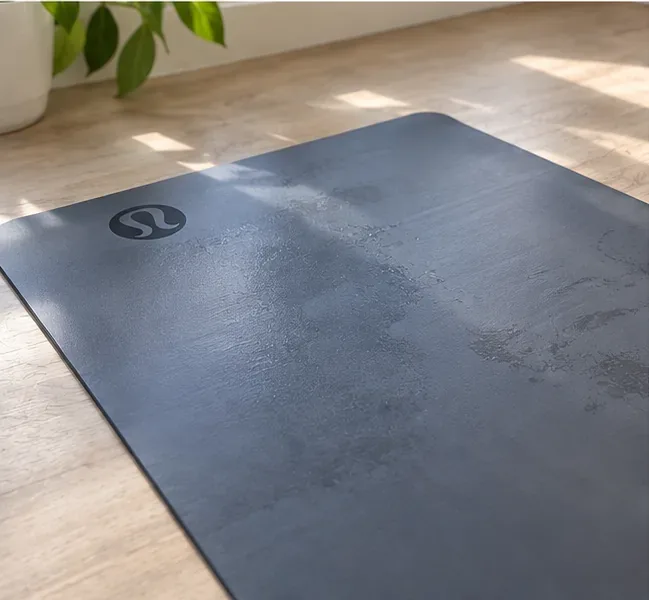
Once the mat is fully dry, roll it for storage. If your exact mat has graphics or a product-specific rolling direction, follow the product page for that version.
| Situation | Best first action | What to avoid |
|---|---|---|
| Normal post-practice sweat | Wipe after practice with a damp cloth or suitable natural cleanser | Rolling the mat while damp |
| Visible dirt or floor dust | Lift loose grit, then wipe gently | Hard scrubbing or abrasive pads |
| Persistent odor | Clean gently, then leave the mat open to air out completely | Masking the smell with unverified essential-oil blends |
| Stubborn spot | Repeat a light wipe and check the exact product’s care instructions | Bleach or an unverified solvent |
| After cleaning | Lay open until fully dry; store away from direct sunlight | Machine drying or rolling damp |
Not as a default method. Current listings for The (Big) Mat 5mm and some The Mat 5mm versions explicitly say “Do Not Wash.” That is stronger than simply recommending a gentle cycle; it points away from soaking, machine washing, and other full-immersion methods.
If you own an older or different lululemon mat, check the exact care label or product support information rather than assuming every generation uses identical materials. If your model has no accessible care page, the safest fallback is the current low-moisture approach: damp cloth, compatible natural cleanser if needed, full drying, and no direct sun.
lululemon’s current mat pages checked for this guide do not provide a universal approval for those products. That does not prove every such ingredient will damage every mat; it means the manufacturer has not established them as the default care method on these pages.
Vinegar strength can vary, alcohol can interact with coatings, essential oils can leave residue, and disinfecting wipes contain different active ingredients depending on the brand. If you need disinfection beyond routine cleaning, verify the exact product with lululemon or the cleaner manufacturer rather than assuming a home recipe is compatible with natural rubber and polyurethane.
First make sure it is completely dry. A damp surface can feel different from the dry grip you expect. If you used a cleanser, wipe once more with a clean, lightly damp cloth to remove possible residue, then let the mat dry again.
If the surface remains unusually slick, sticky, peeling, or discolored after it is clean and dry, stop escalating to stronger chemicals. Those symptoms may reflect wear, contamination, or material change rather than removable dirt. At that point, contact lululemon support with the mat’s model or SKU and describe what you already used on it.
lululemon’s current product guidance says to wipe the mat down after practice, which is the clearest manufacturer-backed cadence. In real use, the amount of wiping can depend on how much you sweat, whether you practice hot yoga, whether the mat touches a studio floor, and whether you share it.
A light wipe after each sweaty practice is usually easier on the mat than allowing layers of body oil and residue to build up and then trying to remove them with aggressive cleaning later.
First, several current mats use an antimicrobial additive intended to help inhibit bacteria and mould. That feature does not make the mat self-cleaning, and lululemon still instructs owners to wipe the mat and dry it before rolling.
Second, current The Mat models contain natural rubber and include a latex warning. If you or someone who uses the mat has a rubber or latex allergy, review the product information before handling the mat.
The safest current answer to “how do I clean a lululemon yoga mat?” is not a complicated deep-clean recipe. Wipe it after practice with a damp cloth or an appropriate natural cleanser, use gentle pressure, clean both sides when needed, let it dry completely, and keep it away from direct sunlight. Do not assume that soaking, machine washing, bleach, alcohol, essential oils, or strong disinfectants are interchangeable with the care method lululemon specifies.
When in doubt, use the exact product page or care label for your mat. That is especially important as lululemon sells multiple mat sizes and versions whose care wording may not be identical.
Learn how to clean PS5 vents safely without opening the console, using Sony-recommended low-power vacuuming, dry wiping, and proper airflow.
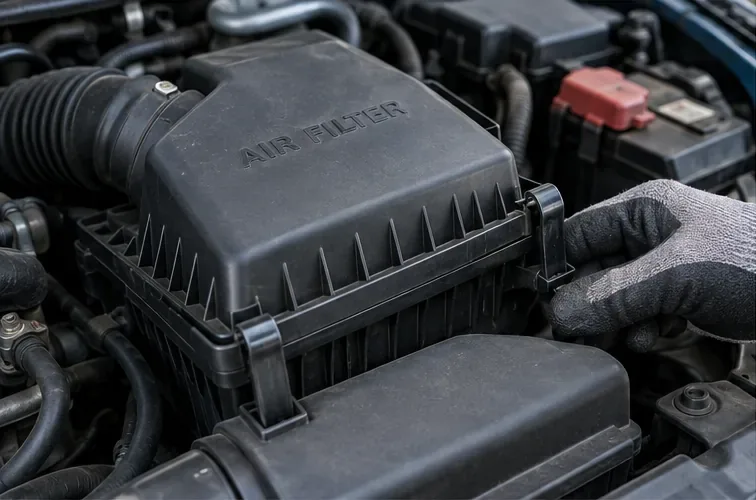
Learn how to clean a car air filter safely, when a paper filter should be replaced instead, and how reusable filters require different care.
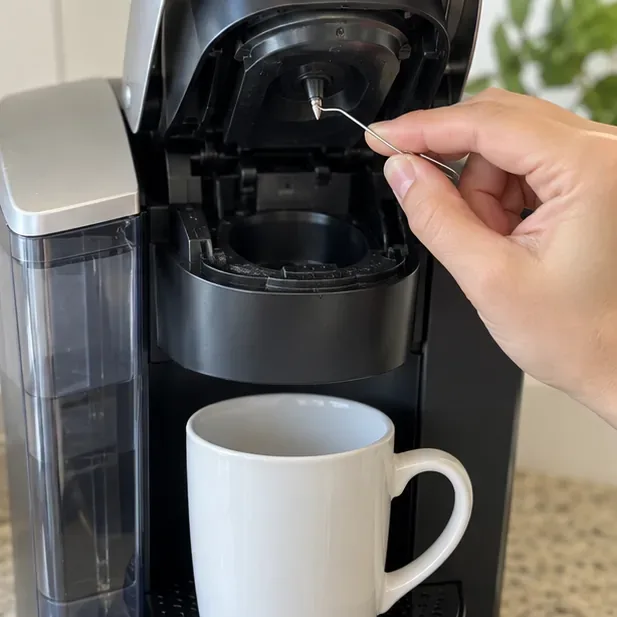
Learn how to clean a Keurig entrance and exit needle safely, clear coffee-ground clogs, rinse the brewer, and know when descaling is the next step.
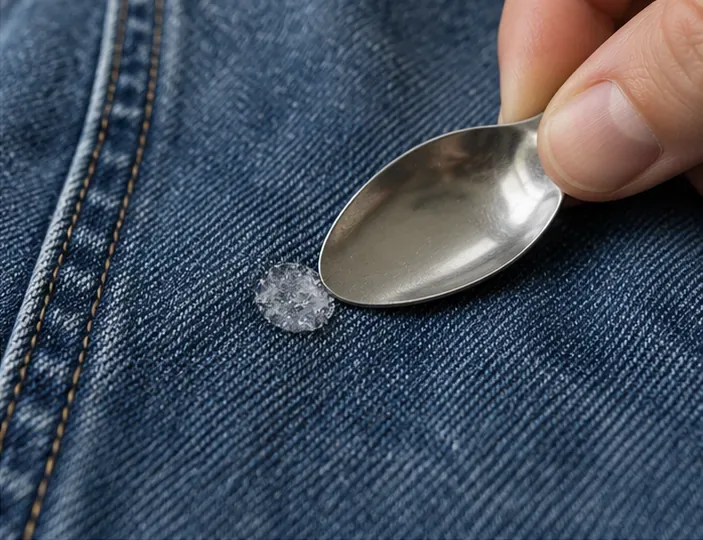
Learn how to remove dried nail glue from clothes safely, when acetone is appropriate, which fabrics need extra care, and when to stop and call a cleaner.
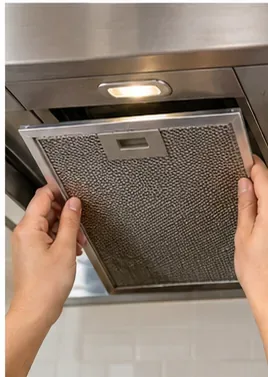
Learn how to clean a metal range hood filter safely, when dishwasher cleaning is okay, and why charcoal filter care depends on your exact model.
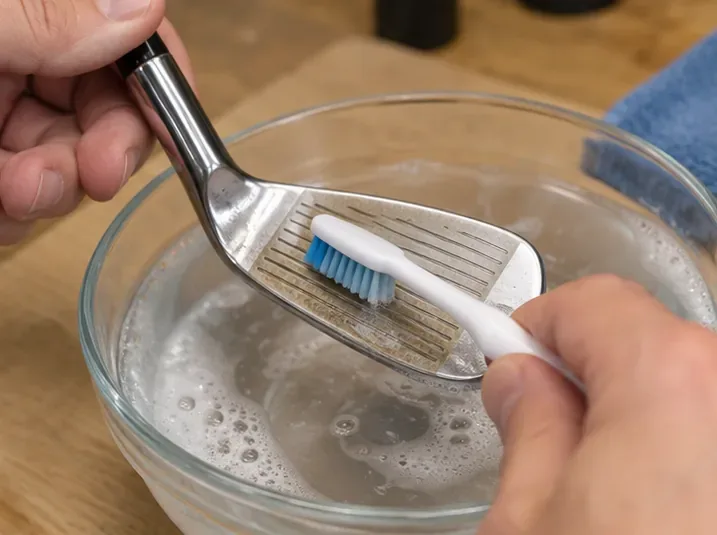
Learn how to remove rust from golf clubs safely, judge the result, protect raw and plated finishes, and know when cleaning should stop.
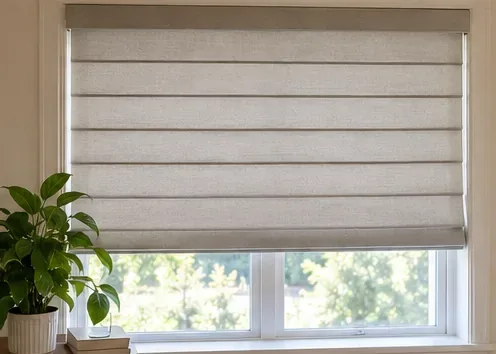
Learn how to clean fabric blinds safely with gentle vacuuming, spot cleaning, rinsing, and drying—plus when water, washing, or DIY deep cleaning can cause damage.
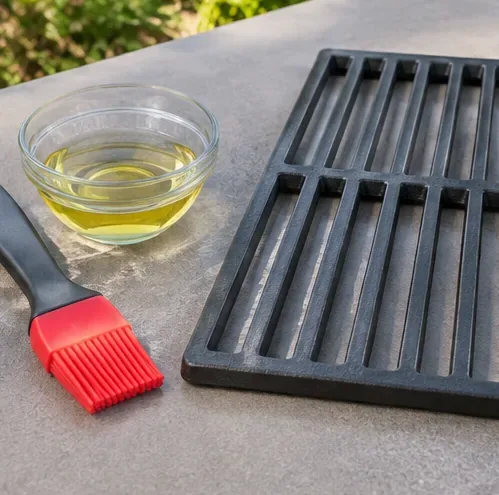
Learn how to season gas grill grates safely, including when cast iron needs seasoning, when porcelain enamel does not, and how to check the result.
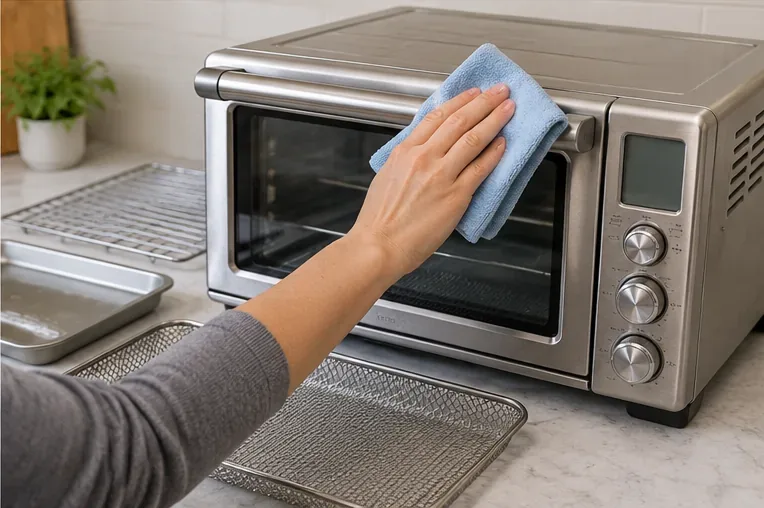
Clean a Breville toaster oven safely with mild soap, soft cloths, and the right sequence. Learn what clean should look like, what to avoid, and when to stop.
Learn how to clean a microwave grease filter, when a dishwasher is appropriate, and why charcoal filters should be replaced instead of washed.