How to Clean a PS5 Fan Without Taking It Apart: A Safe Beginner Guide

Learn how to clean PS5 vents safely without opening the console, using Sony-recommended low-power vacuuming, dry wiping, and proper airflow.
The most important answer is simple: clean the fretboard according to its finish, not just its color or wood name. An unfinished rosewood, ebony, or pau ferro board can often be cleaned and lightly conditioned with a product made for unfinished fingerboards. A finished maple fretboard should not automatically receive oil or conditioner. Fender's current care guidance specifically says not to oil finished fretboards, and D'Addario limits its Hydrate conditioner and lemon-oil product to dark, unfinished woods.
That distinction matters more than any one cleaning product. If you are not sure whether your fretboard is finished, look up the exact model specification or ask the guitar manufacturer before applying an oil, solvent, polish, or abrasive.
| Fretboard type | Good starting point | What to avoid unless the maker specifically approves it |
|---|---|---|
| Unfinished rosewood, ebony, or pau ferro | Dry microfiber cloth first; then a fretboard cleaner/conditioner formulated for unfinished wood if needed | Body polish, wax, household cleaner, excess water, and heavy oil application |
| Finished maple | Soft dry or slightly damp cloth; use only a finish-safe guitar product if the manufacturer permits it | Fretboard oil or conditioner intended to soak into unfinished wood |
| Unknown finish, vintage instrument, unusual wood, or valuable guitar | Dry cleaning only until the finish is identified | Guessing with lemon oil, alcohol, furniture polish, steel wool, or other aggressive treatment |
Fender's Magic Fretboard Oil documentation identifies the product as a cleaner and conditioner for unfinished rosewood, ebony, and pau ferro. D'Addario's Hydrate product guidance similarly says it is for dark, unfinished woods and specifically warns against using it on light-colored maple because it can darken and alter the appearance.
Start with the exact guitar, not a generic rule. A glossy or satin maple fretboard is commonly finished, while rosewood and ebony boards are often left unfinished, but those are tendencies rather than a universal identification system. Manufacturer specifications win.
Example: if you own a Fender with a finished maple fingerboard, Fender's owner guidance says the finish means oil is not needed. If you own a Taylor with its typical unfinished ebony fingerboard, Taylor treats the fingerboard as raw unfinished wood and recommends cleaning and, when dry, conditioning it.
Use this method if: you can verify the material and finish. Stop and verify first if: you have a vintage guitar, a refinished neck, a custom instrument, or a fretboard whose coating is uncertain.
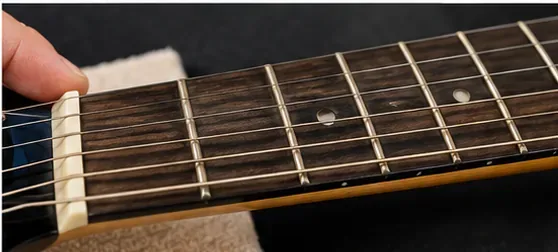
A quick maintenance wipe can be done with the strings installed, but a full cleaning is easiest during a string change. Martin recommends using a fresh soft cloth on the fingerboard and frets when the strings are off. Fender likewise recommends regularly wiping strings, neck, and bridge with a lint-free cloth.
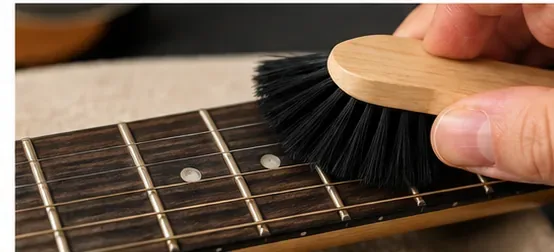
First remove loose dust and dry debris. A soft brush or clean microfiber cloth lets you clear material around fret edges before introducing any cleaner. This is the lowest-risk step and may be all that a lightly used fretboard needs.
If you are cleaning an acoustic guitar and later follow Taylor's steel-wool method, Taylor says to mask the soundhole so debris cannot fall inside. For an electric guitar with magnetic pickups, metal fibers are an additional practical concern, so do not treat steel wool as a universal requirement. A cloth and manufacturer-approved fret-cleaning system are safer general-purpose choices.
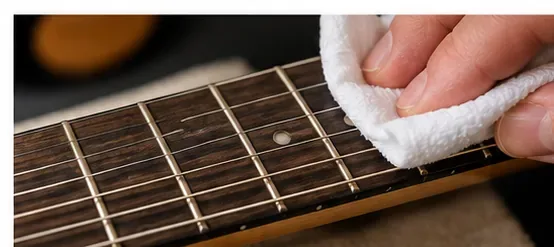
For routine grime, wipe the fretboard with a clean cloth. If the guitar manufacturer allows a slightly damp cloth for the relevant surface, use very little moisture and follow promptly with a dry cloth. Do not soak the fretboard or flood liquid around fret slots, binding, the nut, or the neck joint.
For unfinished Taylor fingerboards, Taylor's current maintenance instructions recommend 0000 extra-fine steel wool to clean the fingerboard and frets, followed by conditioner only if the wood looks dry. Martin's guitar care guidance also describes light use of minimally abrasive steel wool on its unfinished fingerboards.
Those recommendations are manufacturer-specific examples, not proof that steel wool belongs on every fretboard. If your guitar has a coated board, delicate inlays, a nonstandard finish, or nearby magnetic hardware, use a method approved for that instrument instead.

Cleaning and conditioning are not the same job. A fretboard can be dirty without being dry, and it can be dry without needing aggressive cleaning. On an unfinished board that looks dry, apply a small amount of a product the guitar or product manufacturer approves for that wood, then wipe away the excess.
Taylor's fretboard conditioner is described as suitable for unfinished wood fingerboards, and Taylor staff guidance says conditioning frequency depends on use and environment rather than a rigid calendar. Martin says its unfinished fingerboard and bridge may be conditioned roughly once or twice a year depending on humidity. D'Addario's January 2026 fretboard care guide emphasizes regular care for unfinished boards and also separates conditioning from humidity control.
There is therefore no useful universal rule such as “oil every month.” Climate, playing time, wood, storage humidity, and the conditioner formula all matter.
Finished maple is the important exception. Fender's owner guidance says oil should not be applied to finished fretboards, and D'Addario says its lemon oil and Hydrate products should not be used on light-colored maple. Use a finish-safe cleaning method instead.
After cleaning or conditioning, leave no visible puddles or oily film. Wipe the board with a clean cloth until the surface feels clean rather than greasy. Restring the instrument only after the fretboard is dry and excess product has been removed.
The easiest cleaning job is the one you prevent. Martin recommends wiping the guitar after playing, while Fender advises wiping strings, neck, and bridge regularly. Clean hands before playing, wipe sweat and skin oil off afterward, and use string changes as a convenient point to inspect the full fretboard.
Only when the specific product and the fretboard are compatible. “Lemon oil” is not one standardized guitar-care formula. D'Addario sells a lemon-oil product specifically for dark unfinished woods, while Fender's current Magic Fretboard Oil intentionally contains no lemon-oil extract and says lemon-oil extracts can dry the board or affect adhesive materials. Martin's FAQ says Martin does not recommend lemon oil on its fingerboards because of concerns about finish and metal corrosion.
These manufacturer positions are not identical, which is exactly why “lemon oil is always safe” and “lemon oil is always harmful” are both poor universal rules. The actionable rule is narrower: use only a product whose maker says it is appropriate for your specific type of fretboard, and follow the guitar manufacturer's care instructions when they are more restrictive.
Do not assume they are safe. Fender warns against glass cleaner, ammonia, abrasives, and silicone-containing products on finished guitar surfaces. Taylor says not to use polish or wax cleaners on its raw fingerboards. Martin's care material also cautions against various solvents and silicone products on guitar finishes.
If all you have is a household cleaner, the better move is to wait. A clean microfiber cloth costs less than repairing clouded lacquer, stained maple, damaged binding, or a softened finish.
Alcohol is not a general-purpose fretboard recommendation. Some guitar-care products may contain alcohol, and some repair technicians use solvents for narrowly defined tasks, but Martin's care guide warns that alcohol can harm guitar finish. Because liquid can migrate from the fretboard to binding, neck finish, inlays, or nearby surfaces, do not make isopropyl alcohol the default cleaner unless the manufacturer of your exact instrument or a qualified repair professional specifically recommends it for that task.
For most players, the practical answer is: wipe lightly after playing when needed and do the deeper clean during a string change when grime has accumulated. Conditioning is less frequent and should respond to the state of an unfinished board rather than happen automatically every time you clean it.
For example, a frequently played guitar in a warm, humid environment may accumulate finger grime quickly while the wood itself does not need additional oil. A lightly played guitar in a dry environment may stay visually clean yet require attention to humidity. Cleaning products are not substitutes for correct environmental humidity.
Cleaning is not the right fix for every fretboard problem. Get professional help if you find loose or lifting frets, cracks in the fingerboard, severe fret corrosion, finish flaking, binding separation, deep staining you cannot identify, or sharp fret ends associated with very dry conditions. The same applies to valuable vintage instruments where original finish preservation matters more than making the board look uniformly new.
The safest general method is deliberately conservative: identify the finish, remove the strings for a full clean, start with a dry cloth or soft brush, use only a compatible cleaner when necessary, condition unfinished wood only when appropriate, and remove all excess before restringing. That approach works because it adjusts to the guitar in front of you instead of forcing every fretboard into the same cleaning routine.
Learn how to clean PS5 vents safely without opening the console, using Sony-recommended low-power vacuuming, dry wiping, and proper airflow.
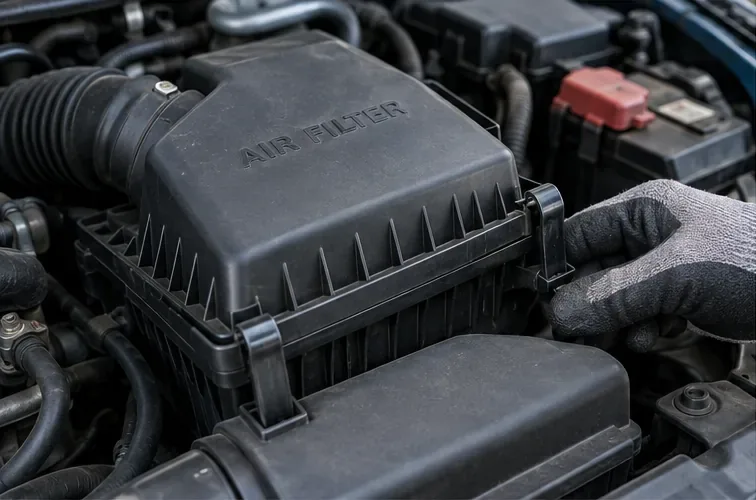
Learn how to clean a car air filter safely, when a paper filter should be replaced instead, and how reusable filters require different care.
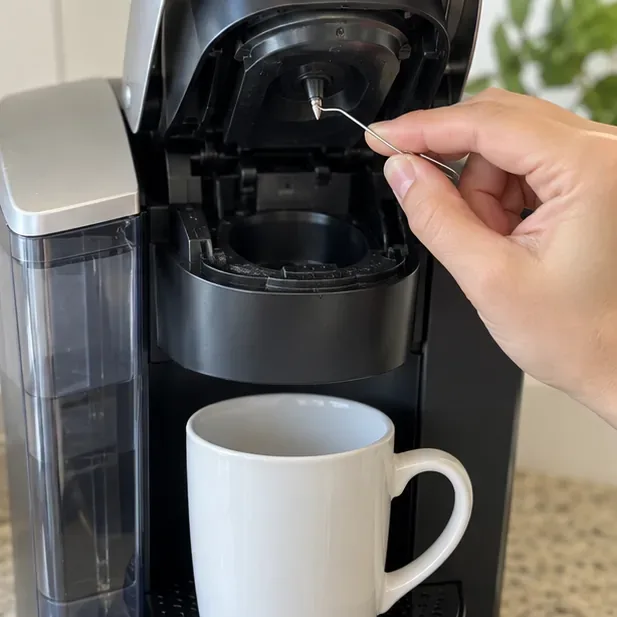
Learn how to clean a Keurig entrance and exit needle safely, clear coffee-ground clogs, rinse the brewer, and know when descaling is the next step.
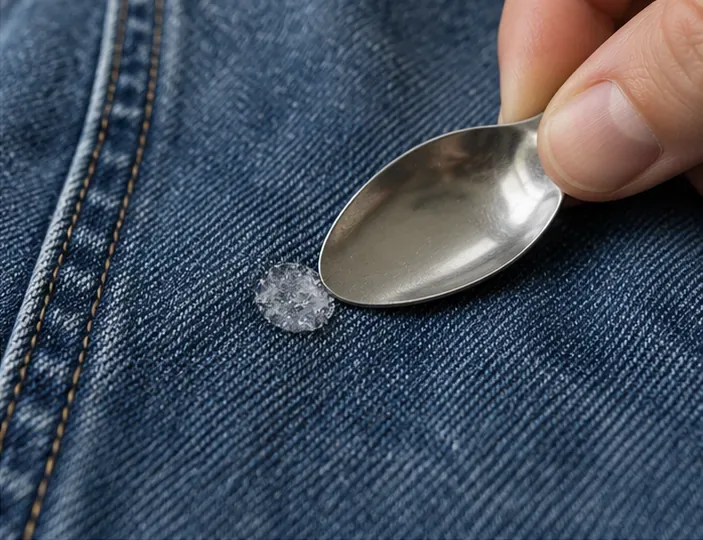
Learn how to remove dried nail glue from clothes safely, when acetone is appropriate, which fabrics need extra care, and when to stop and call a cleaner.
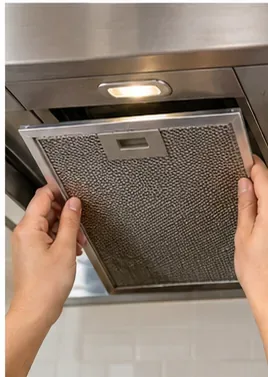
Learn how to clean a metal range hood filter safely, when dishwasher cleaning is okay, and why charcoal filter care depends on your exact model.
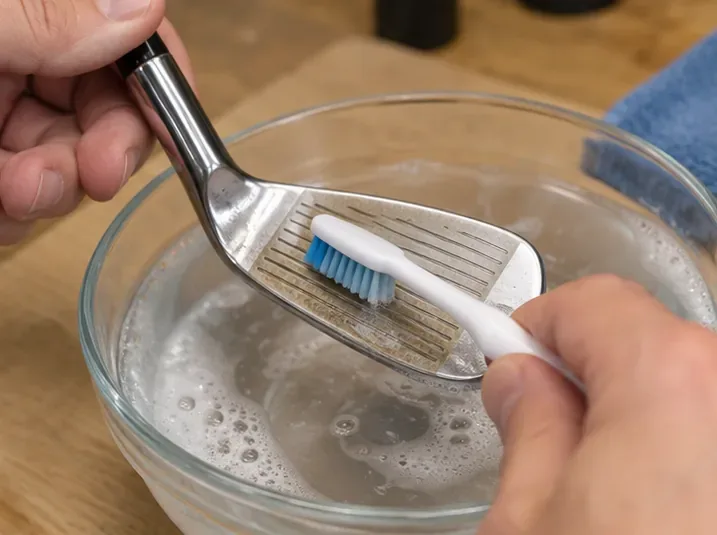
Learn how to remove rust from golf clubs safely, judge the result, protect raw and plated finishes, and know when cleaning should stop.
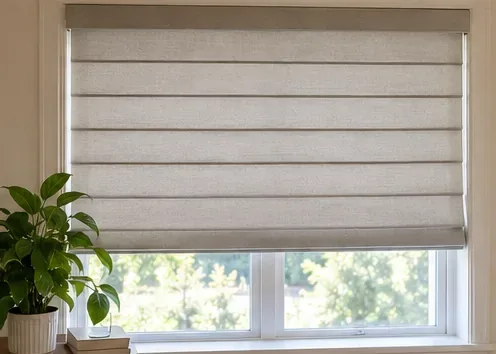
Learn how to clean fabric blinds safely with gentle vacuuming, spot cleaning, rinsing, and drying—plus when water, washing, or DIY deep cleaning can cause damage.
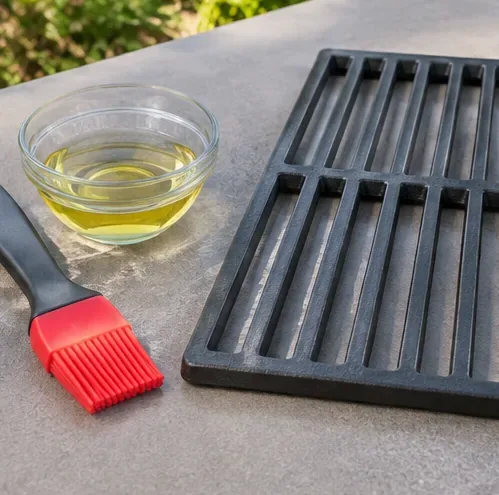
Learn how to season gas grill grates safely, including when cast iron needs seasoning, when porcelain enamel does not, and how to check the result.
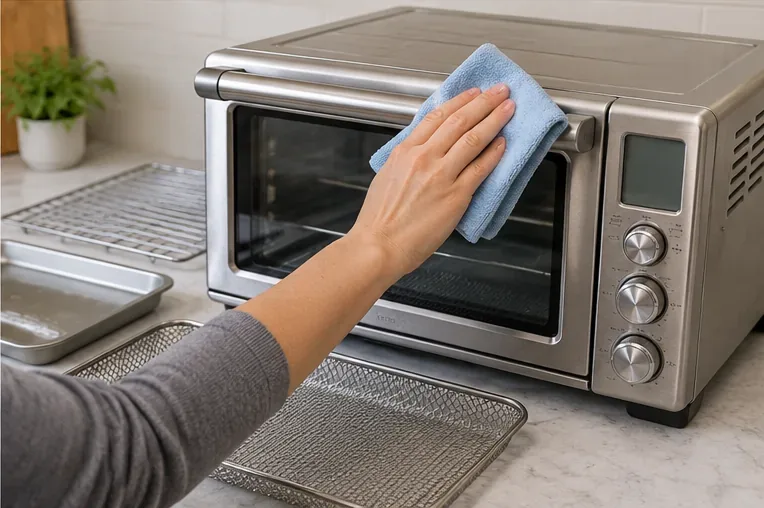
Clean a Breville toaster oven safely with mild soap, soft cloths, and the right sequence. Learn what clean should look like, what to avoid, and when to stop.
Learn how to clean a microwave grease filter, when a dishwasher is appropriate, and why charcoal filters should be replaced instead of washed.