How to Clean a PS5 Fan Without Taking It Apart: A Safe Beginner Guide

Learn how to clean PS5 vents safely without opening the console, using Sony-recommended low-power vacuuming, dry wiping, and proper airflow.
Cleaning grill grates with a halved onion is a practical, low-tech method for loosening light food residue before cooking. It is especially appealing if you want a soft, non-metallic scrubbing surface. But it helps to be precise about what the onion is doing: it can act as a moist scrubber on a hot grate, while the heat does much of the work of loosening and carbonizing stuck-on food.
I did not find current guidance from major grill manufacturers or public-health agencies that treats raw onion as a sanitizer, disinfectant, rust remover, or substitute for deep cleaning. Weber's current grill-care guidance instead emphasizes preheating before grate cleaning because heat carbonizes stuck-on food, and it recommends a full deep clean periodically. CDC guidance on grill-brush injuries also advises inspecting cooking surfaces for loose wire bristles or considering alternative cleaning methods. Those limits matter: the onion method is best viewed as light grate maintenance, not a complete grill-cleaning system.
Useful official references include Weber's deep-cleaning guidance, Char-Broil's grate-cleaning guide, and the CDC report on injuries from loose wire grill-brush bristles.
| Situation | Use an onion? | Better next action |
|---|---|---|
| Light food film or soft carbon on otherwise sound grates | Yes, as a pre-cook wipe | Preheat first, then scrub with the cut onion |
| Porcelain-coated grate with no chips | Usually a gentle option | Avoid tools the grill maker says can scratch the coating |
| Stainless-steel grate with ordinary residue | Reasonable for light maintenance | Use the manufacturer's deeper-clean method if buildup remains |
| Heavy grease below the grates or in the cook box | No | Cool the grill and deep-clean the grease-management areas |
| Rust, flaking coating, burn-through, or broken grate | No | Clean, restore, or replace according to the grill manual |
| Loose wire-brush bristles may be present | Onion does not solve that risk | Inspect the grate carefully before placing food on it |
Any common cooking onion can serve as the scrubber. A large yellow or white onion is convenient because one half gives you a broad flat surface. The specific variety is much less important than freshness, size, and a secure grip.

Start with the manufacturer's normal grate-cleaning heat procedure. Weber currently recommends preheating on high for about 15 minutes before cleaning cooking grates because heat helps carbonize stuck-on food. Some other manufacturers use different temperatures or prefer cool-grate nylon cleaning for certain grate materials, so your manual remains the final authority.
For a gas grill, a practical safety approach is to preheat as directed, then turn the burners off before bringing your hand and tongs over the grate. The metal stays hot enough for a short cleaning pass without active burner flames directly below your working area. For charcoal, wait until open flames have settled and use long tongs so your hands stay well above the heat.
Do not use the onion over a grease flare-up. If grease is actively burning, close the lid or control the grill according to its manual and deal with the fire first.

Rinse the whole onion under clean running water before you cut it. FDA produce-safety guidance recommends washing fresh produce under running water before peeling or cutting so dirt and bacteria on the outside are less likely to be transferred inward. Do not wash the onion with dish soap, detergent, bleach, or household disinfectant. See the FDA's produce-preparation guidance.
Cut the onion in half across its widest section. Leaving the root end intact gives the half more structure. You do not need to oil the onion or mix it with another cleaner. Adding oil is a separate grate-seasoning question and depends on the grate material and grill manufacturer's instructions.

Clamp the rounded side of the onion with long tongs and place the cut face against the grate. Work along the grate bars in short back-and-forth strokes. Then change direction so you reach both sides of the raised bars as much as your grate geometry allows.
The method works best while residue is still hot and brittle from preheating. The onion's layers and moisture provide a soft scrubbing surface that can pick up loose carbon and food film. There is no need to crush the onion into the grate. Excess pressure only makes it fall apart faster.
Rotate the onion as its cut face darkens. If the surface becomes shredded or coated with too much debris, trim off a thin dirty layer or switch to the unused half.
Look closely across the full cooking surface. Pick off any visible onion fragments with the tongs. If you previously used a wire-bristle grill brush, inspect for loose metal bristles as well. The CDC documented injuries ranging from painful throat punctures to intestinal perforations after wire grill-brush bristles became embedded in food, and it recommends careful surface inspection or alternative cleaning methods.
When the grate has cooled enough for the method your manufacturer allows, wipe away loose crumbs with a clean paper towel or cloth. Do not reach onto a hot grate with bare hands.

A successful onion cleaning leaves the grate free of loose food pieces, obvious sticky film, onion chunks, and foreign debris. The grate does not have to look polished or new. Dark seasoning on cast iron, discoloration on stainless steel, and normal cosmetic staining are not automatically dirt.
If thick black deposits remain, food is still glued between the bars, or grease is pooled below the cooking surface, stop repeating the onion pass. Switch to the deep-clean method approved by the grill maker. Weber recommends periodic full cleaning because grease and carbon accumulate in areas an onion cannot reach.
Do not rely on it for that purpose. In the official grill-care and public-health sources reviewed for this article, raw onion is not validated as a grill sanitizer. The method is better understood as mechanical cleaning on a heated surface.
Food safety still depends on clean hands and utensils, avoiding cross-contamination, and cooking food to safe temperatures. The onion itself should be treated like any other piece of fresh produce: wash it before cutting and do not use a half that has contacted raw meat or an unclean surface.
Most of the practical benefit is easy to explain without making chemical claims. Preheating dries and carbonizes stuck-on food. A halved onion then gives you a broad, damp, slightly textured surface that can drag loosened particles off the bars. Because it is soft, it is less likely than a hard metal scraper to chip a delicate coating when used with moderate pressure.
Claims that onion juice “kills all bacteria,” “chemically dissolves grease,” or “seasons any grate” go beyond what the official sources reviewed here establish. Treat those as unverified unless the manufacturer of your grill specifically endorses them.
Onion is a reasonable light-cleaning tool for ordinary residue. Stainless steel tolerates more aggressive manufacturer-approved cleaning than many coated grates, so stubborn carbon may call for a proper grate brush, scraper, grill cleaner, or soak according to the grill maker.
Be gentler. Char-Broil's current grate-care guidance says chips or scratches in porcelain can expose the metal beneath and recommends a soft-bristle or nylon brush rather than metal or wire brushes for porcelain grates. A halved onion is soft enough to be a useful light-maintenance option, but it cannot repair damaged coating.
Use the onion only for surface residue. It will not remove meaningful rust or restore damaged seasoning. Cast iron needs model-specific cleaning, thorough drying, and sometimes oiling or re-seasoning. If orange rust is visible or food is sticking because the seasoning has failed, follow the manufacturer's cast-iron care procedure.
Use a proper deep-cleaning procedure when you see any of the following:
An onion touches only the top cooking surface. It cannot clean the burners, firebox, grease tray, ash system, heat shields, or exhaust path.
To clean a grill with an onion, preheat the grates as your grill maker recommends, wash and halve a fresh onion, hold it with long tongs, and scrub the cut side across the hot grate. Then remove loose onion pieces, inspect the cooking surface, and decide whether the light cleaning was enough.
The method is most useful as a simple pre-cook wipe for light residue. It is not a verified sanitizer, rust treatment, or substitute for periodic deep cleaning. If the grate remains greasy, rusty, damaged, or heavily carbonized after one or two passes, use the cleaning method specified for that grate material rather than relying on more onion.
Sources checked September 11, 2026. Grill-grate materials and cleaning instructions vary by manufacturer and model; the owner's manual for your grill should take priority when it conflicts with general maintenance advice.
Learn how to clean PS5 vents safely without opening the console, using Sony-recommended low-power vacuuming, dry wiping, and proper airflow.
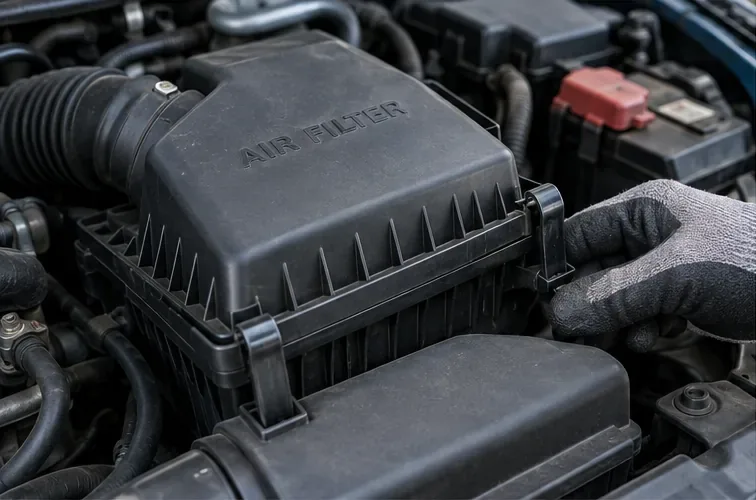
Learn how to clean a car air filter safely, when a paper filter should be replaced instead, and how reusable filters require different care.
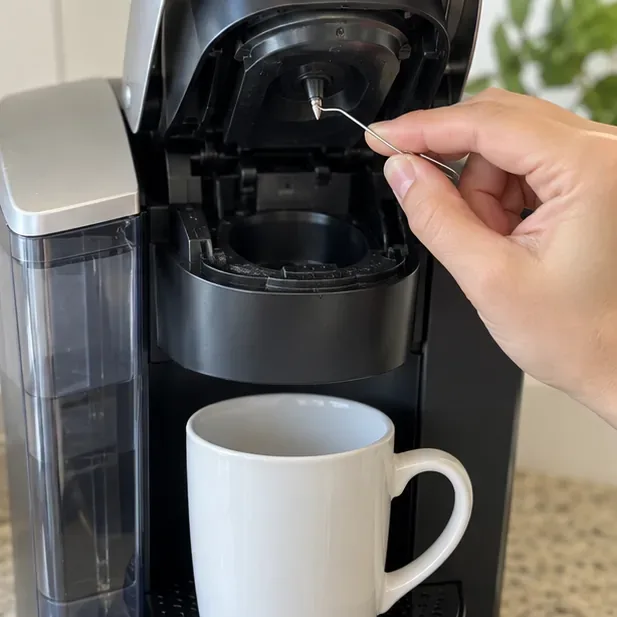
Learn how to clean a Keurig entrance and exit needle safely, clear coffee-ground clogs, rinse the brewer, and know when descaling is the next step.
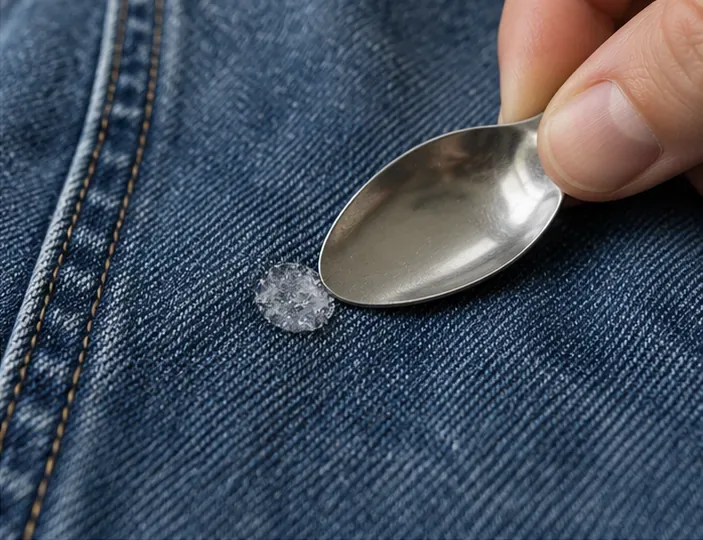
Learn how to remove dried nail glue from clothes safely, when acetone is appropriate, which fabrics need extra care, and when to stop and call a cleaner.
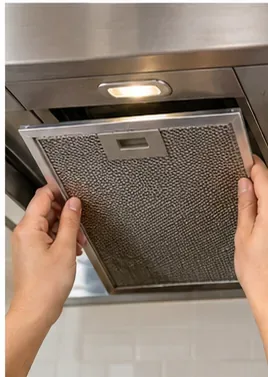
Learn how to clean a metal range hood filter safely, when dishwasher cleaning is okay, and why charcoal filter care depends on your exact model.
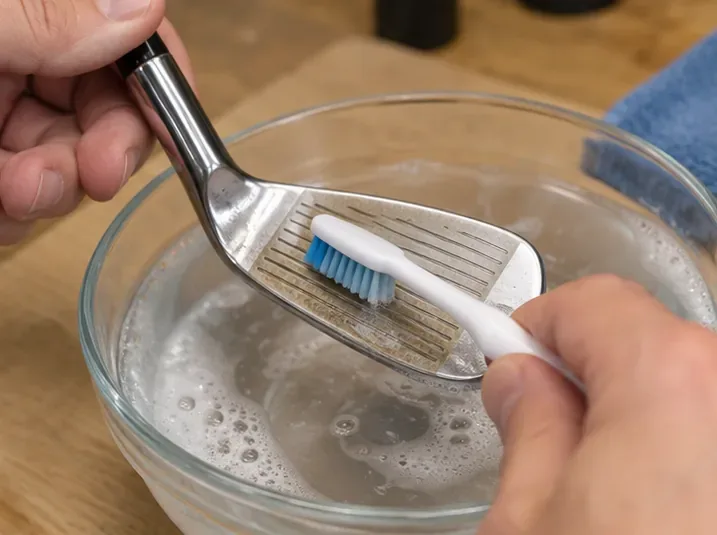
Learn how to remove rust from golf clubs safely, judge the result, protect raw and plated finishes, and know when cleaning should stop.
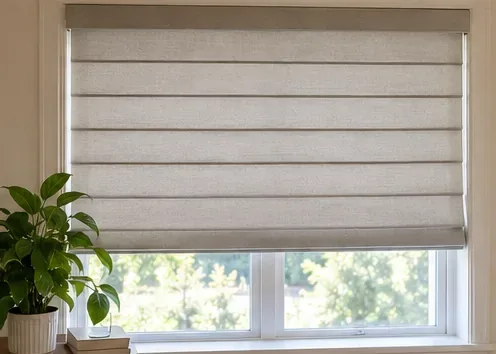
Learn how to clean fabric blinds safely with gentle vacuuming, spot cleaning, rinsing, and drying—plus when water, washing, or DIY deep cleaning can cause damage.
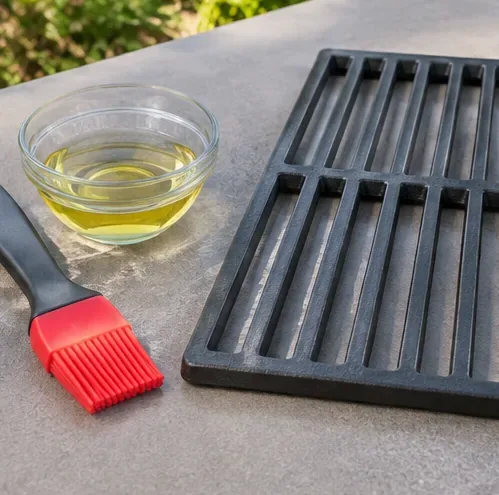
Learn how to season gas grill grates safely, including when cast iron needs seasoning, when porcelain enamel does not, and how to check the result.
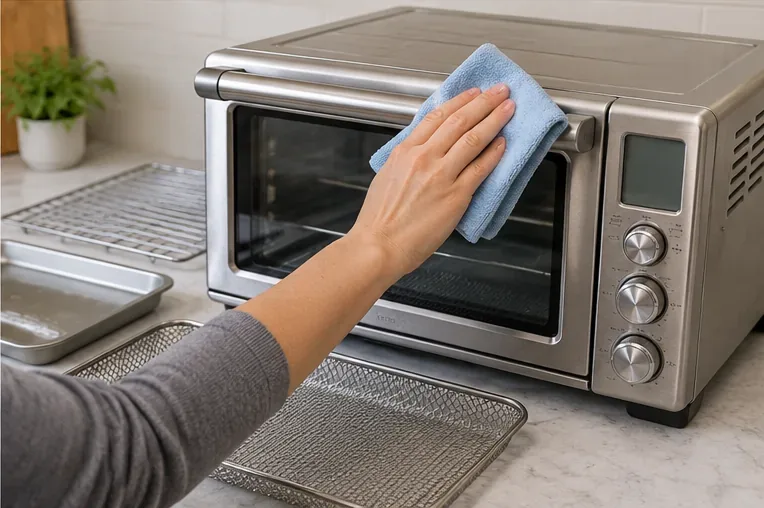
Clean a Breville toaster oven safely with mild soap, soft cloths, and the right sequence. Learn what clean should look like, what to avoid, and when to stop.
Learn how to clean a microwave grease filter, when a dishwasher is appropriate, and why charcoal filters should be replaced instead of washed.