How to Clean a PS5 Fan Without Taking It Apart: A Safe Beginner Guide
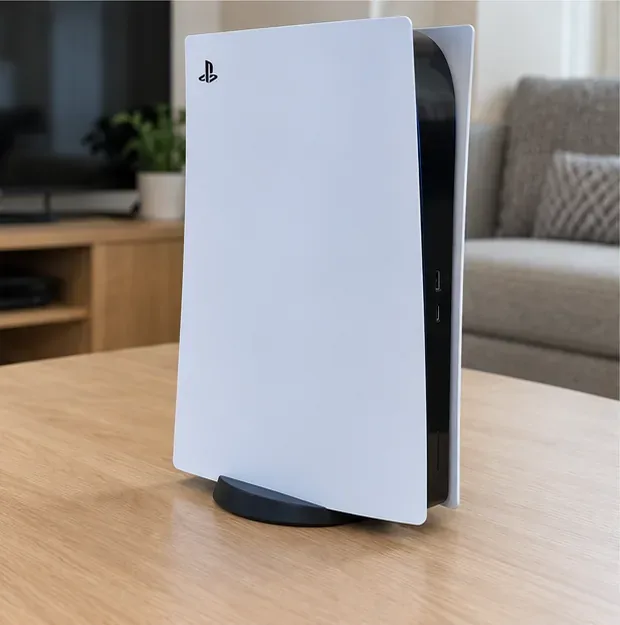
Learn how to clean PS5 vents safely without opening the console, using Sony-recommended low-power vacuuming, dry wiping, and proper airflow.
If your GE dishwasher leaves gritty residue on dishes, washes less effectively than it used to, or has visible food debris around the bottom of the tub, the filter is worth checking. But one common assumption needs to be corrected first: not every GE dishwasher has a removable filter that you are supposed to clean by hand.
GE Appliances says most newer models use removable Fine and Ultra Fine Filters that need periodic maintenance, while many older models—and some current models—use self-cleaning filtration with no removable filter for routine owner cleaning. The correct first action is therefore to identify your model and confirm what the owner's manual says. GE provides a model-number lookup for owner's manuals and installation instructions.
For GE models that do have removable Fine and Ultra Fine Filters, the manufacturer's current cleaning procedure is straightforward: remove the lower rack, unlock and lift out the Ultra Fine Filter, rinse it with warm soapy water, clean the Fine Filter if needed, and reinstall both components securely. The detailed steps below follow GE's official Fine and Ultra Fine Filter cleaning instructions.
Verified: GE says most newer dishwashers have Fine and Ultra Fine Filters that the owner can remove and clean. The Ultra Fine Filter is generally the smaller cylindrical or cup-like filter, while the Fine Filter is the flatter mesh plate beneath it.
Model-dependent: the exact shape, retaining hardware, and location can vary. Some GE dishwashers use self-cleaning filtration and do not have the same removable filter assembly.
Useful action: open your dishwasher, remove or pull forward the lower rack, and compare the bottom of the tub with the cleaning instructions in your exact owner's manual. If the manual does not tell you to remove a filter, do not pry up the sump, pump cover, or other fixed parts.

GE's current support pages use slightly different maintenance language, so this is a place where context matters. The dedicated filter-cleaning page says to inspect and clean Fine and Ultra Fine Filters every other month or more often depending on usage. GE's poor-wash-performance guidance says removable filters should be cleaned once a month for optimum wash performance.
Those statements are not really contradictory: the more heavily you use the dishwasher, the sooner debris can collect. Gritty dishes, reduced wash performance, visible food particles, or a filter coated with residue are practical reasons to clean before the calendar says it is due.
Useful action: use the maintenance interval in your owner's manual as the primary schedule, and inspect the filter sooner if performance changes. See GE's poor wash performance troubleshooting for the manufacturer's current monthly-cleaning recommendation on removable-filter models.
GE specifically warns against scouring pads. For the Ultra Fine Filter, GE says brushes can damage the filter and recommends a sponge for stubborn particles. For the larger Fine Filter, GE allows a soft brush or sponge if needed for stubborn soil or calcium buildup.
Open the dishwasher only after the cycle is finished and the interior is safe to handle. Pull the lower rack out so you have clear access to the bottom of the tub.
Look for the removable Ultra Fine Filter and the larger Fine Filter beneath or around it. If you do not see a filter that matches the owner's manual, stop and identify the model before taking apart anything else.

Grip the Ultra Fine Filter and turn it counterclockwise. It should unlock without extreme force. GE's procedure does not call for pliers or other gripping tools.
Common misunderstanding: if the filter will not turn, that does not prove it is “stuck with grease.” The model may use a different mechanism. Useful action: check the owner's manual before applying more force.

Lift the filter straight up. Note how it sits in the Fine Filter and where any alignment marks are located. GE says the Fine Filter has an embossed arrow that helps guide the Ultra Fine Filter back into position during reinstallation.
Avoid knocking loose food back into the open sump. If large debris is visible around the opening, pick it up carefully before reinstalling the filter.

This step helps distinguish a dirty filter from a damaged one. Cleaning can remove food soil and calcium deposits; it cannot repair torn mesh, cracked plastic, or a filter that no longer locks securely.
Useful action: if a part is visibly damaged, look up the correct GE replacement by model number instead of trying to reshape or glue a filter component that sits in the wash-water path.

GE says to rinse the Ultra Fine Filter with warm soapy water. For stubborn particles, use a sponge carefully. Do not attack the mesh with a scouring pad or stiff brush; GE specifically warns that those tools can damage the filter.
You do not need to make the part look brand new. The useful result is open mesh without trapped food, thick grease, or residue that can restrict the wash-water path.
GE's common Fine Filter procedure starts after the Ultra Fine Filter has been removed. The company instructs users to twist the two retaining posts near the back of the dishwasher tub counterclockwise, remove them, and then lift out the Fine Filter mesh plate.
Rinse the Fine Filter with warm soapy water. GE says scouring pads or brushes can scratch the surface, although a soft brush or sponge may be needed for stubborn soil or calcium deposits.

Model-dependent: not every GE dishwasher uses the same retaining-post arrangement. Useful action: if your Fine Filter does not release exactly as described in your manual, stop rather than bending the mesh plate.

GE's filter-cleaning article tells users to reinstall the filters once they are clean; it does not require an overnight drying period. Shake off excess rinse water, inspect the parts, and move on to reassembly.
This is also a good moment to look at the filter opening for large pieces of food, paper, plastic, bones, or other debris. GE's drain troubleshooting says large objects at the bottom of the tub can interfere with draining.
Put the Fine Filter back into its original position. On the GE design with two retaining posts, reinstall those posts and twist them clockwise to lock the Fine Filter in place.
Next, place the Ultra Fine Filter into its opening. Use the embossed arrow in the Fine Filter as the alignment guide GE describes, then twist the Ultra Fine Filter clockwise until it locks.

Reinstall the lower rack and verify that nothing interferes with the spray arm. The filter should sit securely rather than wobbling or lifting out with light contact.
No. GE confirms that clogged filters can reduce wash performance and leave food particles on dishes, but wash performance also depends on spray-arm jets, loading, detergent, rinse aid, water conditions, and other factors.
If dishes are still gritty after the filters are clean, inspect the spray-arm openings for debris and review loading instructions. GE's not washing properly guidance treats filter cleaning as one troubleshooting step, not a guaranteed cure.
Useful action: if cleaning the filters changes nothing, move to model-specific wash-performance troubleshooting instead of repeatedly scrubbing the filter.
Not necessarily. GE says that on models with an Ultra Fine Filter, water remaining in the sump—the recessed filter area—is normal, although it should not cover the bottom of the dishwasher tub. GE also notes that some models without an Ultra Fine Filter may normally retain about 1 to 2 cups of clean water over the tub bottom.
Useful action: judge drainage by your model's expected water level. If excessive water covers the tub bottom or the dishwasher reports a drain problem, use GE's dishwasher not-draining troubleshooting guide. A clean filter will not fix a blocked drain hose, air-gap problem, or disposal connection issue.
Sometimes, but not always. GE advises checking the filter and pump inlet area for food residue when a dishwasher has food or mildew odor. However, the company also says dirty water entering or remaining in the tub can result from drain-hose installation problems.
Useful action: clean visible food residue and the removable filters first. If odor persists and dirty water returns between cycles, inspect the drain setup rather than assuming the filter needs stronger chemicals.
You can, but filter cleaning and interior descaling are separate jobs. GE says the dishwasher interior is normally cleaned through regular operation. If mineral or soap buildup develops, the company lists dishwasher cleaner, citric acid, or an occasional vinegar rinse as options. See GE's official dishwasher interior cleaning guidance.
Do not assume that soaking a removable filter in a strong descaler is better than GE's published warm-soapy-water procedure. Start with the filter method the manufacturer specifies.
| Check | Good result | If not |
|---|---|---|
| Filter mesh | Open and free of obvious food residue. | Repeat gentle rinsing; replace damaged mesh. |
| Ultra Fine Filter lock | Seats correctly and twists clockwise into the locked position. | Recheck alignment and model instructions. |
| Fine Filter | Lies flat and retaining posts are secured where applicable. | Do not run the machine with a loose filter assembly. |
| Next wash load | Less grit and normal wash performance. | Inspect spray arms, loading, detergent, and other causes. |
| Drainage | No excessive water covering the tub bottom. | Use GE's drain troubleshooting steps. |
To clean a GE dishwasher filter correctly, first confirm that your model actually has removable Fine and Ultra Fine Filters. On the common GE design, remove the lower rack, twist the Ultra Fine Filter counterclockwise and lift it out, wash it with warm soapy water and a sponge, remove and wash the Fine Filter if your model provides one, then reinstall the Fine Filter and lock the Ultra Fine Filter clockwise using the alignment marks.
The biggest mistake is treating every GE dishwasher as if it has the same filter system. GE explicitly says some models use self-cleaning filtration with no removable filter to maintain. When the hardware in front of you does not match the common procedure, the model-specific owner's manual is the right next step—not more force.
Sources checked September 11, 2026. GE dishwasher filtration systems and filter-retaining hardware vary by model, so the current owner's manual for the exact appliance takes priority over general instructions.
Learn how to clean PS5 vents safely without opening the console, using Sony-recommended low-power vacuuming, dry wiping, and proper airflow.
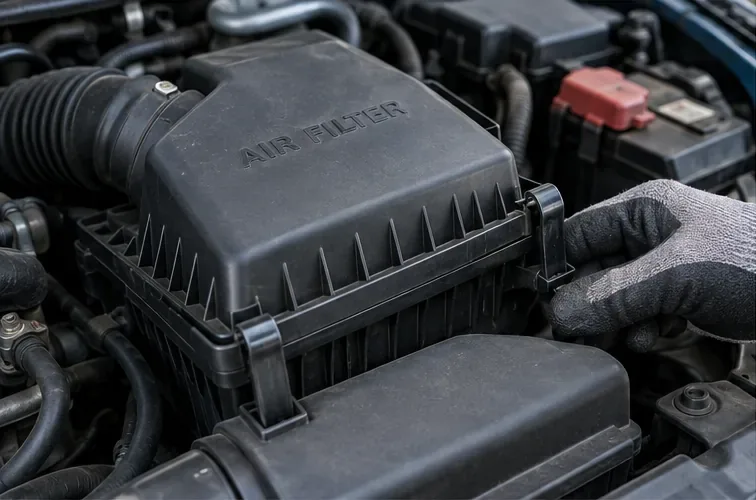
Learn how to clean a car air filter safely, when a paper filter should be replaced instead, and how reusable filters require different care.
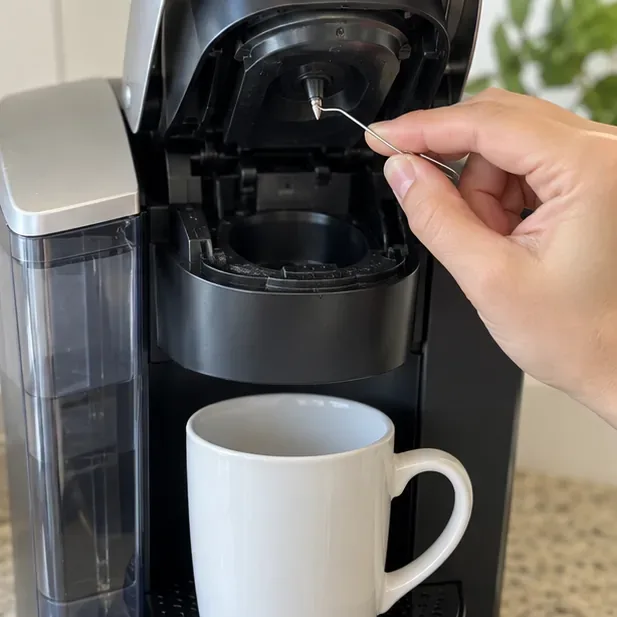
Learn how to clean a Keurig entrance and exit needle safely, clear coffee-ground clogs, rinse the brewer, and know when descaling is the next step.
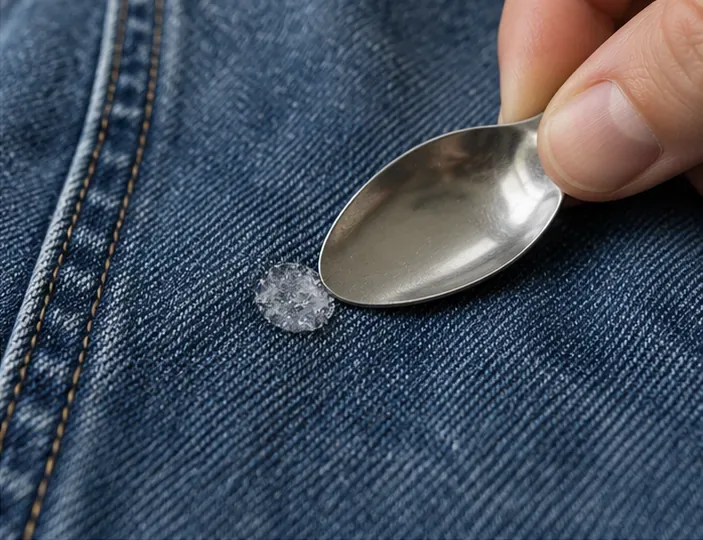
Learn how to remove dried nail glue from clothes safely, when acetone is appropriate, which fabrics need extra care, and when to stop and call a cleaner.
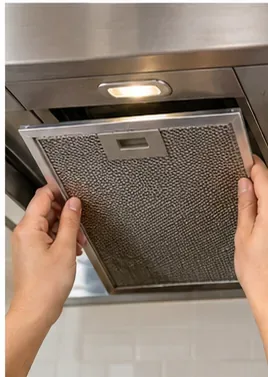
Learn how to clean a metal range hood filter safely, when dishwasher cleaning is okay, and why charcoal filter care depends on your exact model.
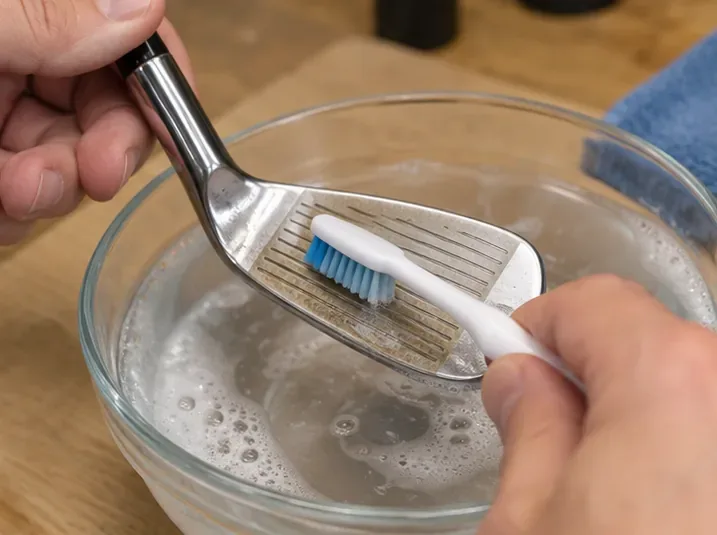
Learn how to remove rust from golf clubs safely, judge the result, protect raw and plated finishes, and know when cleaning should stop.
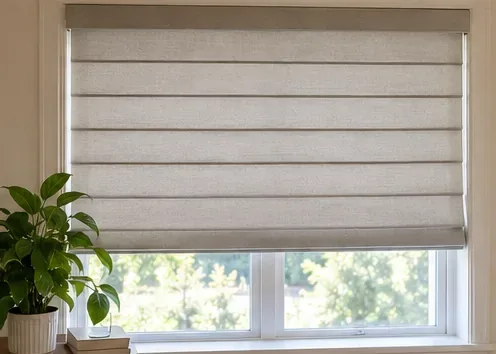
Learn how to clean fabric blinds safely with gentle vacuuming, spot cleaning, rinsing, and drying—plus when water, washing, or DIY deep cleaning can cause damage.
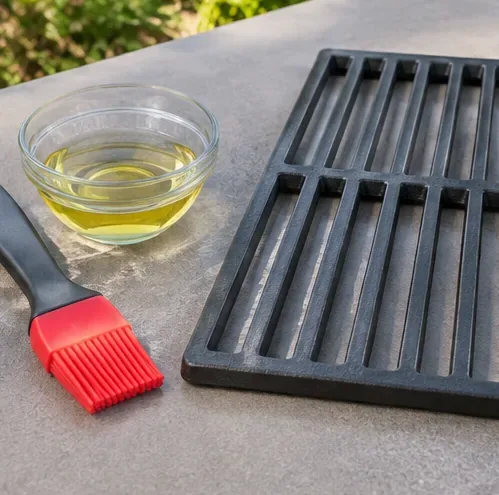
Learn how to season gas grill grates safely, including when cast iron needs seasoning, when porcelain enamel does not, and how to check the result.
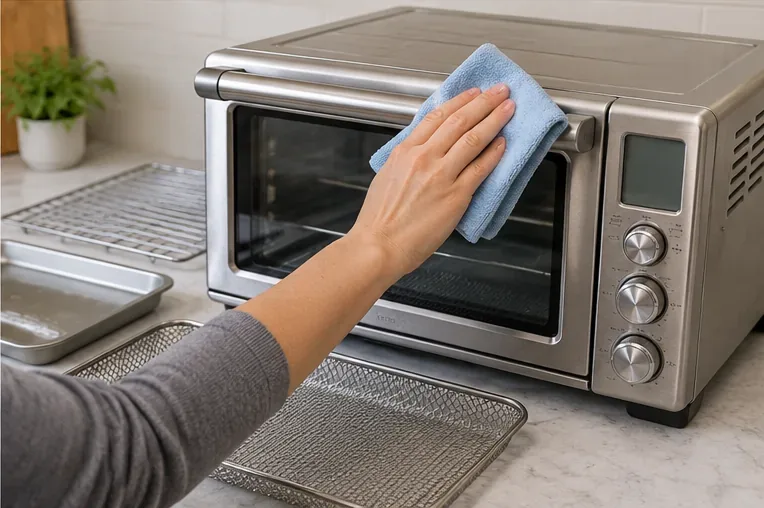
Clean a Breville toaster oven safely with mild soap, soft cloths, and the right sequence. Learn what clean should look like, what to avoid, and when to stop.
Learn how to clean a microwave grease filter, when a dishwasher is appropriate, and why charcoal filters should be replaced instead of washed.