How to Clean a PS5 Fan Without Taking It Apart: A Safe Beginner Guide
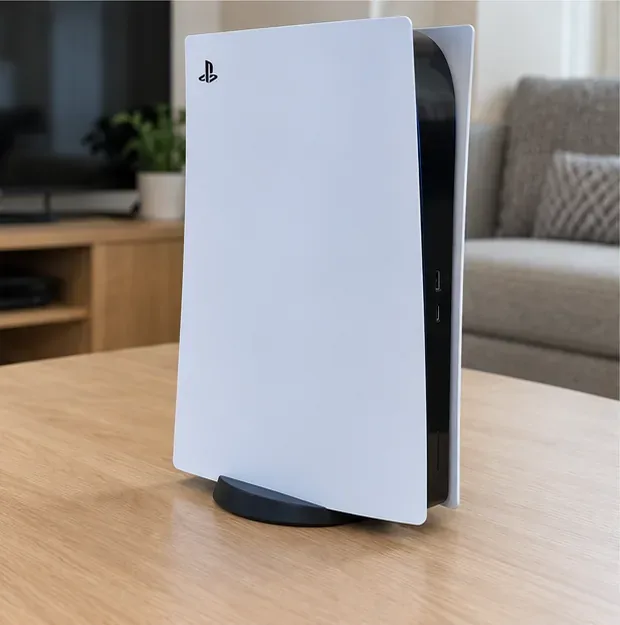
Learn how to clean PS5 vents safely without opening the console, using Sony-recommended low-power vacuuming, dry wiping, and proper airflow.
A dirty dehumidifier filter can quietly reduce airflow long before the appliance stops working. You may notice the fan sounding more strained, less water collecting than usual, a filter reminder light, or a gray layer of dust on the intake. Cleaning often helps—but the first question is not “Which soap should I use?” It is “Is this filter actually washable?”
Manufacturer instructions differ. GE says many of its dehumidifier filters can be vacuumed and, when very dirty, washed with warm soapy water; newer GE models also use a filter reminder around 250 operating hours. Honeywell describes washable mesh filters on many current dehumidifiers and commonly recommends cleaning about every two weeks. Midea lists washable filters on many current models and instructs users of some models to wash the filter with clean water and dry it. By contrast, some specialty dehumidifier filters should not be washed: Meaco's DD8L Zambezi manual says its antibacterial filter should be vacuumed rather than washed because water can damage the filter's antibacterial properties.
The safest rule is simple: follow the owner's manual for your exact model before putting the filter under a faucet. Useful manufacturer references include GE Appliances' dehumidifier cleaning guidance, Midea's dehumidifier user guide, and Meaco's DD8L Zambezi manual.
Check the manual, model support page, or labeling on the filter frame. A typical washable dust filter is a reusable plastic or mesh screen designed to catch lint, hair, and larger dust before air reaches the coils. Many portable compressor dehumidifiers use this type.
Do not assume that every removable filter is washable. Some units can use an additional HEPA, carbon, antibacterial, or specialty filter. Those may be vacuum-only or replacement filters. Meaco, for example, separates the reusable dust filter from optional HEPA filtration on some products and recommends replacing the HEPA filter rather than washing it.
| Filter type | Typical maintenance | What to confirm |
|---|---|---|
| Washable mesh/dust filter | Vacuum or rinse; mild soap may be allowed | Water temperature and whether detergent is permitted |
| Antibacterial treated filter | May be vacuum-only | Whether water damages the treatment |
| HEPA filter | Usually replaced rather than washed | Replacement interval or condition indicator |
| Carbon/odor filter | Often replacement-based | Whether it is a separate insert behind the dust filter |
There is no universal interval. Honeywell recommends cleaning the washable filter about every two weeks on several current dehumidifier models. GE says older models should be checked every two to three weeks, while newer models may illuminate a filter indicator after about 250 operating hours. Some Midea units also provide a clean-filter indicator.
Clean sooner when the room is dusty, you have shedding pets, the dehumidifier runs nearly continuously, or construction and HVAC work have put extra particles into the air. A fixed reminder light is only a timer; it does not measure the actual dirt load on the filter.
Avoid bleach, solvent cleaners, strong degreasers, hot water, stiff wire brushes, and the dishwasher unless the manufacturer explicitly approves them. GE specifically says not to wash its dehumidifier air filter in a dishwasher and not to use chemical cleaners.

Do not clean the filter while the appliance is running. Hisense's dehumidifier safety guidance explicitly says to turn the unit off, unplug it, and wait for the fan to stop before cleaning. This keeps your hands away from a moving fan and reduces the chance of water or tools contacting energized components.
If the unit has just been running, give it a moment to stop completely before removing the intake grille.

Filters may slide from the rear, pull down behind the front grille, attach to a removable rear grille, or sit behind the water bucket. GE's instructions differ between older and newer models, which is a good reminder not to pry at the first panel you see.
Look for arrows, finger tabs, or a filter handle. If the filter will not move with light pressure, recheck the manual before bending the frame.

Check for dust, pet hair, lint, oily residue, tears, warped plastic, or deteriorating foam. Also verify whether you are holding the main washable dust screen or an additional specialty filter.
If the filter is torn, separating from its frame, or permanently deformed, cleaning will not restore its ability to protect the appliance. Replace it with the correct model-specific part.
If the filter is only lightly dusty—or the manual specifies dry cleaning—use a vacuum with a soft brush attachment. Support the frame with one hand and use light suction so you do not stretch or collapse fine mesh.
Vacuuming may be the entire cleaning procedure for a non-washable treated filter. GE also lists vacuuming as the first option for some older reusable filters, with washing reserved for filters that are very dirty.

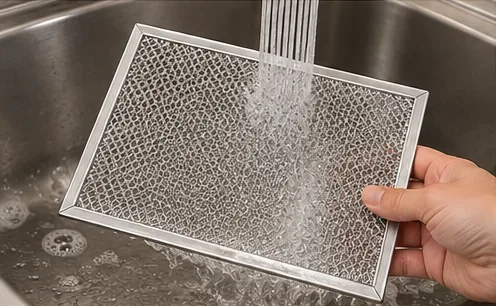
Use water only when the model documentation says the filter is washable. Midea's MAD22S1CWWT guide instructs users to wash the filter with clean water and dry it before reinstalling. Honeywell says the washable filter on several models can be cleaned under a faucet.
Avoid very hot water. GE specifically calls for warm, not hot, water on older models. High heat can deform a thin plastic frame or filter mesh.

GE permits dish soap and warm water on many of its dehumidifier filters. That does not mean every brand requires detergent. If the manual says “clean water,” follow that wording rather than adding soap automatically.
For stubborn lint on an approved washable mesh filter, a soft brush can help. Work gently and avoid crushing the mesh. Do not use bleach, ammonia, solvent cleaner, or abrasive powder on the filter unless your model documentation explicitly calls for it.

This is one of the most consistent instructions across manufacturers. GE says to let the filter dry completely before reinstalling. Honeywell likewise says the washed filter must dry before it is placed back inside the unit. Midea instructs users to wash, dry, and then reinstall.
Do not reinstall a wet filter just because the surface feels mostly dry. Water held in the mesh or frame can be pulled toward the fan, coils, sensors, or electrical areas. Let it air dry naturally. Do not use an oven, clothes dryer, hair dryer on high heat, or other forced heat unless the manual specifically permits it.

Make sure the filter sits flat in its guides and the grille closes normally. A filter installed crooked can allow dusty air to bypass the mesh or interfere with the intake panel.
If your dehumidifier has a filter reminder, reset it only after cleaning is complete. GE says many newer models use a Filter button that is held for about three seconds to reset the reminder after the filter is replaced. Button names and timing vary, so use the instructions for your model.

No, not as a general cleaning method. GE explicitly says not to put its dehumidifier air filters in the dishwasher. Dishwasher spray, detergent chemistry, and heat are much harsher than the mild hand-cleaning procedures specified by dehumidifier manufacturers.
If a filter is so dirty that hand rinsing cannot restore it, replacement is usually safer than experimenting with a dishwasher.
No. Wait until it is completely dry. This is not just about avoiding a musty smell. The filter sits directly in the appliance's airflow path, often close to coils, a fan, sensors, and electrical components. GE, Honeywell, and Midea all instruct users to dry washable filters before reinstallation.
A filter light often works as a maintenance timer rather than a dirt sensor. Cleaning the mesh does not necessarily clear the timer automatically. GE says newer models may require pressing and holding the Filter button for three seconds after cleaning.
If the light remains after the documented reset procedure, power-cycle the appliance only as permitted by the manual. Do not repeatedly remove a clean filter to try to satisfy the indicator.
Replace a reusable filter when the frame is cracked, the mesh is torn, the material is brittle, or it will no longer sit securely in its guides. Replace a HEPA or carbon filter according to its own service schedule rather than washing it unless the manufacturer explicitly calls it washable.
If you clean the dust filter and airflow is still poor, inspect the intake grille and room clearance, then use model-specific troubleshooting. Frigidaire notes that a dirty filter can contribute to poor water collection and restricted airflow, but a clean filter cannot correct every dehumidifier problem.
| Check | Good result | What to investigate next |
|---|---|---|
| Filter appearance | Most loose dust and lint are gone; mesh is intact. | Replace if torn, warped, or deteriorating. |
| Dryness | Filter is fully dry before installation. | Wait longer if any moisture remains. |
| Fit | Filter sits flat and grille closes normally. | Check orientation, tracks, and frame damage. |
| Airflow | Intake and outlet airflow feel normal for the unit. | Check blocked grilles, coil condition, or fan issues. |
| Filter reminder | Indicator resets using the model's procedure. | Consult the control instructions if it stays on. |
| Water collection | Unit returns to its usual behavior for current room humidity. | Low humidity, low temperature, refrigerant, sensors, or other faults may be involved. |
Cleaning a dehumidifier filter is usually straightforward once you know what kind of filter you have. Turn the appliance off and unplug it, remove the filter according to the manual, inspect it, vacuum loose dust, and wash it only if the manufacturer identifies it as washable. Use mild soap only when permitted, rinse well, and let the filter dry completely before reinstalling it.
The most important exception is also the easiest to remember: removable does not always mean washable. Treated filters, HEPA filters, and specialty inserts may need vacuuming or replacement instead. When the manual and a generic cleaning guide disagree, follow the manual for your exact dehumidifier.
Sources checked September 11, 2026. Filter materials, reminder intervals, removal methods, and cleaning instructions vary by model, so current manufacturer documentation for the exact dehumidifier should take priority over general guidance.
Learn how to clean PS5 vents safely without opening the console, using Sony-recommended low-power vacuuming, dry wiping, and proper airflow.
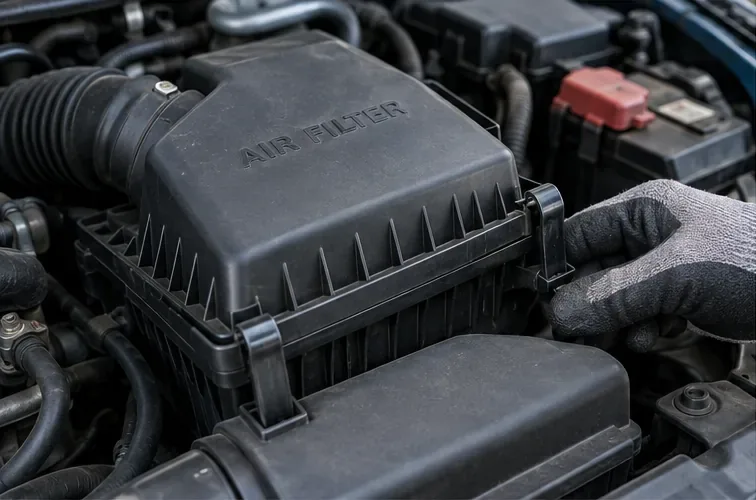
Learn how to clean a car air filter safely, when a paper filter should be replaced instead, and how reusable filters require different care.
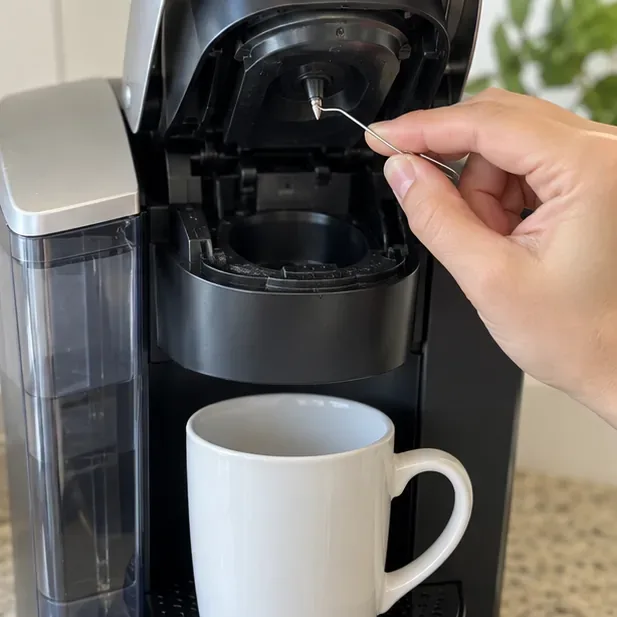
Learn how to clean a Keurig entrance and exit needle safely, clear coffee-ground clogs, rinse the brewer, and know when descaling is the next step.
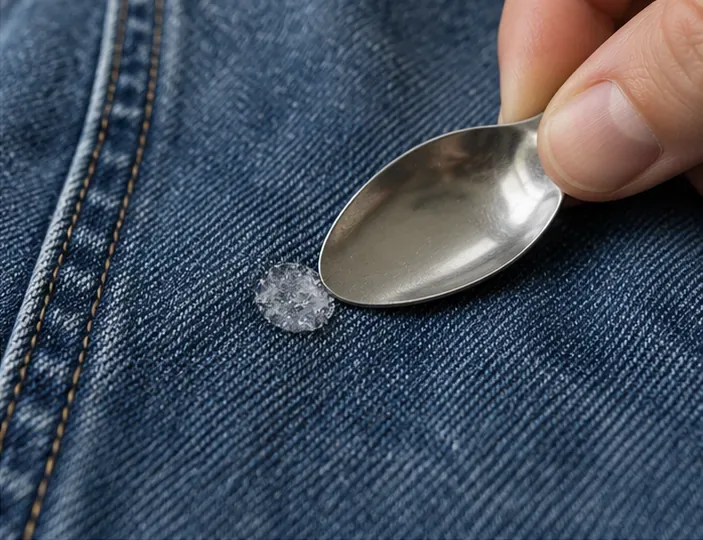
Learn how to remove dried nail glue from clothes safely, when acetone is appropriate, which fabrics need extra care, and when to stop and call a cleaner.
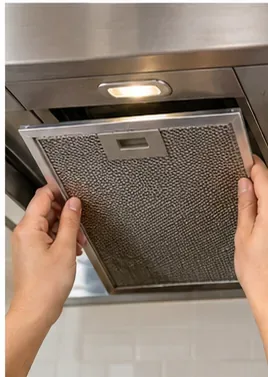
Learn how to clean a metal range hood filter safely, when dishwasher cleaning is okay, and why charcoal filter care depends on your exact model.
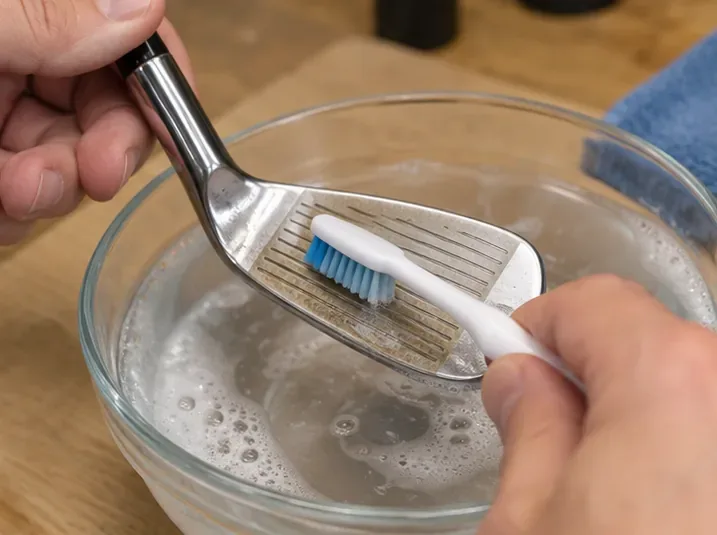
Learn how to remove rust from golf clubs safely, judge the result, protect raw and plated finishes, and know when cleaning should stop.
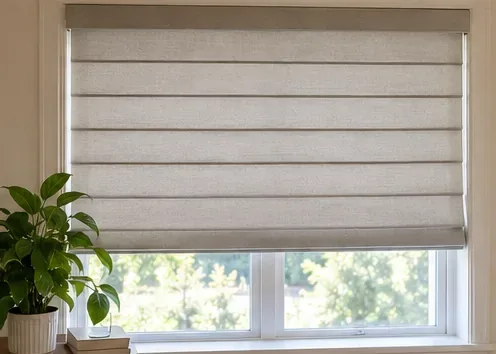
Learn how to clean fabric blinds safely with gentle vacuuming, spot cleaning, rinsing, and drying—plus when water, washing, or DIY deep cleaning can cause damage.
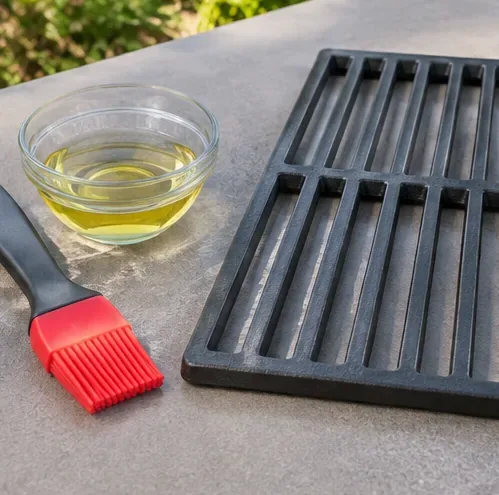
Learn how to season gas grill grates safely, including when cast iron needs seasoning, when porcelain enamel does not, and how to check the result.
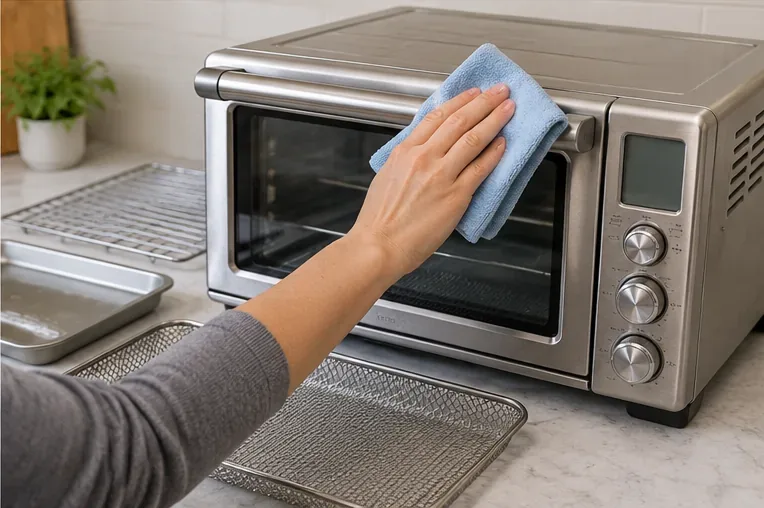
Clean a Breville toaster oven safely with mild soap, soft cloths, and the right sequence. Learn what clean should look like, what to avoid, and when to stop.
Learn how to clean a microwave grease filter, when a dishwasher is appropriate, and why charcoal filters should be replaced instead of washed.