How to Clean a PS5 Fan Without Taking It Apart: A Safe Beginner Guide
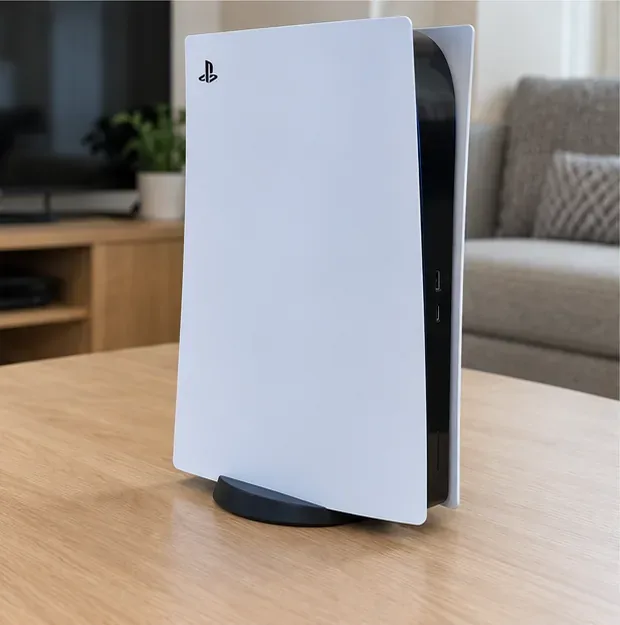
Learn how to clean PS5 vents safely without opening the console, using Sony-recommended low-power vacuuming, dry wiping, and proper airflow.
If you want to clean a coffee maker without vinegar, the first question is not “What household acid should I substitute?” It is “What does the manufacturer of this machine approve for descaling?” That matters because coffee makers are built with different pumps, heaters, seals, tubing, coatings, and cleaning programs.
There is no single vinegar-free formula that is appropriate for every machine. Breville currently directs owners of many models to use a descaling packet or powder with a model-specific descale cycle. Keurig sells its own descaling solution and, for some brewers, publishes a citric-acid method. Ninja says a commercial descaling solution formulated for coffee makers can be used on models such as the DualBrew. De'Longhi is more restrictive: it recommends its lactic-acid descaler and warns against using vinegar on its automatic coffee machines.
The most reliable vinegar-free method is therefore to use a commercial descaler that your exact coffee maker's manual accepts, then run the required fresh-water rinse cycles. You can separately wash removable coffee-contact parts with mild dish soap when the manual permits it.
These are related jobs, but they solve different problems.
Mineral scale can slow brewing, change temperature performance, affect flavor, and trigger a descale light on machines that monitor cleaning intervals. Breville describes descaling as the process that keeps the inside of the machine free of mineral buildup, while Keurig says calcium or lime scale can hinder brewer performance if left in place.
Action: if the problem is coffee residue on removable parts, wash those parts. If brew time has slowed, a descale light is on, or the manual says a mineral-removal cycle is due, run the approved descaling process rather than simply scrubbing the carafe harder.
For a generic coffee maker, the safest answer is a coffee-machine descaler approved by the manufacturer. The active ingredient is not always the same across brands.
| Brand example | Verified vinegar-free option | Important limitation |
|---|---|---|
| Breville | Breville descaler packet/powder on many models | Follow the exact machine's descale mode and dilution. |
| Keurig | Keurig Descaling Solution; some brewer instructions also permit citric acid | Citric-acid procedures are model-specific, not universal. |
| Ninja | Commercial descaling solution formulated for coffee makers | Use the quantity and Clean Cycle instructions for the model. |
| De'Longhi | De'Longhi lactic-acid descaler | De'Longhi advises against vinegar and recommends its own descaler. |
| Hamilton Beach | Commercial coffeemaker cleaner/descaler on models that permit it | Older and newer models differ; some manuals still specify vinegar only. |
See Breville's Precision Brewer descaling guide, Keurig's official descaling instructions, Ninja DualBrew owner's guide, and De'Longhi's descaling guidance.
Baking soda should not be treated as a general descaler. Mineral scale is the problem inside the water circuit, and coffee-maker manufacturers do not generally publish baking-soda brew cycles as a universal substitute for descaling solution. Using an unverified powder can also create residue if it does not dissolve or rinse as intended.
Lemon juice is also not a universal recommendation. Its acidity, sugars, flavor compounds, and concentration vary, and major manufacturers typically provide a specific descaler or measured acid solution instead.
Citric acid can be legitimate when the manufacturer says so. Keurig's official instructions for some brewers, including the K130 document, provide a citric-acid descaling method. However, De'Longhi explicitly says home citric-acid remedies may not be appropriate for its machines and recommends its lactic-acid formulation instead.
Action: do not convert “citric acid works in one brewer” into “citric acid works in every coffee maker.” Check the manual for the model number on your machine.

Let the coffee maker cool before washing components. Do not immerse the powered base, cord, or plug. Set removable parts aside and check which are hand-wash only versus dishwasher-safe.
Hamilton Beach, for example, instructs owners of some current models to hand-wash the reservoir and thermal carafe with warm soapy water, while some filter baskets can go in the dishwasher. The exact rules vary by product.

Coffee oils can cling to a carafe even when mineral scale is the real issue inside the machine. Use mild dish soap and a non-abrasive sponge unless the manual gives another method. Rinse well.
Thermal carafes sometimes have different care limits from glass carafes. Some are hand-wash only and should not be fully submerged. Do not assume that “removable” means dishwasher-safe.

Clean grooves, drain openings, and mesh carefully. Avoid metal scouring pads that can scratch plastic or damage reusable filter mesh. If the water reservoir is removable and washable, clean it according to the manual and rinse it completely.
This is routine cleaning—not descaling. The internal heater and tubing still need the approved descaling cycle if mineral buildup is due.
Read the coffee maker manual and the descaler label before mixing anything. Different products use different volumes and concentrations. Breville's Precision Brewer guidance uses one descaler packet with 34 ounces of warm water. De'Longhi products can use measured doses of its lactic-acid descaler. Keurig solution instructions vary by brewer.
If the machine has a water filter, the manual may tell you to remove it before descaling. Breville and De'Longhi both instruct owners of certain models to remove the water filter before adding descaling solution.
Action: measure the solution exactly. More concentrated is not automatically more effective or safer.

Modern coffee makers often control the timing themselves. Breville's machines may have a dedicated descale mode; Ninja's DualBrew has an Intelligent Clean Cycle; many Keurig brewers use a model-specific sequence of descale and rinse brews.
Older drip machines may use a normal brew cycle with a timed pause. Follow the exact sequence in the manual. Do not copy a 20-minute soak from one brand into another machine unless its instructions say to do that.

Rinsing is not optional. Keurig tells users to perform multiple fresh-water rinses after citric-acid or descaling-solution treatment. Breville's espresso and brewer instructions also include fresh-water rinsing after descaling, and De'Longhi machines run one or more rinse phases.
If you can still smell or taste the cleaner after the required rinse, run additional fresh-water cycles if the manufacturer permits it. Never brew coffee while descaler remains in the system.

Use a soft damp cloth on the housing. If mild detergent is permitted, apply it to the cloth rather than flooding the machine. Avoid abrasive cleaners on stainless trim, painted surfaces, and displays.
For a warming plate, first make sure it is completely cool. Remove loose residue gently and use only the surface-care method in the manual.


Put every component back in its normal position. If the machine has a removable water filter, reinstall or replace it according to the owner's instructions after descaling.
Run a small amount of fresh water through the brewer if needed and check for normal flow, no cleaner odor, no unusual leaks, and no warning light that should have reset after the completed descaling procedure.
The interval depends on the machine, water hardness, and brew count. Keurig commonly recommends descaling every three to six months, though some newer models use a three-month or brew-count reminder. Hamilton Beach says some coffee makers should be cleaned at least monthly and more often in hard-water areas. De'Longhi filter coffee makers may specify intervals such as about 40 or 60 uses on certain models.
Action: use the machine's descale indicator or manual schedule first. If your water is hard or brewing slows sooner, service it earlier rather than waiting for a fixed calendar date.
| Check | Good result | What to do if it fails |
|---|---|---|
| Brew speed | Returns close to the machine's normal pace. | Repeat only if the manual permits; otherwise troubleshoot for blockage or service. |
| Water flow | Steady and complete output. | Check reservoir seating, outlet needles or spray head where applicable, and model support. |
| Cleaner odor/taste | No noticeable descaler remains after rinsing. | Run additional approved fresh-water rinses. |
| Removable parts | Free of coffee oil, grounds, and detergent film. | Hand-wash again with clean water. |
| Descale indicator | Clears after the documented procedure where designed to reset. | Repeat the exact reset/clean sequence from the manual rather than power-cycling randomly. |
A descaler removes mineral buildup; it cannot repair a failing pump, temperature sensor, heater, cracked reservoir, clogged grinder, or damaged valve. Stop repeating cleaning cycles if:
Keurig, for example, tells owners of some machines to contact customer service if a partial-cup problem remains after repeating the prescribed descale procedure. At that point, “stronger cleaner” is not the right diagnosis.
You do not need vinegar to clean or descale a coffee maker. In many cases, a manufacturer-approved commercial descaler is the more predictable choice, and some brands explicitly prefer it. Wash removable coffee-contact parts separately with the mild method allowed by the manual, then use the machine's own descaling sequence and complete every fresh-water rinse.
The important limitation is that vinegar-free does not mean “any acid or powder is safe.” Citric acid is approved in some Keurig procedures, while De'Longhi recommends a different acid system and warns against home remedies. Use the solution and concentration that belong to your model, not a generic kitchen-cleaning recipe.
Sources checked September 11, 2026. Descaling chemicals, concentrations, intervals, water-filter handling, and cleaning cycles vary by coffee maker, so current instructions for the exact model should take priority over general advice.
Learn how to clean PS5 vents safely without opening the console, using Sony-recommended low-power vacuuming, dry wiping, and proper airflow.
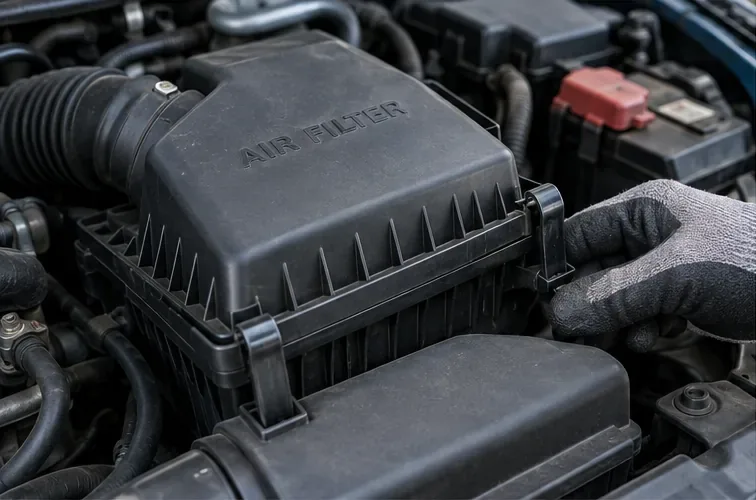
Learn how to clean a car air filter safely, when a paper filter should be replaced instead, and how reusable filters require different care.
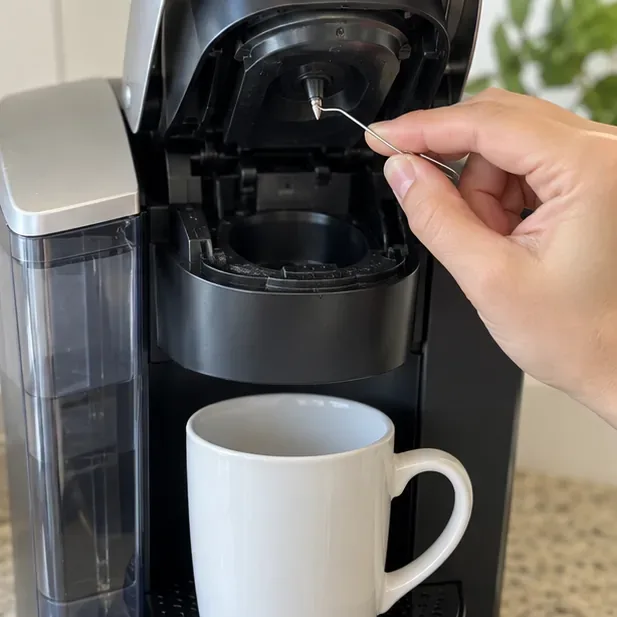
Learn how to clean a Keurig entrance and exit needle safely, clear coffee-ground clogs, rinse the brewer, and know when descaling is the next step.
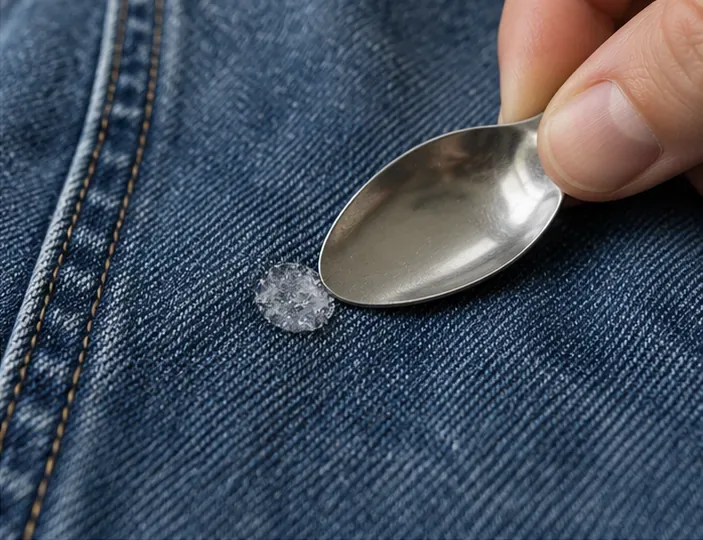
Learn how to remove dried nail glue from clothes safely, when acetone is appropriate, which fabrics need extra care, and when to stop and call a cleaner.
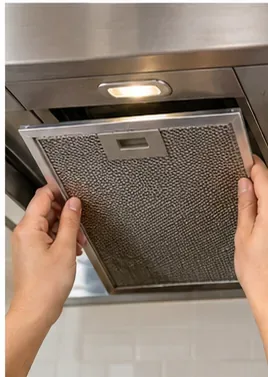
Learn how to clean a metal range hood filter safely, when dishwasher cleaning is okay, and why charcoal filter care depends on your exact model.
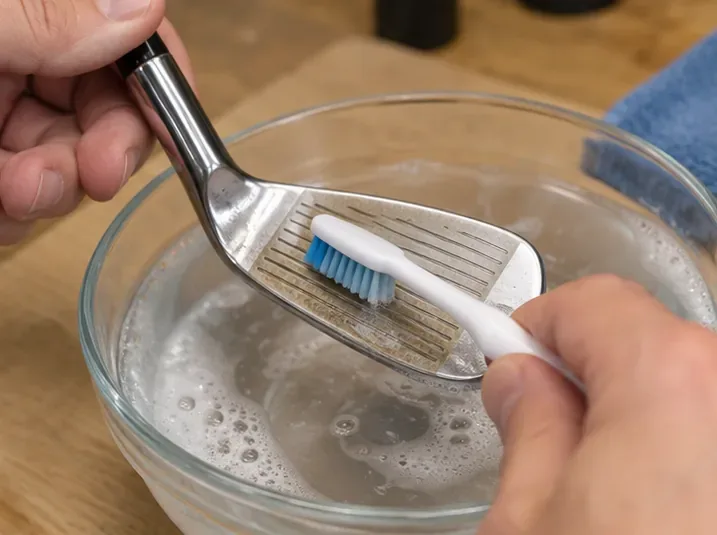
Learn how to remove rust from golf clubs safely, judge the result, protect raw and plated finishes, and know when cleaning should stop.
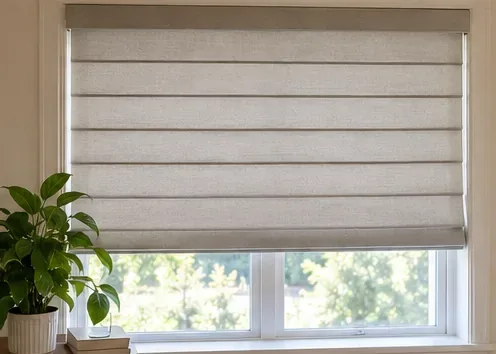
Learn how to clean fabric blinds safely with gentle vacuuming, spot cleaning, rinsing, and drying—plus when water, washing, or DIY deep cleaning can cause damage.
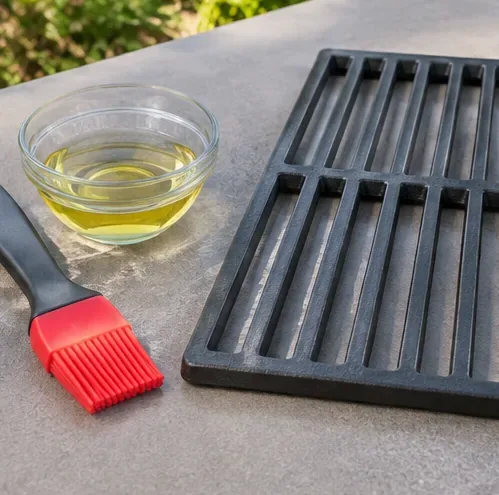
Learn how to season gas grill grates safely, including when cast iron needs seasoning, when porcelain enamel does not, and how to check the result.
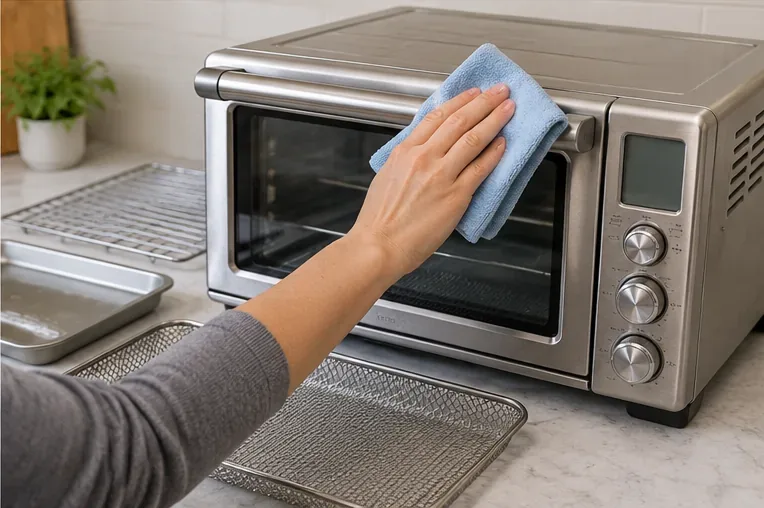
Clean a Breville toaster oven safely with mild soap, soft cloths, and the right sequence. Learn what clean should look like, what to avoid, and when to stop.
Learn how to clean a microwave grease filter, when a dishwasher is appropriate, and why charcoal filters should be replaced instead of washed.