How to Clean a PS5 Fan Without Taking It Apart: A Safe Beginner Guide
Learn how to clean PS5 vents safely without opening the console, using Sony-recommended low-power vacuuming, dry wiping, and proper airflow.
If your BUNN coffee maker is brewing more slowly than it used to, making rumbling sounds, or showing signs of mineral buildup, vinegar may be part of the correct cleaning process—but only if you use the instructions for your exact model. BUNN does not use one universal vinegar ratio across all of its home brewers.
Illustrative example: imagine that Jordan owns a BUNN Speed Brew and notices that the brewer has gone several months without an internal cleaning. This is a hypothetical example used to show how the official instructions apply in practice; it is not a test result, customer testimonial, or claim that a specific machine was restored by the process.
For the Speed Brew models covered by BUNN manual 53883.0002, the official routine-cleaning procedure calls for 1 quart (32 ounces) of white vinegar, a soak of at least two hours, cleaning the sprayhead, and three or more fresh-water flushes—or as many as needed until the vinegar smell is gone. Other BUNN brewers use different amounts and timing, so identify the model before pouring anything into the machine.
The safest action is to find the model number on the brewer and compare it with the owner's manual. BUNN's current Speed Brew support page lists multiple Speed Brew models and links to product documentation. An older official Speed Brew manual available from BUNN covers GRX, BX, SBS, CSB1, CSB2, BTX, and CSB3T and gives the 32-ounce white-vinegar procedure described below.
Do not copy a vinegar ratio from a different BUNN model. BUNN's official manuals show meaningful differences:
| BUNN brewer | Official vinegar instruction | Fresh-water rinse |
|---|---|---|
| Speed Brew covered by manual 53883.0002 | 1 quart (32 oz) white vinegar; let it sit in the brewer for at least 2 hours | 3 or more cycles, or until you no longer smell vinegar |
| Heat N' Brew HB | 25 oz water plus 25 oz white vinegar for routine internal cleaning; the manual also gives a stronger 50 oz vinegar option with a different timed procedure | 3 or more full-carafe water cycles |
| My Café | 14 oz white vinegar | 3 or more 14 oz water cycles |
For Jordan's hypothetical Speed Brew, the correct path is therefore the 32-ounce Speed Brew method—not a 1:1 mixture borrowed from the Heat N' Brew manual.

Before starting, remember that a BUNN Speed Brew keeps hot water in an internal tank. The owner's manual warns that the tank contains hot water and that the machine must be switched off, unplugged, and allowed to cool before certain cleaning or part-removal tasks. Follow the sequence in the manual rather than improvising.
Slide the empty brew funnel into the funnel rails and put the empty carafe underneath it. Open the brewer lid and pour 32 ounces of white vinegar into the coffee maker. Then close the lid.
The liquid will move through the system. When it stops flowing into the carafe, empty the carafe.
In the hypothetical example, Jordan measures the vinegar before pouring so the process matches the Speed Brew manual instead of guessing from the size of the bottle.

After the initial flow has stopped, flip the tank switch to the OFF position and unplug the coffee maker. The Speed Brew instructions say to allow the vinegar to sit in the coffee maker for at least two hours.
This wait is part of the cleaning procedure, not dead time to shorten casually. Mineral deposits form inside the hot-water system, and the official procedure gives the vinegar time to work on that buildup.
Jordan therefore does not immediately start flushing the machine. In this illustrative scenario, the brewer stays off and unplugged for the full minimum period specified by the manual.
After the vinegar has had time to sit and the brewer is safe to handle, remove the brew funnel and unscrew the sprayhead. Inspect the holes. BUNN says to clear deposits with a toothpick, clean the sprayhead with a cloth and dish soap, and rinse it with water.
This matters because vinegar in the internal tank and a physically restricted sprayhead are related but separate maintenance issues. A mineral deposit blocking a sprayhead hole may continue to restrict water even after the internal vinegar treatment.
Do not use steel wool or another abrasive tool. BUNN's general coffee-care materials warn against abrasives that can scratch surfaces and contribute to pitting or deposits.
Pour a carafe of fresh water into the coffee maker, place the carafe underneath the funnel, reinsert the funnel, and close the lid. The fresh water begins flushing vinegar from the internal hot-water tank. Empty the carafe when the liquid stops flowing.
Repeat with fresh cold water three or more times. The Speed Brew manual gives a practical endpoint: continue until you no longer smell vinegar.

For Jordan's hypothetical machine, “three” is therefore the minimum, not a guarantee that the third rinse is always the last one. If vinegar odor remains, another water cycle is the appropriate next action.
Once the rinse water no longer smells like vinegar, remove the funnel and reattach the cleaned sprayhead. Replace the funnel and put the carafe back under it. Plug the coffee maker in and flip the tank switch back to ON.
BUNN's Speed Brew manual says to allow about 15 minutes for the water in the tank to reach brewing temperature before the brewer is ready again.
At this point, wipe external surfaces with a damp cloth as needed. Avoid flooding the controls or electrical housing.

Use observable checks instead of assuming that finishing the minimum number of cycles means the job is done:
If the first pot of plain rinse water still smells strongly of vinegar, that is not a failure; it simply means more flushing is needed. If the brewer still has restricted flow after the sprayhead and internal system have been cleaned, stop escalating with stronger household acids and check BUNN's troubleshooting guidance for your model.
For the Speed Brew manual cited here, BUNN says to routinely clean the coffee maker every three months, with more frequent cleaning when the water has higher mineral content. The Heat N' Brew manual also calls for internal cleaning at least every three months or when its CLEAN indicator appears.
That interval is a baseline, not a promise that every household will see mineral buildup at the same speed. Hard water can shorten the useful interval. If your exact BUNN manual gives a different schedule, use that schedule.
In Jordan's hypothetical situation, discovering that the brewer has gone well beyond the recommended interval is a reason to perform the model-specific cleaning now and then set a reminder based on local water conditions.
There is no single BUNN ratio. Speed Brew, Heat N' Brew, and My Café use different official quantities. Identify the model first.
The cited Speed Brew procedure calls for the vinegar to remain in the machine for at least two hours after the initial flow. Jumping directly to rinsing does not follow that procedure.
Internal descaling does not guarantee that every sprayhead opening is clear. Inspect and clean the removable sprayhead as directed.
For Speed Brew, the instruction is three or more cycles, with no vinegar smell as the practical endpoint.
The Speed Brew manual warns not to put liquids other than water or vinegar into the internal hot-water tank except as specified. Do not substitute bleach, detergent, citric-acid mixtures, or another cleaner unless the manual for your exact brewer authorizes it.
Do not adapt the Speed Brew steps by changing only the amount of vinegar. Different machines may have different reservoirs, controls, heating cycles, seals, and cleaning sequences.
For example, BUNN's Heat N' Brew HB manual specifies 25 ounces of water plus 25 ounces of white vinegar for its standard internal-cleaning procedure, followed by three or more full-carafe water cycles. Its stronger-clean option uses 50 ounces of white vinegar and a separate timed pause. BUNN's My Café manual instead calls for 14 ounces of white vinegar followed by three or more 14-ounce water cycles.
The useful action is to look up the model number in BUNN's manual library or product-support page before cleaning.
This article was researched against BUNN documentation available on September 11, 2026. The vinegar procedure used for the Speed Brew walkthrough comes from BUNN owner manual 53883.0002; BUNN also hosts a newer Speed Brew manual revision dated April 2025, so owners should confirm the instructions for their exact model and date code.
Learn how to clean PS5 vents safely without opening the console, using Sony-recommended low-power vacuuming, dry wiping, and proper airflow.
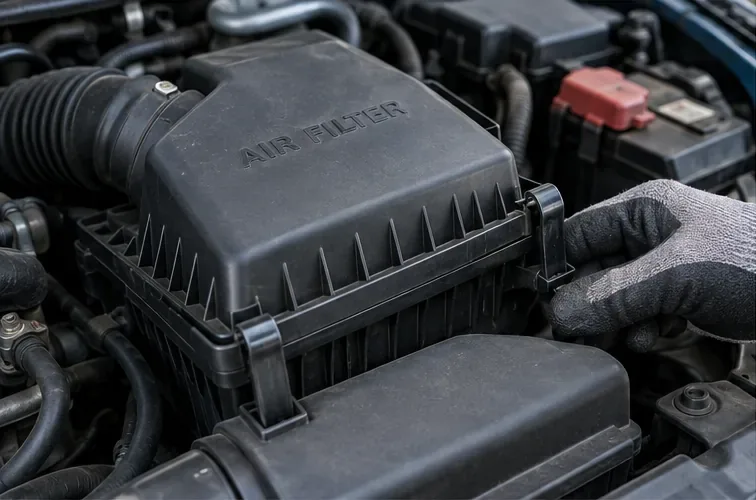
Learn how to clean a car air filter safely, when a paper filter should be replaced instead, and how reusable filters require different care.
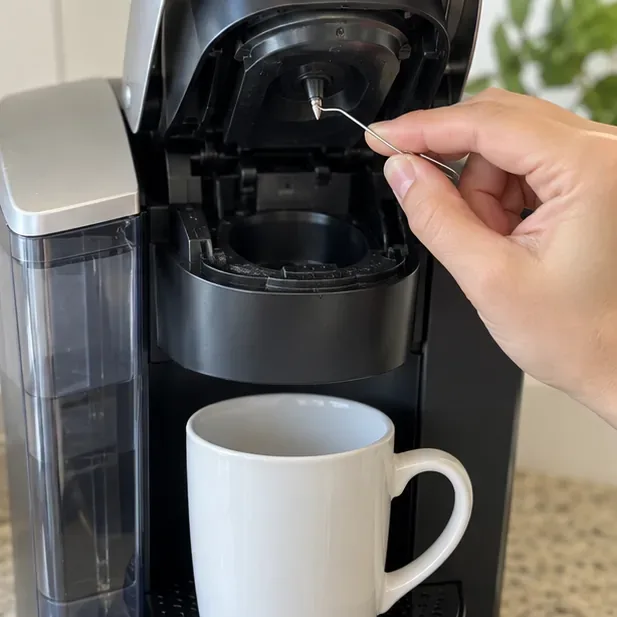
Learn how to clean a Keurig entrance and exit needle safely, clear coffee-ground clogs, rinse the brewer, and know when descaling is the next step.
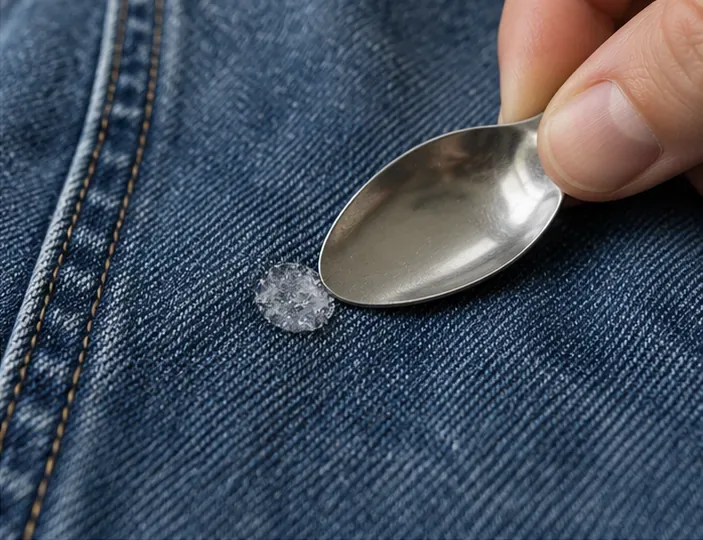
Learn how to remove dried nail glue from clothes safely, when acetone is appropriate, which fabrics need extra care, and when to stop and call a cleaner.
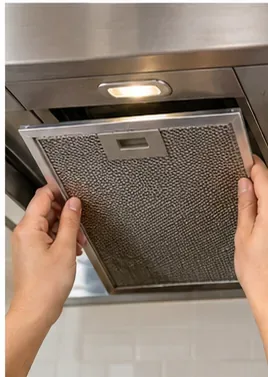
Learn how to clean a metal range hood filter safely, when dishwasher cleaning is okay, and why charcoal filter care depends on your exact model.
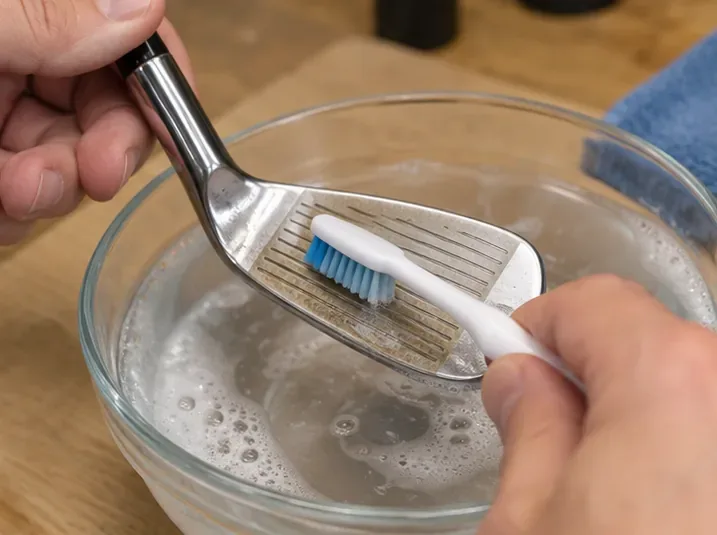
Learn how to remove rust from golf clubs safely, judge the result, protect raw and plated finishes, and know when cleaning should stop.
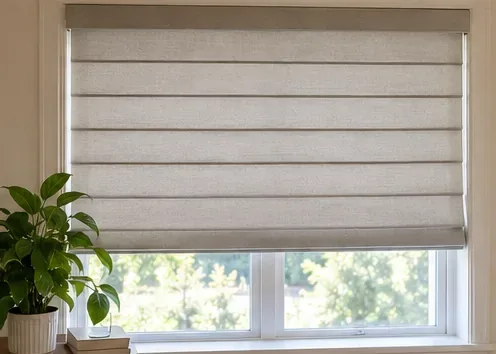
Learn how to clean fabric blinds safely with gentle vacuuming, spot cleaning, rinsing, and drying—plus when water, washing, or DIY deep cleaning can cause damage.
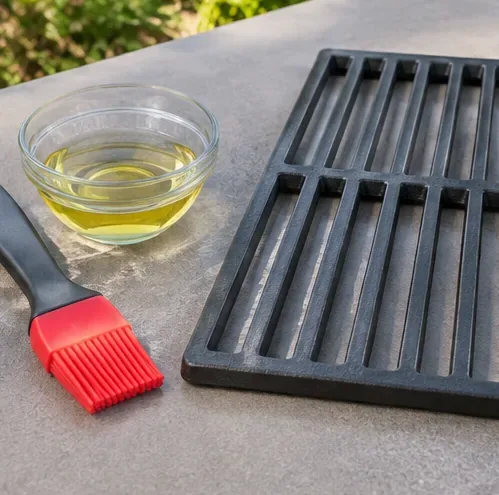
Learn how to season gas grill grates safely, including when cast iron needs seasoning, when porcelain enamel does not, and how to check the result.
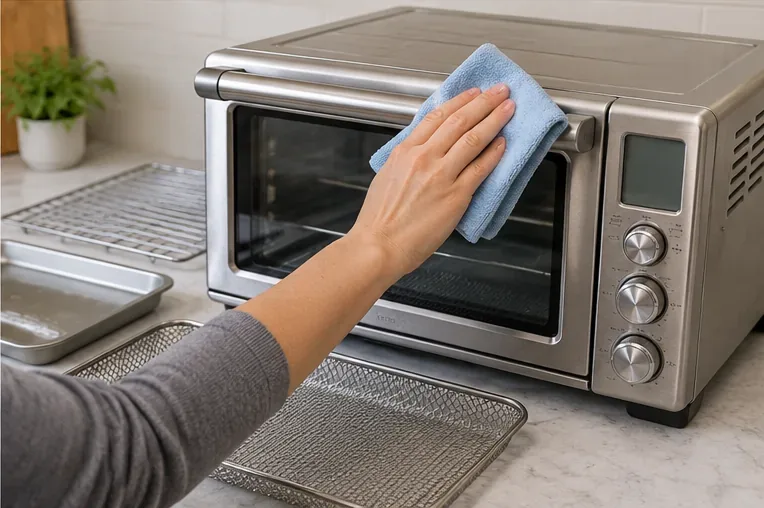
Clean a Breville toaster oven safely with mild soap, soft cloths, and the right sequence. Learn what clean should look like, what to avoid, and when to stop.
Learn how to clean a microwave grease filter, when a dishwasher is appropriate, and why charcoal filters should be replaced instead of washed.