How to Clean a PS5 Fan Without Taking It Apart: A Safe Beginner Guide
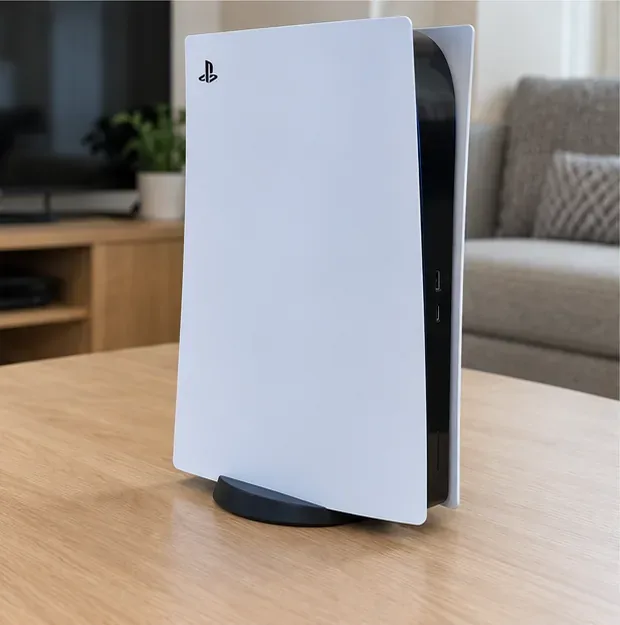
Learn how to clean PS5 vents safely without opening the console, using Sony-recommended low-power vacuuming, dry wiping, and proper airflow.
A bidet nozzle that suddenly looks grimy, sprays unevenly, or seems weaker than usual is easy to blame on a clog. Sometimes that is exactly the problem, but not always. The nozzle may simply have surface residue, while low pressure can also come from a dirty inlet filter or another water-supply issue.
The safest starting point is simple: use the bidet's nozzle-cleaning or wand-cleaning mode if it has one, let the wand extend without sitting on the seat, and clean it gently with a soft damp cloth. If visible soil remains, use only the mild cleaner or soft-bristle brush your manufacturer allows. Do not pull, twist, pry, or aggressively scrub the wand.
This guide focuses on retractable nozzles used on electric bidet seats and non-electric bidet attachments. A handheld bidet sprayer is built differently, so its trigger valve and spray head should be maintained according to that product's manual rather than by following wand-extension instructions.
Bidet nozzles operate close to the toilet bowl, so water spots, ordinary bathroom residue, and mineral deposits can collect around the wand or outlet holes. A retractable wand can also accumulate grime where it moves in and out of its housing. Self-cleaning functions help rinse the nozzle, but they do not necessarily replace periodic manual cleaning.
Manufacturer guidance supports that distinction. Brondell says its Swash wands are self-cleaning but still recommends cleaning the nozzles with a soft brush monthly or as needed. A TOTO WASHLET manual likewise lists wand cleaning at approximately monthly intervals and instructs users to wipe the extended wand with a soft wet cloth.
If the spray has become weak, do not assume the small outlet holes are the only cause. Kohler says a drop in water pressure can indicate a clogged filter screen, while TOTO manuals direct users to check the water-filter drain valve when pressure weakens. That matters because poking or scraping the nozzle holes may damage the part without fixing the real restriction.
Avoid improvising with harsh toilet-bowl chemicals, abrasive pads, powdered cleansers, or strong solvents. Kohler warns against harsh chemicals such as bleach and undiluted vinegar on bidet seats, while Brondell advises against strong chemicals and prolonged chemical contact. TOTO manuals also caution that unsuitable cleaners can cause cracking, discoloration, or other damage to plastic components.
Start with the least invasive step. Make sure the seat is unoccupied, raise the lid and seat if your manual calls for it, and activate the control that extends the wand for cleaning. The exact button name varies by model. It may be labeled “Wand Cleaning,” “Nozzle Cleaning,” or use an icon.
Do not assume that unplugging the unit is always the first action. Some electric bidets need power in order to extend the cleaning wand. For example, a TOTO manual specifically states that the power cord must be connected for the wand-cleaning function, even though other maintenance tasks may require unplugging the unit. Follow your own model's sequence.

Once the wand is in its cleaning position, look at the nozzle body and outlet holes. Surface film, small water spots, or residue around the tip can usually be handled without disassembly. If the wand is visibly crooked, cracked, loose, or jammed, stop instead of forcing it.
Do not pull the wand farther out by hand unless the manufacturer's instructions explicitly tell you to do so. TOTO warns against pushing, pulling, or pressing the wand with excessive force. The cleaning mechanism is designed to position the wand for you.

For routine cleaning, wet a soft cloth with water, wring it out, and gently wipe the nozzle body and tip. Support the wand lightly rather than bending it sideways. This is the safest first cleaning method because it removes loose residue without introducing abrasive force.
TOTO's guidance for a soiled cleansing wand calls for a soft damp cloth; for heavier soil, one official manual allows a soft cloth dampened with warm water and mild detergent. If you use detergent, keep the amount small and wipe away the residue afterward with a clean damp cloth.

If debris remains around the exterior of the spray openings, a soft-bristled brush can help. Brush gently across the surface rather than jamming bristles, pins, needles, or other hard objects into the holes. The goal is to loosen surface residue without enlarging or damaging the outlets.
Kohler's current bidet-seat care page instructs users to clean the spray wand with a soft-bristled brush and hot water. Brondell also recommends a soft brush for periodic nozzle maintenance. Those recommendations support gentle brushing, not aggressive scraping.

If the nozzle is still visibly soiled after wiping and light brushing, check the owner's manual before adding a cleaner. A mild or neutral detergent may be acceptable on some models, but product materials vary. Apply cleaner to a cloth rather than flooding the nozzle housing or spraying liquid toward electrical components.
Do not treat vinegar as a universal bidet-nozzle solution. Some online cleaning advice recommends vinegar for mineral scale, but compatibility is model-specific. Kohler explicitly cautions against undiluted vinegar on its bidet seats. Unless the manufacturer of your exact product approves an acid-based descaling method, stick to the cleaning agents listed in the manual.
Some bidets have removable nozzle tips; others do not. Bio Bidet's official cleaning guidance says that models with removable tips can have the tip taken off for manual cleaning and gently brushed before being reattached. Kohler also publishes instructions for replacing removable front and rear nozzles on certain models.
If you cannot clearly identify a removable tip in your manual, do not twist or pull parts apart. A nozzle that looks detachable may actually be part of the wand assembly, and forcing it can damage seals or the extension mechanism.
When the wand looks clean but the spray remains weak, uneven, or slow, the next logical check is the water-supply filter or filter screen. This is a separate maintenance task from wiping the nozzle.
Kohler recommends cleaning its filter screen about every six months or whenever water pressure to the bidet wand drops. Its procedure includes shutting off the water supply before disconnecting the hose and removing the screen. TOTO similarly instructs users to close the shutoff valve before removing a water-filter drain valve because removing it while the supply is open can cause leakage.
Do not open a filter housing under pressure. If your manual calls for depressurizing the line, turning off the shutoff valve, unplugging the unit, or using a particular tool, follow those steps in that order. After reassembly, reopen the valve slowly and inspect every connection for leaks.
Many non-electric attachments use retractable nozzles but have no powered wand-extension motor. Some include a nozzle-cleaning setting that directs water through or over the wand. Brondell says its SpaSuite attachments with this feature can run a rinse cycle by selecting the nozzle-cleaning position; models without the feature require manual cleaning.
Because the mechanism differs from an electric seat, use the attachment's own control instructions. Do not copy an electric-seat button sequence or attempt to electrically isolate a product that has no electrical components.
Finish by returning the wand to its normal position according to the manufacturer's instructions. Then perform a simple self-check with the seat unoccupied.
If the nozzle remains stuck, retracts poorly, leaks from the housing, or has weak pressure after both the wand and approved filter have been cleaned, stop escalating the cleaning process. The issue may involve the valve, pump, sensor, supply line, or wand mechanism rather than dirt. At that point, the manufacturer's support channel is safer than forcing the assembly.
There is no single schedule that fits every bidet and water supply. Brondell recommends cleaning its Swash nozzles with a soft brush monthly or as needed, and some TOTO WASHLET manuals also list wand cleaning at approximately monthly intervals. A bathroom with hard water, frequent use, or visible residue may need attention sooner. Your model's manual remains the controlling instruction.
The maintenance recommendations above were checked against manufacturer sources on September 11, 2026. Product designs differ, so use these sources as general guidance and then confirm the instructions for your exact model:
Learn how to clean PS5 vents safely without opening the console, using Sony-recommended low-power vacuuming, dry wiping, and proper airflow.
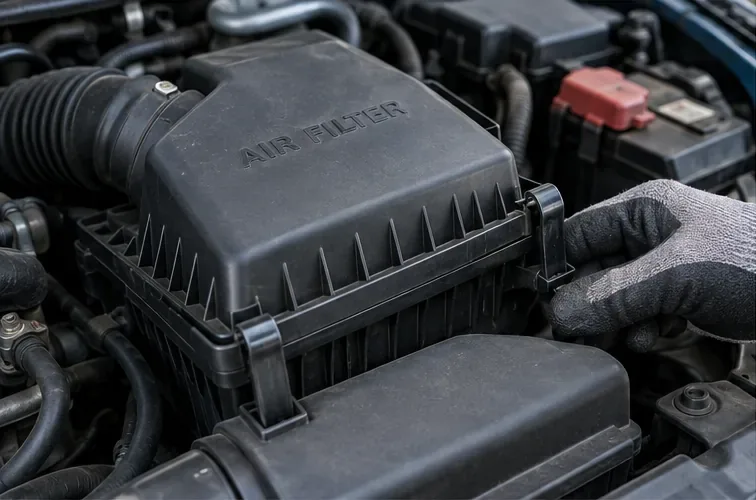
Learn how to clean a car air filter safely, when a paper filter should be replaced instead, and how reusable filters require different care.
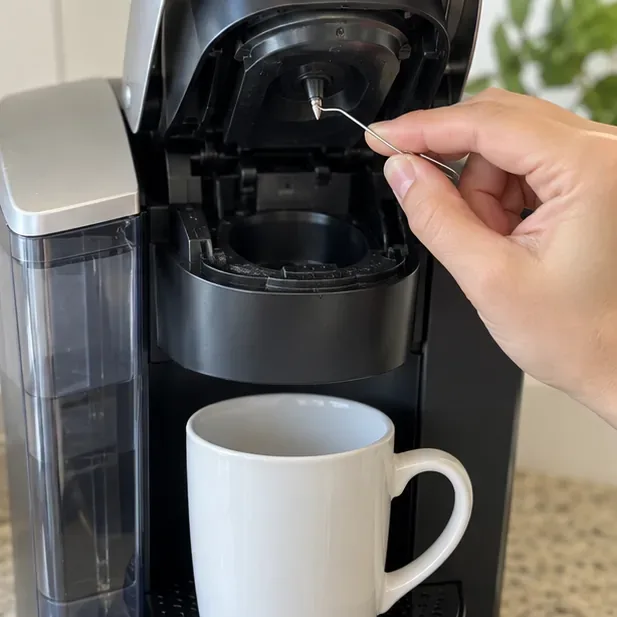
Learn how to clean a Keurig entrance and exit needle safely, clear coffee-ground clogs, rinse the brewer, and know when descaling is the next step.
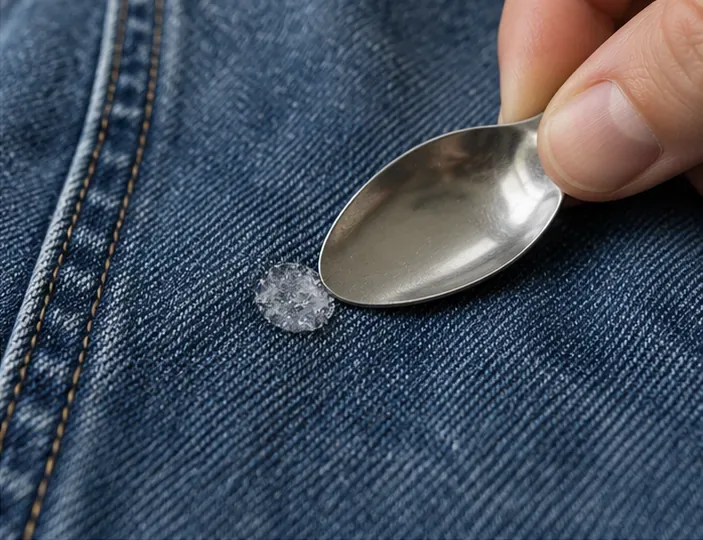
Learn how to remove dried nail glue from clothes safely, when acetone is appropriate, which fabrics need extra care, and when to stop and call a cleaner.
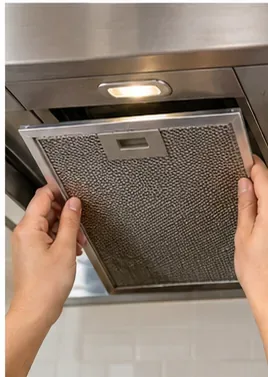
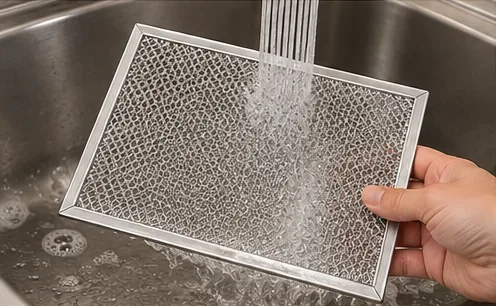
Learn how to clean a metal range hood filter safely, when dishwasher cleaning is okay, and why charcoal filter care depends on your exact model.
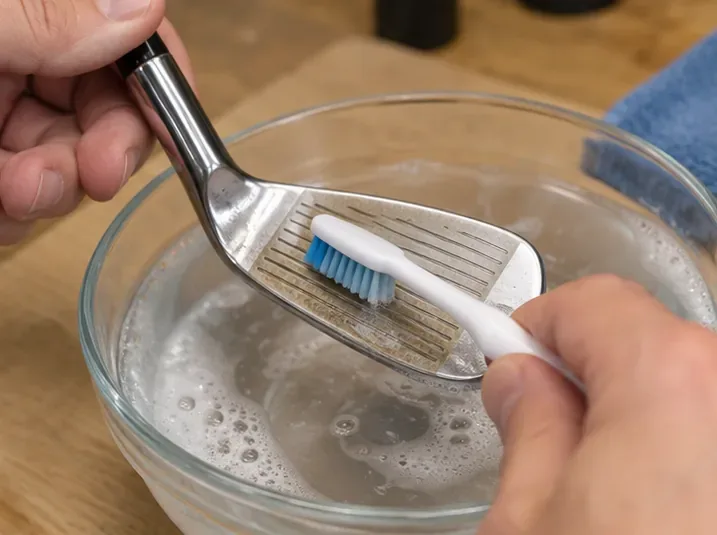
Learn how to remove rust from golf clubs safely, judge the result, protect raw and plated finishes, and know when cleaning should stop.
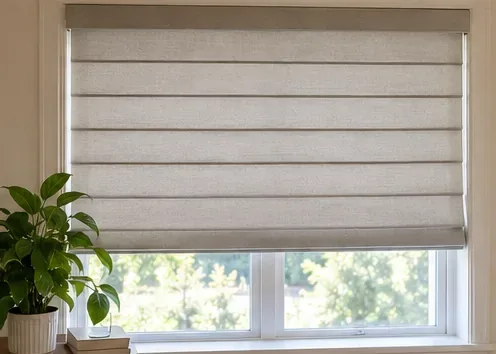
Learn how to clean fabric blinds safely with gentle vacuuming, spot cleaning, rinsing, and drying—plus when water, washing, or DIY deep cleaning can cause damage.
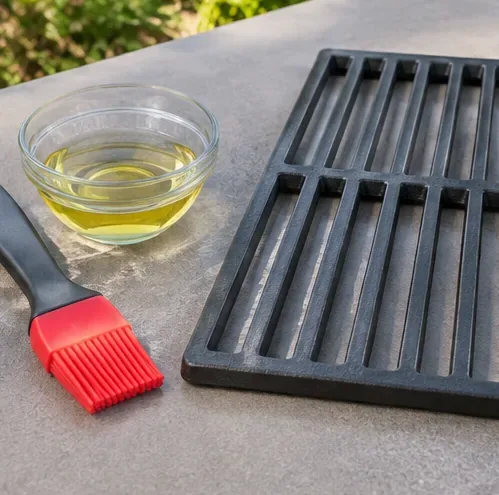
Learn how to season gas grill grates safely, including when cast iron needs seasoning, when porcelain enamel does not, and how to check the result.
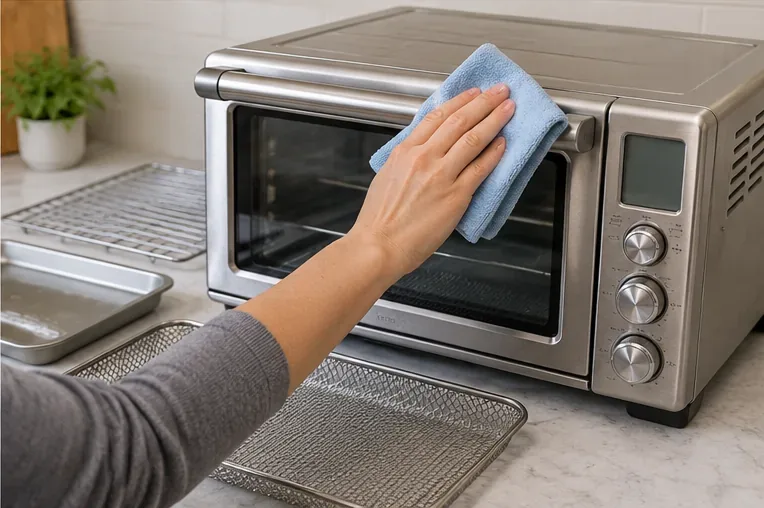
Clean a Breville toaster oven safely with mild soap, soft cloths, and the right sequence. Learn what clean should look like, what to avoid, and when to stop.
Learn how to clean a microwave grease filter, when a dishwasher is appropriate, and why charcoal filters should be replaced instead of washed.