How to Clean a PS5 Fan Without Taking It Apart: A Safe Beginner Guide

Learn how to clean PS5 vents safely without opening the console, using Sony-recommended low-power vacuuming, dry wiping, and proper airflow.
A baseball glove collects infield dirt, sweat, dust, and skin oils in places that are hard to reach, but cleaning it is not the same as washing a pair of shoes. The safest approach is usually to remove dry debris first, use as little moisture as necessary, let the glove dry naturally, and condition only the materials that actually call for conditioner.
Illustrative example: imagine Jordan has a two-season brown leather infield glove with dried dirt in the pocket, dusty laces, and a few dull-looking dry areas. The glove has no mold, no torn lace, and no soaked padding. Jordan's glove is only a hypothetical example used to show how the process works; it is not a test result, endorsement, or claim about a particular model.
This guide was checked against manufacturer guidance available in September 2026. Rawlings' current care table says fielding gloves should be cleaned with a dry cloth or soft sponge and/or its glove-treatment products, and specifically says not to use solvents or ammonia-based cleaners. Wilson recommends a damp cloth or rag for general glove cleaning and natural drying. Nokona recommends a clean cloth with a small amount of its leather treatment for its gloves. Those recommendations overlap, but they are not identical, so the glove's material and maker still matter.
This is the first decision because there is no single cleaning product that is automatically correct for every baseball glove.
For traditional leather fielding gloves, manufacturer-approved glove conditioner may be appropriate when the leather is dry. For synthetic panels, the advice can be different. Wilson, for example, says its SuperSkin synthetic material needs only a damp rag with water and does not require Mink Oil Glove Paste or Pro Stock Glove Conditioner. See Wilson's SuperSkin care guidance.
Useful action: identify the model and materials before opening any bottle. If you cannot verify the material, start with the least aggressive method: dry debris removal followed by a barely damp cloth on a small, inconspicuous area.
A common online shortcut is to treat household dish soap, saddle soap, alcohol, or another cleaner as universally safe. That is not supported by the manufacturer guidance used here. Rawlings' current fielding-glove instructions are notably conservative: a dry cloth or soft sponge and/or Glovolium treatment products, with solvents and ammonia-based products explicitly excluded. Useful action: unless your glove maker specifically approves a cleaner, do not make a household cleaner your default.
Look at the palm, finger stalls, web, laces, binding, and heel. Check for loose or broken laces, cracked leather, separated layers, mold, or areas that are still wet from rain. Cleaning cannot repair structural damage, and working aggressively around a failing lace can make the problem worse.
In Jordan's illustrative case, the laces are intact and the leather is simply dirty, so routine cleaning is a reasonable next step. If the glove had torn laces or significant structural damage, the better action would be repair or professional service first.
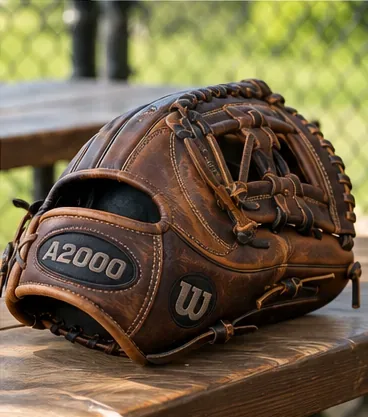
Brush or wipe away surface dust, dried clay, and grit before adding moisture. Work gently through the pocket, web, finger channels, and around the laces. The goal is to lift particles, not grind them into the leather.
This dry-first approach also makes it easier to see which marks are actually stains and which are only loose field dirt. Jordan would spend most of the first cleaning pass here rather than immediately reaching for liquid.
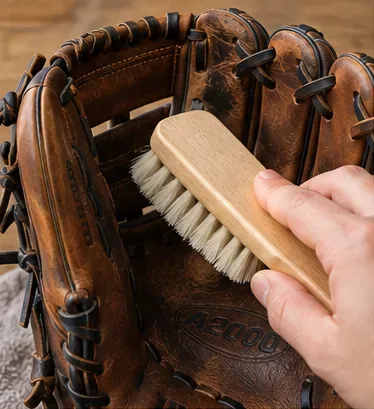
For ordinary dirt on a glove whose maker permits damp wiping, dampen a clean cloth with water and wring it out well. The cloth should be damp, not dripping. Wipe a small section at a time, then turn to a clean part of the cloth as soil transfers.
Wilson's glove-care guidance says to clean a gamer with a damp cloth or rag and then let it dry naturally. Rawlings is even more conservative in its general fielding-glove care table, recommending a dry cloth or soft sponge and/or its Glovolium products. Compare the official Wilson glove-care tips with the Rawlings fielding-glove care instructions.
Useful action: if the maker's instructions for your exact model are stricter than this guide, follow the maker. Do not immerse the glove or pour water into the finger stalls just to speed up cleaning.
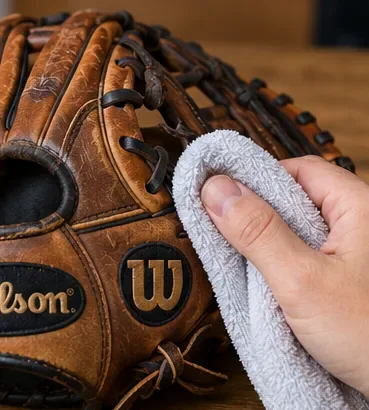
Dirt often remains where leather panels meet. Use the corner of a soft cloth, a soft brush, or a cotton swab to lift debris beside laces and seams. Keep the tool dry when possible; if a damp tool is needed and your glove maker permits water, use very little.
Jordan's hypothetical glove has dirt packed beside the web laces. Rather than soaking the area, Jordan would loosen the dirt mechanically and wipe it away. That reduces the amount of moisture that has to leave the glove later.
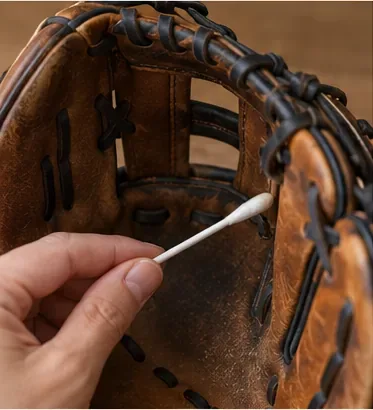
After damp wiping, leave the glove open in a ventilated indoor area and let it dry naturally. Wilson explicitly recommends natural drying after cleaning. Rawlings recommends storing gloves in a cool, dry area away from direct sunlight. Those two pieces of guidance point in the same direction: routine care should not depend on aggressive heat.
Do not put a damp glove against a heater or leave it baking in direct sun to make it dry faster. Exact effects depend on leather, finish, temperature, and duration, so a universal damage threshold cannot be stated from the manufacturer sources reviewed here. The practical action is simple: use room-temperature airflow and patience.
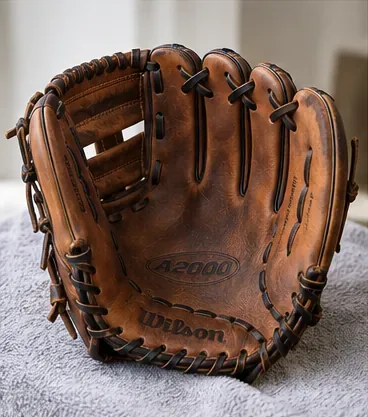
Conditioner is maintenance, not a required coating after every wipe-down. Wilson says to apply conditioner to dry areas and not to overdo it; its glove-care article says to let the glove sit for 24 hours before using it again after conditioning. Rawlings advises a light treatment after every season or so and warns not to saturate the glove. Nokona likewise says to use a small amount of its treatment and cautions against oversaturation in its official glove-care tips.
For Jordan's glove, only the visibly dry leather would receive a thin, compatible treatment. The goal is not to make the glove greasy or dramatically darker. Apply sparingly with a clean cloth and follow the product and glove manufacturer's directions.
Important exception: do not assume a leather conditioner belongs on synthetic material. Wilson says SuperSkin needs only a damp rag with water and does not require its leather conditioning products.

Once the glove is clean and appropriately dry, place a baseball or softball in the pocket and let the glove rest in its normal catching shape. Wilson recommends reshaping with an 11-inch softball in the pocket and tying a sock around the glove overnight. Rawlings also recommends storing a glove with a ball in the pocket.
Jordan would use a ball to keep the pocket from flattening while the glove rests. The exact wrap tension and pocket depth depend on position, glove pattern, and personal preference, so do not force a shape that fights the glove's established break points.
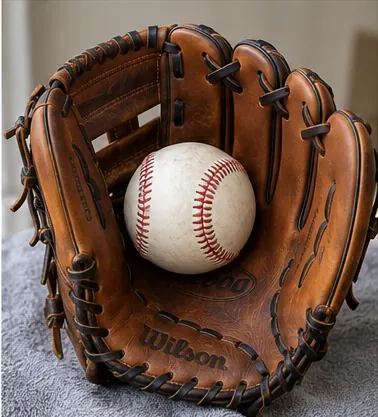
Rawlings' current instructions say to store fielding gloves in a cool, dry area away from direct sunlight and with a ball in the pocket. That is a useful default after every cleaning, not just at the end of a season. Avoid leaving the glove crushed under equipment in a hot car or sealed while still damp.
In the illustrative example, Jordan's final step is simply to put the dry glove on a shelf with a ball in the pocket, where it will not be compressed or exposed to direct sun.
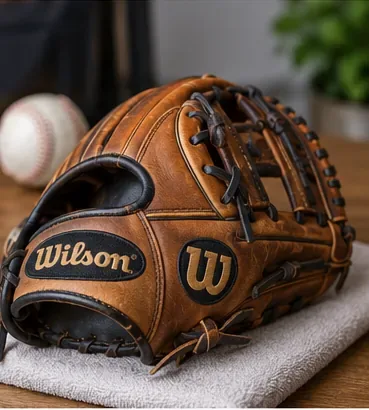
Do not automatically copy a leather-care routine. Wilson's SuperSkin is a clear example: Wilson says water on a damp rag is sufficient and that the material does not need its leather conditioner or mink-oil paste. Other manufacturers may use different synthetic materials with different finishes.
Useful action: clean each material according to its own instructions. If a glove combines leather and synthetic panels, keep conditioner on the leather only unless the manufacturer explicitly says otherwise.
There is no manufacturer-wide rule that makes those products safe for every glove. The official guidance reviewed for this article does not support treating them as universal cleaners. Rawlings specifically says not to use solvents or ammonia-based products on fielding gloves. Wilson's ordinary cleaning advice is simply a damp cloth followed by natural drying.
Shaving cream is also a poor default because formulations vary and may contain ingredients intended for skin rather than ball-glove leather. Likewise, household cooking oils are not the same thing as products formulated by a glove maker. This does not prove that every non-glove product will damage every glove; it means compatibility has not been established broadly enough to recommend those shortcuts here.
Useful action: if you cannot find model-specific instructions, use dry cleaning plus minimal water first, then contact the manufacturer before applying an unfamiliar chemical.
Cleaning frequency depends on use. A glove used daily on dusty infields may need dry brushing and wiping more often than one used occasionally on clean turf. Conditioning should be much less automatic. Rawlings suggests a light treatment after every season or so; Wilson describes conditioning dry areas and warns against overdoing it.
A practical routine is to remove loose dirt after dirty sessions, perform a fuller wipe-down when grime accumulates, and condition only when the leather and maker's instructions indicate a need. More product is not the same as better maintenance.
Routine cleaning is not restoration. Stop and consider professional service if the glove has torn laces, split leather, separated padding, severe water saturation, persistent mold, or damage around the web or finger stalls. Nokona, for example, lists professional cleaning, conditioning, relacing, and other repairs on its official repair-services page, which illustrates how some problems belong in the repair category rather than the cleaning category.
Useful action: if cleaning would require pulling on damaged laces, soaking the glove, or using a strong chemical to remove a problem you cannot identify, pause and ask the glove manufacturer or a qualified glove-repair service.
For a normally dirty glove like Jordan's hypothetical example, the key is restraint: remove grit, wipe only as much as needed, dry naturally, and treat the leather only when the material and manufacturer guidance justify it. That approach is slower than soaking or scrubbing aggressively, but it is much easier to control.
Learn how to clean PS5 vents safely without opening the console, using Sony-recommended low-power vacuuming, dry wiping, and proper airflow.
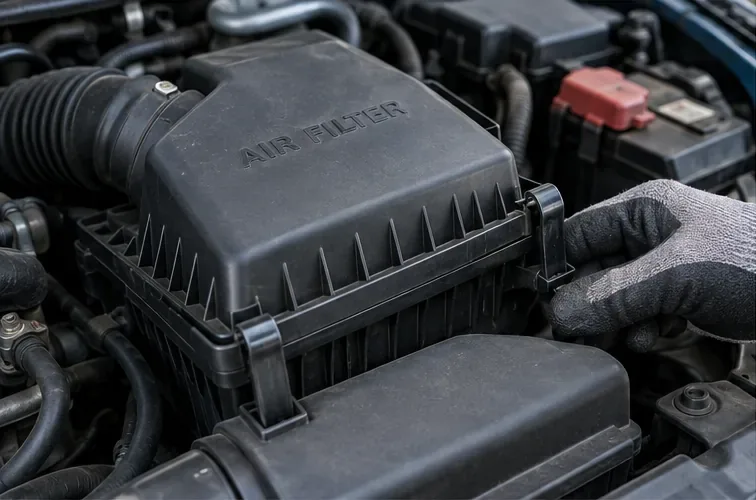
Learn how to clean a car air filter safely, when a paper filter should be replaced instead, and how reusable filters require different care.
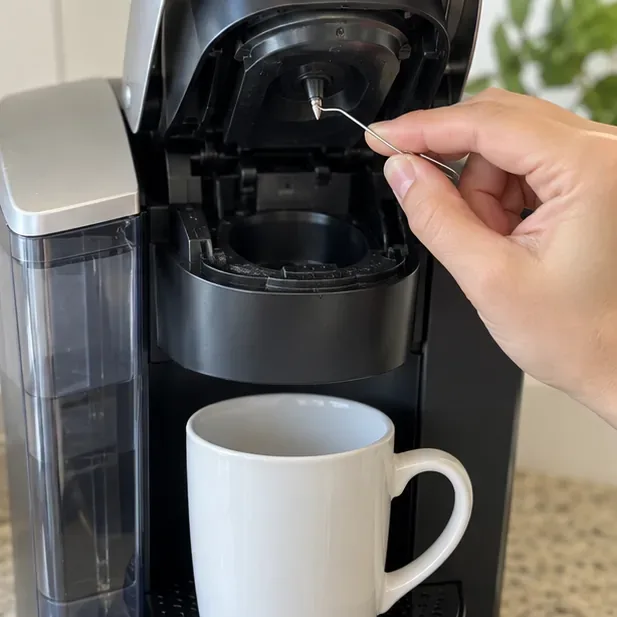
Learn how to clean a Keurig entrance and exit needle safely, clear coffee-ground clogs, rinse the brewer, and know when descaling is the next step.
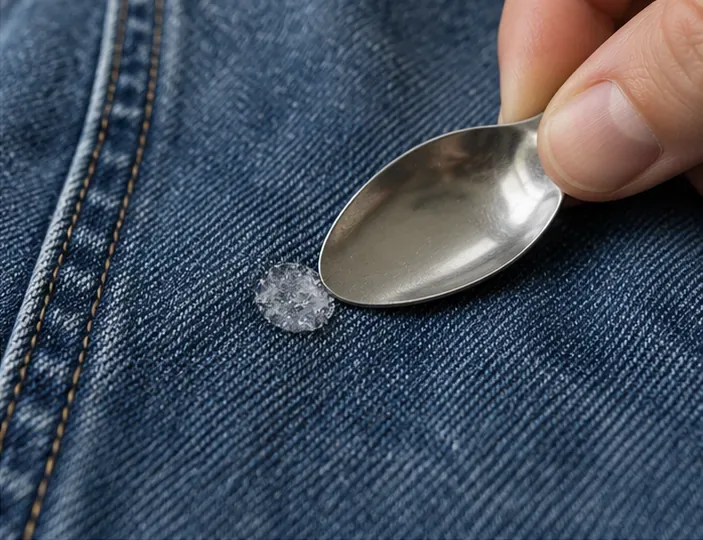
Learn how to remove dried nail glue from clothes safely, when acetone is appropriate, which fabrics need extra care, and when to stop and call a cleaner.
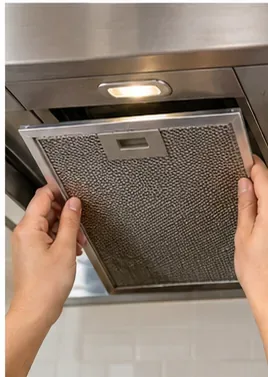
Learn how to clean a metal range hood filter safely, when dishwasher cleaning is okay, and why charcoal filter care depends on your exact model.
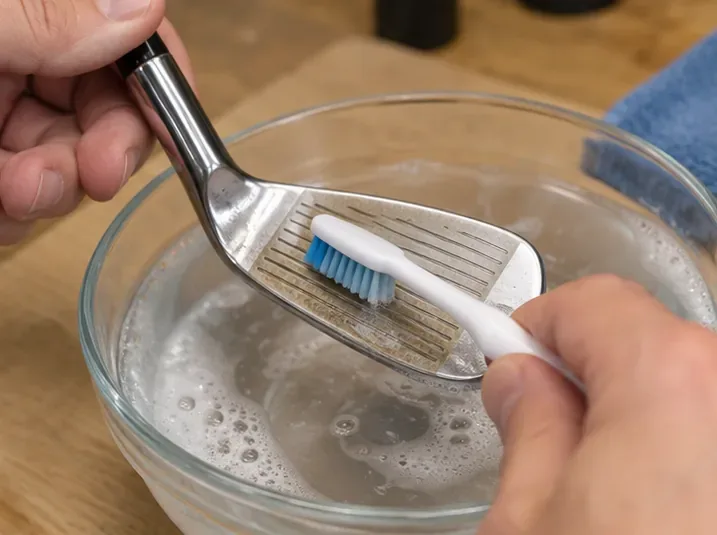
Learn how to remove rust from golf clubs safely, judge the result, protect raw and plated finishes, and know when cleaning should stop.
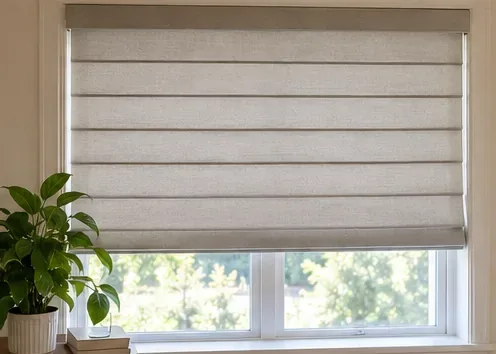
Learn how to clean fabric blinds safely with gentle vacuuming, spot cleaning, rinsing, and drying—plus when water, washing, or DIY deep cleaning can cause damage.
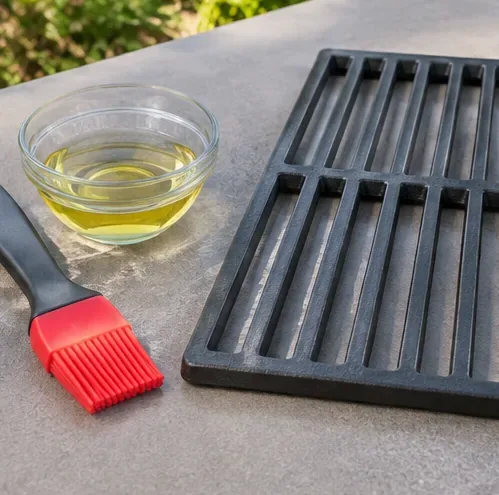
Learn how to season gas grill grates safely, including when cast iron needs seasoning, when porcelain enamel does not, and how to check the result.
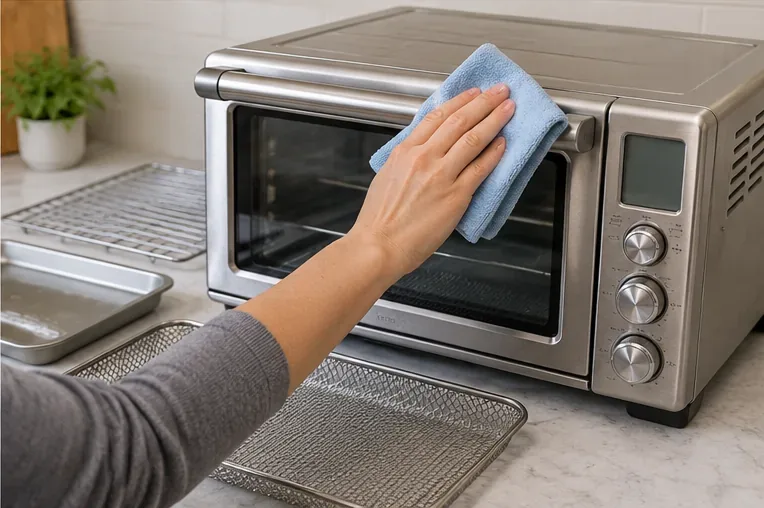
Clean a Breville toaster oven safely with mild soap, soft cloths, and the right sequence. Learn what clean should look like, what to avoid, and when to stop.
Learn how to clean a microwave grease filter, when a dishwasher is appropriate, and why charcoal filters should be replaced instead of washed.