How to Clean a PS5 Fan Without Taking It Apart: A Safe Beginner Guide
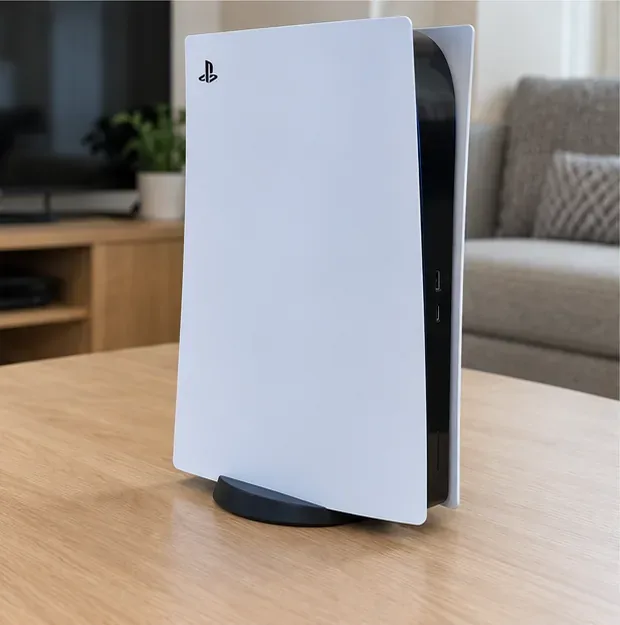
Learn how to clean PS5 vents safely without opening the console, using Sony-recommended low-power vacuuming, dry wiping, and proper airflow.
If you wear a retainer every night—or for most of the day—it spends hours in direct contact with saliva, plaque, and whatever remains on your teeth. Waiting until it smells bad or looks cloudy is not a good maintenance plan. For most removable retainers, the more useful routine is simple: rinse it whenever you remove it, clean it every day, and add periodic deeper cleaning when your orthodontist or product instructions recommend it.
The American Association of Orthodontists (AAO) currently recommends daily attention for removable retainers. Its June 5, 2025 care guide says to rinse a retainer in lukewarm water each time it is removed, brush it every day with a dedicated toothbrush and mild dish soap, and use a retainer-cleaning tablet or solution about once a week for a deeper clean. The AAO's main retainer page likewise emphasizes daily cleaning and at least weekly soaking as an option to limit buildup. See the AAO retainer-cleaning guide and AAO retainer care overview.

For most removable retainers, daily cleaning is the baseline. Rinse it whenever it comes out of your mouth so saliva and debris do not dry onto the surface, then give it a proper gentle cleaning at least once each day. A weekly deeper clean may help with residue that daily brushing does not fully remove.
That does not mean every retainer should be cleaned with exactly the same product. Clear plastic retainers, Hawley retainers with acrylic and wire, and brand-specific retainers can have different material instructions. For example, Invisalign's official guidance for Vivera retainers says they can be cleaned with a toothbrush and non-abrasive toothpaste, while the AAO's newer general guide advises avoiding toothpaste because many toothpastes are abrasive and can scratch retainer surfaces. See Invisalign's Vivera retainer guidance. When general advice and the instructions for your exact retainer differ, follow your orthodontist and the retainer manufacturer.
| Timing | What to do | What you are trying to achieve |
|---|---|---|
| Every time you remove it | Rinse with cool or lukewarm water. | Keep saliva and loose debris from drying onto the retainer. |
| Every day | Gently clean all surfaces using the method approved for your retainer. | Remove the film of plaque and debris before it becomes harder buildup. |
| About once a week | Use an orthodontist-approved retainer cleaner or soak if appropriate for the material. | Address residue and odor that routine daily cleaning may miss. |
| Whenever the case gets dirty | Clean and dry the storage case too. | Avoid putting a clean retainer back into a contaminated case. |
| At orthodontic or dental checks | Have fit, condition, fixed wires, and difficult buildup evaluated. | Catch damage or hygiene problems that cleaning alone cannot correct. |
The AAO notes that an old or dirty retainer case can harbor bacteria and undermine cleaning efforts. It recommends replacing a case when it is cracked, worn, or continues to smell after cleaning. Keeping the retainer clean while ignoring the case can produce disappointing results.
A successful routine should do more than make the retainer look shiny. The useful signs are:
A retainer does not have to look factory-new forever. Clear plastic can gradually show minor cosmetic changes with use. The goal is a hygienic appliance that remains structurally sound and fits correctly—not a perfectly colorless surface at any cost.
You can rinse a removable retainer as often as you take it out. A full scrub after every single removal is not always necessary if your orthodontist has given you a different routine, but the AAO describes cleaning whenever a retainer comes out as an ideal approach and consistently emphasizes daily cleaning.
If you wear your retainer full-time during an early retention phase, it has more hours of contact with saliva and plaque than a retainer worn only at night. In that situation, rinsing after removal and keeping your teeth clean before reinserting the retainer become especially important. If the appliance begins to feel coated or smell before your usual cleaning time, clean it rather than waiting for the calendar.
The AAO's 2025 guide recommends a retainer-cleaning tablet or solution once per week, with the product used according to its instructions. Its main retainer guidance also suggests soaking at least weekly to help prevent buildup.
“Deep cleaning” should not mean stronger chemicals. It means using a method designed for oral appliances to remove residue that daily brushing and rinsing have not fully lifted. Avoid improvising with bleach, strong detergents, or alcohol-based mouthwash unless your orthodontist or manufacturer specifically directs otherwise. The AAO cautions that harsh chemicals can damage retainer material or leave residues that irritate the mouth.
A fixed retainer, also called a bonded retainer, is a wire attached to the back of the teeth. You do not remove it for a daily soak. Instead, the teeth and wire need daily plaque control.
The AAO advises brushing around the wire and cleaning between the teeth with floss, a floss threader, an interdental brush, or another method recommended by your dental professional. Its FAQ specifically says to clean under a fixed retainer wire with dental floss at least once a day.
With a fixed retainer, quality is judged by the health of the area around it: gums should not stay inflamed or bleed because plaque is being left under the wire, and hardened deposits should not continue accumulating around the bonded points. Your dentist can remove tartar that home cleaning cannot.
No. Odor is a useful warning sign, but it is a late and incomplete one. Plaque can accumulate before the retainer develops a noticeable smell. A daily routine is more reliable than waiting for odor.
If a retainer still smells unpleasant after a thorough, appropriate cleaning, the AAO says persistent odor can be associated with lingering bacteria, insufficient drying, material aging, or microscopic cracks. That is a reason to review your cleaning routine and, if the problem persists, ask your orthodontist to inspect the appliance rather than repeatedly soaking it in stronger solutions.
Change the approach when the current one is either failing to clean the retainer or beginning to damage it. Useful warning signs include:
The AAO specifically warns against hot or boiling water because heat can warp plastic retainers. If water feels too hot on your skin, it is too hot for the retainer. Do not try to “sanitize” a plastic retainer with boiling water.
No. This is an area where product-specific instructions matter. The AAO's 2025 general cleaning guide recommends mild dish soap or a retainer-specific cleanser and says to avoid toothpaste because abrasive or whitening ingredients can scratch the surface. However, Invisalign's Vivera guidance says a regular toothbrush or denture toothbrush with non-abrasive toothpaste can be used.
The difference is a good example of why cleaning advice should be matched to the appliance. If your orthodontist gave you a branded cleaning protocol, use it. If you do not know the retainer material, a dedicated retainer cleanser or the method recommended by your orthodontist is safer than experimenting.
Not always. Cloudiness can come from plaque or mineral deposits, but it can also be caused by fine scratches and material wear. If daily cleaning and an approved weekly soak do not improve the appearance, scrubbing harder may make the surface rougher without making it more hygienic.
Run a clean finger over the retainer after it has been cleaned and rinsed. A chalky or crusty texture suggests deposits; a smooth but permanently cloudy surface may be cosmetic wear. When you are unsure, bring the retainer to your orthodontist rather than using progressively harsher products.
Cleaning cannot repair a cracked, warped, distorted, or poorly fitting retainer. The AAO recommends professional evaluation when a retainer develops cracks, loose wires, persistent discoloration or odor, irritation, or changes in fit.
A retainer that suddenly feels much tighter can also mean your teeth have shifted after inconsistent wear. Do not reshape it with heat or force it aggressively into place. The AAO says a retainer that remains uncomfortable or no longer fits correctly should be evaluated by an orthodontist.
| Check | Good result | Reason to change course |
|---|---|---|
| Surface | Feels clean and mostly free of film or crust. | Hard buildup remains after appropriate cleaning. |
| Odor | No strong persistent smell. | Odor quickly returns despite a clean case and good routine. |
| Shape | No visible warping or deformation. | Plastic looks bent, stretched, or distorted. |
| Fit | Seats in the same way it normally does. | New gaps, rocking, pain, or inability to seat fully. |
| Comfort | No new rough or sharp areas. | Cracks, sharp edges, or loose wire cause irritation. |
| Fixed retainer area | Gums and tooth surfaces can be cleaned around the wire. | Persistent bleeding, swelling, tartar, or a loose bond is present. |
For most removable orthodontic retainers, clean them every day, rinse them whenever they are removed, and consider an orthodontist-approved deeper clean about once a week. Clean the storage case regularly as well. For a fixed retainer, brush normally and clean under and around the wire every day.
The schedule is working when your retainer stays free of obvious film and debris, does not develop persistent odor, remains comfortable, and continues to fit correctly. If stronger cleaning seems necessary again and again, or if you see hard deposits, cracks, warping, irritation, or a change in fit, the next step is not a harsher cleaner. It is a review with your orthodontist or dentist.
Sources checked September 11, 2026. Retainer materials and orthodontic treatment plans vary, so instructions from your own orthodontist and the manufacturer of your specific retainer should take priority over general care guidance.
Learn how to clean PS5 vents safely without opening the console, using Sony-recommended low-power vacuuming, dry wiping, and proper airflow.
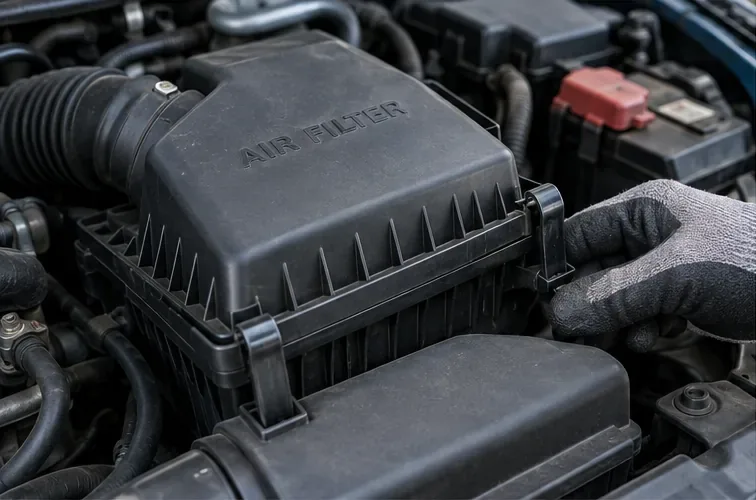
Learn how to clean a car air filter safely, when a paper filter should be replaced instead, and how reusable filters require different care.
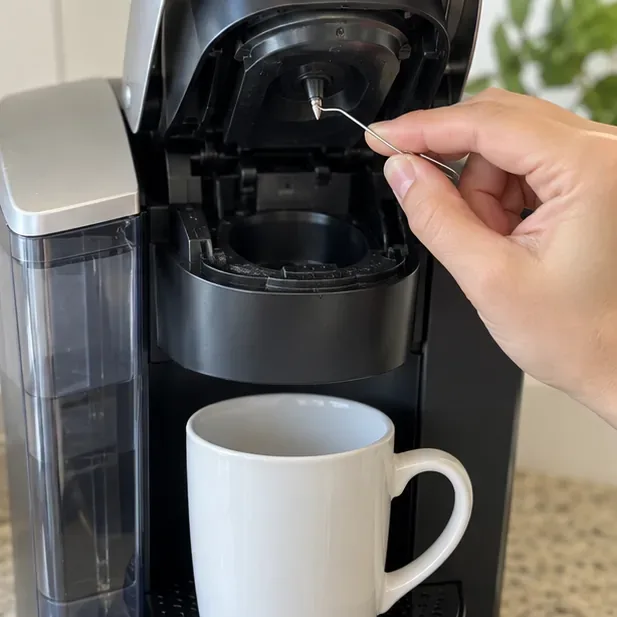
Learn how to clean a Keurig entrance and exit needle safely, clear coffee-ground clogs, rinse the brewer, and know when descaling is the next step.
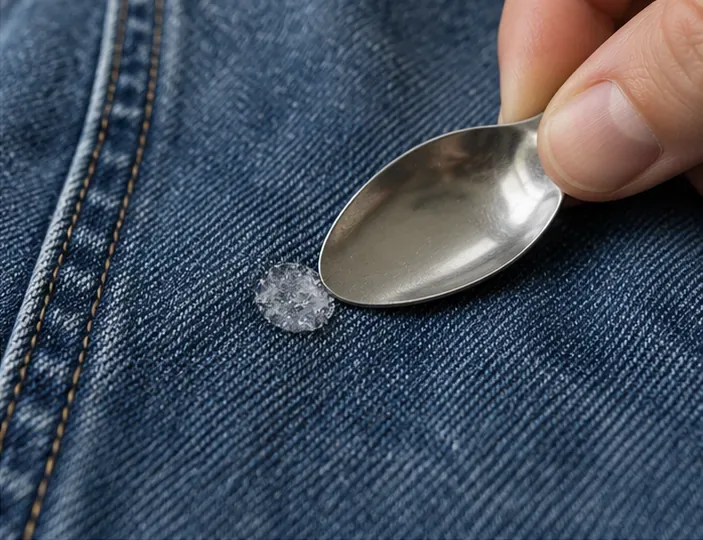
Learn how to remove dried nail glue from clothes safely, when acetone is appropriate, which fabrics need extra care, and when to stop and call a cleaner.
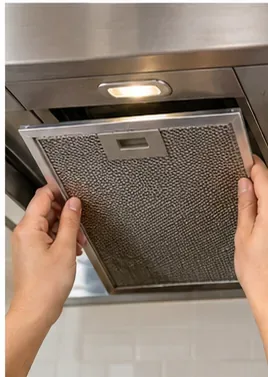
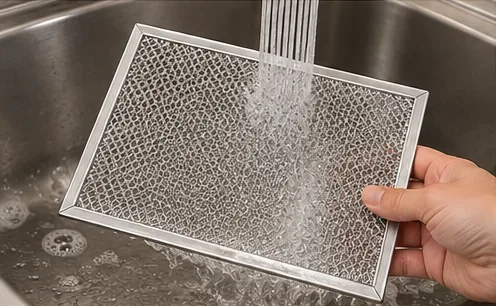
Learn how to clean a metal range hood filter safely, when dishwasher cleaning is okay, and why charcoal filter care depends on your exact model.
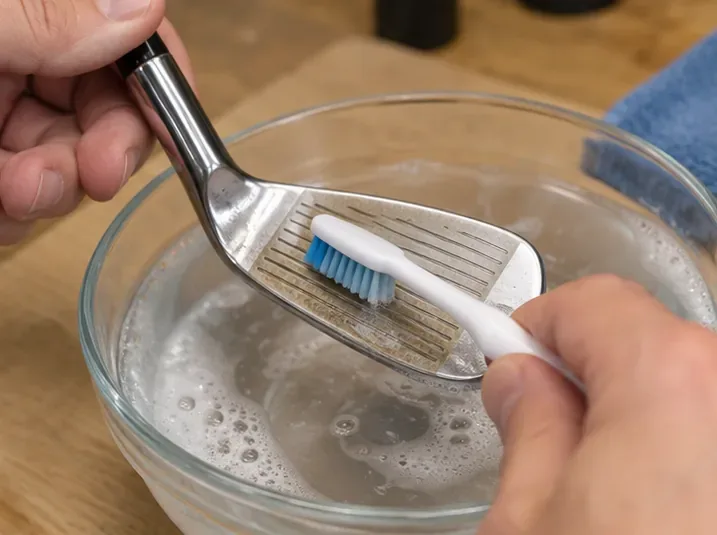
Learn how to remove rust from golf clubs safely, judge the result, protect raw and plated finishes, and know when cleaning should stop.
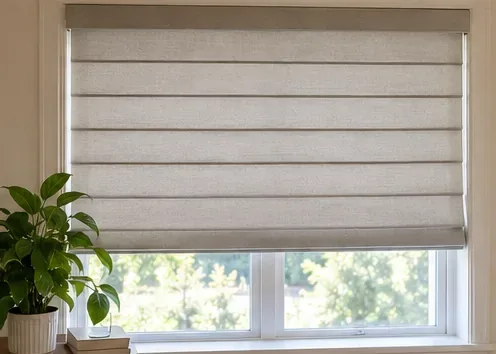
Learn how to clean fabric blinds safely with gentle vacuuming, spot cleaning, rinsing, and drying—plus when water, washing, or DIY deep cleaning can cause damage.
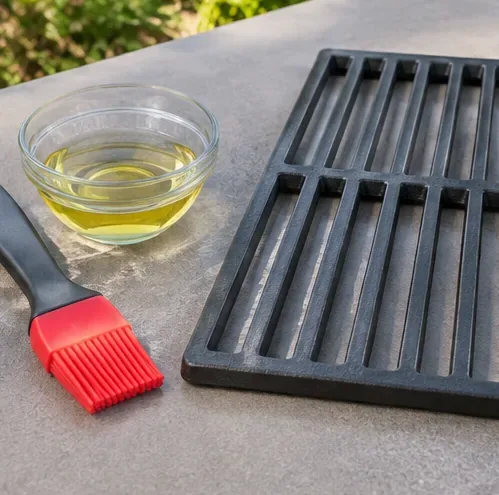
Learn how to season gas grill grates safely, including when cast iron needs seasoning, when porcelain enamel does not, and how to check the result.
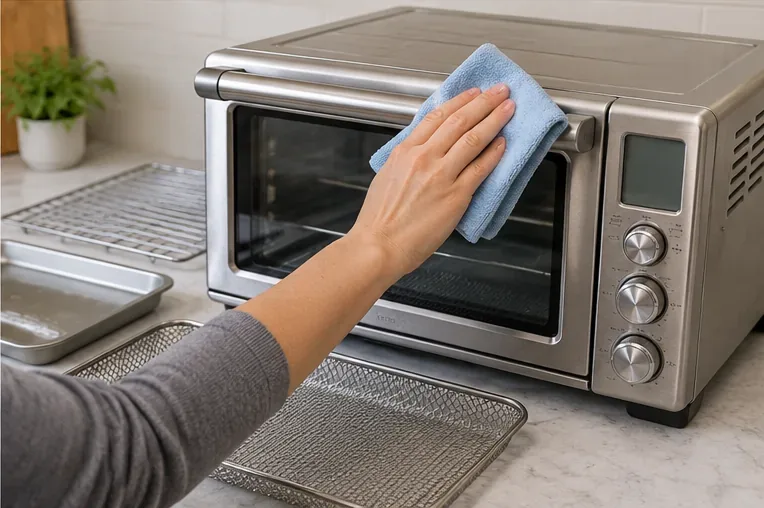
Clean a Breville toaster oven safely with mild soap, soft cloths, and the right sequence. Learn what clean should look like, what to avoid, and when to stop.
Learn how to clean a microwave grease filter, when a dishwasher is appropriate, and why charcoal filters should be replaced instead of washed.