How to Clean a PS5 Fan Without Taking It Apart: A Safe Beginner Guide
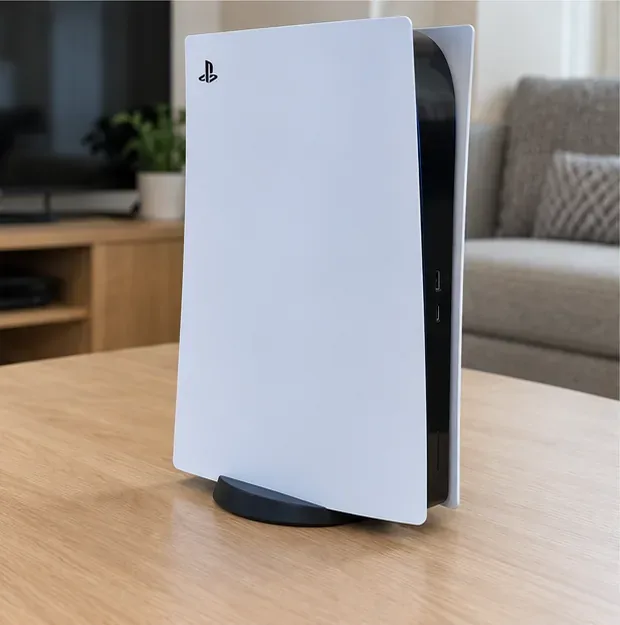
Learn how to clean PS5 vents safely without opening the console, using Sony-recommended low-power vacuuming, dry wiping, and proper airflow.
Cleaning the inside of a purse is less about finding one powerful cleaner and more about matching the method to the lining. A coated nylon interior, cotton lining, calfskin lining, and suede lining can all react differently to water, soap, friction, and household cleaners. The safest approach is therefore: identify the material, remove dry debris first, use the least moisture needed, and stop if the maker's care instructions are more restrictive.
Illustrative scenario: imagine Maya opens a favorite everyday purse and finds crumbs in the corners, a dusty pocket, and one small sticky mark on the lining. The purse is hypothetical, and the steps below are not a report of a real cleaning test or a customer result. We will use Maya's situation only to show how the process changes depending on the material and the type of mess.
The first question is not "Which cleaner should I use?" It is "What material am I about to clean?" Check the care label, product page, owner's care booklet, or the manufacturer's service information. If you cannot identify the lining, choose the most conservative option: dry debris removal, a soft cloth, and professional advice for valuable or delicate bags.
Manufacturer guidance supports this material-first approach. Longchamp tells owners of some bags to clean the lining with a cloth or soft brush using water and neutral soap, while also warning against soaking the fabric and against wetting leather trim on other care pages. Gucci advises a soft dry cloth for many handbags and warns that cleaning or protective products can alter the bag's appearance. Louis Vuitton gives different instructions for different leathers and canvas, including dry or slightly damp cloth methods and warnings against solvents and household treatments. Prada recommends that some Re-Nylon bags not be washed frequently and instead be aired out and professionally dry cleaned when necessary. Burberry treats suede and nubuck as special-care materials and recommends soft brushing rather than aggressive wet cleaning.
Practical rule: generic purse-cleaning advice should never override model-specific care instructions.
Avoid starting with alcohol, bleach, disinfectant, stain remover, saddle soap, leather conditioner, or an all-purpose cleaner. Those products may be acceptable for some materials, but several luxury manufacturers specifically warn that chemicals, alcohol-based products, oils, or commercial cleaners can alter finishes or stain leather and canvas.
Take out the wallet, keys, cosmetics, pens, receipts, removable pouches, and anything hidden in zip or slip pockets. Turn pockets outward if their construction allows it. This gives you a clear view of crumbs, stains, loose fibers, and any damage that should not be scrubbed.
In Maya's hypothetical purse, this step reveals that most of the mess is dry debris, not a major stain. That matters because dry debris should be removed before any moisture is introduced.
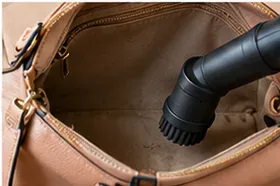
Gently shake out loose debris over a trash can. For a sturdy textile lining, a handheld vacuum with a soft brush attachment on low suction can help lift particles from corners. Keep the nozzle moving and do not pull hard on a loose or delicate lining. A soft dry brush is the safer alternative if the fabric is fragile, embroidered, loosely attached, or difficult to identify.
This vacuum step is a practical technique rather than a universal manufacturer requirement. If the lining is leather, suede, embellished, or visibly damaged, skip the vacuum and use a soft cloth or brush instead.
For washable or damp-cleanable fabric linings, mix a very small amount of mild neutral soap with cool or lukewarm water. Longchamp's official care guidance for several products uses water with neutral soap and a cloth or soft brush, while its broader care instructions warn not to soak fabric.
Do not assume this solution is appropriate for every purse. Gucci's handbag guidance is considerably more conservative, and Louis Vuitton's leather-care advice varies by leather type. Prada also tells owners of certain Re-Nylon bags not to wash them too often. For suede or nubuck, wet cleaning can change texture or color, so follow the manufacturer's instructions or use a specialist.
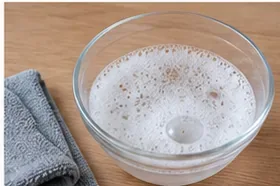
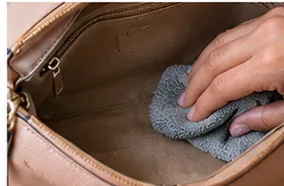
Lightly dampen the cloth, wring it out thoroughly, and test an inconspicuous corner. Wait long enough to see whether the material darkens permanently, transfers dye, develops a ring, or changes texture. If the test looks normal, blot or wipe the soiled area gently. Avoid saturating seams, stiffeners, cardboard-like internal structures, leather trim, or glued components.
For Maya's hypothetical sticky mark, the goal is to use the smallest amount of moisture that loosens the residue. Repeated light passes are safer than pouring solution directly into the bag.
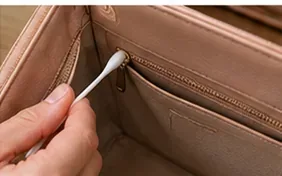
Dust and makeup residue often settle along stitching, zipper ends, and narrow pocket corners. A dry cotton swab or soft brush can loosen debris. If the care instructions allow damp cleaning, a barely damp swab can be used locally, followed immediately by blotting with a dry cloth.
Do not scrub metal hardware with a wet swab unless the manufacturer permits it, and do not push moisture into zipper tapes or glued seams. If the mark is ink, nail polish, perfume, or an unknown chemical stain, stop before experimenting with solvents. Those stains can spread or permanently alter leather, suede, coated fabrics, or dyes.
After damp cleaning, blot any remaining moisture with a clean towel and leave the purse open in a well-ventilated room. Keep it away from radiators, hair dryers, strong direct sunlight, and other heat sources. Longchamp recommends room-temperature air drying for its applicable fabrics, while Gucci, Louis Vuitton, Prada, and Burberry also caution against excessive heat, direct light, or moisture for many bag materials.
Do not refill the purse while the lining is still damp. Trapped moisture can encourage odor and may affect adhesives, leather trim, or hardware.
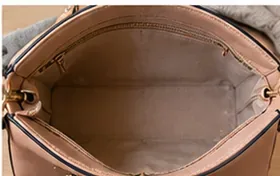
Once dry, check the lining under good light. If a stain remains but the material is stable and the manufacturer allows another gentle pass, repeat only the local cleaning step. If the stain has spread, the color has changed, or the texture feels different, stop and consult the brand or a professional cleaner.
Before returning items, consider putting pens, makeup, hand sanitizer, and liquids in separate pouches. This does not clean the purse, but it reduces the chance that the next leak reaches the lining.
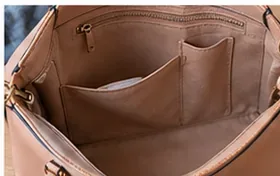
Wipe dust from hard items before replacing them, cap cosmetics and pens securely, and avoid overfilling the bag. Louis Vuitton's general care guidance notes that overpacking can distort a bag's shape, while several luxury brands recommend storing bags in protective dust bags away from heat, light, and humidity when not in use.
In our hypothetical example, Maya could place cosmetics and pens in a zip pouch before returning them to the purse. That is a preventive habit, not a guarantee against future spills.
| Interior material | Generally safer first approach | What to avoid unless the maker allows it |
|---|---|---|
| Cotton, polyester, or other washable textile lining | Dry debris removal, then a barely damp cloth with mild neutral soap after a hidden-area test | Soaking, bleach, aggressive scrubbing, high heat |
| Nylon or coated textile | Soft cloth; use manufacturer-approved damp cleaning only | Frequent full washing, harsh solvents, strong heat |
| Smooth leather lining | Soft dry cloth; on some leathers a slightly damp cloth is permitted | Household cleaners, alcohol, oils, soaking |
| Suede or nubuck lining | Soft-bristled brush and specialist guidance | Wet scrubbing, hard or wire brushes, solvents |
| Unknown or luxury mixed-material lining | Dry debris removal and brand-specific advice | Experimental stain removers or universal cleaning recipes |
The table is deliberately conservative. For example, Burberry recommends a soft-bristled brush for suede and nubuck and warns against solvents. Louis Vuitton states that some calfskin and cowhide surfaces can be wiped with a soft damp cloth, but it gives more restrictive instructions for other leathers. Prada's Re-Nylon guidance favors airing and specialized dry cleaning rather than frequent washing. These differences are why material identification comes first.
Blot excess product without spreading it. On a washable textile lining, use the mild method approved by the manufacturer. On leather, suede, or an expensive mixed-material bag, avoid improvising with makeup remover or alcohol.
Ink is a high-risk stain because common DIY suggestions often involve alcohol or solvents. Those substances can remove dye or damage coatings. If the bag is valuable, stop and use the manufacturer's repair or cleaning service instead of experimenting.
Lift solids first. If the lining is approved for damp cleaning, blot with a barely damp cloth and mild neutral soap, then remove soap residue with another lightly damp cloth. Keep moisture away from leather trim and internal stiffeners.
First empty the purse and air it out in a dry, shaded place. Prada specifically recommends airing some Re-Nylon products after use. Avoid adding perfume or deodorizing sprays, which can create new stains or interact with finishes. If odor persists after airing and dry debris removal, seek material-specific advice.
Professional or brand-authorized care is the better choice when the purse has a suede or delicate leather lining, significant ink or dye transfer, mold-like growth, extensive liquid saturation, damaged stitching, peeling coatings, valuable embellishments, or a stain whose source is unknown. It is also the sensible route for collectible or high-value bags when the manufacturer recommends professional service.
Gucci explicitly advises contacting its client services or boutique for special materials such as canvas, velvet, and suede. Prada recommends specialized ecological dry cleaning for certain Re-Nylon products. Burberry offers professional care services for eligible products. Those recommendations are useful reminders that some bags are not designed for home stain treatment.
The main takeaway from Maya's hypothetical purse is not that every interior can be made spotless with soap and water. It is that most cleaning risks can be reduced by working from dry to damp, from gentle to stronger only when permitted, and from known materials to manufacturer-specific care. If you cannot confidently identify the lining or the stain, stopping early is usually safer than trying a universal home remedy.
Learn how to clean PS5 vents safely without opening the console, using Sony-recommended low-power vacuuming, dry wiping, and proper airflow.
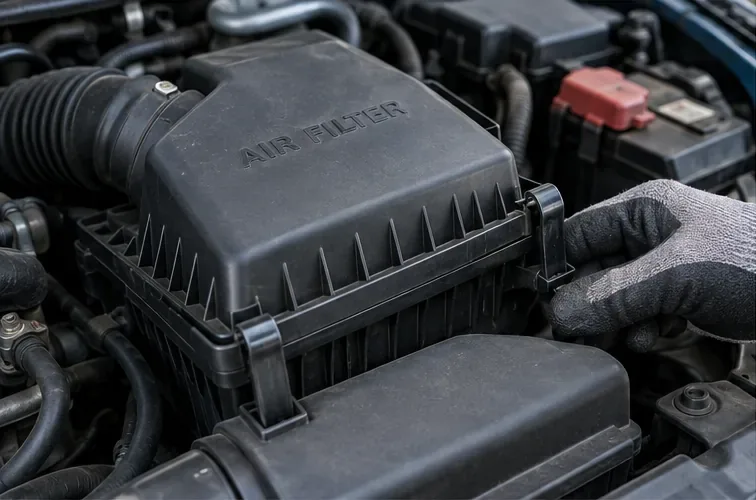
Learn how to clean a car air filter safely, when a paper filter should be replaced instead, and how reusable filters require different care.
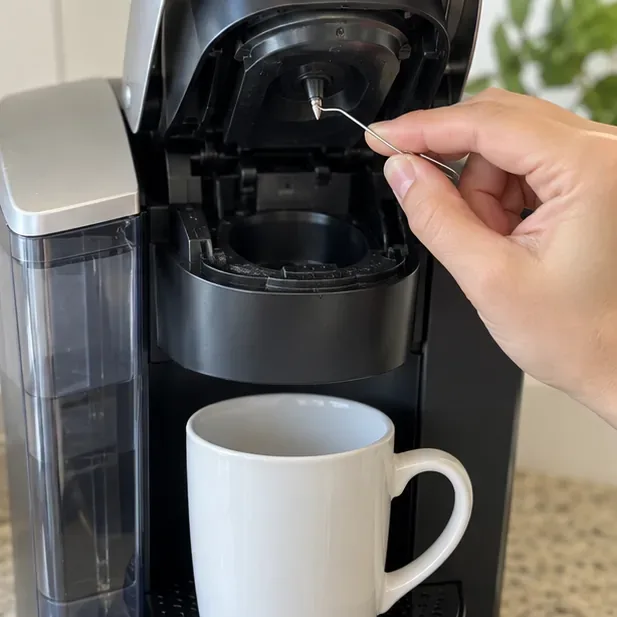
Learn how to clean a Keurig entrance and exit needle safely, clear coffee-ground clogs, rinse the brewer, and know when descaling is the next step.
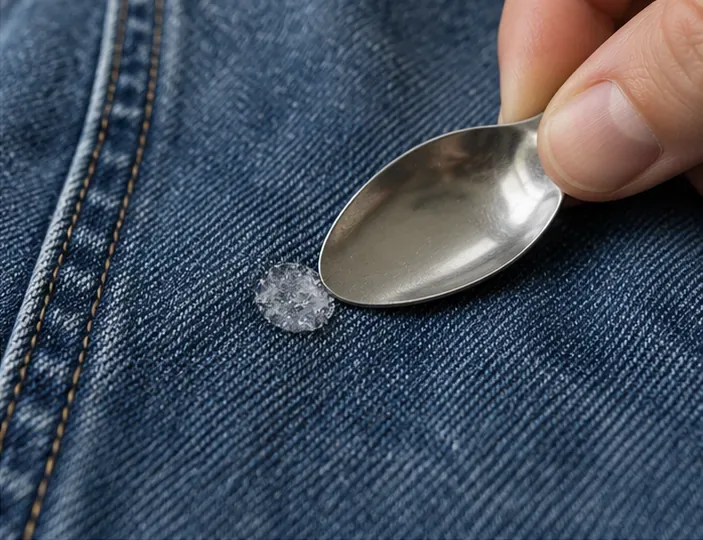
Learn how to remove dried nail glue from clothes safely, when acetone is appropriate, which fabrics need extra care, and when to stop and call a cleaner.
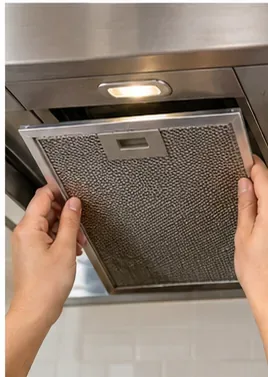
Learn how to clean a metal range hood filter safely, when dishwasher cleaning is okay, and why charcoal filter care depends on your exact model.
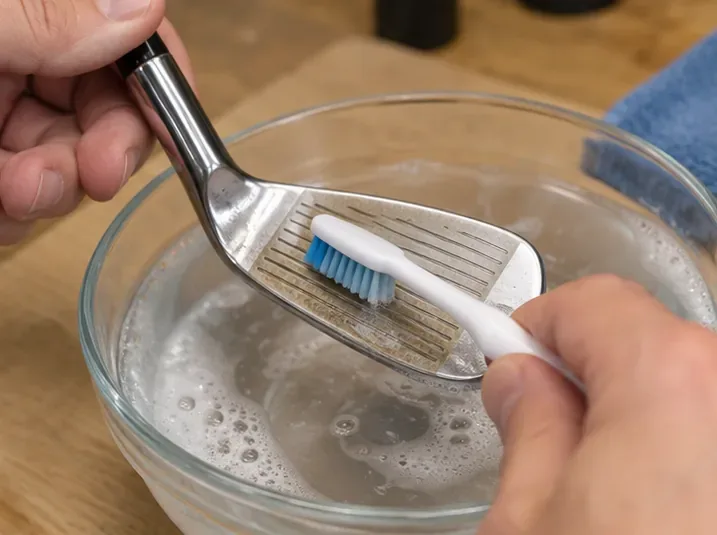
Learn how to remove rust from golf clubs safely, judge the result, protect raw and plated finishes, and know when cleaning should stop.
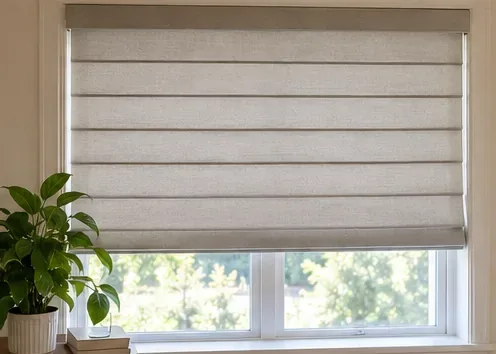
Learn how to clean fabric blinds safely with gentle vacuuming, spot cleaning, rinsing, and drying—plus when water, washing, or DIY deep cleaning can cause damage.
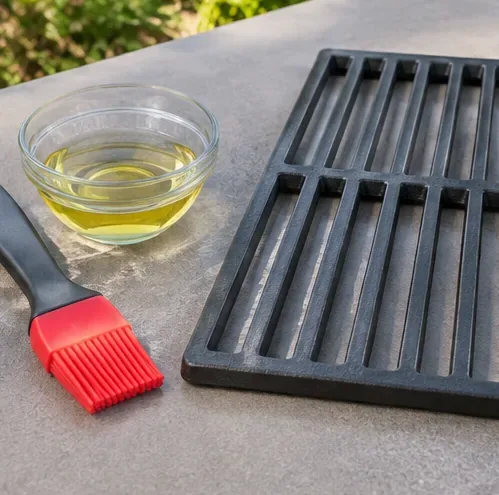
Learn how to season gas grill grates safely, including when cast iron needs seasoning, when porcelain enamel does not, and how to check the result.
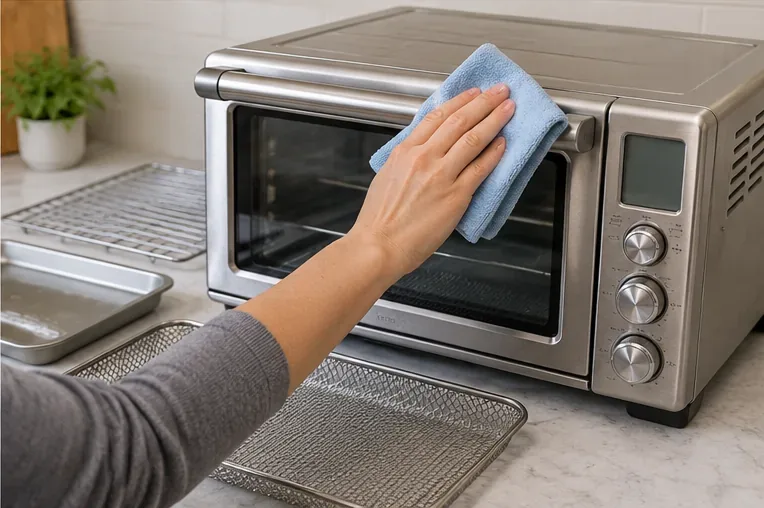
Clean a Breville toaster oven safely with mild soap, soft cloths, and the right sequence. Learn what clean should look like, what to avoid, and when to stop.
Learn how to clean a microwave grease filter, when a dishwasher is appropriate, and why charcoal filters should be replaced instead of washed.