Information checked: November 26, 2026, 7:07 p.m. CET (Frankfurt, UTC+1; 18:07 UTC).
Germany's DAX 40 closed at 25,215.52 points on Thursday, November 26, 2026, up 2.08% from Wednesday's 24,702.13. The 513.39-point rebound followed a late recovery in U.S. technology shares on Wednesday and a reduction in fears about prospective U.S. tariffs on European goods. German technology, industrial and other cyclical shares participated in the rally.
The move put the benchmark back above 25,000, but it did not establish that the recent sell-off was over. U.S. cash equity markets were closed for Thanksgiving, limiting the opportunity for Thursday's European rally to receive confirmation from a full Wall Street session. Friday, November 27, is the next German trading session.
Destaques
The DAX gained 513.39 points, or 2.08%, at Thursday's close.
A rebound in technology stocks and less alarming U.S. tariff proposals supported sentiment.
Siemens Energy and Infineon advanced, while Commerzbank bucked the positive trend.
Friday's shortened U.S. session and Rheinmetall's investor webcast are important upcoming checkpoints.
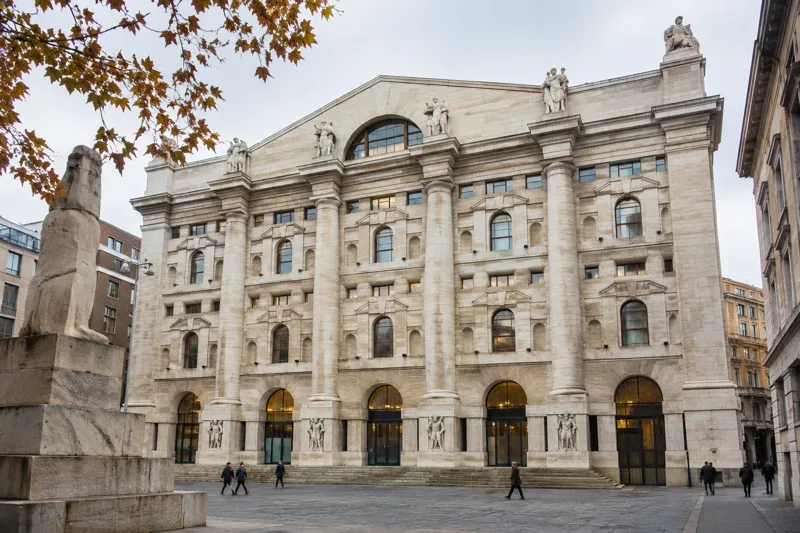
AI-generated editorial illustration of a Frankfurt-style financial district; not a documentary photograph of the November 26 trading session.
How much did the DAX rise on November 26?
Metric
Value
November 26 close
25,215.52
November 25 close
24,702.13
Point change
+513.39
Daily change
+2.08%
The figures refer to the German benchmark index, not a DAX futures contract or an individual ETF. The reference cash session ended at 5:30 p.m. CET (16:30 UTC); the supplied delayed Yahoo Finance quote carries a 6:00 p.m. CET (17:00 UTC) timestamp. The latter is a data timestamp, not a separate trading session close. The exact closing level is independently corroborated by the dpa-AFX closing report; the Dow Jones Xetra closing report reports the rounded level of 25,216.
Wednesday's decline had taken the index to its lowest level since July, according to the November 25 Tagesschau market report. Thursday therefore represents a recovery from a depressed starting point, rather than a new record. For context, the DAX tracks 40 major listed companies and the standard headline version accounts for reinvested dividends; see the STOXX DAX index page for index methodology and current information.
Why is the DAX 40 up today?
Technology shares recovered after a difficult stretch
German market reports attributed the rebound in part to the reversal in U.S. technology stocks late on November 25. The distinction matters: Wall Street did not need to finish the previous day broadly higher for a recovery from intraday lows to improve the mood in Europe the next morning.
Dow Jones reported gains of about 4.0% for Siemens Energy and 3.6% for Infineon at the German close. Technology and power infrastructure companies are exposed to expectations for spending on computing, data centers and electrification, making their valuations sensitive to changing perceptions of AI investment and financing conditions. The rebound is consistent with renewed buying after steep losses, not proof that concerns about AI profitability have disappeared.
U.S. tariff concerns eased, but the proposals remain unresolved
The November 25 USTR announcement set out proposed actions covering 14 economies. For the European Union, it described a potential tariff rate of 15%, net of applicable most-favored-nation rates and existing Section 301 duties, with certain exemptions. The proposal also accounts for ongoing consultations and existing trade commitments.
That distinction between an overall proposed rate and an additional blanket levy helped ease fears of an even more damaging outcome. German exporters can face pressure when higher tariffs increase the delivered cost of products in the United States or force companies to absorb costs in their margins. Reduced expectations of that pressure can support shares before any change in actual earnings.
However, the proposal is not a final tariff decision or a guarantee that individual products will face lower duties. Sector-specific measures and the eventual terms remain important. The Reuters European market coverage linked the broader European advance to trade relief and reported that the STOXX Europe 600 finished 1.8% higher. It also highlighted the nomination of Pablo Hernández de Cos to lead the European Central Bank as a continuity signal, although the German Dow Jones report did not identify that decision as a significant DAX driver.
Was the rally broad-based?
The German mid-cap MDAX also rose, by 2.34% according to dpa-AFX, while autos and raw-material shares recovered. This suggests participation extended beyond a handful of large technology companies. It does not mean every stock rose: Reuters reported that Commerzbank fell roughly 2.6% amid UniCredit's push for management changes. Exact constituent-level index contributions and measured trading volume were not independently established for this article, so the relative importance of each catalyst cannot be quantified.
What could move the DAX on Friday, November 27?
Friday will offer another test of whether the rebound can persist. Three conditional scenarios frame the next session without assigning unsupported probabilities or price targets.
Bull scenario: If semiconductor and industrial shares retain their gains, trade news stays constructive and U.S. equities resume trading without renewed selling, the recovery could extend.
Base scenario: With no major fresh surprise, the market could consolidate as participants digest Thursday's advance and await clearer evidence on tariffs and AI-related earnings.
Bear scenario: If trade tensions escalate, technology shares resume their decline or financing concerns intensify, Thursday's gains could partially unwind. A return below the recently reclaimed 25,000 round number would be a sign of weaker momentum, not a predetermined target.
Two scheduled events offer concrete reference points. The Rheinmetall investor relations calendar lists a Capital Markets Day call for November 27 at 10:00 a.m. CET (09:00 UTC). Comments about defense demand, execution capacity and long-term business expectations could affect Rheinmetall and related industrial names. The Destatis weekly release calendar also schedules October labor market statistics for Friday, with its usual publication time of 8:00 a.m. CET (07:00 UTC).
Finally, the official NYSE holiday calendar confirms that the U.S. exchange reopens on Friday but closes early at 1:00 p.m. EST (18:00 UTC; 7:00 p.m. CET in Frankfurt). Holiday-related participation may remain limited; thinner trading can amplify price reactions, although actual volume must be observed rather than assumed. For that reason, a single positive or negative session should not be mistaken for durable evidence of a trend.
This report explains a completed market session and conditional developments, not investment advice.
FAQ
Why did the DAX rise on November 26, 2026?
A technology-stock recovery after Wednesday's late U.S. reversal and reduced fears over proposed American tariffs supported German equities. Cyclical shares also participated.
What was the DAX closing level on November 26?
The DAX closed at 25,215.52 points, up 2.08% from the preceding valid daily close of 24,702.13.
Will the DAX rise on November 27?
There is no confirmed direction. Technology momentum, new trade developments, German data, Rheinmetall's webcast and the shortened Wall Street session could influence the outcome.