Why Is ASML Down Today? MATCH Act Fears Weigh on Shares — November 25, 2026
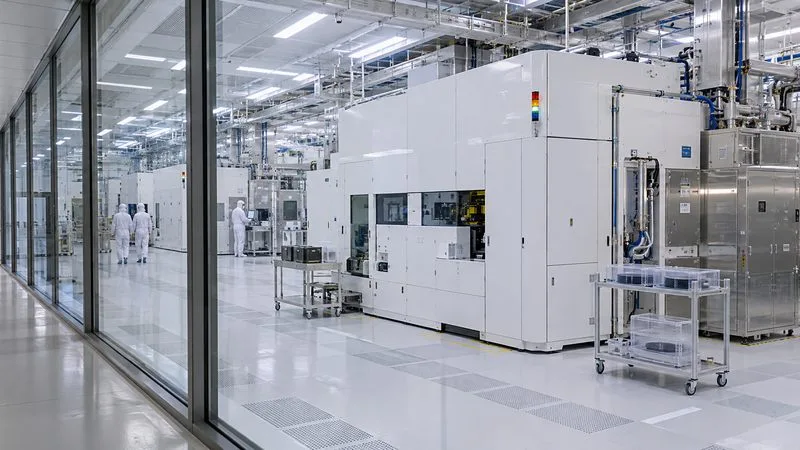
ASML fell 5.8% to €1,131.60 on November 25 as concern over proposed U.S. chip-equipment export controls revived China-sales risks. Here’s what may matter next.
Verified and updated November 24, 2026, at 8:18 a.m. UTC (5:18 p.m. Japan Standard Time, UTC+09:00).
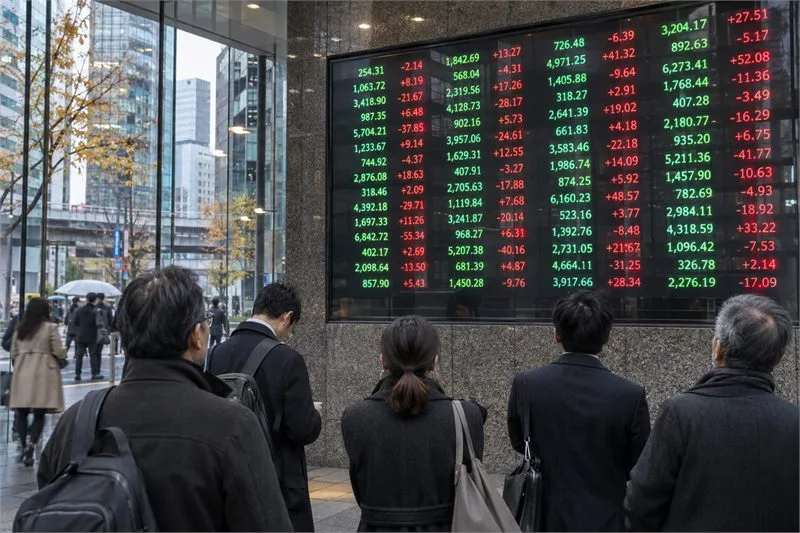
The Nikkei 225 rose 2,207.98 points, or 3.91%, to 58,644.63 on Tuesday, November 24, according to the supplied delayed-market close and the Nikkei Indexes daily summary. The rally followed a sharp rebound in U.S. technology shares and news that Nvidia’s board had reinstated Jensen Huang as president and CEO. Japanese chip-related shares led the advance, helping the index recover part of Friday’s steep decline. Nikkei Indexes’ official daily summary confirms the close; Nvidia’s November 23 announcement confirms Huang’s return.
Destaques
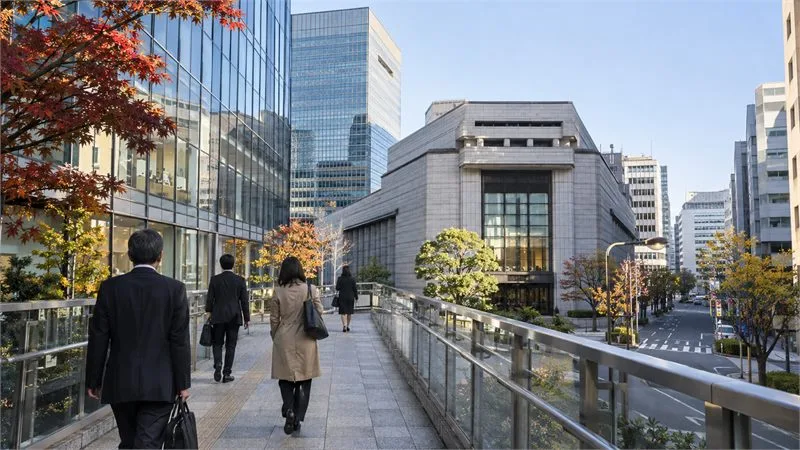
The clearest confirmed catalyst was a global technology-sector rebound. Nvidia announced on November 23 that its board had reinstated Huang, effective immediately. The news coincided with a strong U.S. stock-market session, led by technology shares. The Nikkei’s own gains were concentrated in companies tied to semiconductors and related equipment: the Associated Press reported that Tokyo Electron rose 7.7% and Advantest gained 12.5% during Tuesday’s session. That pattern supports the view that investors were buying back into AI-linked shares, although a single day’s index move cannot establish every investor’s motive.
Japan’s calendar also mattered. The Tokyo market was closed on Monday, November 23, for Labor Thanksgiving Day. Tuesday’s cash session therefore reopened after a gap and reflected news and price moves from overseas markets that Japanese stocks could not respond to the previous day. The Japan Exchange Group lists the November 23 closure in its holiday-trading information.
The index’s close of 58,644.63 was 3.91% above the preceding valid close of 56,436.65, based on the supplied Yahoo Finance delayed quote data. Nikkei’s official archive independently lists the November 24 closing level as 58,644.63. The rebound was substantial, but it followed a 5.06% fall on Friday, November 20, reported in same-day market coverage. In other words, Tuesday’s rise recovered much of that one-session drop; it does not by itself prove that the recent volatility has ended.
Market reporting identified technology shares as prominent gainers, while the wider regional rebound also reflected improved sentiment toward U.S. technology stocks. Treat the Nvidia connection as a reported catalyst, not a complete accounting of the index’s move: the Nikkei includes 225 constituents across industries, and intraday results can reflect company-specific news, positioning, exchange rates, and broader risk appetite at once. The index is price-weighted, so large point contributions by higher-priced shares can also shape its headline performance.
The next Tokyo cash session is Wednesday, November 25. A bullish scenario would require the global technology rebound to hold and Japanese semiconductor-related shares to retain Tuesday’s gains. Continued support from overseas investors or a softer yen could also help some export-oriented companies, though currency effects differ by business and a weaker yen is not uniformly positive for every listed company.
In a base case, Tuesday’s jump is followed by more selective trading as investors assess whether the rebound has durable support. After a large gap-up session, some traders may take profits, while others wait for further evidence on AI-sector demand and earnings expectations. A mixed session would not necessarily invalidate the global catalyst; it could simply reflect position adjustment after the sharp move.
A bearish scenario would become more plausible if U.S. technology shares reverse, concern about AI valuations returns, or a stronger yen and higher rate expectations pressure Japanese equities. The Nikkei’s 3.91% gain is an observed result, not a forecast for Wednesday, and no direction or price target can be inferred from it alone.
For scheduled indicators, the Bank of Japan’s release calendar lists the Services Producer Price Index for October and average contract interest rates on loans and discounts for September at 8:50 a.m. JST on November 25. The U.S. Bureau of Economic Analysis also lists the October Personal Income and Outlays report, which includes the PCE price index, for release on November 25. These releases may affect rate expectations and global risk sentiment; their market impact will depend on the reported figures and how they compare with expectations. See the Bank of Japan release schedule and the BEA PCE release page.
It rose 2,207.98 points, or 3.91%, to close at 58,644.63.
Reports linked the rally to a rebound in U.S. technology shares after Nvidia announced Jensen Huang’s return as CEO, with Japanese semiconductor-related stocks among the session’s notable gainers.
That is uncertain. Follow-through in global technology shares, Japanese chip stocks, currency moves, and upcoming economic data could all influence Wednesday’s trading.
This market explainer is for information only and is not investment advice.
ASML fell 5.8% to €1,131.60 on November 25 as concern over proposed U.S. chip-equipment export controls revived China-sales risks. Here’s what may matter next.
The Nikkei 225 fell 2.78% to 57,011.62 on November 25 as global AI and semiconductor stocks sold off. Here are the verified drivers and conditional scenarios for the next Tokyo session.
Why did China markets fall on November 25, 2026? Analysis of the Shenzhen Component's 3.24% drop and Shanghai Composite's 2.03% slide, key catalysts, and next-session outlook.
KOSPI plummeted 6.16% and Samsung Electronics dropped 9.87% on November 25, 2026. Explore verified catalysts, global semiconductor downgrades, and next-session outlook.
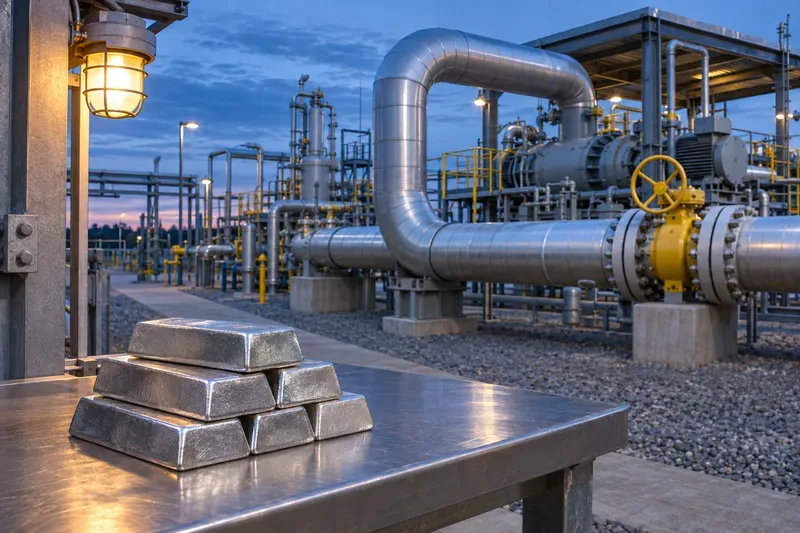
Natural gas rebounded while silver slid on Nov. 24. See the verified contract moves, weather and rate drivers, rollover caveat, and next-session catalysts.
Nvidia (NVDA) dropped 5.86% to $155.38 on November 24, 2026. Explore the primary catalysts behind the pullback, fundamental valuation, and next-session outlook.
Sanofi rose 9.76% on Nov. 24 after announcing a $41 billion Insmed acquisition. Here are the confirmed deal terms, risks and conditional outlook for the next session.
ASML.AS closed lower on Nov. 24 as the chip rally faded and export-control risks lingered. See the verified close, confirmed catalysts, and conditional outlook for Nov. 25.
Why is Nvidia up today? Analysis of NVDA's 31.48% surge on November 23, 2026, examining core catalysts, verified market data, and the next-session outlook.
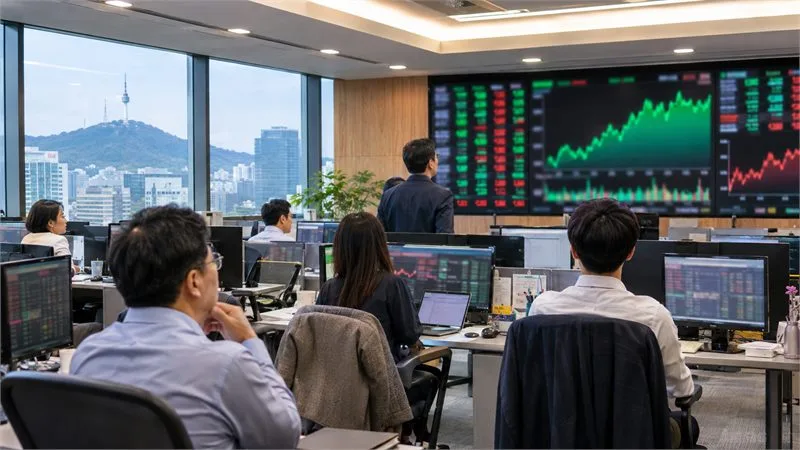
The KOSPI jumped 6.32% and Samsung Electronics gained 6.70% on Nov. 24 as a Wall Street technology rally lifted Korean chip stocks. Here are the confirmed drivers and conditional scenarios for the next session.