Why Is ASML Down Today? MATCH Act Fears Weigh on Shares — November 25, 2026
ASML fell 5.8% to €1,131.60 on November 25 as concern over proposed U.S. chip-equipment export controls revived China-sales risks. Here’s what may matter next.
Market Verification & Data Update Timestamp: November 25, 2026, 07:15 UTC (15:15 CST, Beijing/Shanghai time).
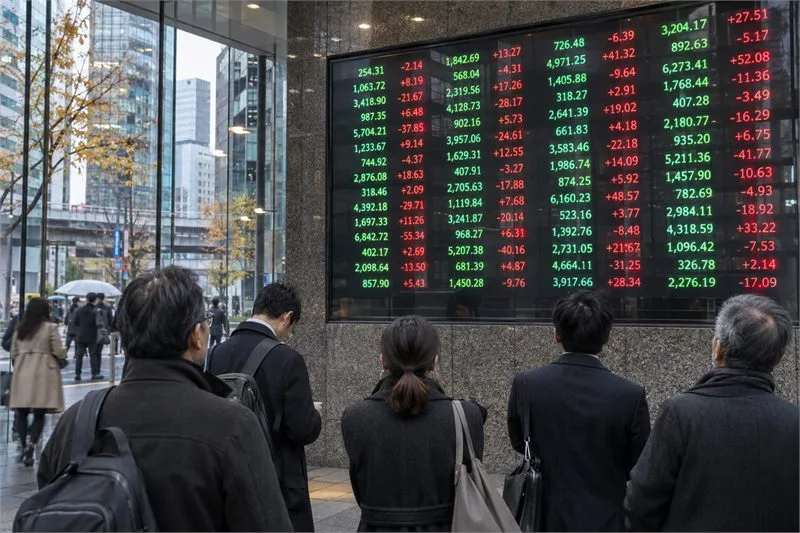
China mainland equity benchmarks suffered sharp selling pressure on Wednesday, November 25, 2026, led by a steep retreat in growth, electronics, and semiconductor shares. The tech-heavy Shenzhen Component slumped by 3.24% (-337.24 points) to finish at 10,086.36, while the flagship Shanghai Composite dropped 2.03% (-71.90 points) to close at 3,476.47, retreating after testing multi-week support levels. The downturn reflected sudden risk aversion sparked by renewed geopolitical tensions over semiconductor trade restrictions, compounding existing investor skepticism over domestic fiscal stimulus traction.
Trading throughout the Wednesday session on mainland bourses opened under subdued sentiment and deteriorated steadily into the afternoon. Institutional desks reported pronounced outflows from cyclical and tech equities, accelerating after mid-day trading resumed across both the Shanghai Stock Exchange (SSE) and Shenzhen Stock Exchange (SZSE). While defensive high-dividend shares such as state-owned utilities and telecommunication operators offered modest downside resilience, they were insufficient to prevent broad market indices from sliding into deep negative territory.
According to delayed exchange feeds tracked via Yahoo Finance, the Shenzhen Component retreated from its previous close of 10,423.60 to 10,086.36 (-3.24%), hovering just above the key psychological benchmark of 10,000. Meanwhile, the Shanghai Composite fell from 3,548.37 to 3,476.47 (-2.03%), breaching short-term 20-day moving average support and dampening retail trading momentum.
Market strategists and institutional desks pointed to a combination of verified regulatory frictions, macroeconomic data fatigue, and technical profit unwinding:
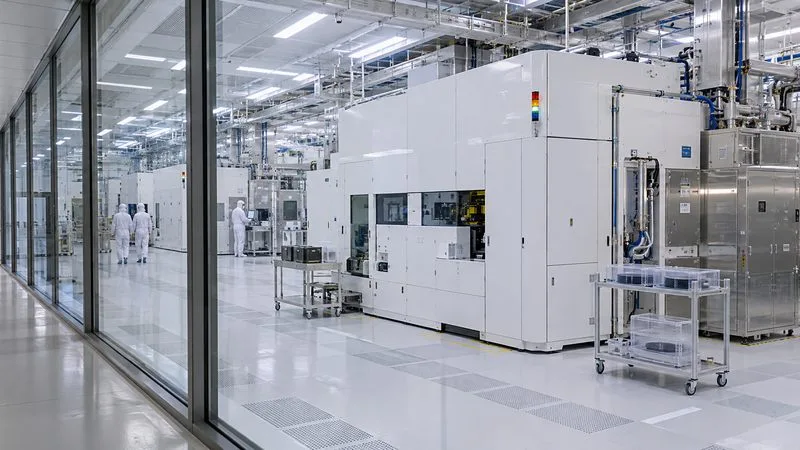
Growth indices in Shenzhen bore the brunt of intense selling pressure following reports that international trade authorities are preparing expanded curbs on advanced semiconductor equipment and AI chip exports. Speculation surrounding widened export restrictions triggered pre-emptive de-risking in domestic foundries, chip packaging firms, and optical communication providers, which had built up substantial valuation premiums over recent weeks.
While the People's Bank of China (PBOC) and fiscal authorities have progressively introduced monetary easing tools and debt swap programs, mainland investors have displayed growing fatigue over the pace of demand-side fiscal stimulus. With direct consumer voucher packages and aggressive real estate demand interventions remaining limited, market participants have questioned whether corporate earnings in non-state sectors will rebound fast enough to justify current market multiples.
Following substantial speculative rallies in small-cap growth counters over preceding sessions, brokers observed localized margin call unwinding and quantitative model deleveraging as key technical floors were breached early in the morning session. Foreign capital tracking offshore indices also trimmed exposure via northbound Stock Connect channels, applying downward pressure on market heavyweight constituents.
Heading into the next trading session on November 26, 2026, market participants will be closely watching technical inflection zones, exchange liquidity figures, and any reactive stabilizing guidance from state-backed institutional funds ("the National Team"):
The Shenzhen Stock Exchange is heavily weighted toward technology, green energy, lithium battery producers, and high-growth consumer electronics. Because Wednesday's market rout was predominantly ignited by renewed geopolitical semiconductor concerns and growth-stock valuation resets, Shenzhen suffered deeper declines (-3.24%) than the industrials- and financials-heavy Shanghai Composite (-2.03%).
While state-backed domestic funds have historically deployed ETF purchases during severe market downdrafts, there were no emergency announcements or direct regulatory market closures reported during Wednesday's trading hours. Trading proceeded normally through official settlement at 15:00 CST.
Investors should track upcoming monthly industrial profit figures, official NBS Manufacturing and Non-Manufacturing PMI releases, daily PBOC open-market reverse repo operations, and currency movements in the onshore and offshore Chinese yuan (CNY/CNH).
ASML fell 5.8% to €1,131.60 on November 25 as concern over proposed U.S. chip-equipment export controls revived China-sales risks. Here’s what may matter next.
The Nikkei 225 fell 2.78% to 57,011.62 on November 25 as global AI and semiconductor stocks sold off. Here are the verified drivers and conditional scenarios for the next Tokyo session.
Why did China markets fall on November 25, 2026? Analysis of the Shenzhen Component's 3.24% drop and Shanghai Composite's 2.03% slide, key catalysts, and next-session outlook.
KOSPI plummeted 6.16% and Samsung Electronics dropped 9.87% on November 25, 2026. Explore verified catalysts, global semiconductor downgrades, and next-session outlook.
Natural gas rebounded while silver slid on Nov. 24. See the verified contract moves, weather and rate drivers, rollover caveat, and next-session catalysts.
Nvidia (NVDA) dropped 5.86% to $155.38 on November 24, 2026. Explore the primary catalysts behind the pullback, fundamental valuation, and next-session outlook.
Sanofi rose 9.76% on Nov. 24 after announcing a $41 billion Insmed acquisition. Here are the confirmed deal terms, risks and conditional outlook for the next session.
ASML.AS closed lower on Nov. 24 as the chip rally faded and export-control risks lingered. See the verified close, confirmed catalysts, and conditional outlook for Nov. 25.
Why is Nvidia up today? Analysis of NVDA's 31.48% surge on November 23, 2026, examining core catalysts, verified market data, and the next-session outlook.
The KOSPI jumped 6.32% and Samsung Electronics gained 6.70% on Nov. 24 as a Wall Street technology rally lifted Korean chip stocks. Here are the confirmed drivers and conditional scenarios for the next session.