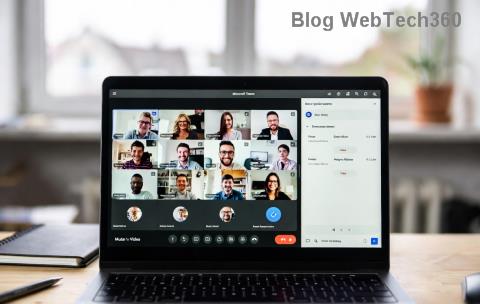
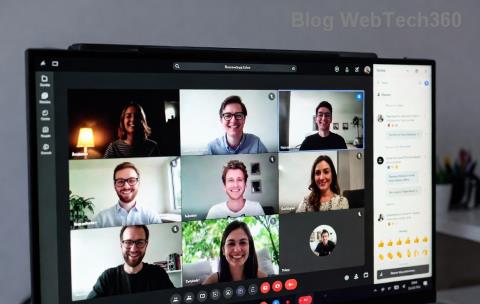
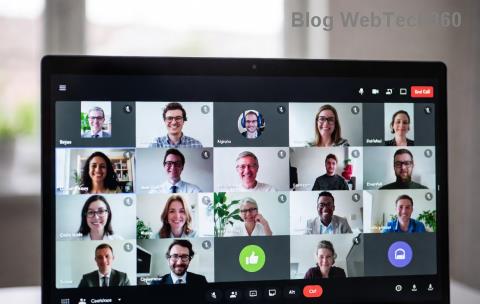
In the fast-paced world of modern work, choosing between Microsoft Teams and Slack can make or break your team's efficiency. Both are powerhouse collaboration platforms, but which one reigns supreme in 2026? This head-to-head guide breaks down the essentials—features, pricing, integrations, and more—to help you decide. Whether you're scaling a startup or running an enterprise, we've got the insights to empower your choice. Let's dive in! 👍
What Makes Microsoft Teams a Contender in 2026?
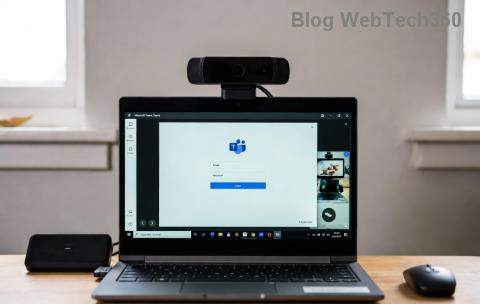
Microsoft Teams has evolved into a full-fledged workspace hub, seamlessly blending chat, video, file sharing, and apps. Powered by Microsoft 365, it's the go-to for enterprises needing robust tools.
- ⭐ AI-Powered Copilot: Real-time meeting summaries, task automation, and intelligent search—game-changers for busy teams.
- ✅ Deep integration with Outlook, Excel, and SharePoint for zero-friction workflows.
- 📹 Superior video calls supporting up to 1,000 participants with live captions and breakout rooms.
- 🔒 Enterprise-grade security with compliance for GDPR, HIPAA, and advanced threat protection.
Teams shines in large organizations where unified ecosystems matter most. Recent updates emphasize AI-driven productivity, making it feel futuristic.

Why Slack Still Captivates Teams in 2026
Slack, now supercharged by Salesforce, excels in speed, fun, and flexibility. It's the darling of creative teams and SMBs craving intuitive messaging.
- ⭐ Over 2,600 app integrations, from Google Workspace to custom bots—endless customization.
- ✅ Canvas for collaborative docs and Huddles for quick audio/video chats.
- 🎨 Vibrant channels, emojis, and reactions keep communication lively and engaging.
- ⚡ Blazing-fast search with AI summaries via Slack AI (premium).
Slack's strength lies in its lightweight design and viral workflows, perfect for remote-first cultures.

Microsoft Teams vs Slack: Feature Face-Off
Time for the real showdown. Here's a concise Microsoft Teams vs Slack comparison table highlighting key 2026 capabilities:
| Feature |
Microsoft Teams |
Slack |
| Channels & Messaging |
Private/public channels, threaded replies |
Highly customizable channels, reactions galore ⭐ |
| Video Conferencing |
Top-tier: 50+ hours meetings, AI noise suppression |
Huddles: Quick & casual, up to 50 participants |
| Integrations |
1,000+ native Microsoft apps |
2,600+ third-party apps ⚡ |
| AI Features |
Copilot: Full suite (notes, insights) |
Slack AI: Search summaries, automation |
| File Sharing |
OneDrive/SharePoint (1TB+) |
Unlimited (paid), Google Drive sync |
| Mobile App |
Excellent push notifications |
Sleek & responsive 😊 |

This table reveals Teams dominates in scale and security, while Slack wins on agility. Curious about performance? Teams handles massive enterprises without lag, per recent benchmarks.
Pricing: Microsoft Teams vs Slack Breakdown
Cost is crucial. Microsoft Teams starts free (limited), with Essentials at $4/user/month and full Microsoft 365 Business at $6-22/user/month—bundled value for Office tools.
Slack Free tier is generous, Pro at $7.25/user/month, Business+ at $12.50/user/month. No Office suite, but cheaper for pure chat.
- 1️⃣ Teams: Best for Microsoft ecosystems—pay once, get everything.
- 2️⃣ Slack: Ideal for budget-conscious teams avoiding bloat.
For details, check Microsoft's pricing or Slack's plans.
Security & Compliance: No Compromises
In 2026, data protection is non-negotiable. Teams leads with DLP, eDiscovery, and zero-trust architecture. Slack offers encryption and SSO but trails in regulated industries. Choose Teams for finance/healthcare; Slack for general use.
Microsoft Teams vs Slack: The 2026 Verdict
Neither is "better" universally—it's about fit! 👏
- Pick Teams if: Enterprise-scale, Microsoft stack, heavy video/AI needs. (Dominates 70% of Fortune 500.)
- Pick Slack if: Small teams, creative vibes, integration freedom.
Hybrid tip: Many use both via integrations. Test free trials to feel the difference. Ready to supercharge your workflow? Your team's future starts here! What’s your pick—share in the comments. 🚀