Imagine your PC freezing mid-task or your Wi-Fi dropping at the worst moment—frustrating, right? 😩 But here's the good news: Windows 11 built-in troubleshooters are your secret weapon to banish these headaches quickly and effortlessly. These smart tools, powered by Microsoft's latest algorithms, scan for problems and suggest fixes without you needing to be a tech wizard. In this guide, we'll dive straight into how to use Windows 11 built-in troubleshooters, focusing on practical steps to get your system running smoothly again. Stick around, and you'll feel empowered to tackle issues like a pro! 🚀
What Are Windows 11 Built-in Troubleshooters?
Windows 11 built-in troubleshooters are pre-installed diagnostic utilities designed to identify and resolve common software glitches. From internet connectivity woes to hardware hiccups, they automate the troubleshooting process, saving you hours of manual digging. Updated in the latest Windows 11 releases, these tools now include enhanced AI-driven detection for better accuracy, making them more reliable than ever.
Why use them? They're free, fast, and often fix issues on the first try. No downloads required—just pure, built-in efficiency. Let's explore the types you'll encounter and how to access them.
Types of Built-in Troubleshooters in Windows 11
Windows 11 offers a variety of built-in troubleshooters tailored to specific problems. Here's a quick overview in a handy table:
| Troubleshooter |
What It Fixes |
Best For |
| Internet Connections |
Wi-Fi drops, slow speeds, no connection |
Network users struggling with online access |
| Audio |
No sound, microphone issues, playback errors |
Multimedia enthusiasts or remote workers |
| Hardware and Devices |
Printers, USB devices, external hardware failures |
Anyone with peripherals acting up |
| Power |
Battery drain, sleep mode problems |
Laptop owners facing efficiency issues |
| Bluetooth |
Pairing failures, connection drops |
Wireless device users |
| Windows Update |
Failed updates, installation errors |
Users keeping their system current |
This lineup covers most everyday frustrations. If your issue isn't listed, the Other troubleshooters section has even more options like Program Compatibility or Speech. Ready to roll up your sleeves? Let's get to the how-to.
Step-by-Step: How to Access and Use Windows 11 Built-in Troubleshooters
Accessing Windows 11 troubleshooters is a breeze—think of it as flipping a switch to let your PC self-heal. We'll walk through the primary methods, starting with the easiest.
1. Via Settings App (Recommended for Beginners) 👆
The Settings menu is your go-to hub for most built-in troubleshooters in Windows 11. Here's how:
- Click the Start button (Windows icon) on your taskbar.
- Select Settings (gear icon) or press Windows + I for a shortcut.
- Navigate to System > Troubleshoot.
- Under Other troubleshooters, you'll see a list. Click Run next to the one that matches your issue, like Internet Connections.
- Follow the on-screen prompts— the tool will scan, detect problems, and apply fixes. It's that simple! ⭐
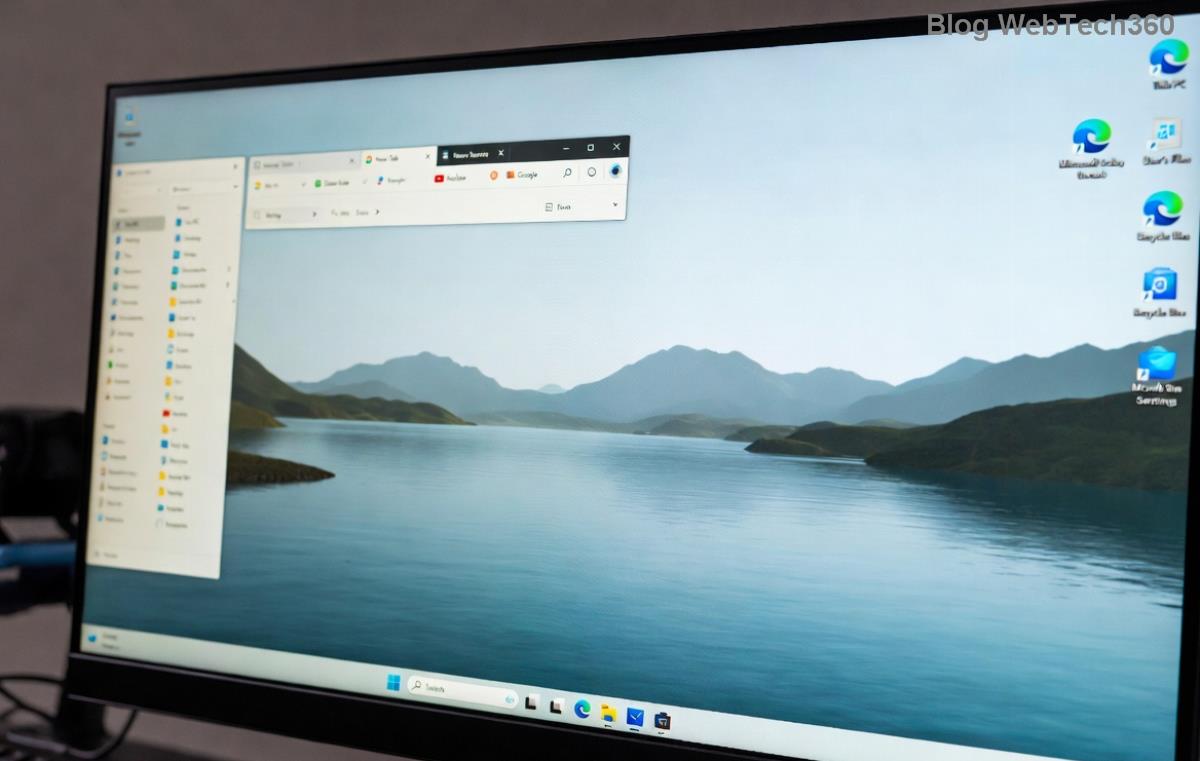
For a visual walkthrough, check this out:
2. Using the Search Bar for Quick Access 🔍
If you're in a hurry, the Search function is your best friend:
- Hit the Windows key and type "Troubleshoot".
- Select Troubleshoot settings from the results.
- Choose Other troubleshooters and pick your poison.
- Run the diagnostic—watch as it zips through checks and resolves snags automatically.
This method shines when you're multitasking and need instant relief from a glitchy app or frozen update.
3. Command Prompt for Advanced Users (PowerShell Option) ⚡
For those who love a bit of command-line flair, you can invoke troubleshooters via PowerShell:
- Right-click the Start button and select Windows Terminal (Admin) or search for PowerShell.
- Enter this command for a specific troubleshooter, e.g., for network:
msdt.exe -id NetworkDiagnosticsWeb.
- Press Enter, and the wizard launches. Customize with parameters if needed—Microsoft's docs have the full list.
Pro tip: Always run as administrator for deeper scans. This is ideal for IT pros or stubborn issues that need a nudge.

Troubleshooting Common Issues with Built-in Tools
Let's apply this knowledge to real-world scenarios. Suppose your audio vanishes during a video call—head to Audio troubleshooter in Settings. It checks drivers, volume settings, and hardware conflicts, often restoring sound in under a minute. Feeling optimistic? You'll be back to crystal-clear calls! 😊
Network troubles? The Internet Connections troubleshooter pings your router, resets adapters, and even suggests DNS tweaks. For power users with laptops, the Power troubleshooter optimizes battery life by identifying rogue apps draining resources.
What if a troubleshooter fails? Don't sweat it—run it again after a restart, or try the Windows Update troubleshooter to ensure your system is patched. These tools are getting smarter with each update, incorporating feedback from millions of users for pinpoint accuracy.
Tips to Maximize Your Windows 11 Troubleshooters Experience
- Run as Admin: For hardware-related fixes, elevate privileges to avoid permission blocks.
- Update Windows First: Ensure your OS is current via Settings > Windows Update—newer versions enhance troubleshooter performance.
- Combine with SFC Scan: If issues persist, open Command Prompt as admin and run
sfc /scannow to repair system files before retrying.
- Backup Data: Though rare, some fixes might prompt restarts—save your work!
By following these, you'll not only fix problems but prevent them from recurring. Imagine the relief of a hassle-free PC— that's the Windows 11 troubleshooters promise!
When to Seek Further Help
Sometimes, even the best built-in troubleshooters need backup. If your issue involves hardware failure (like a faulty drive), consider professional diagnostics. For software deep dives, visit Microsoft's support forums. For official guidance, check out Microsoft's Windows Troubleshooters page.
You're now equipped to conquer most PC gremlins. Dive in, experiment with these tools, and share your success stories in the comments—let's celebrate smooth sailing together! 🎉 If this guide helped, bookmark it for next time and explore more Windows 11 tips to keep your setup optimized.