Losing precious photos can feel heartbreaking—those family moments, vacation snapshots, or cherished memories suddenly gone. But don't panic! In Windows 11, there are reliable ways to recover deleted photos without needing expert skills. This guide walks you through the simplest, most effective methods, starting with built-in tools and moving to advanced options. By the end, you'll have your images back and feel empowered to safeguard them in the future. Let's dive in and reclaim what's yours! 😊
Why Do Photos Get Deleted and Can They Be Recovered?
Photos vanish for various reasons: accidental deletion, formatting a drive, or even software glitches in Windows 11. The good news? When you delete a file, it's not immediately erased—it's marked as "free space" until overwritten. This gives you a window to recover deleted photos in Windows 11 using the right tools. Acting quickly boosts your success rate, so let's start with the easiest steps.
Method 1: Check the Recycle Bin – The Quickest First Step ⭐
Most deleted files land in the Recycle Bin, making it the go-to spot for recovering deleted photos in Windows 11. It's user-friendly and requires no extra software.
- 👆 Double-click the Recycle Bin icon on your desktop.
- Search for your photo using the search bar or sort by date deleted.
- Right-click the photo and select Restore.
Your photo will return to its original folder. If it's not there, it might have been permanently deleted (Shift + Delete) or emptied—move to the next methods. Pro tip: Empty the Recycle Bin less often to keep this safety net active!
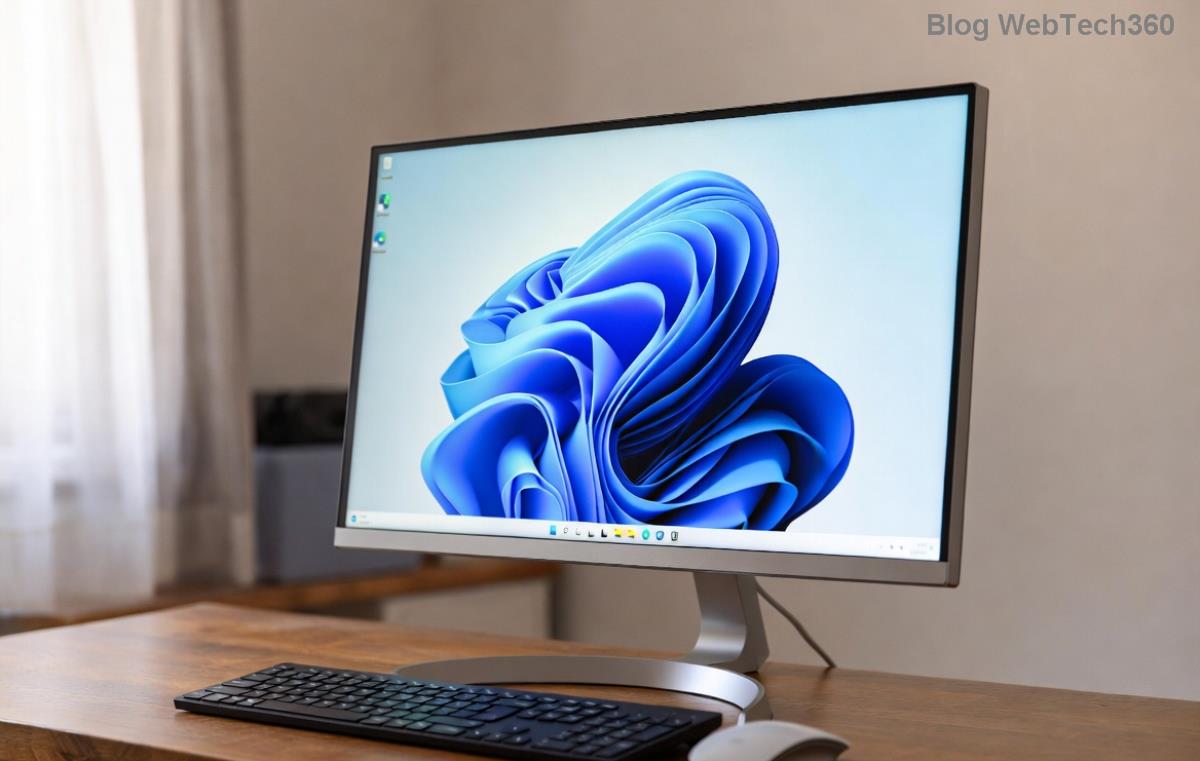
Method 2: Use File History for Backed-Up Photos
If you have File History enabled in Windows 11, recovering lost photos is a breeze. This feature automatically backs up files to an external drive or network location.
- Navigate to the folder where the photo was (e.g., Pictures).
- Click the Home tab in File Explorer and select History.
- Browse previous versions, find your photo, and click the green Restore button.
To enable File History if it's off: Search for "File History" in the Start menu, turn it on, and select a backup drive. It's a lifesaver for ongoing protection—imagine never losing photos again! If no backups exist, don't worry; we have more options ahead.
Method 3: Leverage Previous Versions with System Restore Points
Windows 11's Previous Versions feature uses restore points and backups to recover files. It's ideal if File History isn't set up.
- Right-click the folder containing the deleted photo (like Pictures) and choose Properties.
- Go to the Previous Versions tab.
- Select a version from before the deletion, click Open to preview, then Restore.
This method shines for system-protected folders. Enable System Protection via "System Properties" > "System Protection" tab for future use. Feeling relieved yet? These built-in tools handle most cases without hassle.
Method 4: Restore from OneDrive or Cloud Backups ☁️
If your photos sync with OneDrive (Microsoft's cloud service integrated into Windows 11), recovery is straightforward.
- Open the OneDrive app or visit onedrive.com.
- Navigate to the Recycle Bin in OneDrive settings.
- Select the photo and click Restore.
For deeper recovery, check the "Second-stage Recycle Bin" for items held up to 93 days. Other clouds like Google Photos or iCloud work similarly—always sync important pics! This keeps your memories safe across devices.
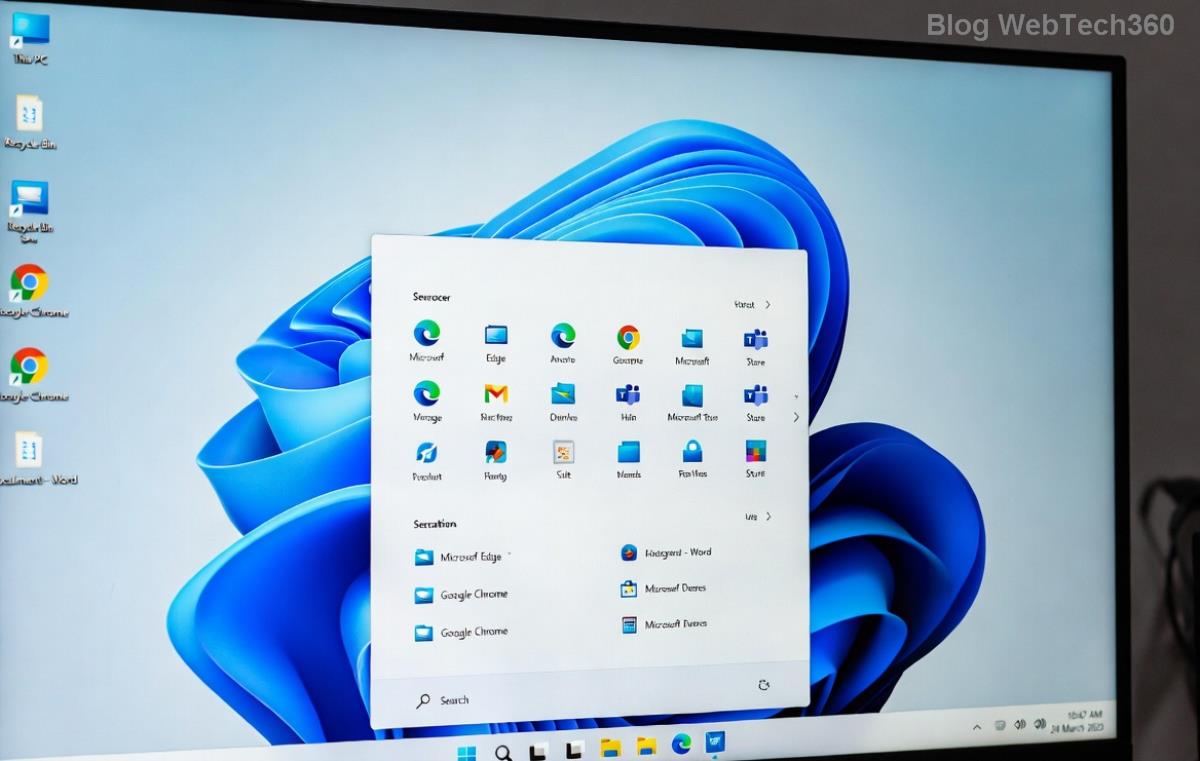
Method 5: Advanced Recovery with Built-in Tools – CHKDSK for Corrupted Drives
For photos lost due to drive errors, use the Command Prompt tool CHKDSK in Windows 11. It scans and repairs file systems, potentially recovering data.
- Search for "cmd," right-click, and run as administrator.
- Type
chkdsk C: /f /r (replace C: with your drive) and press Enter.
- Restart if prompted; let it scan (this can take time).
Recovered files may appear in a "Found" folder. It's not always photo-specific but great for underlying issues. For visuals, check Microsoft's official guide: CHKDSK Guide.
Method 6: Third-Party Software for Deep Photo Recovery
When built-in options fall short, trusted Windows 11 photo recovery software steps in. These tools scan for traces of deleted files. We recommend free trials from reputable sources—avoid shady downloads to protect your PC.
| Software |
Key Features |
Best For |
| Recuva (by Piriform) |
Deep scan, preview files, free version available |
Quick recoveries on HDD/SD cards |
| EaseUS Data Recovery Wizard |
Supports 1000+ formats, up to 2GB free recovery |
Photos from formatted drives |
| Disk Drill |
Byte-to-byte recovery, intuitive interface |
Advanced users with large storage |
To use: Download, select the drive, scan for images, preview, and recover to a different location. Success rates are high if you stop using the drive immediately—prevent overwriting! For the latest on Recuva, see official site.
Prevention Tips: Never Lose Photos Again in Windows 11
Recovery is great, but prevention is better. Here's how to bulletproof your Windows 11 setup:
- 🔒 Enable automatic backups with File History or OneDrive.
- 📱 Use external drives or NAS for duplicates.
- ⚙️ Turn on "Storage Sense" in Settings > System > Storage to manage space without accidental deletes.
- 🛡️ Install antivirus to avoid malware-induced losses.
Regularly review these habits, and you'll sleep easy knowing your photos are secure. If a method didn't work, consider professional data recovery services for critical files.
Final Thoughts: Take Action Now and Smile Again! 😄
Recovering deleted photos in Windows 11 doesn't have to be stressful—with these steps, most users succeed quickly. Start with the Recycle Bin, escalate as needed, and always back up moving forward. Your memories deserve a second chance. Got a success story or question? Drop it in the comments—we're here to help! Stay organized and keep snapping those irreplaceable shots.