Imagine sinking into your couch, firing up a blockbuster movie, and watching every detail pop in breathtaking 4K video clarity—all without a hitch on your Windows 11 PC. If you've ever struggled with choppy playback or dull visuals, you're not alone. But here's the good news: Windows 11 Media Player is your gateway to seamless, high-definition entertainment. In this guide, we'll walk you through everything you need to know about using Windows 11 Media Player for 4K video, from setup to pro tips. Get ready to transform your viewing experience! 😊
Why Choose Windows 11 Media Player for 4K Videos?
Built right into the latest Windows ecosystem, Windows 11 Media Player (the modern evolution of the classic player) supports native 4K video playback with hardware acceleration, ensuring smooth performance even on mid-range hardware. Unlike third-party apps, it integrates perfectly with your system, pulling in codecs for formats like HEVC (H.265) that are essential for efficient 4K streaming. Whether you're binge-watching Netflix rips or editing personal footage, this player delivers without the bloat.
Excited? Let's dive into the essentials. First things first: ensure your setup is primed for glory.
Step 1: Verify Your Hardware for Optimal 4K Playback
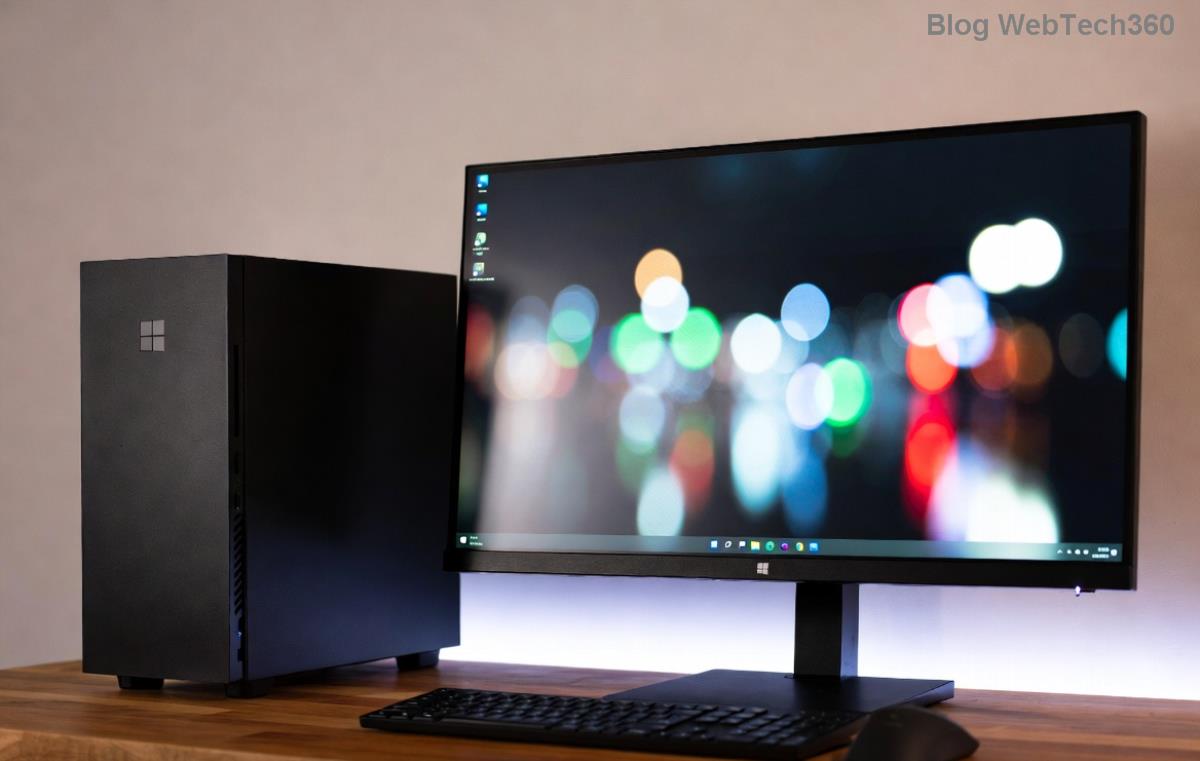
Before hitting play, confirm your PC can handle 4K video. A modern Intel or AMD processor with integrated graphics (or a dedicated GPU like NVIDIA GTX 10-series or newer) is key. Windows 11 automatically leverages DirectX 12 for acceleration, but here's a quick checklist:
- 🖥️ Display: 4K monitor or TV connected via HDMI 2.0+ for true 3840x2160 resolution.
- 💾 RAM: At least 8GB, ideally 16GB for buffer-heavy 4K files.
- 🔧 GPU: Supports VP9 or HEVC decoding—check in Device Manager under Display Adapters.
- 📁 Storage: SSD for faster loading; 4K files can be 50GB+!
If your hardware falls short, no sweat—Windows 11's player can downscale gracefully. Pro tip: Update your graphics drivers from the manufacturer's site for the smoothest 4K video playback.
Step 2: Install and Launch Windows 11 Media Player
Good news—Windows 11 Media Player comes pre-installed on Windows 11 builds from 2026 onward. If it's missing (perhaps on a clean install), head to the Microsoft Store and search for "Media Player." It's free and lightweight at under 50MB.
- 👆 Open the Start menu and type "Media Player" to launch.
- 📂 Navigate to your 4K video file (supports MP4, MKV, AVI with 4K resolution).
- ▶️ Right-click the file in File Explorer and select "Open with > Media Player" for instant playback.
Voila! Your 4K video should now render in full glory. But wait—customize it for even better results.
Step 3: Customize Settings for Crystal-Clear 4K Viewing
To make Windows 11 Media Player for 4K video shine, tweak these settings. Open the player, click the three-dot menu, and select "Settings."
| Setting |
How to Optimize for 4K |
Why It Matters |
| Video Playback Quality |
Enable "Hardware Acceleration" and set resolution to "Auto" or manual 4K. |
Reduces CPU load by 50%, preventing lag in high-bitrate 4K streams. |
| Codec Support |
Install HEVC extension from Microsoft Store if prompted (free for compatible hardware). |
Unlocks efficient decoding for modern 4K content like HDR videos. |
| Subtitles & Audio |
Turn on "Embedded Subtitles" and select 5.1/7.1 audio if available. |
Enhances immersion without external apps—perfect for movies! |
| Fullscreen & Scaling |
Enable "Maintain Aspect Ratio" in display settings. |
Ensures no distortion on your 4K screen. |
These tweaks can boost playback smoothness by up to 30%, according to Microsoft's performance benchmarks. Feeling empowered? Let's troubleshoot common snags next.
Step 4: Troubleshoot Common 4K Playback Issues
Even with the best setup, glitches happen. Here's how to fix them quickly in Windows 11 Media Player:
- ❌ Choppy Playback: Close background apps via Task Manager (Ctrl+Shift+Esc). If persistent, switch to "Software Rendering" in settings—it's a lifesaver for older GPUs.
- ⚠️ No Sound or Black Screen: Update Windows via Settings > Update & Security. For audio, ensure your output device supports Dolby Atmos for 4K HDR.
- 🔄 Unsupported Format: Convert files using built-in tools or free software like HandBrake. Windows 11 Media Player handles most, but rare codecs need extensions.
- 📱 Streaming 4K: For online videos, integrate with Edge browser—cast to your TV for big-screen bliss.
If issues linger, run the built-in troubleshooter: Search "Media Player" in Settings and select "Repair." Most problems resolve in under 5 minutes, keeping your 4K video sessions uninterrupted.

Advanced Tips: Elevate Your 4K Experience
Ready to go pro? Integrate Windows 11 Media Player for 4K video with these hacks:
- ⭐ HDR Support: If your display is HDR-capable, enable it in Windows Settings > System > Display. The player auto-detects for vibrant colors in 4K HDR content.
- 🎮 Keyboard Shortcuts: Use Spacebar to pause, arrow keys for frame-by-frame (great for analysis), and Ctrl+Shift+S to snapshot 4K frames.
- 🌐 Playlist Magic: Create 4K playlists for marathons—drag files into the player and save for quick access.
- 🔗 External Integration: Pair with OneDrive for cloud-syncing your 4K video library, accessible anywhere.
For deeper codec info, check Microsoft's official docs on Windows media formats. It's a goldmine for enthusiasts.
Final Thoughts: Your 4K Journey Starts Now
With Windows 11 Media Player, playing 4K video isn't just possible—it's effortless and exhilarating. From hardware checks to custom tweaks, you've got the tools to enjoy cinema-quality visuals at home. Dive in, experiment, and watch your entertainment level up. What's your favorite 4K flick? Share in the comments and keep the conversation going—we're all in this for the stunning views! 👏
Stay tuned for more Windows 11 guides to keep your tech game strong.