Is your Windows 11 PC running low on SSD space? You're not alone. With apps, files, and updates piling up, every gigabyte counts. One sneaky space-hog is the Hibernate feature, which saves your session to disk—eating up precious storage. But here's the good news: disabling hibernate Windows 11 is straightforward and can free up significant space without sacrificing much convenience. In this guide, we'll walk you through it step by step, so you can save SSD space and keep your system snappy. Let's dive in and reclaim that storage! 😊
Why Disable Hibernate in Windows 11? The Space-Saving Power Move
Hibernate mode writes your entire RAM state to a file called hiberfil.sys on your drive, allowing quick resume without full boot-up. It's great for laptops, but on Windows 11 with SSDs, it can balloon to several GB—sometimes up to the size of your installed RAM. For a 16GB system, that's 16GB wasted!
By turning off disable hibernate Windows 11, you'll instantly free up disk space, improve SSD lifespan (fewer writes), and speed up your PC. Plus, modern SSDs wake from sleep faster than ever, making Hibernate less essential. Ready to feel that storage relief? Let's get started with the steps.
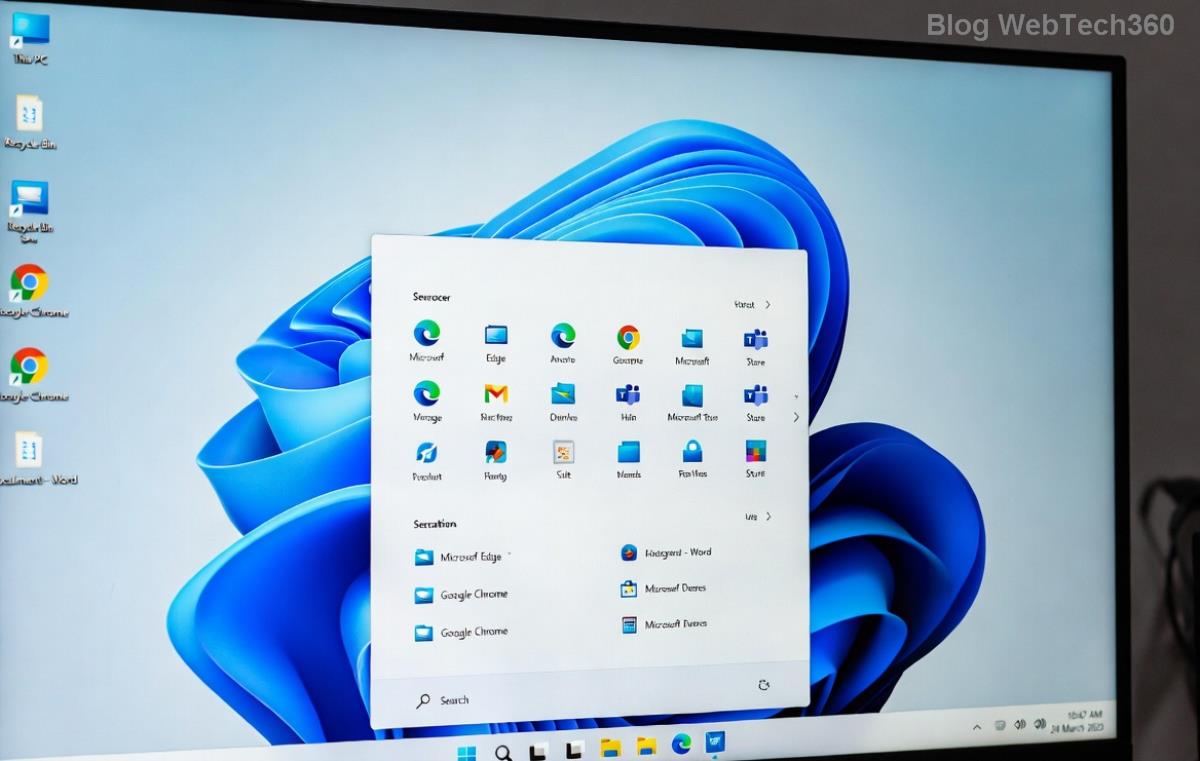
Step-by-Step: How to Disable Hibernate in Windows 11
We'll use built-in tools—no downloads needed. This process works on the latest Windows 11 builds as of 2026. Follow along carefully; it's quick and reversible if needed.
Step 1: Open Command Prompt as Administrator
🖱️ Right-click the Start button (or press Windows key + X) and select Terminal (Admin) or Command Prompt (Admin). If prompted, confirm with your admin password. This ensures the command has the power to tweak system files.
Pro tip: If you're new to Command Prompt, don't worry—it's just like typing simple instructions.
Step 2: Enter the Magic Command to Disable Hibernate
✨ In the admin window, type the following command exactly and hit Enter:
powercfg -h off
Watch the magic happen! This disables hibernate Windows 11 and deletes the hiberfil.sys file, instantly free up disk space Windows 11. You might see a quick confirmation— that's your space being reclaimed.

Step 3: Verify and Check Your Freed Space
🔍 Close the Command Prompt and open File Explorer (Windows key + E). Right-click your C: drive, select Properties, and check the free space. Boom—gigabytes back in your pocket! To confirm Hibernate is off, go to Settings > System > Power & battery > Screen and sleep. You won't see Hibernate options anymore.
If you have multiple drives, the command affects the main system drive, but that's where hiberfil.sys lives anyway.
Step 4: Adjust Power Settings for Alternatives (Optional but Recommended)
To keep things smooth, tweak your power plan:
- Search for "Power & sleep settings" in the Start menu.
- Click "Additional power settings" on the right.
- Select your active plan and click "Change plan settings."
- Set "Put the computer to sleep" to a low value like 15 minutes for battery life without Hibernate.
This ensures your PC rests efficiently while saving SSD space. Sleep mode uses minimal power and no disk storage—perfect for SSDs.
Troubleshooting Common Issues When Disabling Hibernate
Running into snags? We've got you covered. Here's a quick table of frequent hurdles and fixes:
| Issue |
Solution |
| Command not recognized |
Ensure you're in Admin mode. Restart and try again. |
| No space freed up |
Restart your PC and check again. The file might need a reboot to delete fully. |
| Can't access Command Prompt |
Use Windows key + R, type "cmd," then Ctrl + Shift + Enter for admin rights. |
| Want to re-enable later? |
Run powercfg -h on in admin Command Prompt. |
These tips should resolve 99% of problems. If you're on a managed work PC, check with IT first—group policies might block changes.
Hibernate vs. Sleep vs. Shut Down: Which is Best After Disabling?
Confused about power modes? Let's break it down simply:
- Sleep: Saves state in RAM—fast wake, low power, zero disk use. Ideal for short breaks.
- Hibernate (now off): Saves to disk—secure but space-heavy. Skip it for SSD space.
- Shut Down: Full power off—refreshes everything, great overnight.
For most users, Sleep is the sweet spot post-disable. It resumes in seconds on Windows 11 SSDs, keeping you productive without the bloat.
Bonus Tips to Maximize SSD Space on Windows 11
Disabling Hibernate is a win, but why stop there? Here are more ways to keep your drive lean:
- Clean Up Temp Files: Run Disk Cleanup (search in Start) and select "Temporary files." ⭐ Easy GBs freed!
- Offload to Cloud: Use OneDrive for docs—syncs seamlessly on Windows 11.
- Uninstall Unused Apps: Settings > Apps > Installed apps. Ditch the clutter.
- Enable Storage Sense: In Settings > System > Storage, turn it on to auto-delete junk.
Combine these with disable hibernate Windows 11, and your SSD will thank you with faster boots and more room for what matters. Feeling empowered? Share your space savings in the comments below!
For deeper dives, check Microsoft's official guide on power management: Power Plans in Windows. It's a reliable resource to fine-tune further.
Wrap-Up: Reclaim Your Space and Boost Performance Today
There you have it—a simple path to save SSD space by disabling Hibernate in Windows 11. You've just unlocked gigabytes, potentially extending your drive's life and speeding up your workflow. Isn't it refreshing to have a clutter-free system? If this guide helped, give it a thumbs up and explore our other Windows tips for even more optimization. Your PC—and your sanity—will be better for it! 🚀