Imagine firing up your Windows 11 PC and seeing everything from menus to icons in a font that perfectly matches your style. If the default Segoe UI feels a bit stale, you're in luck! Changing the default system font in Windows 11 is a game-changer for personalization. This guide walks you through the process with clear, actionable steps, helping you enhance readability and inject some personality into your interface. Whether you're aiming for elegance or boldness, let's dive in and make your desktop shine. 😊
Why Bother Changing the Default System Font in Windows 11?
Windows 11's sleek design is impressive, but one size doesn't fit all. The default system font affects everything—dialog boxes, file explorers, and even app interfaces. Customizing it can reduce eye strain, improve accessibility, or simply refresh your daily workflow. Plus, it's a quick way to make your PC feel uniquely yours. No more staring at the same old text; let's empower you to tweak it hassle-free.
Before we jump into the steps, a quick note: Microsoft doesn't offer a built-in button for this in Windows 11 (as of the latest updates). But fear not—we'll use reliable Registry tweaks that are safe when followed precisely. Always back up your system first for peace of mind. Ready? Let's get started!
Step-by-Step Guide: How to Change Default System Font in Windows 11
We'll break this down into easy phases. Follow along, and you'll have a new system font in minutes. Pro tip: Choose a clean, sans-serif font like Calibri or Arial for the best results—avoid overly decorative ones to keep things readable.
Step 1: Prepare Your Font and Back Up the Registry
👉 First, install your desired font if it's not already on your system. Download from trusted sources like Google Fonts, then right-click the .ttf file and select "Install."
Next, safeguard your setup. Open the Registry Editor by pressing Windows + R, typing regedit, and hitting Enter. Go to File > Export to save a backup. This step ensures you can revert if needed—better safe than sorry!
Step 2: Access the Registry Editor for Font Customization
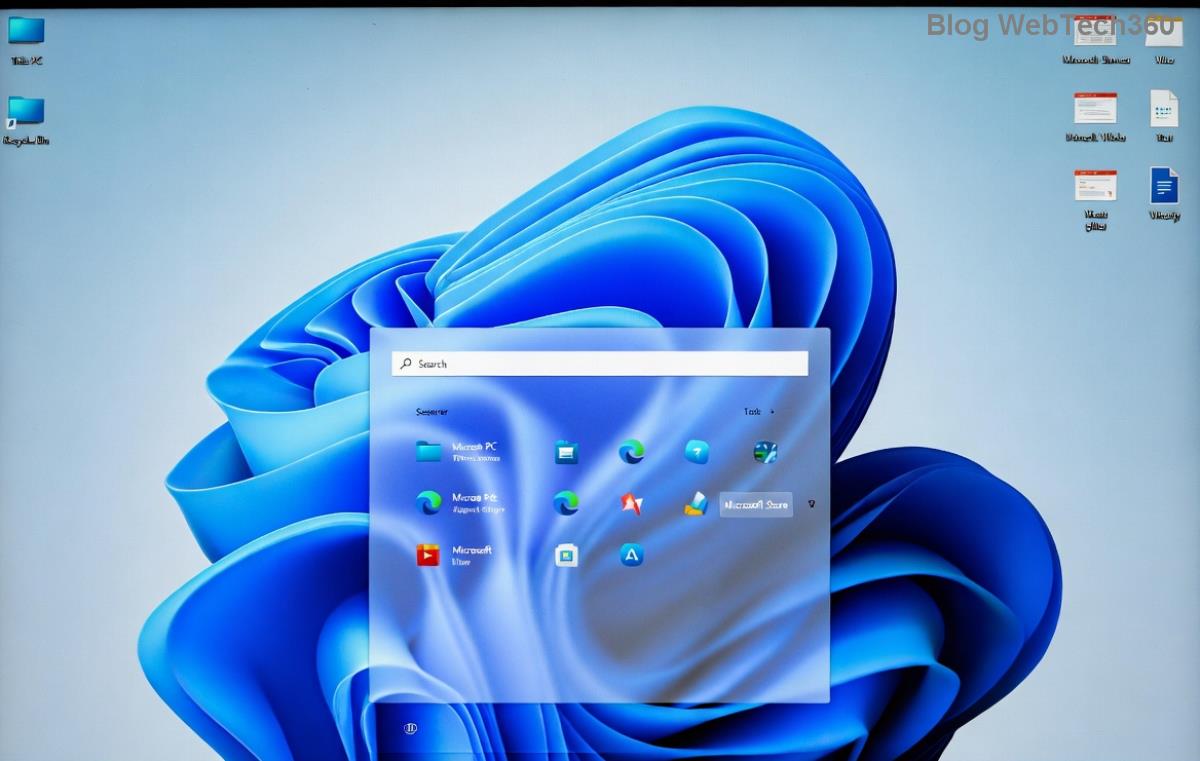
With your backup ready, navigate to the key location: HKEY_LOCAL_MACHINE\SOFTWARE\Microsoft\Windows NT\CurrentVersion\Fonts. This is where Windows stores font mappings.
Look for entries like "Segoe UI (TrueType)" and note their values. We'll modify these to point to your new font. If you're new to the Registry, think of it as a control panel for system settings—precise but powerful.
Step 3: Modify Registry Entries to Swap the Font
Now the fun part! Create a new text file on your desktop and paste the following script, replacing "YourFontName" with your chosen font (e.g., "Calibri"). This automates the change safely:
Windows Registry Editor Version 5.00

[HKEY_LOCAL_MACHINE\SOFTWARE\Microsoft\Windows NT\CurrentVersion\Fonts]
"Segoe UI (TrueType)"="YourFontName.ttf"
"Segoe UI Bold (TrueType)"="YourFontName Bold.ttf"
"Segoe UI Semibold (TrueType)"="YourFontName Semibold.ttf"
"Segoe UI Symbol (TrueType)"="YourFontName.ttf"
Save it as "fontchange.reg" (ensure the extension is .reg). Double-click to run it, confirm the prompt, and restart your PC. Voilà—your new default system font in Windows 11 is live!
Step 4: Fine-Tune and Verify the Changes
After rebooting, open File Explorer or Settings to see the magic. If it doesn't stick, double-check the font names match exactly (case-sensitive!). For stubborn apps, you might need to log out and back in.
Want to revert? Run a similar .reg file with the original Segoe UI values or restore from your backup. Easy peasy.
Pro Tips for the Best Font Experience in Windows 11
To maximize your setup:
- ⭐ Choose wisely: Opt for fonts with multiple weights (regular, bold) for consistency across the UI.
- 1. Accessibility boost: Larger or high-contrast fonts can make a world of difference for long sessions.
- 2. Test thoroughly: Not all fonts render perfectly—preview in apps like Notepad first.
- Avoid pitfalls: Steer clear of system fonts like MS Sans Serif; they might cause glitches. ❌
For advanced users, consider third-party tools like Stardock's Start11 for even more UI tweaks, but the Registry method keeps it native and free.
Common Issues and Quick Fixes When Changing Fonts in Windows 11
Running into snags? Here's a handy troubleshooting table:
| Issue |
Solution |
| Font doesn't apply after restart |
Verify exact font file names in Registry; reinstall the font. |
| UI elements look blurry |
Ensure ClearType is enabled: Search "ClearType" in Settings and adjust. |
| Apps ignore the change |
Some UWP apps need a full logoff; try sfc /scannow in Command Prompt (admin). |
| Registry access denied |
Run regedit as administrator; disable antivirus temporarily if blocking. |
These fixes should get you back on track. Remember, patience is key—tweaking feels rewarding once it's done right. 👏
Enhance Your Windows 11 Even Further
Now that you've nailed how to change default system font in Windows 11, why stop there? Explore themes in Settings > Personalization for color coordination, or dive into dark mode for a modern vibe. Your PC is your canvas—keep experimenting!
Got questions or a font recommendation? Drop a comment below; let's build a community of customized Windows enthusiasts. Stay tuned for more tips to make your tech life awesome. You've got this! 🚀