Are you excited about Windows 11's sleek design and new features but not ready to ditch your trusty Windows 10 setup? Setting up a Windows 11 dual boot with Windows 10 is the perfect solution! This guide will walk you through the process step by step, ensuring you can switch between operating systems seamlessly. No more tough choices – enjoy the best of both worlds without losing your data or productivity. Let's dive in and get your dual-boot system up and running today! 🚀
Why Choose Windows 11 Dual Boot with Windows 10?
Before we jump into the how-to, let's quickly highlight why dual booting Windows 11 and Windows 10 is a game-changer. Windows 11 brings rounded corners, centered taskbars, and enhanced multitasking with Snap Layouts, but some apps or drivers might still perform better on Windows 10. Dual booting lets you test Windows 11 safely while keeping Windows 10 as your safety net. Plus, it's reversible – if Windows 11 isn't for you, boot back to Windows 10 effortlessly.
Pro tip: This setup is ideal for gamers, developers, or anyone upgrading gradually. You'll feel empowered knowing your system is flexible and future-proof! 😊
Prerequisites for Setting Up Windows 11 Dual Boot
To ensure a smooth Windows 11 dual boot installation, prepare these essentials. Skipping this could lead to headaches, so let's get it right from the start.
- Compatible Hardware: Check if your PC meets Windows 11 requirements – TPM 2.0, Secure Boot, and at least 4GB RAM (8GB recommended). Use Microsoft's PC Health Check tool to verify.
- Backup Your Data: Always back up important files from Windows 10. Use OneDrive or an external drive – better safe than sorry! 💾
- Free Disk Space: Allocate at least 64GB for Windows 11. If your drive is full, consider resizing partitions later.
- Windows 11 Installation Media: Download the latest ISO from Microsoft's official site. Create a bootable USB using the Media Creation Tool (8GB+ USB needed).
- Windows 10 Intact: Ensure Windows 10 is updated to the latest version for compatibility.
With these ready, you're set for success. Imagine booting into Windows 11 for its modern vibe while falling back to Windows 10 for reliability – it's that simple!
Step-by-Step Guide: How to Set Up Windows 11 Dual Boot with Windows 10
Now, the exciting part! Follow these steps carefully to install Windows 11 alongside Windows 10. We'll assume you're starting from your Windows 10 environment. Total time: About 1-2 hours, depending on your hardware.
Step 1: Create a Bootable Windows 11 USB Drive
Grab your USB drive and head to Microsoft's website. Download the Windows 11 Media Creation Tool. Run it, select "Create installation media for another PC," choose your language and edition, then opt for USB flash drive. Let it download and prepare the ISO – this ensures you're using the most up-to-date version. Once done, safely eject the USB. You're one step closer to dual-boot bliss! ⭐
Step 2: Shrink Your Windows 10 Partition
To make room for Windows 11, resize your existing partition without data loss. In Windows 10, right-click the Start button and select Disk Management. Find your main drive (usually C:), right-click, and choose "Shrink Volume." Enter the amount of space (e.g., 100GB for safety) and click Shrink. This creates unallocated space for Windows 11. If you're uncomfortable, third-party tools like MiniTool Partition Wizard can help, but stick to official methods for reliability.
Watch as free space appears – it's like carving out a new home for Windows 11 right next to your Windows 10 setup! 👍
Step 3: Boot from the Windows 11 USB
Insert the USB, restart your PC, and enter the BIOS/UEFI settings (press F2, Del, or Esc during boot – check your motherboard manual). Set the USB as the first boot device and enable Secure Boot if needed. Save and exit. Your PC will now boot into the Windows 11 setup screen. Select your language and click "Install Now."
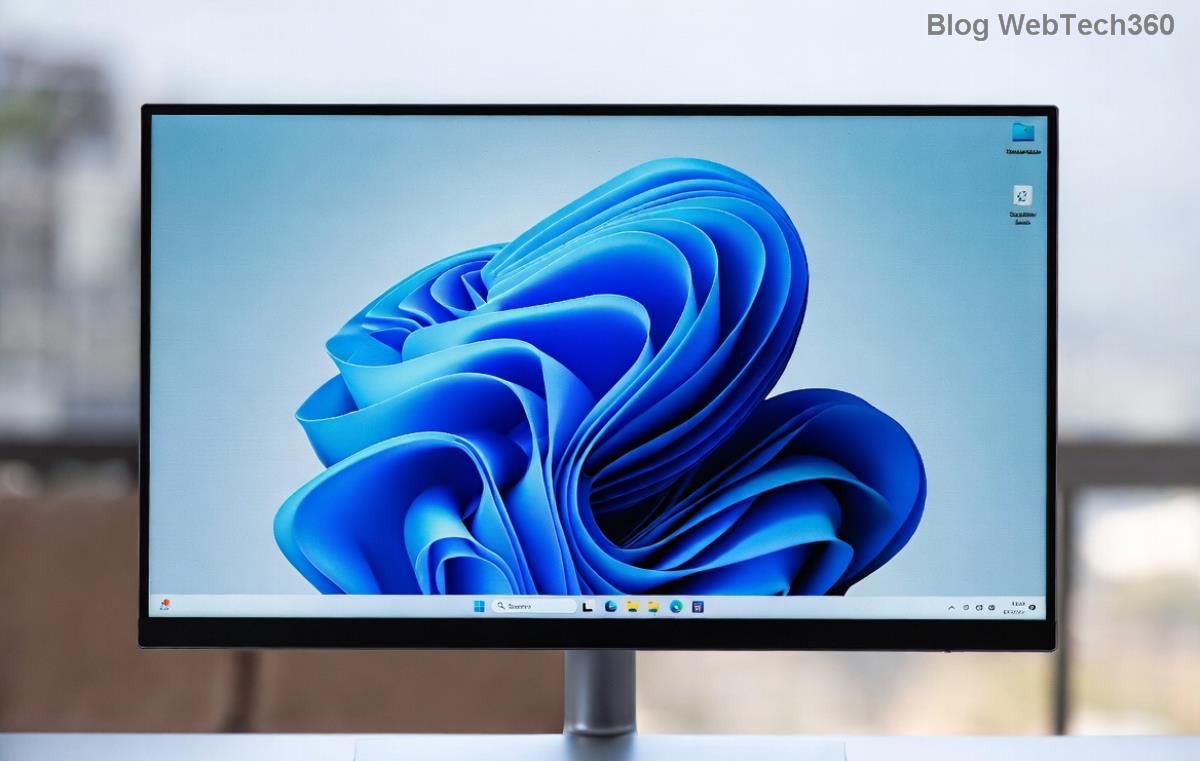
Step 4: Install Windows 11 in the Unallocated Space
Enter your product key (or skip if upgrading later). Accept the license terms. When you reach "Where do you want to install Windows?", select the unallocated space you created. If it's not formatted, click "New" to create a partition (Windows will handle the rest). Avoid touching your Windows 10 partition! Proceed with installation – your PC will restart a few times. Patience is key here; soon, you'll see the Windows 11 setup wizard.
Customize your Windows 11 account, privacy settings, and you're in! But don't celebrate yet – the dual boot magic happens next.

Step 5: Configure the Boot Menu
After installation, your PC should automatically show a boot menu letting you choose between Windows 11 and Windows 10. If not, boot into Windows 10 and download EasyBCD (a free tool) to manage the bootloader. Alternatively, from Windows 11, open Command Prompt as admin and run:
bcdedit /set {bootmgr} path \EFI\Microsoft\Boot\bootmgfw.efi
This ensures smooth switching. Test by restarting – select your OS and feel the power of choice!
Step 6: Post-Installation Tweaks
- Update Both OS: Run Windows Update in each to grab the latest patches.
- Install Drivers: Use Device Manager or manufacturer sites for GPU, Wi-Fi, etc., in both systems.
- Shared Storage: Format an extra partition as NTFS for files accessible from both OSes.
- Uninstall Unneeded Boot Entries: If clutter builds up, use msconfig to clean the boot menu.
These tweaks will make your dual boot Windows 11 and Windows 10 experience flawless. You're now a dual-boot pro! 🎉
Common Issues and Troubleshooting for Windows 11 Dual Boot
Even with careful steps, glitches happen. Here's how to fix them quickly:
| Issue |
Solution |
| Boot Menu Doesn't Appear |
Rebuild BCD with: bcdboot C:\Windows /s C: /f UEFI (adjust drives as needed). |
| Windows 11 Won't Install (TPM Error) |
Enable TPM in BIOS or use registry bypass (search Microsoft docs for details). |
| Slow Boot Times |
Disable unnecessary startup programs in both OSes via Task Manager. |
| Data Access Problems |
Ensure partitions are shared properly; avoid hibernating one OS while using the other. |
If issues persist, check the official Microsoft support forums. Remember, troubleshooting is part of the adventure – you've got this!
Benefits and Tips for Your New Dual Boot Setup
Congrats on your Windows 11 dual boot with Windows 10! Beyond flexibility, this setup boosts productivity: Use Windows 11 for AI-powered Copilot features and Windows 10 for legacy software. To optimize:
- ⭐ Set a default OS in the boot menu for quick access.
- 🔧 Regularly back up using tools like Macrium Reflect (free version available).
- 😉 Explore Windows 11's widgets while keeping Windows 10's classic Start menu.
For more advanced tweaks, visit Microsoft Support. This dual setup isn't just functional – it's liberating, letting you embrace innovation without risk.
Conclusion: Embrace the Dual Boot Life
Setting up Windows 11 dual boot with Windows 10 opens a world of possibilities, blending the new with the familiar. Follow this guide, and you'll have a robust, versatile PC in no time. Whether you're a tech enthusiast or cautious upgrader, this method keeps things simple and secure. Ready to boot into the future? Start today and share your experience in the comments – happy dual booting! 👏