Are you ready to breathe new life into your PC with a fresh Windows 11 installation? Creating a GPT bootable USB is your gateway to seamless upgrades, clean installs, or quick recoveries. This method ensures compatibility with modern UEFI systems, which is essential for Windows 11's security features like Secure Boot. No more fumbling with outdated tools—follow this straightforward guide to craft your GPT bootable USB for Windows 11 and get back to what you love. Let's dive in and make tech feel effortless! 😊
Why Choose a GPT Bootable USB for Windows 11?
Before we jump into the steps, let's quickly cover the basics. GPT (GUID Partition Table) is the modern standard for disk partitioning, replacing the older MBR. It's required for drives larger than 2TB and pairs perfectly with UEFI firmware on newer hardware. Windows 11 demands GPT for its full feature set, including TPM 2.0 and Secure Boot support.
Using a GPT bootable USB means faster boots, better stability, and no compatibility headaches. Whether you're installing on a laptop, desktop, or even dual-booting, this setup keeps things smooth. Plus, it's a lifesaver for troubleshooting—imagine fixing a stubborn system in under an hour! Ready to create yours? Here's everything you need.
What You'll Need to Create Your GPT Bootable USB
Gathering the right tools sets you up for success. Don't worry; it's simpler than it sounds. Here's your checklist:
- A USB flash drive (at least 8GB, preferably USB 3.0 for speed 🚀)
- A Windows PC (any recent version works, but Windows 10/11 is ideal)
- The official Windows 11 ISO file from Microsoft
- Rufus software (free and reliable for creating the bootable drive)
Pro tip: Back up any data on your USB drive first—formatting is part of the process, and it'll wipe everything clean. Feeling prepared? Great—let's move to the action steps.
Step-by-Step: How to Create a GPT Bootable USB for Windows 11
We'll use Rufus, a trusted, open-source tool that's updated regularly for the latest Windows 11 requirements. Download it from the official site: rufus.ie. It's lightweight and doesn't require installation—perfect for quick tasks.
Step 1: Download the Windows 11 ISO
Head to Microsoft's official download page to grab the latest Windows 11 ISO. This ensures you're working with genuine, up-to-date files. Select your edition (Home, Pro, etc.), confirm your language, and download. The file is around 5-6GB, so a stable internet connection helps. Once done, verify the download by checking the file size—Microsoft provides hashes for authenticity if you're extra cautious.
Step 2: Insert and Prepare Your USB Drive
Plug in your USB drive. Open File Explorer (Windows key + E) and note the drive letter (e.g., E:). If it has files, copy them elsewhere—this step will erase everything. Now, launch Rufus. It auto-detects your USB drive, but double-check it's the right one to avoid mistakes. 👆
Step 3: Configure Rufus for GPT and UEFI
In Rufus, click "Select" next to the Boot selection field and choose your Windows 11 ISO. Under Partition scheme, pick GPT—this is crucial for UEFI compatibility. For Target system, select UEFI (non CSM). Leave other settings default unless you have specific needs, like adding extra files.
Here's a quick configuration table for clarity:
| Setting |
Recommended Option |
Why? |
| Partition Scheme |
GPT |
Supports modern UEFI and large drives |
| Target System |
UEFI (non CSM) |
Enables Secure Boot for Windows 11 |
| File System |
FAT32 |
Best for UEFI boot compatibility |
| Cluster Size |
Default |
Optimizes speed without tweaks |
Hit "Start" and confirm the format warning. Rufus will partition the drive as GPT, copy files, and make it bootable. This takes 5-15 minutes depending on your USB speed. Grab a coffee while it works its magic! ☕
Step 4: Verify and Eject Safely
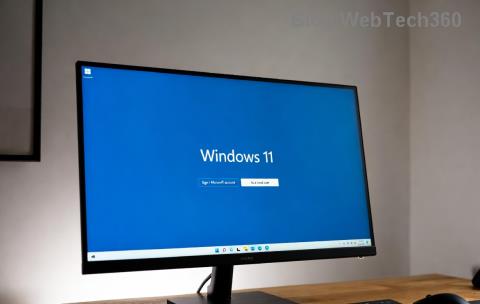
Once complete, Rufus shows a green success message. Eject the USB safely via the system tray. To test, restart your PC and enter the boot menu (usually F12, Esc, or Del—check your motherboard manual). Select the USB from the UEFI boot options. If it loads the Windows 11 setup screen, you're golden! 🎉
Troubleshooting Common Issues with Your GPT Bootable USB
Even the best plans hit snags. If your GPT bootable USB for Windows 11 isn't booting:
- USB not detected? Ensure BIOS/UEFI is set to UEFI mode, not Legacy/CSM. Disable Secure Boot temporarily for testing.
- Slow creation? Use a USB 3.0 port and drive—USB 2.0 drags it out.
- ISO errors? Redownload from Microsoft; corrupted files are common culprits.
- Partition fails? Run Rufus as administrator and close other apps.
For deeper dives, check Microsoft's support docs: support.microsoft.com. These tips should get you back on track fast.
Pro Tips to Maximize Your Windows 11 Installation
Now that your GPT bootable USB is ready, let's optimize the install. During setup, choose Custom install for a clean slate—delete old partitions if needed (back up first!). Post-install, update drivers via Windows Update for peak performance.
Want to go further? Customize your ISO with tools like NTLite (free version available) to skip bloatware. Or, for dual-boot setups, use EasyBCD to manage multiple OSes smoothly. These tweaks make Windows 11 feel tailor-made for you.
Final Thoughts: Boot into a Better Windows 11 Experience
Congratulations—you've just mastered creating a GPT bootable USB for Windows 11! This simple process unlocks reliable installs and empowers you to handle PC woes like a pro. Whether upgrading an old rig or setting up a new one, you're now equipped for success. If this guide helped, share your wins in the comments below—what's your next tech adventure? Stay tuned for more tips to keep your system running like a dream. 🚀