Imagine gliding your mouse across the screen effortlessly, every click precise and responsive. But if you're dealing with Windows 11 mouse lag on desktop, that smooth experience turns frustrating fast. Don't worry—mouse stuttering or delays aren't uncommon, especially after updates or with heavy multitasking. The good news? You can fix it with simple, effective steps. This guide walks you through targeted solutions to restore your desktop's snappiness, keeping you productive and stress-free. Let's dive in and get your cursor flying again! 🚀
Why Does Mouse Lag Happen on Windows 11 Desktop?
Before jumping into fixes, understanding the culprits behind mouse lag on Windows 11 desktop helps you tackle the root cause. Common triggers include outdated drivers, background processes hogging resources, or even hardware conflicts. Windows 11's enhanced features like Snap Layouts and Widgets can sometimes overload your system if not optimized. Recent updates have improved stability, but occasional glitches persist. By addressing these, you'll not only fix the lag but also enhance overall performance. Ready to troubleshoot? Start with the basics.
Quick Wins: Basic Fixes for Windows 11 Mouse Lag
Let's begin with easy, no-tech-skills-needed steps. These often resolve mouse lag Windows 11 in minutes, giving you that instant relief.
1. Restart Your PC and Peripherals
Sometimes, a simple reboot clears temporary glitches. Power off your computer, unplug your mouse (wired or wireless), wait 30 seconds, then reconnect and restart. This resets connections and flushes out minor software hiccups. Pro tip: If using a wireless mouse, check the battery—low power can mimic lag. Feeling better already? If not, keep going! 👍
2. Update Your Mouse Drivers
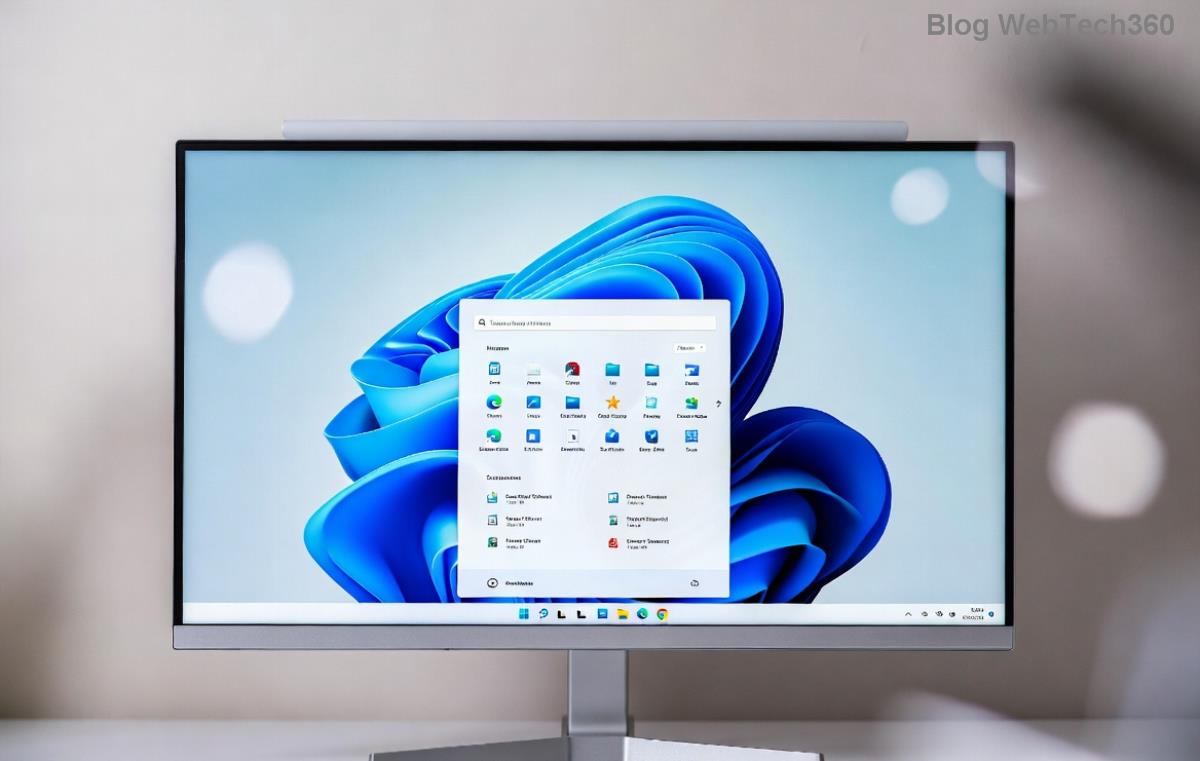
Outdated drivers are a top villain for mouse stuttering Windows 11. Head to Device Manager (right-click Start button > Device Manager), expand "Mice and other pointing devices," right-click your mouse, and select "Update driver." Choose "Search automatically for drivers." For the latest, visit your mouse manufacturer's site—like Logitech or Microsoft—for Windows 11-compatible downloads. This ensures compatibility with recent system tweaks.
3. Adjust Mouse Settings in Windows
Windows 11's default settings might not suit your setup. Open Settings (Win + I) > Bluetooth & devices > Mouse. Turn off "Enhance pointer precision" if it's causing delays—it's great for some, but can introduce lag on high-DPI screens. Also, tweak scroll speed under "Mouse pointer speed." Test as you go; small changes can make a big difference in desktop responsiveness.
These quick fixes resolve desktop mouse issues for many users. But if lag persists during gaming or video editing, deeper tweaks are next.
Advanced Solutions to Eliminate Persistent Mouse Lag
If basics don't cut it, time for power moves. These target system-level problems, ensuring your Windows 11 mouse lag vanishes for good. We'll focus on performance boosters that keep your workflow uninterrupted.
4. Run the Hardware Troubleshooter
Windows 11 has built-in smarts for this. Search for "Troubleshoot settings" in the Start menu, select "Other troubleshooters," and run the "Hardware and Devices" one. It scans for conflicts automatically—follow on-screen prompts. This often uncovers hidden issues like USB port problems, restoring smooth cursor movement without hassle.
5. Disable Conflicting Software and Startup Programs
Background apps can steal CPU cycles, worsening mouse lag on Windows 11 desktop. Open Task Manager (Ctrl + Shift + Esc), go to the Startup tab, and disable non-essentials like antivirus overlays or RGB software. In Settings > Apps > Startup, toggle off extras. Lighter load means faster response—your desktop will thank you!
6. Check for Windows Updates and Optimize Power Settings
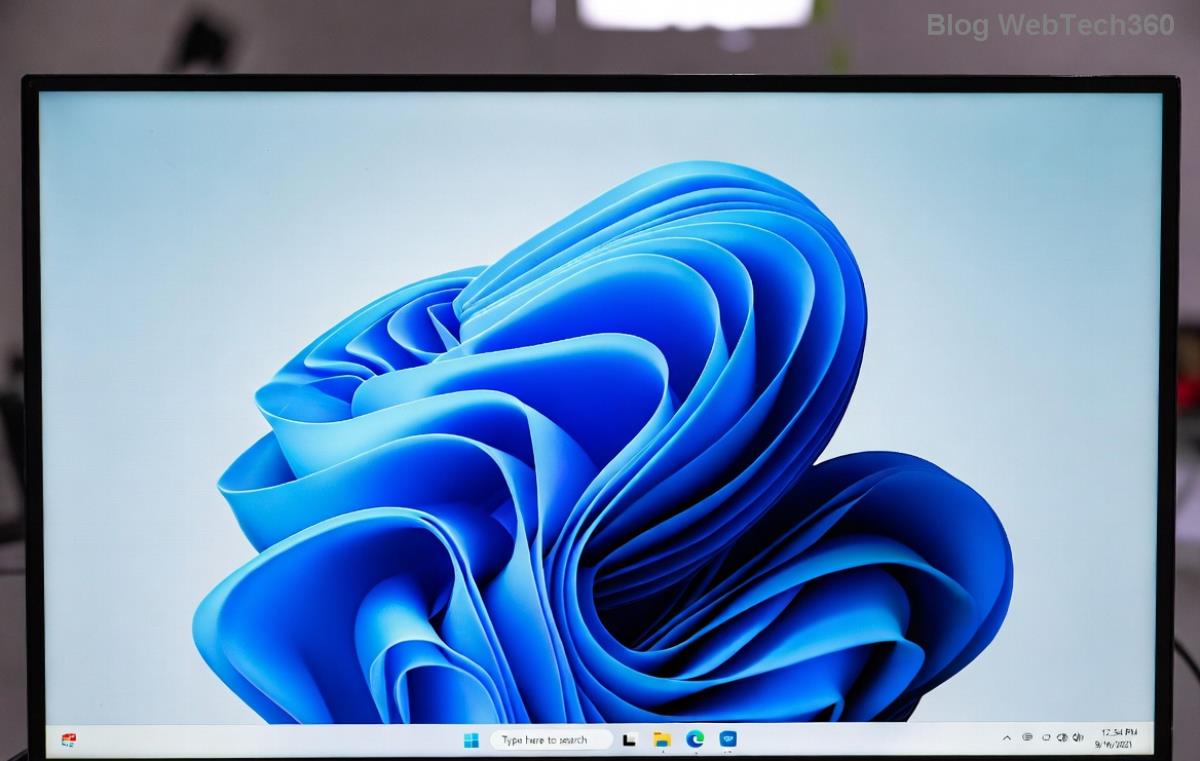
Staying current is key. Go to Settings > Windows Update > Check for updates. Install any available patches—they often fix input lag bugs from recent builds. Then, for power users: Settings > System > Power & battery > Power mode > Set to "Best performance." On laptops, ensure plugged-in mode prioritizes speed over battery life. These tweaks align with Windows 11's latest optimizations for fluid desktop use.
7. Scan for Malware and System File Corruption
Malware or corrupted files can sabotage performance. Run Windows Security (search for it) > Virus & threat protection > Quick scan. For deeper checks, open Command Prompt as admin and type sfc /scannow—it repairs core files. If issues linger, use DISM /Online /Cleanup-Image /RestoreHealth. Clean system, no more lag surprises!
Hardware Checks: When Software Fixes Aren't Enough
Software covers most cases, but hardware might be the sneaky cause of fix mouse lag Windows 11. Let's rule it out.
- Try a Different Mouse or Port: Plug into another USB port or test with a spare mouse. Faulty hardware often shows as inconsistent lag.
- Clean Connections: Dust or loose cables? A quick wipe fixes wireless interference too.
- Monitor System Resources: In Task Manager > Performance tab, watch CPU/RAM usage during lag. If spiking, upgrade RAM or close tabs—Windows 11 thrives on 16GB+ for multitasking.
Still stuck? Consider if your setup meets Windows 11's minimum specs (like TPM 2.0), but most modern desktops do. These checks ensure you're not overlooking the obvious.

Pro Tips for Preventing Future Mouse Lag on Windows 11
Fix it once, prevent it forever. To keep Windows 11 performance tips in play:
| Tip |
How It Helps |
Action Step |
| Regular Driver Updates |
Ensures compatibility with new Windows features |
Use Device Manager monthly or enable auto-updates |
| Limit Startup Apps |
Reduces resource drain for smoother cursor |
Review in Task Manager > Startup |
| Wireless Mouse Optimization |
Minimizes interference for lag-free tracking |
Keep receiver close, away from Wi-Fi routers |
| System Maintenance |
Keeps files clean and updates fresh |
Run Disk Cleanup and updates weekly |
Implementing these keeps your desktop zippy. For gaming-specific lag, tweak mouse polling rate in its software—aim for 1000Hz if supported.
Final Thoughts: Smooth Sailing Ahead
Congrats—you've got the tools to banish mouse lag on Windows 11 desktop! Start with quick fixes, escalate as needed, and enjoy a responsive experience that matches Windows 11's sleek design. If problems persist, community forums like Microsoft's support site can offer tailored advice. Your frustration ends here—now go conquer that cursor! If this helped, share your success story below. 😊
For more Windows 11 performance tips, stick around our site. What's your next tech challenge?