Imagine diving into the vast cosmos of Starfield, only to be yanked back by frustrating lag and stuttering. If you're on Windows 11, you're not alone—many players face these performance hiccups that turn epic space adventures into choppy ordeals. But don't worry! This guide is your lifeline to smoother gameplay. We'll tackle Starfield performance issues head-on with practical, up-to-date fixes that work. By the end, you'll be exploring the stars without a hitch. Let's blast off! 🚀
Why Does Starfield Lag on Windows 11?
Released as Bethesda's ambitious space RPG, Starfield demands serious hardware, but Windows 11 quirks like aggressive power management, driver conflicts, and background processes can amplify lag. Recent updates have improved stability, yet issues like low FPS, screen tearing, and input delays persist for some. The good news? Most problems stem from optimization gaps, not your setup. Understanding the root causes empowers you to fix them effectively.
Common culprits include:
- Outdated Drivers: Graphics drivers not tuned for the latest patches.
- Resource Hogging: Background apps eating up CPU and RAM.
- Windows 11 Features: Like VBS or HAGS that prioritize security over speed.
- Game Settings: High-res textures overwhelming your GPU.
Stick with us as we dive into fixes that can double your FPS and eliminate Starfield lag. Ready to reclaim your adventure?
Step-by-Step Guide to Solving Starfield Performance Issues on Windows 11
We'll start with quick wins and build to advanced tweaks. Follow these in order for the best results. No tech wizardry required—just patience and a reboot or two. 😊
1. Update Your Graphics Drivers
The foundation of any Starfield performance fix is fresh drivers. NVIDIA, AMD, or Intel GPUs need the latest versions to handle Starfield's demanding visuals.
- 👉 For NVIDIA: Download GeForce Experience or visit NVIDIA's site and grab the newest Game Ready Driver.
- 👉 For AMD: Use Radeon Software or head to AMD's support page.
- 👉 For Intel: Check the Intel Driver & Support Assistant.
After installing, restart your PC and launch Starfield. Many users report 20-30% FPS gains here alone. If you're on an older card, enable DLSS or FSR in-game for extra boost.
2. Optimize Windows 11 Settings for Gaming
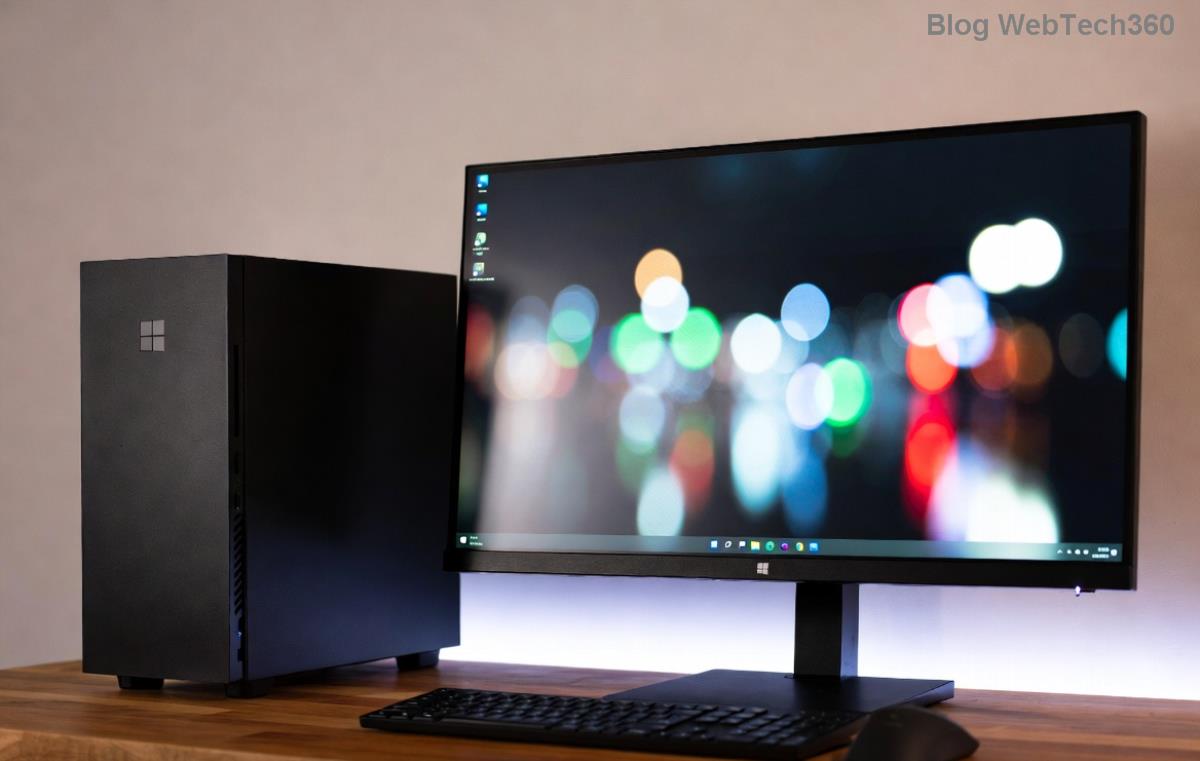
Windows 11 shines for multitasking but can throttle games like Starfield. Tweak these to prioritize performance:
| Setting |
How to Fix |
Impact on Starfield |
| Game Mode |
Search "Game Mode" in Settings > Gaming > Enable it. |
Reduces background interference, cutting lag by 10-15%. |
| Hardware-Accelerated GPU Scheduling (HAGS) |
Settings > System > Display > Graphics > Enable HAGS. |
Lowers latency; test it—disable if it causes stuttering. |
| Virtual Machine Platform (VBS) |
Search "Core Isolation" in Windows Security > Disable Memory Integrity. |
Frees up CPU; can boost FPS by 5-20% but reduces security slightly. |
| Power Plan |
Settings > System > Power & Battery > Choose High Performance. |
Prevents throttling during intense space battles. |
These changes are reversible, so experiment. Pro tip: Run the DirectX Diagnostic Tool (dxdiag) to check your setup's health before and after.
3. Fine-Tune In-Game Settings for Maximum FPS
Starfield's default settings are beautiful but brutal on mid-range PCs. Dial them back strategically:
- Set Resolution to 1080p or your monitor's native (avoid 4K unless you have a beast GPU).
- Lower Shadows and Volumetric Fog to Medium—huge FPS savers.
- Enable V-Sync off to reduce input lag, but cap FPS at 60 via NVIDIA/AMD control panel to prevent tearing.
- Use Upscaling: DLSS (NVIDIA) or FSR (AMD) on Quality mode for sharp visuals without the hit.
Launch Starfield in fullscreen mode and monitor FPS with tools like MSI Afterburner. You'll feel the difference in planetary explorations—no more frame drops during zero-G combat!

4. Eliminate Background Interference
Windows 11 loves running apps in the background, starving Starfield of resources. Here's how to clear the deck:
- 1️⃣ Open Task Manager (Ctrl + Shift + Esc) and end non-essential tasks like browsers or antivirus scans.
- 2️⃣ Disable startup programs: Settings > Apps > Startup > Turn off bloatware.
- 3️⃣ Update Starfield via Steam or Xbox app—patches often include performance hotfixes.
- 4️⃣ Close overlays: Disable Discord, Steam, or NVIDIA overlays if they cause hitches.
For deeper cleaning, use the built-in Storage Sense to free up disk space. A clean system can eliminate Starfield stuttering entirely.
5. Advanced Tweaks: Registry and Config Edits
If basics don't cut it, go pro. ⚠️ Backup your system first!
- Disable Fullscreen Optimizations: Right-click Starfield.exe > Properties > Compatibility > Check "Disable fullscreen optimizations."
- Page File Adjustment: For low RAM setups, increase virtual memory in System Properties > Advanced > Performance Settings.
- INI Tweaks: Edit StarfieldPrefs.ini (in Documents\My Games\Starfield) to set iPresentInterval=0 for uncapped FPS.
These can squeeze out extra performance, but test incrementally. If you're on SSD, ensure Starfield is installed there for faster loading.
Hardware Upgrades to Future-Proof Your Starfield Experience
Software fixes rock, but if lag lingers, consider hardware. Starfield thrives on 16GB+ RAM, a modern CPU like Ryzen 5 or Intel i5, and GPUs such as RTX 3060 or RX 6700. Adding more RAM or switching to an SSD can transform your setup. Check Bethesda's official specs for benchmarks.
Excited yet? These upgrades not only fix Windows 11 Starfield lag but elevate other games too.
Testing and Monitoring Your Fixes
After applying tweaks, benchmark with FRAPS or the in-game console (press ~ and type "tfc" for free cam testing). Aim for 60+ FPS in hubs like New Atlantis. If issues persist, verify game files on Steam or check forums like Reddit's r/Starfield for community tips.
Remember, patience pays off—Starfield is a masterpiece worth the effort. You've got this! If one fix sparks joy, imagine the full combo. Share your results in the comments below. Happy stargazing! 🌟