Imagine staring at your stunning high-resolution display, only to be frustrated by pixelated fonts that make text look blurry and jagged. If you're dealing with pixelated font error on high-resolution screens, you're not alone. High-DPI displays like 4K monitors or Retina screens can sometimes render fonts poorly without the right tweaks. But don't worry—this guide will walk you through simple, effective solutions to restore sharp, readable text. By the end, your screen will feel brand new, and you'll wonder why you didn't fix it sooner! 😊
Why Do Fonts Look Pixelated on High-Resolution Screens?
High-resolution screens pack more pixels into the same space, which is great for images but can trip up font rendering. The main culprit? DPI scaling issues. Operating systems like Windows and macOS scale interfaces for readability, but apps and browsers might not follow suit, leading to blurry text or pixelated fonts.
Common causes include:
- Outdated graphics drivers: They fail to handle high-DPI properly.
- App-specific rendering: Legacy software doesn't support modern scaling.
- System settings mismatch: Default DPI isn't optimized for your display.
- Font smoothing disabled: Without anti-aliasing, edges look rough.
Understanding these helps you target the fix. Let's dive into solutions that work across platforms. Stick around—these steps are straightforward and will have you reading crisply in minutes.
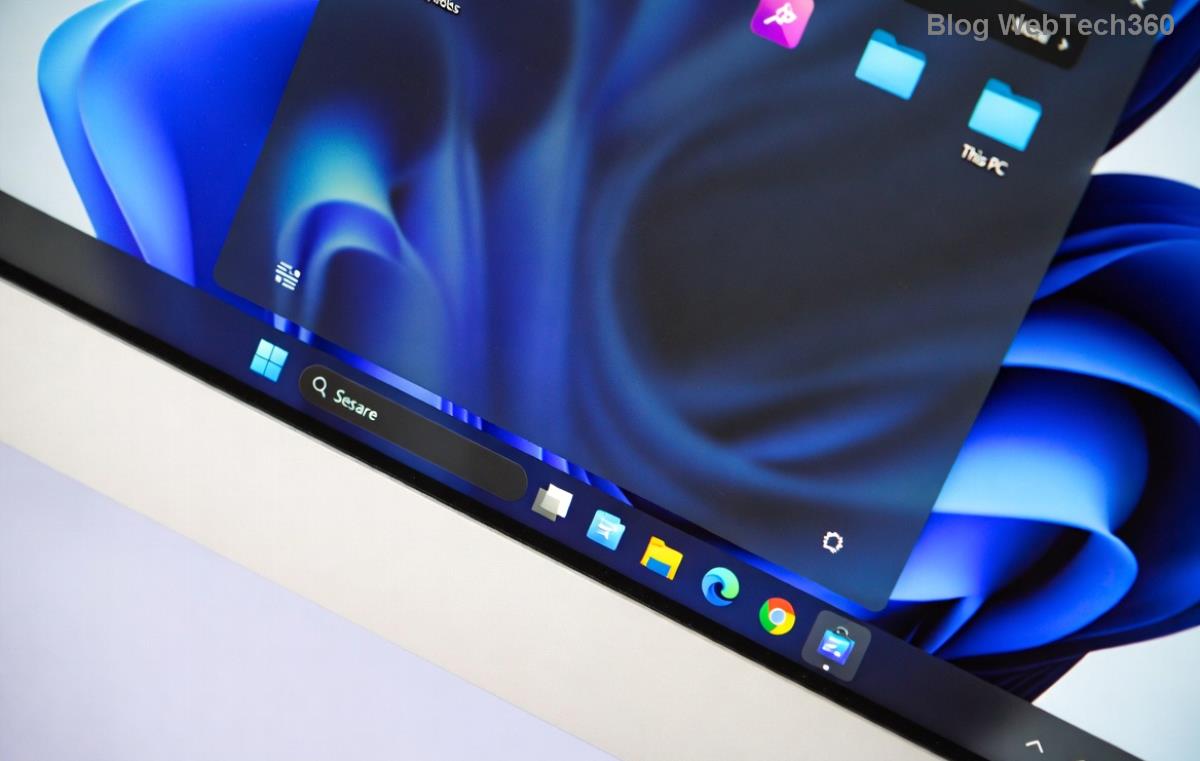
Solving Pixelated Fonts on Windows: Step-by-Step Fixes
Windows users, rejoice! Microsoft has refined high-DPI support in recent updates, making it easier than ever to banish pixelated font errors. Start with these tweaks for immediate results.
1. Adjust DPI Scaling Settings
Right-click your desktop and select Display settings. Under Scale and layout, set scaling to 125%, 150%, or 200% based on your screen size (e.g., 150% for 4K). This ensures fonts scale smoothly without pixelation. 👆
2. Enable ClearType for Better Font Rendering
Search for ClearType in the Start menu and launch the tuner. Follow the prompts to calibrate—it's like giving your fonts a spa day! This subpixel rendering sharpens edges on LCD screens.
3. Update Graphics Drivers
Outdated drivers are a sneaky cause of blurry text on high-resolution screens. Head to your GPU manufacturer's site (NVIDIA, AMD, or Intel) and download the latest drivers. For NVIDIA, use GeForce Experience; AMD has Radeon Software. Restart after installation for the magic to take effect.
If you're on Windows 11, the latest builds include enhanced DPI awareness for apps, reducing pixelation in tools like Chrome or Photoshop.
4. Fix App-Specific Issues
For stubborn programs, right-click the executable, go to Properties > Compatibility, and check Override high DPI scaling behavior. Select Application scaling. This forces better rendering without system-wide changes.

macOS Solutions: Restoring Retina-Quality Fonts
Apple's Retina displays are icons of clarity, but even they can suffer from pixelated fonts if subpixel antialiasing is off or apps aren't optimized. Here's how to fix it on the latest macOS versions.
1. Toggle Font Smoothing
Open Terminal and enter: defaults -currentHost write -g AppleFontSmoothing -int 2. This enables medium subpixel antialiasing for crisp text. Restart your Mac to apply. For finer control, adjust the integer (0-3): 0 for light, 3 for strong.
2. Check Display Scaling
Go to System Settings > Displays and select More Space or a scaled resolution. Avoid "Default" if it causes blurriness—opt for resolutions that match your display's native DPI.
3. Update macOS and Apps
Ensure you're on the current macOS release, which includes improved font rendering for high-res screens. Update apps via the App Store or developer sites; many now support HiDPI natively.
Pro tip: If using external monitors, connect via Thunderbolt for optimal scaling—HDMI can sometimes lag behind.
Browser and App Tweaks for Universal Clarity
Browsers like Chrome and Firefox often show pixelated font errors on high-DPI setups. Here's how to sharpen them up.
| Browser |
Fix |
Steps |
| Google Chrome |
Enable Force High-DPI |
Right-click Chrome icon > Properties > Add --force-device-scale-factor=1 to target. Relaunch. |
| Mozilla Firefox |
Adjust Layout CSS |
Type about:config, search layout.css.devPixelsPerPx, set to -1 for auto-scaling. |
| Safari (macOS) |
Default HiDPI Support |
Update to latest version; no extra flags needed—it's built-in for Retina. |
| Microsoft Edge |
DPI Awareness Flag |
Add --enable-features=WaylandWindowDecorations in shortcut for better Linux/Windows compatibility. |
For other apps like Adobe suite, check their preferences for high-resolution monitor options—recent versions (e.g., Photoshop 2026) auto-detect DPI.
Advanced Tips: Hardware and Software Optimization
If basic fixes aren't enough, go deeper. Use tools like Windows High DPI Tuner for custom scaling profiles. On macOS, apps like BetterDisplay (from the Mac App Store) fine-tune external monitor rendering.
For hardware, ensure your cable supports high bandwidth—DisplayPort 1.4 or HDMI 2.1 for 4K@60Hz without compression artifacts that blur fonts.
✨ Bonus: Install high-quality fonts like those from Google Fonts or Apple's San Francisco family. They render better on high-res screens due to optimized hinting.
Preventing Future Pixelated Font Issues
To keep your high-resolution screens font-perfect, regularly update your OS and drivers. Monitor app compatibility—developers are increasingly prioritizing DPI awareness in 2026 releases. If issues persist, test with a clean boot (Windows) or Safe Mode (macOS) to rule out conflicts.
With these steps, you'll transform frustrating pixelated fonts into smooth, professional text. Your eyes will thank you! If a specific app is still tricky, drop a comment below—we're here to help refine your setup. Ready to see the difference? Apply one fix today and enjoy the clarity. 🎉