Imagine booting up your PC, only to find your GPT disk not recognized in the Windows 11 BIOS. Frustrating, right? 😔 Don't worry—this common issue can often be resolved with a few targeted steps. Whether you're setting up a new drive or troubleshooting an existing one, this guide will walk you through fixing GPT disk not recognized in Windows 11 BIOS efficiently. We'll focus on practical solutions to get you back on track without unnecessary hassle.
Why Does Your GPT Disk Show as Not Recognized in Windows 11 BIOS?
Before diving into fixes, let's quickly understand the root causes. GPT (GUID Partition Table) is the modern standard for disk partitioning, especially for drives larger than 2TB or UEFI systems. However, Windows 11 BIOS might fail to detect a GPT disk due to:
- BIOS/UEFI Mode Mismatch: If your system is in Legacy (CSM) mode instead of UEFI, it won't properly recognize GPT disks.
- Connection or Hardware Issues: Faulty cables, SATA ports, or power supply problems can prevent detection.
- Partition Table Corruption: Software glitches or improper formatting might corrupt the GPT structure.
- Windows 11-Specific Quirks: Recent updates to Windows 11 (as of 2026) emphasize Secure Boot and UEFI, which can sometimes conflict with older GPT setups.
Spotting these early can save you time. Now, let's roll up our sleeves and fix it! 🚀
Step-by-Step Solutions to Fix GPT Disk Not Recognized
We'll start with the simplest methods and escalate as needed. Follow these in order for the best results.
1. Check and Update Your BIOS Settings
The most common culprit? Incorrect BIOS configuration. Here's how to ensure your system is GPT-ready:
- Restart your PC and enter the BIOS setup (usually by pressing Del, F2, or F10 during boot—check your motherboard manual).
- Navigate to the Boot tab and disable CSM (Compatibility Support Module) to enable full UEFI mode.
- Enable Secure Boot if it's off, but note: this might require your OS to be properly signed.
- Save changes (F10) and exit. Reboot and check if the GPT disk appears in BIOS storage list.
If your BIOS is outdated, update it from your motherboard manufacturer's site (e.g., ASUS, MSI). This often resolves compatibility issues with Windows 11 BIOS detection. Pro tip: Always back up data before flashing BIOS!
2. Verify Hardware Connections
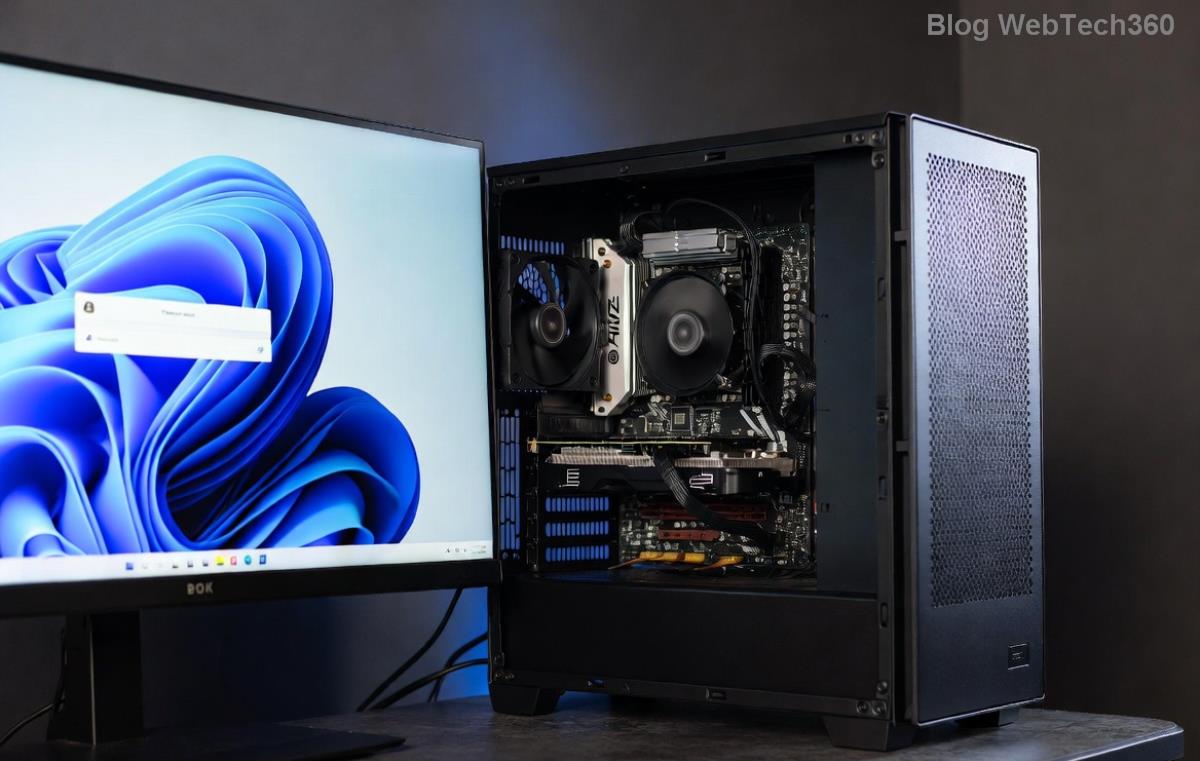
Hardware glitches are sneaky. 👆 A loose cable could be why your GPT disk not recognized.
- Power off your PC and unplug it. Open the case and reseat the drive's power and data cables (SATA for HDDs/SSDs).
- Try a different SATA port on your motherboard.
- Test the drive in another PC or with an external enclosure to rule out drive failure.
For NVMe drives, ensure they're slotted correctly. If it's a new drive, confirm it's initialized as GPT— we'll cover that next.
3. Initialize and Convert the Disk to GPT Using Disk Management
If the drive shows up in Windows but not BIOS, or vice versa, it might need proper initialization. Boot into Windows 11 (if possible) and use built-in tools:
- Right-click the Start button and select Disk Management.
- Locate the unallocated or unknown disk (it might appear as "Not Initialized").
- Right-click it, choose Initialize Disk, and select GPT (not MBR).
- If already initialized but as MBR, right-click the disk (not partitions) and select Convert to GPT Disk. Warning: This erases data—back up first! 💾
After this, reboot and check BIOS. For command-line fans, open Command Prompt as admin and run:
diskpart
list disk
select disk X (replace X with your disk number)
clean
convert gpt
exit
This wipes the disk but ensures it's GPT-formatted. Your GPT disk should now be recognized in Windows 11 BIOS.

4. Troubleshoot with Command Prompt and CHKDSK
If corruption is suspected, repair it without losing data:
- Boot from Windows 11 installation media (create via Media Creation Tool from Microsoft's site).
- Select Repair your computer > Troubleshoot > Command Prompt.
- Run:
chkdsk X: /f /r (replace X: with your drive letter).
- For deeper GPT fixes:
diskpart > list disk > select disk X > repair.
This scans and fixes errors. If the drive is still not detected, it might be a firmware issue—update your drive's firmware via the manufacturer's tool (e.g., Samsung Magician for SSDs).
5. Advanced Fixes: BIOS Reset and Third-Party Tools
Still stuck? Reset BIOS to defaults by removing the CMOS battery for 5 minutes or using the CLR_CMOS jumper. Then reconfigure UEFI.
For stubborn cases, use free tools like EaseUS Partition Master or MiniTool Partition Wizard to convert or repair GPT partitions. Always download from official sites to avoid malware.
Common Pitfalls and Prevention Tips
To avoid future GPT disk not recognized headaches:
| Pitfall |
Prevention |
| Mixing MBR and GPT |
Always use GPT for UEFI systems and drives >2TB. |
| Outdated BIOS |
Check for updates quarterly via manufacturer site. |
| Poor Connections |
Secure cables and use high-quality ones. |
| Secure Boot Conflicts |
Disable temporarily for testing, then re-enable. |
Regular backups are your best friend—use tools like Windows Backup or external drives. 👍
When to Seek Professional Help
If none of these work, the drive might be failing. Test with CrystalDiskInfo for health status. For data recovery, consult pros. Remember, persistence pays off, but don't risk your data!
For more in-depth UEFI/GPT info, check Microsoft's official documentation on UEFI requirements.
Final Thoughts: Get Your Drive Detected Today!
Fixing a GPT disk not recognized in Windows 11 BIOS doesn't have to be a nightmare. By methodically checking settings, hardware, and partitions, you'll likely resolve it in under an hour. You've got this! If this guide helped, share your success story in the comments below. Ready to install that new SSD? Let's make your PC run smoother than ever. 🎉