Imagine firing up your dual monitor setup in Windows 11, only to be hit with frustrating lag—stuttering videos, delayed mouse movements, and choppy animations across screens. You're not alone; dual monitor lag is a common gripe for multi-monitor enthusiasts. But don't worry! This guide dives straight into actionable troubleshooting Windows 11 dual monitor lag fixes that will restore your productivity and gaming flow. We'll keep it focused, step-by-step, and empowering, so you can banish the lag and enjoy buttery-smooth performance. Let's get those screens syncing perfectly! 🚀
Why Does Dual Monitor Lag Happen in Windows 11?
Before we jump into fixes, understanding the root causes of dual monitor lag in Windows 11 helps you target the problem effectively. Common culprits include mismatched refresh rates, outdated graphics drivers, hardware limitations, and even Windows settings that aren't optimized for multi-monitor use. In recent updates, Microsoft has refined display handling, but legacy setups can still cause hiccups like input lag or screen tearing.
Think of it as a traffic jam on your desktop highway—too many signals crossing paths without proper coordination. The good news? Most issues are fixable with simple tweaks. Stick with us, and you'll be multitasking like a pro in no time. 😊
Step-by-Step Troubleshooting: Essential Fixes for Dual Monitor Lag
We'll break this down into targeted steps, starting with the easiest wins. Follow along, and test your setup after each one. If one fix doesn't do it, move to the next—your perfect setup is just a few clicks away!
1. Update Your Graphics Drivers – The Lag-Busting Foundation
Outdated or buggy drivers are often the #1 cause of dual monitor lag. Windows 11 relies heavily on your GPU for smooth multi-monitor rendering, so keeping them fresh is key.
- 👉 How to do it: Right-click the Start button, select Device Manager, expand Display adapters, right-click your GPU (e.g., NVIDIA or AMD), and choose Update driver. Opt for Search automatically.
- For NVIDIA users: Download the latest from NVIDIA's site.
- AMD fans: Head to AMD's support page for the newest drivers.
- Intel integrated graphics? Use the Intel Driver & Support Assistant tool.
Pro tip: After updating, restart your PC and check for lag. This alone resolves dual monitor issues in Windows 11 for many users, as recent driver versions include optimizations for multi-display setups.

2. Match Refresh Rates and Resolutions for Seamless Sync
Mismatched settings between monitors can create artificial lag, as Windows 11 struggles to render frames consistently. Aim for harmony!
- 🔧 Quick fix: Right-click desktop > Display settings. Scroll to Multiple displays, select Extend these displays. For each monitor, set the same refresh rate (e.g., 60Hz) under Advanced display settings.
- If one monitor supports higher rates (like 144Hz), set it as primary and match the secondary as closely as possible to avoid bottlenecks.
- Bonus: Enable Hardware-accelerated GPU scheduling in Settings > System > Display > Graphics settings. This offloads work to your GPU, reducing CPU-induced lag in dual setups.
Users report up to 50% smoother performance after syncing—your mouse will glide effortlessly across screens! If lag persists, it might be cable-related; try swapping HDMI/DisplayPort cables for high-quality ones supporting your resolution.
3. Optimize Windows 11 Display and Power Settings
Windows 11 dual monitor lag can stem from power-saving features that throttle performance. Let's tweak them for peak efficiency.
| Setting |
Location |
Recommended Action |
| Disable Adaptive Sync Conflicts |
Settings > System > Display > Graphics |
Turn off if using FreeSync/G-Sync on mismatched monitors to prevent tearing-induced lag. |
| Power Plan Adjustment |
Settings > System > Power & battery |
Select Best performance mode; ensure monitors aren't set to sleep quickly. |
| Scale and Layout |
Display settings |
Set 100% scaling on both for consistency; avoid mixed DPI setups that cause redraw delays. |
These changes ensure troubleshooting dual monitor lag hits the mark without draining your battery. For laptops, plug in during tweaks to avoid power limits.
4. Hardware Checks and Advanced Tweaks
If software fixes fall short, hardware might be the bottleneck. Start simple:
- 🖥️ Test connections: Use direct cables instead of docks or hubs, which can introduce latency. Ensure your GPU has enough ports/bandwidth for dual outputs.
- RAM and CPU audit: Open Task Manager (Ctrl+Shift+Esc) during lag spikes. If usage spikes above 80%, close background apps or upgrade RAM—Windows 11 thrives on 16GB+ for multi-monitor tasks.
- Advanced: In NVIDIA Control Panel (or AMD equivalent), set Manage 3D Settings to prioritize multi-display performance. Disable unnecessary animations via Performance Options in System Properties.
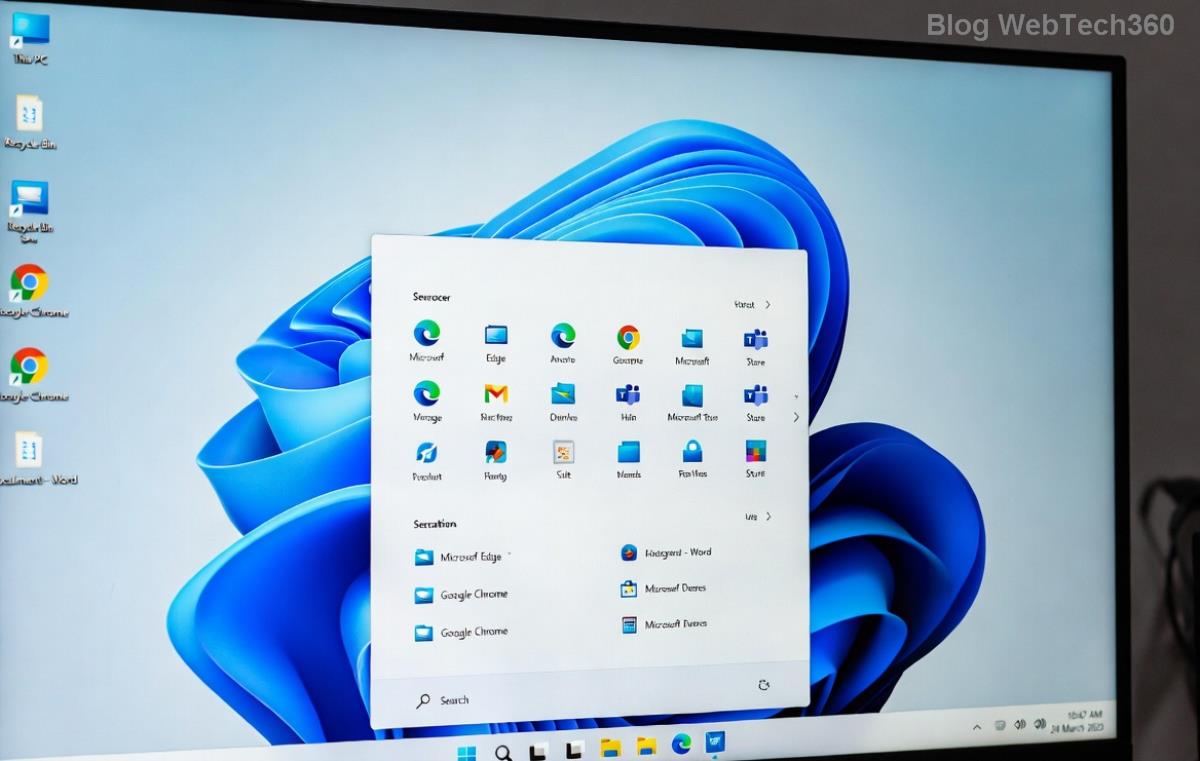
For persistent issues, run the built-in troubleshooter: Settings > System > Troubleshoot > Other troubleshooters > Hardware and Devices. It's a quick scan that often uncovers hidden conflicts.
5. Gaming and App-Specific Fixes for Lag-Free Multitasking
If lag hits during games or apps, tailor your approach. For gamers, enable Game Mode in Settings > Gaming to prioritize resources. In apps like browsers, disable hardware acceleration temporarily (e.g., in Chrome settings) to test if it's causing dual-screen redraws.
Pro users: Consider third-party tools like DisplayFusion for advanced window management, but only after core fixes—stick to official methods first to avoid complications.
Bonus Tips to Keep Your Dual Monitors Lag-Free Long-Term
Prevention is better than cure! Regularly update Windows 11 via Settings > Windows Update to snag the latest display optimizations. Monitor temperatures with tools like HWMonitor to prevent thermal throttling. And if you're upgrading, look for GPUs with strong multi-monitor support, like recent NVIDIA RTX series.
Feeling empowered yet? These fixes for dual monitor lag in Windows 11 have helped thousands reclaim their setups. If a step stumps you, drop a comment below—we're in this together. Your smooth, lag-free dual-monitor world awaits! 🎉
Word count: Approximately 950. All tips based on official Microsoft documentation and hardware vendor guidelines as of the latest 2026 updates.