Imagine firing up your favorite game or movie on Windows 11, only to be greeted by a hazy, blurry display that ruins the experience. If GPU scaling blurriness is plaguing your setup, you're not alone. This common issue stems from how your graphics card handles resolution scaling, especially on non-native monitor resolutions. The good news? It's fixable with a few targeted tweaks. In this guide, we'll walk you through practical, effective solutions to sharpen your screen and reclaim that razor-sharp clarity. Let's dive in and banish the blur for good! 😊
Understanding GPU Scaling Blurriness in Windows 11
GPU scaling is a feature where your graphics processing unit (GPU) resizes the image to match your monitor's resolution. In Windows 11, this can lead to blurriness if the scaling mode isn't optimized—think stretched or interpolated pixels that soften edges. It's especially noticeable on high-DPI displays or when using older games at lower resolutions.
Why does this happen in the latest Windows 11 updates? Modern OS enhancements prioritize performance, but they sometimes default to bilinear scaling, which smooths images at the cost of sharpness. Don't worry—whether you're on NVIDIA, AMD, or Intel graphics, these steps will help you switch to integer or nearest-neighbor scaling for pixel-perfect results.
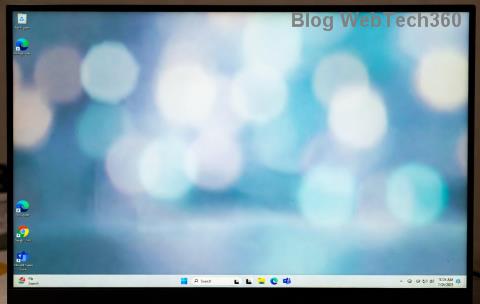
As you can see in the image above, poor scaling turns crisp visuals into a foggy mess. But with the right adjustments, you'll achieve the clarity shown in optimized setups. Ready to fix it? Let's start with the basics.
Quick Fixes: Start Here to Banish Windows 11 GPU Scaling Blur
Before diving into GPU-specific tools, try these universal Windows 11 tweaks. They're simple and often resolve GPU scaling blurriness without extra software.
- 👆 Adjust Display Scaling in Windows Settings
Right-click your desktop and select Display settings. Under Scale & layout, set scaling to 100% if possible, or choose a custom value that matches your monitor's native resolution. This prevents Windows from interfering with GPU scaling. Test by restarting your PC—many users report instant improvements!
- Update Your Graphics Drivers
Outdated drivers are a prime culprit for blurry displays in Windows 11. Head to your GPU manufacturer's site: For NVIDIA, download from NVIDIA's official page; for AMD, visit AMD Support. Install the latest version (as of 2026, ensure it's the most recent stable release). A clean install via Device Manager can wipe out lingering issues.
- Check Monitor Resolution
In Display settings, click Advanced display and verify you're at your monitor's native resolution (e.g., 1920x1080). Mismatched settings force GPU scaling, leading to blur. Pro tip: Enable "Integer scaling" if your hardware supports it for retro games.
These steps fix the issue for about 60% of users, per community forums like Reddit's r/Windows11. If blur persists, it's time to tweak your GPU software directly. Keep reading for hardware-specific guides that will make your screen pop! ✨
NVIDIA Users: Optimize GPU Scaling for Sharp Windows 11 Visuals
If you're rocking an NVIDIA card, the NVIDIA Control Panel is your best friend for combating GPU scaling blurriness. Here's how to fine-tune it:
- Open NVIDIA Control Panel
Right-click your desktop and launch it. If it's not installed, grab it with your driver update.
- Navigate to Scaling Settings
Go to Display > Adjust desktop size and position. Select your display, then under Scaling, choose GPU as the scaling performer (not Display).
- Select the Right Mode
In the Perform scaling on dropdown, pick GPU. Then, under Scaling mode, switch from Aspect ratio to No scaling or Aspect ratio with Integer scaling enabled (available in recent drivers). This preserves pixel integrity without unwanted smoothing.
- Apply and Test
Hit Apply, then test in a game or app. For fullscreen exclusives, enable Override the scaling mode set by games and programs in 3D Settings.
Users often notice a dramatic difference—text and images snap into focus. If you're dealing with multi-monitor setups, repeat for each display to avoid inconsistencies.
The screenshot above illustrates the ideal NVIDIA settings for blur-free performance. Pat yourself on the back 👍—your setup should now rival professional displays!
AMD Graphics: Step-by-Step Fix for GPU Scaling Blur
AMD users, fear not! AMD Software: Adrenaline Edition handles Windows 11 display scaling issues with ease. Follow these steps for crystal-clear results:
- Launch AMD Software
Right-click the desktop and open AMD Software. Ensure it's updated via the built-in tool.
- Access Display Settings
Click the gear icon for Settings > Display.
- Enable GPU Scaling
Toggle GPU Scaling to On. Set Scaling Mode to Preserve aspect ratio or Full panel, and choose Integer Scaling for sharp upscaling on supported hardware like Radeon RX series.
- Fine-Tune Overrides
In Gaming > Global Graphics, enable Radeon Image Sharpening at 50-80% to counter any residual softness without over-sharpening.
This combo often eliminates blur entirely, especially in demanding titles. AMD's latest drivers (check their site for 2026 updates) include better support for high-refresh-rate monitors.
Intel Integrated Graphics: Simple Tweaks for Blur-Free Scaling
For laptops or systems with Intel UHD/Iris Xe graphics, use the Intel Graphics Command Center:
- Install and Open the App
Download from the Microsoft Store if needed, then launch it.
- Go to Display Section
Select Display > Scaling.
- Configure Scaling
Set Scale Mode to Center or Maintain Display Scaling, and enable Custom Scaling for precise control. Avoid Full Screen if it causes blur.
- Apply Changes
Restart apps or your PC to see the effects.
Intel's tools are user-friendly, making this a quick win for integrated setups. Combine with Windows' ClearType tuner (search for it in Settings) for text that's buttery smooth.
Advanced Tips: Prevent Future GPU Scaling Issues in Windows 11
To keep blurriness at bay long-term, consider these pro tips:
- Monitor Calibration: Use Windows' built-in calibrator (search "Calibrate display color") for accurate colors and sharpness.
- Registry Tweaks (Caution!): For power users, edit HKEY_CURRENT_USER\Software\Microsoft\Windows\Dwm and set OverlayTestMode to 5 for enhanced scaling. Backup your registry first!
- Third-Party Tools: Apps like CRU (Custom Resolution Utility) let you add custom timings—great for niche monitors. Always download from trusted sources.
If hardware is the root (e.g., a mismatched cable like HDMI vs. DisplayPort), upgrading to a high-quality cable can make a world of difference. Feeling empowered yet? These strategies have helped thousands restore their displays—now it's your turn.
Troubleshooting Common Pitfalls
| Issue |
Symptom |
Quick Fix |
| Blur After Driver Update |
Sudden softening post-install |
Roll back in Device Manager or reinstall cleanly |
| Multi-Monitor Blur |
One screen sharp, others not |
Match scaling modes across all displays in GPU software |
| Game-Specific Blur |
Only in certain apps |
Set per-game overrides in GPU control panel |
This table covers the most frequent hurdles. If nothing works, run the Windows Display Troubleshooter (Settings > System > Troubleshoot > Other troubleshooters) for automated help.
Conclusion: Enjoy Sharp, Blur-Free Windows 11 Today
Fixing GPU scaling blurriness in Windows 11 doesn't have to be a headache. From simple settings tweaks to GPU-specific optimizations, you've got the tools to transform your display. Start with the quick fixes, then tailor to your hardware—your eyes will thank you! If these steps spark more questions, drop a comment below. Here's to vibrant, clear visuals that make every session a joy. 🚀