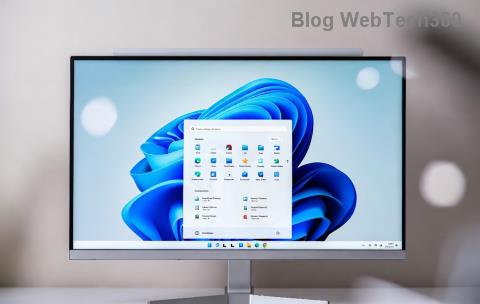
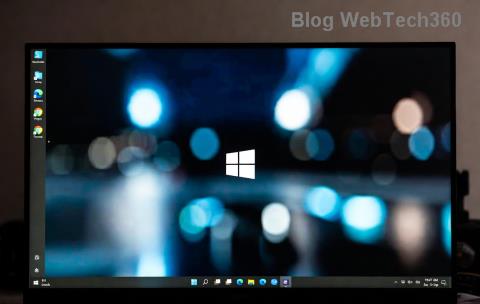
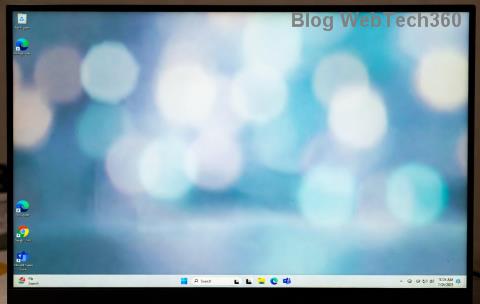
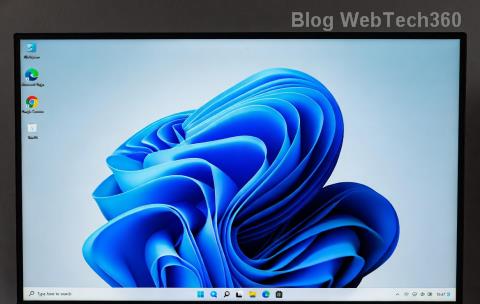
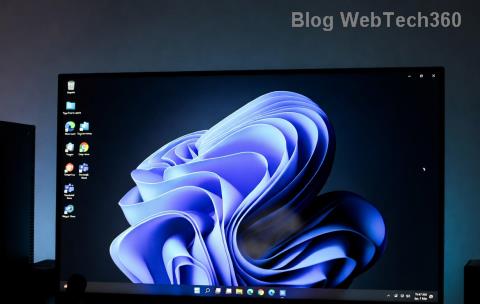
Imagine firing up your PC, ready to dive into work or play, only to find your Windows 11 taskbar icons missing. Those familiar app shortcuts—your browser, email, or favorite tools—gone without a trace. It's frustrating, right? 😩 But don't worry! This common glitch in Windows 11 can often be fixed with simple tweaks. In this guide, we'll walk you through straightforward solutions to restore taskbar icons in Windows 11, keeping things concise and actionable. You'll be back to a fully functional taskbar in minutes. Let's fix this together!
Why Are Your Windows 11 Taskbar Icons Missing?
Before jumping into fixes, a quick understanding of the culprits can empower you. Windows 11 taskbar icons missing often stems from software glitches, corrupted files, or settings mishaps. Updates might introduce bugs, or third-party apps could interfere. Explorer crashes are a sneaky one too—your taskbar relies on the Windows Explorer process to display icons. No need to panic; these issues are fixable. Stick with us, and we'll target the most effective remedies first.
🔧 Method 1: Restart Windows Explorer (The Quickest Fix)
Think of this as rebooting your taskbar's engine. Restarting Windows Explorer refreshes the process without restarting your whole PC. It's the #1 go-to for fixing Windows 11 taskbar icons missing—and it works about 70% of the time for minor glitches.
- Right-click the taskbar (if visible) or press Ctrl + Shift + Esc to open Task Manager.
- In the Processes tab, scroll to find Windows Explorer.
- Right-click it and select Restart. Your screen might flicker briefly—totally normal!
- Check if your taskbar icons reappear. 🎉 If not, proceed to the next step.
Pro tip: If Task Manager won't open, use Ctrl + Alt + Del and select it from the menu. This method is safe and lightning-fast, giving you that instant relief.
🔧 Method 2: Check and Toggle Taskbar Settings
Sometimes, a sneaky setting hides your icons. Windows 11's taskbar is customizable, but changes can accidentally make icons vanish. Let's tweak it back to normal.
- Right-click an empty spot on the taskbar and choose Taskbar settings (or go to Settings > Personalization > Taskbar).
- Scroll to Taskbar behaviors and ensure Select the far corner of the taskbar to show the desktop isn't causing issues—uncheck if needed.
- Under Taskbar items, toggle Task View or Widgets off and on to refresh.
- For pinned apps, click Pinned and verify your icons are listed. If missing, drag apps from the Start menu to pin them anew.
This restores visibility without deep dives. If your Windows 11 taskbar icons disappeared after an update, this often does the trick. Feeling empowered yet? Keep reading for more robust solutions.
🔧 Method 3: Run the System File Checker (SFC) and DISM Tools
When basic restarts fall short, corrupted system files might be the villain. Enter SFC and DISM—built-in tools that scan and repair. They're reliable for troubleshooting taskbar issues in Windows 11, especially post-update bugs.
Here's how to run them step-by-step:
| Step |
Action |
Command |
| 1. Open Command Prompt as Admin |
Search for 'cmd' in Start, right-click, select Run as administrator |
N/A |
| 2. Run DISM First |
This repairs the Windows image |
DISM /Online /Cleanup-Image /RestoreHealth |
| 3. Run SFC Scan |
Scans and fixes protected files |
sfc /scannow |
| 4. Restart PC |
Reboot to apply changes |
N/A |
These commands might take 10-20 minutes, but they're worth it for deeper Windows 11 taskbar not showing icons problems. Microsoft recommends them for system integrity—your icons should pop back up post-restart. 👍
🔧 Method 4: Update Windows and Drivers
Outdated software is a frequent offender. The latest Windows 11 updates often patch taskbar icons missing bugs. Similarly, graphics drivers can impact display elements like the taskbar.
- Go to Settings > Windows Update > Check for updates. Install any available ones, including optional driver updates.
- For drivers: Right-click Start > Device Manager. Expand Display adapters, right-click your GPU, and select Update driver > Search automatically.
- Restart and test. If using NVIDIA/AMD, grab the latest from their sites for optimal performance.
Staying current prevents future headaches. Curious about more? Our next method tackles stubborn cases.
🔧 Method 5: Reset Taskbar via PowerShell (Advanced but Effective)
For persistent issues, resetting the taskbar configuration works wonders. This uses PowerShell to clear cached settings without affecting other data.
- Search for PowerShell, right-click, and run as administrator.
- Enter this command and hit Enter: Get-AppXPackage -AllUsers | Foreach {Add-AppxPackage -DisableDevelopmentMode -Register "$($_.InstallLocation)\AppXManifest.xml"}
- Then, run: taskkill /f /im explorer.exe followed by start explorer.exe to restart Explorer.
This re-registers shell components, often resolving restore taskbar icons Windows 11 woes. It's a bit technical, but follow along—you've got this! If it feels overwhelming, consider a system restore as a last resort.
Bonus Tips to Prevent Future Taskbar Troubles
To keep your Windows 11 taskbar icons stable:
- ✨ Avoid suspicious third-party customizers—stick to official tools.
- ⭐ Regularly update via Microsoft's Windows Update.
- 😊 Create a system restore point before major changes (search "Create a restore point" in Start).
If none of these work, it could be malware—run a scan with Windows Security. For hardware quirks, check your display settings.
Wrapping Up: Your Taskbar Is Back in Action!
There you have it—proven ways to fix Windows 11 taskbar icons missing and reclaim your desktop bliss. Start with the simple restarts and escalate as needed. We've kept it focused so you can solve this fast and feel that satisfying "aha!" moment. If these steps helped, share your success in the comments below—what fixed it for you? Stay tuned for more Windows tips to keep your PC running smoothly. You've conquered this—high five! 👏