Imagine you're in the middle of an important task—editing a document, gaming, or browsing—when suddenly your screen goes blue. The dreaded Page Fault in Nonpaged Area error on Windows 11 strikes, halting everything. 😩 Don't worry; this Blue Screen of Death (BSOD) is more common than you think, especially after recent updates. But the good news? It's often fixable with simple steps that restore your PC's stability without needing a tech wizard.
In this guide, we'll break down what this error means, why it happens on Windows 11, and provide actionable solutions. By the end, you'll have your system back up and running, feeling empowered and frustration-free. Let's dive in and tackle this head-on! 👇
What is the "Page Fault in Nonpaged Area" Error?
The Page Fault in Nonpaged Area error occurs when Windows 11 tries to access a memory page in the nonpaged pool—a critical area of RAM that must always stay in physical memory—but fails. This "fault" triggers a BSOD to prevent system corruption.
Common symptoms include random crashes, freezes, or restarts, often pointing to hardware issues, driver conflicts, or corrupted files. On Windows 11, it's frequently linked to updates like the latest feature packs, making your PC feel unreliable. But fear not—this isn't a sign of doom; it's a prompt to diagnose and fix. Understanding the root cause is your first step to victory. 🌟
Common Causes of Page Fault in Nonpaged Area on Windows 11
Before fixing, let's pinpoint the culprits. This error isn't random; it's usually triggered by:
- Faulty Drivers: Outdated or incompatible graphics, network, or storage drivers clash with Windows 11's kernel.
- Hardware Problems: RAM errors, overheating, or failing hard drives cause memory access failures.
- Corrupted System Files: Malware, abrupt shutdowns, or update glitches damage essential files.
- Software Conflicts: Third-party apps, especially antivirus or overclocking tools, interfere with memory management.
- Recent Updates: Windows 11's latest patches can introduce bugs, as seen in recent stability reports.
Recognizing these helps you target the fix efficiently. Now, let's move to solutions that work—starting with the easiest. Ready to reclaim your PC? Keep reading! 💪
Step-by-Step Fixes for "Page Fault in Nonpaged Area" in Windows 11
We'll start with quick wins and escalate to advanced troubleshooting. Follow these in order for the best results. Most users resolve it within 30 minutes. No restarts needed until specified—let's get fixing! 🔧
1. Restart and Run Basic Checks
Sometimes, a simple reboot clears temporary glitches. But go further:
- Restart your PC normally.
- If it crashes again, boot into Safe Mode: Press Windows + R, type
msconfig, go to the Boot tab, check "Safe boot," and restart.
- In Safe Mode, open Command Prompt as admin (search for "cmd," right-click > Run as administrator).
- Run sfc /scannow to scan and repair corrupted system files. This fixes many Page Fault in Nonpaged Area issues by restoring integrity.
Pro tip: If SFC finds errors but can't fix them, follow up with DISM /Online /Cleanup-Image /RestoreHealth. These tools are built-in and reliable for Windows 11. Feeling optimistic yet? This step alone saves many users. 😊
2. Update Drivers and Windows
Outdated drivers are a top villain. Here's how to update:
- Right-click Start > Device Manager.
- Expand categories like Display adapters, Network adapters, and Storage controllers.
- Right-click each device > Update driver > Search automatically.
- For graphics drivers, visit NVIDIA, AMD, or Intel's site for the latest Windows 11-compatible versions. Use their official tools for clean installs.
Don't forget Windows updates: Go to Settings > Windows Update > Check for updates. Install any pending ones, including optional driver updates. Recent Windows 11 patches have addressed memory-related BSODs, so staying current is key.
Why this works: Fresh drivers prevent memory faults. If you're on a laptop, check the manufacturer's site (e.g., Dell, HP) for BIOS/firmware updates too.
3. Test and Fix Hardware Issues
Hardware faults demand attention. Start with RAM:
- Search for Windows Memory Diagnostic in the Start menu and run it. Restart to test— it scans for bad sectors.
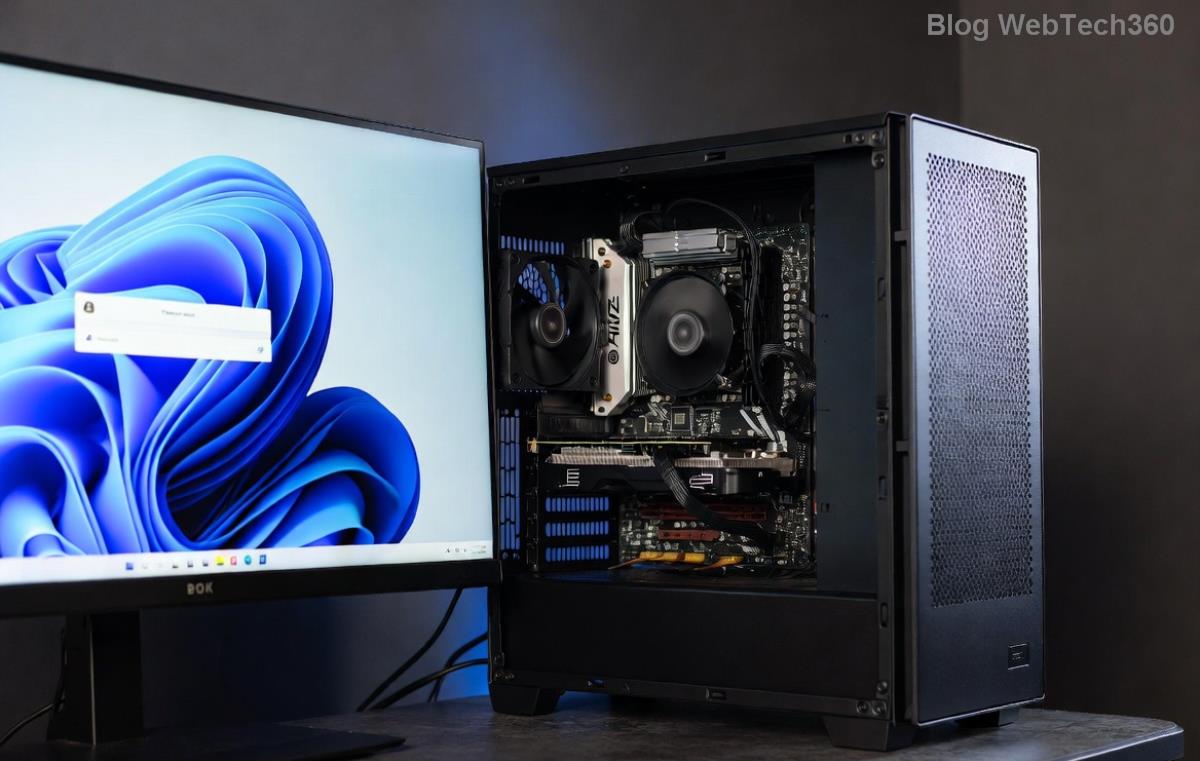
- If errors appear, reseat your RAM sticks (power off, unplug, open case, remove/reinsert modules). Test one stick at a time if multiple.
For storage: Run chkdsk C: /f /r in admin Command Prompt (schedule for next restart). This checks and repairs disk errors.
Overheating? Use tools like HWMonitor (free download) to check temps. Clean dust from fans or use a cooling pad. If your hard drive is old, consider upgrading to an SSD—Windows 11 loves them for stability.
Hardware fixes feel daunting, but they're straightforward and often reveal the hidden cause. Pat yourself on the back for getting this far! 👏
4. Use CHKDSK and Memory Diagnostics Deep Dive
Building on basics, let's use a table for quick reference on diagnostic commands:
| Command |
Purpose |
How to Run |
| sfc /scannow |
Scans system files |
Admin CMD |
| DISM /Online /Cleanup-Image /RestoreHealth |
Repairs Windows image |
Admin CMD (before SFC if needed) |
| chkdsk C: /f /r |
Checks disk for errors |
Admin CMD, restart required |
| mdsched.exe |
Memory test |
Search and run |
Run these sequentially. For stubborn cases, boot from Windows installation media and use offline repair options. This targets the nonpaged area directly.
5. Advanced Fixes: Reset or Reinstall
If basics fail:
- System Restore: Search for "Create a restore point," then use System Restore to revert to a pre-error state.
- Reset PC: Settings > System > Recovery > Reset this PC (keep files option).
- Clean Install: Back up data, create bootable USB via Microsoft's Media Creation Tool, and reinstall Windows 11.
For driver-specific issues, tools like Driver Booster (use cautiously) can automate updates, but manual is safer.
Still stuck? Check Event Viewer (search for it) for error codes like "ntoskrnl.exe" and search Microsoft forums.
Prevention Tips to Avoid Future Page Fault Errors
Fix it once, prevent it forever:
- Enable automatic updates in Settings.
- Run monthly scans with Windows Security or trusted antivirus.
- Avoid overclocking without proper cooling.
- Keep 20% free space on your drive.
- Backup regularly using OneDrive or external drives.
These habits keep Windows 11 smooth. You're now equipped to handle this like a pro! 🚀
Final Thoughts
The Page Fault in Nonpaged Area error can be a headache, but with these steps, you've got the power to fix it fast. Start simple, escalate as needed, and your PC will thank you with reliable performance. If issues persist, consider professional help or Microsoft Support for tailored advice.
Share your success story in the comments—did these tips save your day? Let's keep the conversation going! 😄