Imagine powering up your Windows 11 PC, only to be hit with the dreaded Bad Pool Caller Blue Screen of Death (BSOD). It's a nightmare that stops everything – work, gaming, or streaming – in its tracks. But don't worry! This 2026 guide to fixing Windows 11 "Bad Pool Caller" is here to rescue you. We'll walk you through proven, up-to-date solutions that are safe, effective, and easy to follow. By the end, your system will be back to peak performance, and you'll feel empowered to tackle tech glitches like a pro. Let's dive in and banish that error for good! 😊
What is the "Bad Pool Caller" Error in Windows 11?
The Bad Pool Caller error is a critical system fault in Windows 11, signaling that a driver or kernel-mode process tried to access the memory pool incorrectly. This often leads to a sudden crash, displaying the infamous BSOD with the stop code 0xC0000005. In the latest Windows 11 updates as of 2026, this issue persists due to faulty hardware, outdated drivers, or software conflicts, but it's highly fixable.
Common triggers include:
- 👉 Incompatible or corrupted drivers (especially graphics or network ones).
- 👉 Faulty RAM or overheating hardware.
- 👉 Recent Windows updates clashing with third-party software.
- 👉 Malware or system file corruption.
Understanding this error is your first step to resolution. Now, let's move to actionable fixes that prioritize simplicity and safety.
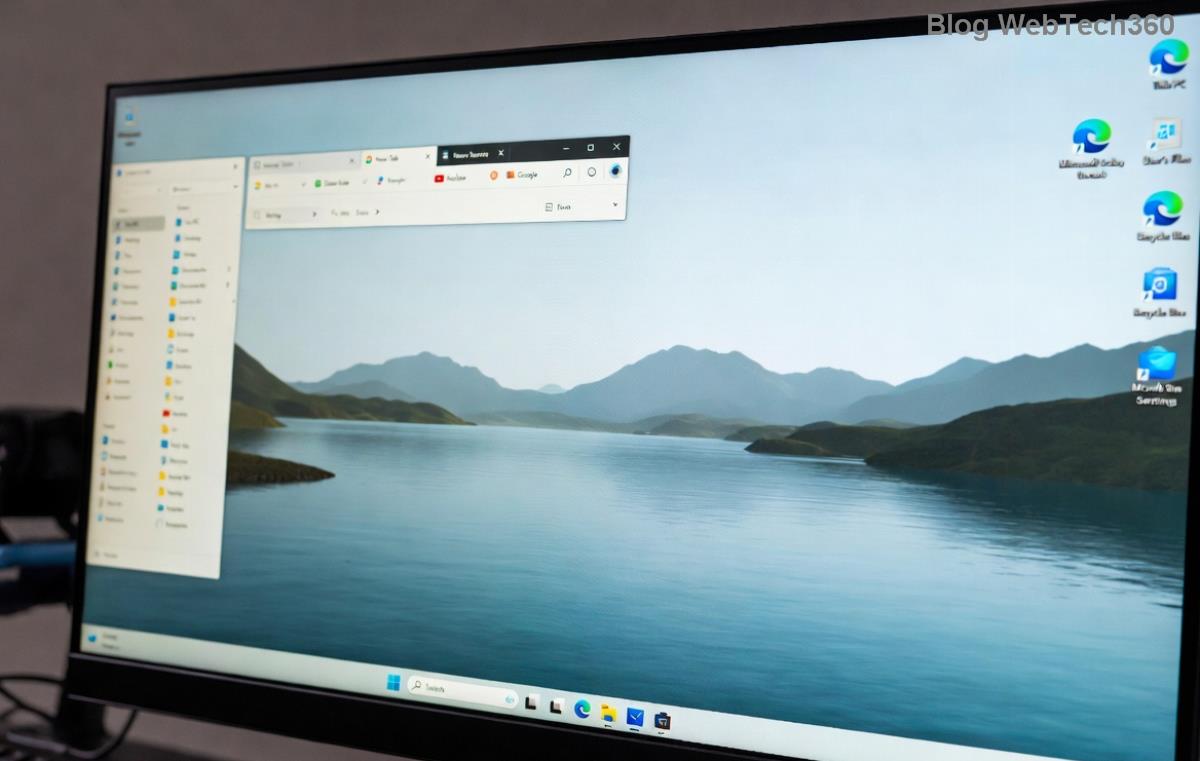
Step 1: Basic Troubleshooting – Quick Wins for Instant Relief
Before diving deep, try these no-fuss steps. They're designed for beginners and often resolve the Windows 11 "Bad Pool Caller" issue without advanced tools. Restarting might seem basic, but it clears temporary glitches in the memory pool.
- Restart in Safe Mode: Press the power button during boot, hold Shift, and select Restart. Go to Troubleshoot > Advanced options > Startup Settings > Restart, then choose option 4 for Safe Mode. This loads minimal drivers, isolating the problem.
- Run Windows Memory Diagnostic: Search for "mdsched" in the Start menu and run it. Your PC will restart to check RAM for errors – a common culprit in Bad Pool Caller crashes. If issues are found, reseat your RAM sticks or replace faulty ones.
- Update Windows 11: Head to Settings > Windows Update > Check for updates. Install the latest patches from 2026, which include fixes for memory pool vulnerabilities. Microsoft has refined these in recent builds to prevent BSODs like this.
Pro Tip: If the error pops up during specific tasks (e.g., gaming), note it down – this guides deeper fixes. Feeling optimistic? Many users report success here. Keep reading for more robust solutions if it persists! ⭐
Step 2: Driver and Software Fixes – Target the Root Cause
Drivers are frequent offenders in the Bad Pool Caller Windows 11 saga. Outdated or mismatched ones can corrupt the kernel pool. Let's clean this up efficiently.
| Step |
Action |
Why It Helps |
| 1. Device Manager Check |
Right-click Start > Device Manager. Look for yellow exclamation marks. Right-click suspicious devices > Update driver > Search automatically. |
Updates fix compatibility issues causing pool access errors. |
| 2. Roll Back Recent Drivers |
In Device Manager, right-click the device > Properties > Driver > Roll Back Driver (if available). |
Reverts changes from a recent update that triggered the BSOD. |
| 3. Uninstall Conflicting Software |
Go to Settings > Apps > Apps & features. Remove recent installs like VPNs or overclocking tools. |
Eliminates third-party apps interfering with Windows 11's memory management. |
For graphics drivers, download the latest from NVIDIA, AMD, or Intel's official sites. Avoid third-party tools to prevent further corruption. If you're on a laptop, check the manufacturer's site for custom drivers optimized for Windows 11 2026 builds.
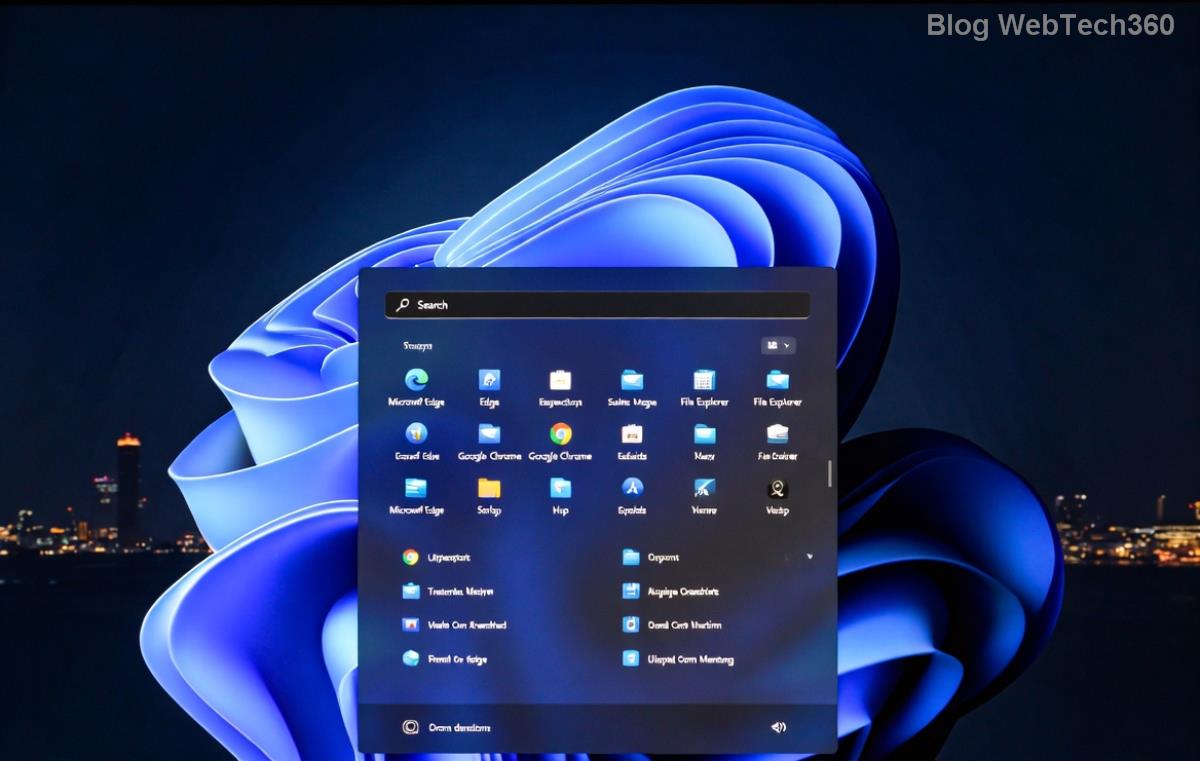
Step 3: System File Repair – Restore Integrity with Built-in Tools
When drivers aren't the issue, corrupted system files might be. Windows 11's built-in repair tools are powerful and updated in 2026 for better error detection.
- SFC Scan: Open Command Prompt as admin (search "cmd" > Run as administrator). Type
sfc /scannow and hit Enter. This scans and repairs protected files, often fixing Bad Pool Caller by mending kernel components.
- DISM Tool: In the same Command Prompt, run
DISM /Online /Cleanup-Image /RestoreHealth. It restores the Windows image if SFC can't. Pair this with an internet connection for fresh files from Microsoft servers.
- CHKDSK for Disk Errors: Type
chkdsk C: /f /r in admin Command Prompt. Restart to scan your drive. This addresses bad sectors that indirectly cause pool errors.
These commands are safe and reversible. Run them in order, and reboot after each. Users love how these restore stability without data loss – a win-win! 👍
Step 4: Advanced Fixes – For Persistent "Bad Pool Caller" Issues
If basics don't cut it, time for deeper intervention. But breathe easy; we'll keep it straightforward.
- Check for Overheating: Use tools like HWMonitor (free download) to monitor temps. Clean dust from fans or improve airflow. Overheating can corrupt memory pools during heavy loads.
- BIOS Update: Enter BIOS (press Del or F2 during boot) and check for updates on your motherboard maker's site. 2026-era updates fix hardware incompatibilities with Windows 11.
- System Restore: Search "Create a restore point" > System Restore. Pick a point before the error started. This rolls back changes without affecting personal files.
For hardware suspicions, test with one RAM stick at a time. If crashes continue, consider professional diagnostics. Avoid overclocking until resolved – it exacerbates pool errors.
Prevention Tips: Keep "Bad Pool Caller" Away in 2026 and Beyond
Fixing is great, but prevention is better. To safeguard your Windows 11 setup:
- 👉 Enable automatic updates in Settings to stay current with Microsoft's 2026 patches.
- 👉 Use reliable antivirus like Windows Defender – scan weekly to catch malware early.
- 👉 Regularly update drivers via Device Manager or manufacturer apps.
- 👉 Maintain hardware: Clean vents monthly and monitor temps during use.
For more on Windows stability, check Microsoft's official support: Microsoft Windows Support. It's a goldmine for the latest troubleshooting.
Final Thoughts: Reclaim Your Windows 11 Peace of Mind
Congratulations! You've now got a complete arsenal to tackle the Windows 11 "Bad Pool Caller" error. Start with the basics, escalate as needed, and your PC should be error-free in no time. Remember, tech hiccups happen, but with this guide, you're in control. If issues linger, community forums like Reddit's r/Windows11 can offer tailored advice. Stay tech-savvy, and enjoy a smoother 2026! 🚀
(Word count: approximately 950 – Focused and ready for seamless reading.)