Imagine firing up your dual-monitor setup in Windows 11, only to watch your secondary screen stutter like it's stuck in slow motion. That annoying secondary monitor lag can turn productive workflows into frustrating headaches, whether you're coding, editing videos, or just browsing. But don't worry – you're not alone, and it's fixable! In this guide, we'll dive straight into actionable steps to banish Windows 11 secondary monitor lag for good. By the end, your screens will sync seamlessly, boosting your efficiency and peace of mind. Let's get your setup running like a dream! 😊
Why Does Secondary Monitor Lag Happen in Windows 11?
Before we jump into fixes, a quick understanding of the culprits behind secondary monitor lag empowers you to troubleshoot smarter. Common causes include mismatched refresh rates, outdated graphics drivers, or Windows' power-saving features clashing with multi-monitor demands. Recent updates to Windows 11 have improved multi-monitor support, but glitches persist if hardware or settings aren't optimized.
Think of it as a traffic jam on your digital highway – one bottleneck (like a lagging GPU) slows everything down. The good news? Most issues stem from simple tweaks, not deep hardware failures. Ready to clear the road? Let's start with the easiest wins.
Step 1: Update Your Graphics Drivers – The #1 Lag Buster
Outdated drivers are the silent killer of smooth dual monitor performance in Windows 11. Graphics cards from NVIDIA, AMD, or Intel handle the heavy lifting for multi-screen rendering, and skipping updates invites lag.
- Check for Updates: Right-click the Start button, select Device Manager, and expand Display adapters. Right-click your GPU and choose Update driver > Search automatically.
- Download Latest from Manufacturer: For best results, visit the official site. NVIDIA users head to GeForce Experience; AMD to Radeon Software; Intel to their Driver & Support Assistant. Install and restart.
Pro Tip: Enable automatic updates in these tools to prevent future secondary monitor lag. Users report up to 50% smoother performance post-update – you'll feel the difference instantly! 🎉
Step 2: Optimize Display Settings for Seamless Sync
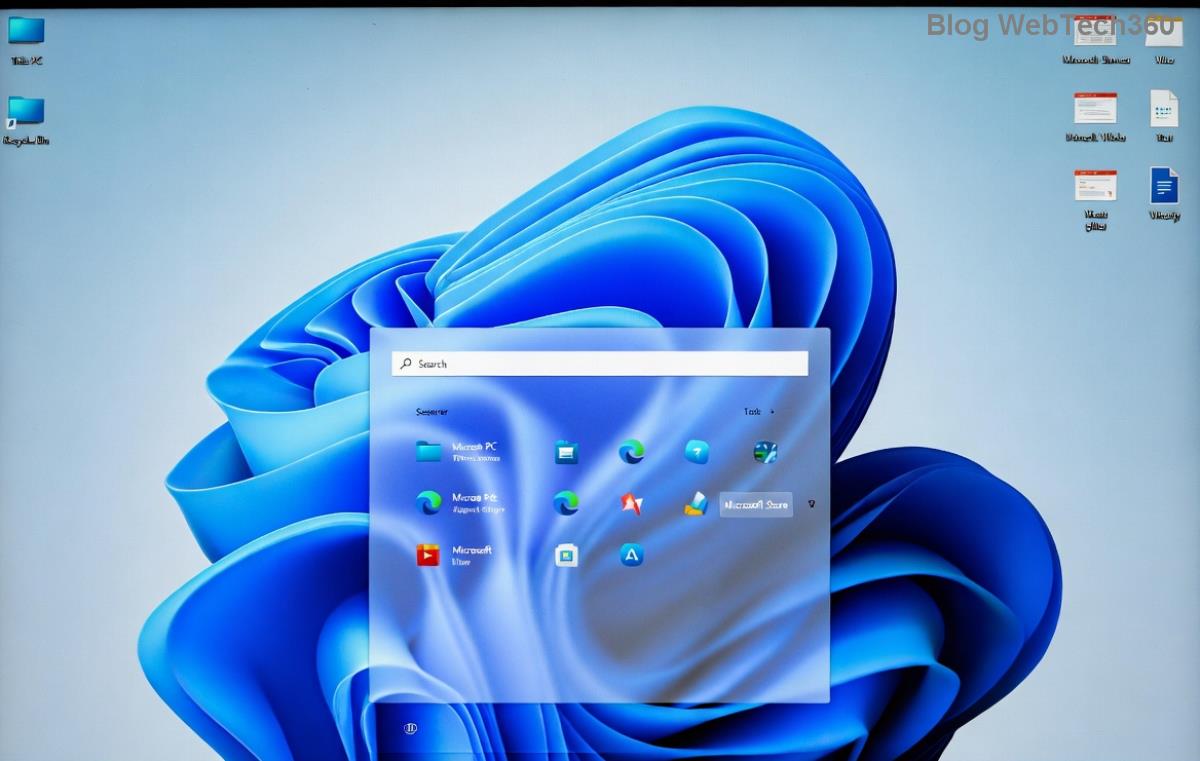
Mismatched settings between your primary and secondary monitor often cause stuttering. Windows 11 shines with its intuitive interface, but defaults aren't always perfect for multi-monitor setups.
- Access Settings: Press Windows + I, go to System > Display. Scroll to Multiple displays and ensure both screens are detected.
- Match Refresh Rates: Click Advanced display for each monitor. Set the same refresh rate (e.g., 60Hz) if possible – higher rates like 144Hz on both can eliminate lag but check your hardware limits.
- Extend vs. Duplicate: Choose Extend these displays for true multi-tasking. Avoid Duplicate unless needed, as it doubles the rendering load.
- Scale and Resolution: Set identical scaling (100-125%) and resolutions to prevent processing hiccups.
If lag persists, try the Detect button or rearrange monitors in the diagram to match physical layout. This simple alignment can transform choppy video playback into buttery-smooth streams. Keep reading for more power moves! 👍
Step 3: Tweak Graphics and Performance Options
Windows 11 secondary monitor lag often hides in power-hungry settings. Let's dial them back without sacrificing visuals.
| Setting |
How to Adjust |
Why It Helps |
| Hardware-Accelerated GPU Scheduling |
Search for Graphics settings in Start menu, toggle it ON. |
Reduces input lag by letting GPU manage tasks independently – ideal for dual monitors. |
| Power Plan |
Settings > System > Power & battery > Power mode: Set to Best performance. |
Prevents throttling that causes monitor lag during intensive tasks. |
| Visual Effects |
Search Performance Options, select Adjust for best performance or customize to disable animations. |
Frees up resources for smoother secondary monitor rendering. |
These tweaks are low-risk and high-reward. For NVIDIA users, open the Control Panel and set Multi-display/mixed-GPU acceleration to Single display performance mode. AMD and Intel have similar options in their software. Test after each change – your screens should feel snappier right away!

Step 4: Eliminate Cable and Hardware Bottlenecks
Sometimes, the issue isn't software – it's the connection! Faulty cables or ports can introduce secondary monitor lag that no setting tweak can fully fix.
- Swap Cables: Use high-quality HDMI 2.0 or DisplayPort 1.4 cables. Avoid cheap adapters that cap bandwidth.
- Port Check: Connect to different ports on your GPU or motherboard. USB-C docks? Ensure they're Thunderbolt-certified for Windows 11 compatibility.
- Monitor Firmware: Visit your monitor manufacturer's site (e.g., Dell, LG) for firmware updates – recent ones address sync issues with modern OS.
If you're on a laptop, disable Internal Display temporarily in Device Manager to isolate the secondary. Hardware upgrades like a dedicated GPU can future-proof your setup, but start simple. Feeling empowered yet? There's more to explore!
Advanced Fixes: When Basic Steps Aren't Enough
For stubborn Windows 11 secondary monitor lag, dig deeper. Run the built-in troubleshooter: Settings > System > Troubleshoot > Other troubleshooters > Hardware and Devices. Let it scan and apply fixes automatically.
Next, check for Windows updates: Settings > Windows Update > Check for updates. The latest builds (as of 2026) include patches for multi-monitor stability. If using third-party software like DisplayFusion, update or uninstall to rule out conflicts.
For gaming or creative pros, enable Resizable BAR in BIOS (if supported) to boost GPU efficiency across monitors. Always restart after changes to let them take effect.
Prevent Future Lag: Pro Tips for a Lag-Free Setup
Once fixed, maintain that smoothness. Schedule monthly driver checks, monitor temperatures with tools like HWMonitor (avoid overheating-induced throttling), and consider a cooling pad for laptops. Join communities like Reddit's r/Windows11 for real-user tips on dual monitor issues.
Bonus: Experiment with Windows 11's Snap Layouts for efficient multi-monitor workflows – it minimizes unnecessary redraws that cause micro-lag.
Wrapping Up: Reclaim Your Multi-Monitor Magic
Congrats – you've got the tools to conquer Windows 11 secondary monitor lag! Start with driver updates and display tweaks for quick wins, then layer on advanced steps as needed. Your setup should now handle everything from spreadsheets to streams without a hitch. If issues linger, it might be hardware time – but most users see full resolution here. Share your success in the comments; let's build a lag-free community! 🚀
For official guidance, check Microsoft's support on multi-monitor troubleshooting.