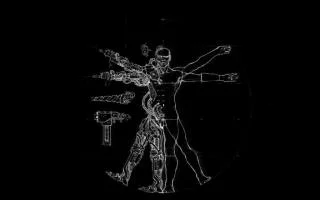
Възходът на машините: Реални приложения на AI

Изкуственият интелект не е в бъдещето, тук е точно в настоящето. В този блог Прочетете как приложенията за изкуствен интелект са повлияли на различни сектори.
Pagekit 1.0 CMS is a beautiful, modular, extendable and lightweight, free and open source Content Management System (CMS) with a clean and intuitive user interface powered by Vue.js. Pagekit 1.0 CMS features a modular architecture built on Symfony components with a simple ORM, a HTML and Markdown editor with real-time preview, a powerful user and permission system, and a flexible file manager that allows web developers to edit pages and manage widgets with simple drag and drop functionality.
In this tutorial we are going to install Pagekit 1.0 CMS on a Debian 9 LAMP VPS using Apache web server, PHP 7.1, and a MariaDB database.
Ще започнем с добавяне на нов sudoпотребител.
Първо влезте в сървъра си като root:
ssh root@YOUR_VULTR_IP_ADDRESS
В sudoзаповедта не е инсталиран по подразбиране в Vultr Debain 9 сървъра инстанция, така че ние първи ще се инсталира sudo:
apt-get -y install sudo
Сега добавете нов потребител, наречен user1(или предпочитаното от вас потребителско име):
adduser user1
Когато бъдете подканени, въведете сигурна и запомняща се парола. Ще бъдете подканени и за вашето „Пълно име“ и някои други подробности, но можете просто да ги оставите празни, като натиснете Enter.
Сега проверете /etc/sudoersфайла, за да се уверите, че sudoersгрупата е активирана:
visudo
Потърсете раздел като този:
%sudo ALL=(ALL:ALL) ALL
Този ред ни казва, че потребителите, които са членове на sudoгрупата, могат да използват sudoкомандата, за да получат rootпривилегии. По подразбиране трябва да бъде декоментиран, за да можете просто да излезете от файла.
След това трябва да добавим user1към sudoгрупата:
usermod -aG sudo user1
Можем да проверим user1членството в групата и да проверим дали usermodкомандата работи с groupsкомандата:
groups user1
Сега използвайте suкомандата, за да превключите към новия потребителски user1акаунт sudo :
su - user1
Командният ред ще се актуализира, за да покаже, че вече сте влезли в user1акаунта. Можете да проверите това с whoamiкомандата:
whoami
Сега рестартирайте sshdуслугата, за да можете да влезете чрез sshновия не-root потребителски акаунт на sudo, който току-що създадохте:
sudo systemctl restart sshd
Излезте от user1акаунта:
exit
Exit the root account (which will disconnect your ssh session):
exit
You can now ssh into the server instance from your local host using the new non-root sudo user user1 account:
ssh user1@YOUR_VULTR_IP_ADDRESS
If you want to execute sudo without having to type a password every time, then open the /etc/sudoers file again, using visudo:
sudo visudo
Edit the section for the sudo group so that it looks like this:
%sudo ALL=(ALL) NOPASSWD: ALL
Please note: Disabling the password requirement for the sudo user is not a recommended practice, but it is included here as it can make server configuration much more convenient and less frustrating, especially during longer systems administration sessions. If you are concerned about the security implications, you can always revert the configuration change to the original after you finish your administration tasks.
Whenever you want to log into the root user account from within the sudo user account, you can use one of the following commands:
sudo -i
sudo su -
You can exit the root account and return back to your sudo user account any time by simply typing:
exit
Before installing any packages on the Debian server instance, we will first update the system.
Make sure you are logged in to the server using a non-root sudo user and run the following commands:
sudo apt-get update
sudo apt-get -y upgrade
Install the Apache web server:
sudo apt-get -y install apache2
Then use the systemctl command to start and enable Apache to execute automatically at boot time:
sudo systemctl enable apache2
sudo systemctl start apache2
Check your Apache default site configuration file to ensure that the DocumentRoot directive points to the correct directory:
sudo vi /etc/apache2/sites-enabled/000-default.conf
The DocumentRoot configuration option should look like this:
DocumentRoot "/var/www/html"
We now need to enable the mod_rewrite Apache module, so ensure that your Apache default site configuration file is still open, and add the following Directory Apache directives just before the closing </VirtualHost> tag, so that the end of your configuration file looks like this:
    <Directory /var/www/html/>
        Options Indexes FollowSymLinks MultiViews
        AllowOverride All
        Order allow,deny
        allow from all
    </Directory>
</VirtualHost>
The most important directive shown above is AllowOverride All.
Now save and exit the file, and enable the mod_rewrite Apache module:
sudo a2enmod rewrite
We will restart Apache at the end of this tutorial, but restarting Apache regularly during installation and configuration is certainly a good habit, so let's do it now:
sudo systemctl restart apache2
We can now install PHP 7.0 along with all of the necessary PHP modules required by Pagekit CMS:
sudo apt-get -y install php php-gd php-mbstring php-common php-mysql php-imagick php-xml libapache2-mod-php php-curl php-tidy php-zip
Debian 9 defaults to using MariaDB database server, which is an enhanced, fully open source, community developed, drop-in replacement for MySQL server.
Install MariaDB database server:
sudo apt-get -y install mariadb-server
Start and enable MariaDB server to execute automatically at boot time:
sudo systemctl enable mariadb
sudo systemctl start mariadb
Secure your MariaDB server installation:
sudo mysql_secure_installation
The root password will be blank, so simply hit enter when prompted for the root password.
When prompted to create a MariaDB/MySQL root user, select "Y" (for yes) and then enter a secure root password. Simply answer "Y" to all of the other yes/no questions as the default suggestions are the most secure options.
Log into the MariaDB shell as the MariaDB root user by running the following command:
sudo mariadb -u root -p
To access the MariaDB command prompt, simply enter the MariaDB root password when prompted.
Run the following queries to create a MariaDB database and database user for Pagekit CMS:
CREATE DATABASE pagekit_db CHARACTER SET utf8 COLLATE utf8_general_ci;
CREATE USER 'pagekit_user'@'localhost' IDENTIFIED BY 'UltraSecurePassword';
GRANT ALL PRIVILEGES ON pagekit_db.* TO 'pagekit_user'@'localhost';
FLUSH PRIVILEGES;
EXIT;
You can replace the database name pagekit_db and username pagekit_user with something more to your liking, if you prefer. Also, make sure that you replace "UltraSecurePassword" with an actually secure password.
Change your current working directory to the default web directory:
cd /var/www/html/
If you get an error message saying something like 'No such file or directory' then try the following command:
cd /var/www/ ; sudo mkdir html ; cd html
Your current working directory will now be: /var/www/html/. You can check this with the pwd (print working directory) command:
pwd
Now use wget to download the Pagekit CMS installation package:
sudo wget http://pagekit.com/api/download/latest
List the current directory to check that you have successfully downloaded the file:
ls -la
Remove index.html:
sudo rm index.html
Let's quickly install unzip so we can unzip the file:
sudo apt-get -y install unzip
Now uncompress the zip archive:
sudo unzip latest
Change ownership of the web files to avoid any permissions problems:
sudo chown -R www-data:www-data * ./
Restart Apache again:
sudo systemctl restart apache2
Now we're ready to move on to the final step.
It's time to visit the IP address of your server instance in your browser, or if you've already configured your Vultr DNS settings (and given it enough time to propagate) you can simply visit your domain instead.
To access the Pagekit CMS installation page, enter your Vultr instance IP address into your browser address bar, followed by /index.php:
http://YOUR_VULTR_IP_ADDRESS/index.php
Most of the Pagekit CMS installation options are self explanatory, but here are a few pointers to help you along:
Click on the arrow to start the installation process.
Select your language and click on the NEXT button.
Select MySQL as your Database Driver and then enter the following database details:
Hostname:           localhost
User:               pagekit_user
Password:           UltraSecurePassword
Database Name:      pagekit_db
Table Prefix:       pk_
Click NEXT to continue.
Enter your Site Title and Administrator Details as follows:
Site Title:         <your site title>
Username:           <your admin username>
Password:           <your admin password>
Email:              <your admin email address>
Click INSTALL to run the Pagekit CMS installer.
You will be redirected to the Admin Login page. If you aren't redirected to the admin login page, you can enter the admin address manually:
http://YOUR_VULTR_IP_ADDRESS/admin/login
Simply enter your admin username and password on the login page.
You are now ready to start adding your content and configuring the look and feel of your site. Make sure you check out the excellent Pagekit CMS documentation for more information about how to build and configure your site.
Изкуственият интелект не е в бъдещето, тук е точно в настоящето. В този блог Прочетете как приложенията за изкуствен интелект са повлияли на различни сектори.
Вие също сте жертва на DDOS атаки и сте объркани относно методите за превенция? Прочетете тази статия, за да разрешите вашите запитвания.
Може би сте чували, че хакерите печелят много пари, но чудили ли сте се някога как печелят такива пари? нека обсъдим.
Искате ли да видите революционни изобретения на Google и как тези изобретения промениха живота на всяко човешко същество днес? След това прочетете в блога, за да видите изобретенията на Google.
Концепцията за самоуправляващи се автомобили да тръгват по пътищата с помощта на изкуствен интелект е мечта, която имаме от известно време. Но въпреки няколкото обещания, те не се виждат никъде. Прочетете този блог, за да научите повече…
Тъй като науката се развива с бързи темпове, поемайки много от нашите усилия, рискът да се подложим на необяснима сингулярност също нараства. Прочетете какво може да означава сингулярността за нас.
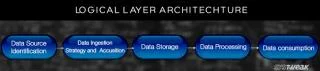
Прочетете блога, за да разберете различни слоеве в архитектурата на големи данни и техните функционалности по най-простия начин.
Методите за съхранение на данните може да се развиват от раждането на данните. Този блог обхваща развитието на съхранението на данни на базата на инфографика.
В този дигитално задвижван свят устройствата за интелигентен дом се превърнаха в решаваща част от живота. Ето няколко невероятни предимства на интелигентните домашни устройства за това как те правят живота ни струващ и по-опростен.
Наскоро Apple пусна macOS Catalina 10.15.4 допълнителна актуализация за отстраняване на проблеми, но изглежда, че актуализацията причинява повече проблеми, водещи до блокиране на mac машини. Прочетете тази статия, за да научите повече