Imagine booting up your PC only to see Microsoft Edge auto-start hogging precious RAM and slowing everything down. 😩 It's a common frustration on Windows 10/11, but the good news? You can disable Microsoft Edge auto-start in minutes. This guide delivers precise, up-to-date steps to reclaim your system's speed, reduce boot times, and enjoy a snappier experience. Let's dive in—no fluff, just results! 🚀
Why Bother Disabling Microsoft Edge Auto-Start?
Microsoft Edge is a solid browser, but its habit of launching at startup can eat up to 200MB+ of memory right away. On Windows 10/11, this leads to:
- Slower boot times ⭐
- Higher CPU/RAM usage
- Unwanted background tabs or notifications
Disabling it frees resources for your favorite apps. Plus, it's reversible anytime. Ready to fix it? Start with the easiest methods below.
Method 1: Quick Disable via Task Manager (Works on All Windows 10/11 Editions) 👆
The fastest way to stop Microsoft Edge auto-start—no restarts needed initially. Here's how:
- Right-click the Taskbar and select Task Manager (or press Ctrl + Shift + Esc).
- Click the Startup apps tab (if not visible, go to Startup in older views).
- Find Microsoft Edge in the list.
- Right-click it and choose Disable, or select it and click the Disable button.
- Restart your PC to test. Boom—gone! 👍
Pro Tip: Sort by "Startup impact" to spot other resource hogs like this.
Method 2: Windows Settings for Permanent Control (Recommended for Beginners)
For a cleaner, settings-based approach on Windows 10/11, use the built-in Startup manager:
- Open Settings (Win + I).
- Navigate to Apps > Startup.
- Locate Microsoft Edge.
- Toggle the switch next to it to Off.
- Reboot and enjoy the silence! 🎉
This method syncs across updates and is foolproof for most users.
Method 3: Disable Directly in Microsoft Edge Settings
Edge has its own startup controls—perfect if it's set to restore tabs:
- Launch Microsoft Edge.
- Type
edge://settings/startup in the address bar and hit Enter.
- Under On startup, select Open the New Tab page (avoid "Continue where you left off").
- Go to edge://settings/system and turn off Startup boost.
- Combine with Task Manager for full effect.
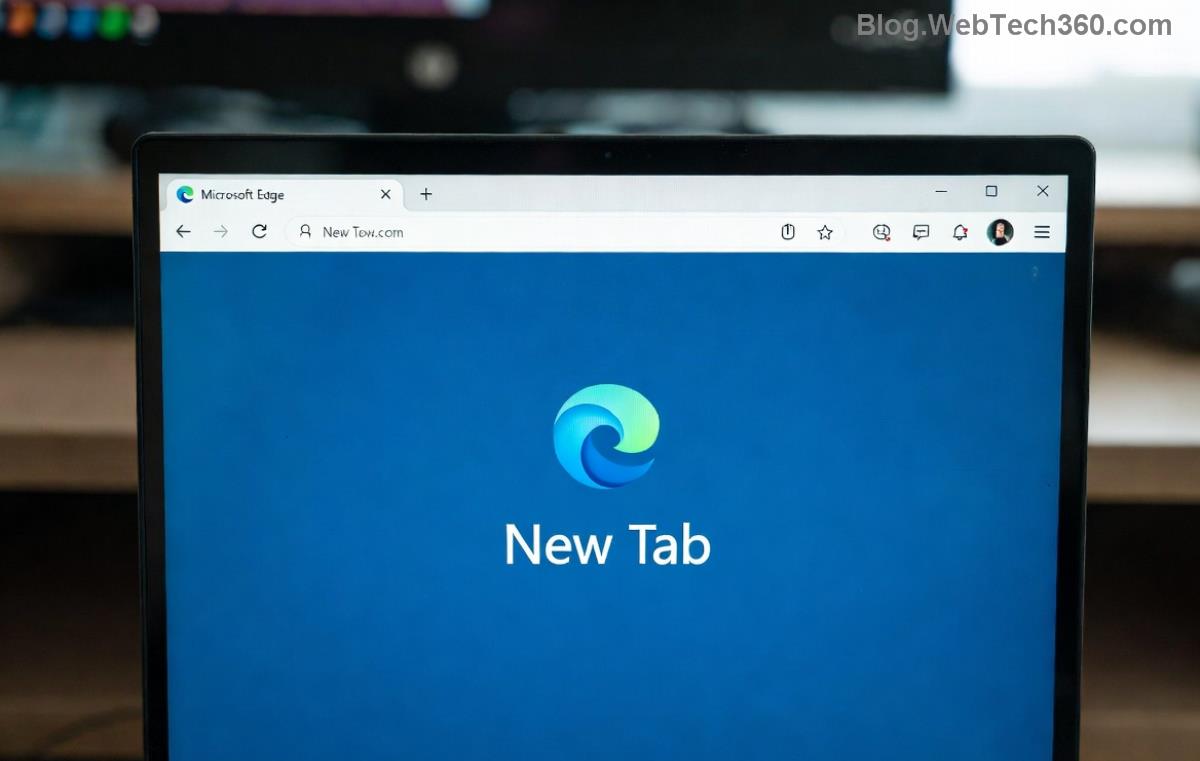
🔧 Bonus: This also stops Edge from pre-loading, saving even more resources.
Advanced Methods: Registry & Group Policy for Power Users
If basic methods fail (rare, but possible on enterprise setups), go deeper. Warning: Back up your registry first!
Registry Edit (Windows 10/11 Home/Pro)
- Press Win + R, type
regedit, Enter.
- Navigate to:
HKEY_LOCAL_MACHINE\SOFTWARE\Policies\Microsoft\EdgeUpdate
- Create DWORD AutolaunchAtStartupDisabled = 1.
- Restart.
Group Policy (Pro/Enterprise Only)
- Run
gpedit.msc.
- Go to Computer Configuration > Administrative Templates > Microsoft Edge Update.
- Enable Prevent auto-launching of Microsoft Edge.
Compare methods at a glance:
| Method |
Ease |
Permanence |
Best For |
| Task Manager |
⭐⭐⭐⭐⭐ |
High |
Quick fix |
| Settings |
⭐⭐⭐⭐ |
High |
Beginners |
| Edge Settings |
⭐⭐⭐ |
Medium |
Tab restorers |
| Registry/GPO |
⭐⭐ |
Very High |
Admins |
For official details, check Microsoft's Edge Startup Boost guide.
Troubleshooting: What If Edge Still Auto-Starts? ❌
Persistent? Try these:
- Update Edge via Settings > Help and feedback > About Microsoft Edge.
- Check for third-party extensions forcing it (disable in
edge://extensions/).
- Run SFC /scannow in admin Command Prompt.
- Reset Edge: Settings > Reset settings.
99% of cases are solved by Methods 1-2. If not, it's likely a profile issue—create a new Windows user to test.
Final Tips to Keep Your PC Flying High ✈️
After disabling Microsoft Edge auto-start on Windows 10/11:
- Monitor with Task Manager—aim for under 20% startup impact.
- Disable other bloat like OneDrive if unused.
- Switch to lighter browsers like Firefox for even more gains.
Your PC deserves to boot lightning-fast. Apply these steps today and feel the difference! Got questions? Drop a comment below—we're here to help. 👏