Αρχική
» Αθλητισμός
»
Πόλεις Και Στάδια Μουντιάλ 2026: Χάρτες, Αγώνες Και Ταξιδιωτικός Οδηγός
Πόλεις Και Στάδια Μουντιάλ 2026: Χάρτες, Αγώνες Και Ταξιδιωτικός Οδηγός
Discover everything you need to know about the 16 host cities and stadiums for the FIFA World Cup 2026. This practical guide includes venue details, current match allocations, interactive map guidance, and essential travel tips to help you plan an unforgettable football journey across North America.
The FIFA World Cup 2026 will be the first tournament hosted by three countries: the United States, Canada, and Mexico. With 48 teams competing in 104 matches, this expanded edition promises to be the largest and most geographically diverse World Cup ever organized.
Official updates from FIFA confirm that matches will be spread across 16 world-class stadiums, giving fans the chance to experience football in iconic North American cities. The tournament runs from June to July 2026, taking advantage of the warm summer weather across the continent.
2. All 16 Host Cities 🏟️
The 2026 World Cup will visit 11 cities in the United States, three in Mexico, and two in Canada. Each location brings its own football heritage and unique atmosphere:
United States: Atlanta, Boston (Foxborough), Dallas (Arlington), Houston, Kansas City, Los Angeles (Inglewood), Miami (Miami Gardens), New York/New Jersey (East Rutherford), Philadelphia, San Francisco Bay Area (Santa Clara), Seattle.
Mexico: Guadalajara, Mexico City, Monterrey.
Canada: Toronto, Vancouver.
These cities were selected for their modern infrastructure, passionate sports culture, and ability to accommodate hundreds of thousands of international visitors.
3. Complete Stadium Guide & Capacities
Here is the full list of 2026 World Cup venues with current capacity figures (subject to final FIFA adjustments):
City
Stadium
Country
Capacity
New York/New Jersey
MetLife Stadium
USA
82,500
Los Angeles
SoFi Stadium
USA
70,240
Dallas
AT&T Stadium
USA
80,000
Kansas City
Arrowhead Stadium
USA
76,416
Houston
NRG Stadium
USA
72,220
Atlanta
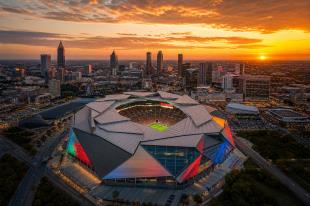
Mercedes-Benz Stadium
USA
71,000
Philadelphia
Lincoln Financial Field
USA
69,796
Seattle
Lumen Field
USA
68,000
Miami
Hard Rock Stadium
USA
65,326
San Francisco Bay Area
Levi’s Stadium
USA
68,500
Boston
Gillette Stadium
USA
65,878
Mexico City
Estadio Azteca
Mexico
87,523
Monterrey
Estadio BBVA
Mexico
53,500
Guadalajara
Estadio Akron
Mexico
46,955
Toronto
BMO Field
Canada
45,000
Vancouver
BC Place
Canada
54,500
Estadio Azteca will hold the unique distinction of hosting World Cup matches for a third time (after 1970 and 1986).
4. Match Schedule & Venue Allocations 📅
The latest information from FIFA assigns specific match types to each stadium. MetLife Stadium in New York/New Jersey will host the opening match and the final. Several venues will stage key knockout rounds including quarter-finals and semi-finals.
Group stage matches will be distributed to take advantage of regional travel clusters, reducing unnecessary long-distance journeys for fans and teams. Always check official updates for the final fixture list as allocations may be refined closer to the tournament.
5. Maps & Venue Locations 🌍
The 16 venues stretch from Vancouver in the northwest to Miami in the southeast, creating three natural clusters:
Western Cluster: Seattle, San Francisco Bay Area, Vancouver
Central Cluster: Kansas City, Dallas, Houston, Monterrey, Guadalajara, Mexico City
Eastern Cluster: Atlanta, Miami, Philadelphia, New York/New Jersey, Boston, Toronto
Using these clusters can significantly reduce travel costs and fatigue. Digital maps on the official FIFA app and city tourism websites will provide real-time navigation, stadium access points, and fan zone locations.
6. Ultimate Travel Guide ✈️
Getting There: Major international airports serve every host city. Consider flying into one city and departing from another to create an efficient multi-venue itinerary.
Transportation Between Cities: Domestic flights are the fastest option, though Amtrak trains and long-distance buses offer more sustainable alternatives for closer venues. Many cities will run special World Cup shuttle services and extended public transit hours.
Accommodation: Book early. Hotels near stadiums will fill quickly. Consider staying 20-40 minutes away by public transport for better rates and availability.
Tickets & Entry: Purchase tickets only through official FIFA channels. Third-party resellers carry significant risk. Have your digital ticket and passport ready for stadium entry.
7. Budget Planning & Money-Saving Tips 💰
Estimated costs per person (excluding international flights):
Budget travel: $2,800 – $4,500 for two weeks
Mid-range: $4,800 – $7,500
Premium experience: $9,000+
Money-saving tips:
Book accommodation and domestic flights 9-12 months in advance
Use public transport day passes instead of ride-sharing
Choose mid-week matches when possible (often cheaper tickets and hotels)
Stay in fan villages or university dorms converted for the tournament
Eat at local markets rather than stadium concessions
Always verify current guidance from official sources regarding entry requirements and travel restrictions.
8. Frequently Asked Questions
Q: How many cities and stadiums will host the 2026 World Cup?
A: There are 16 host cities and 16 stadiums across the United States (11), Mexico (3), and Canada (2).
Q: Which stadium will host the 2026 World Cup Final?
A: According to current allocations, MetLife Stadium in New York/New Jersey is scheduled to host both the opening match and the final. Always confirm with official updates.
Q: What is the best way to travel between host cities?
A: Domestic flights are fastest, but for nearby cities, trains or buses can be more economical and environmentally friendly. Planning around regional clusters saves both time and money.
Q: When should I book accommodation and flights for World Cup 2026?
A: The earlier the better. Serious fans are already securing rooms 18 months in advance for popular venues like New York, Los Angeles, and Mexico City.
Q: Can I attend matches in more than one country?
A: Yes. Many fans plan to watch group games in Mexico or Canada before traveling to the United States for the knockout stages. A valid visa strategy is essential.
Q: Are fan zones available in every host city?
A: FIFA and local organizing committees will operate official fan zones in all 16 cities, offering free or low-cost match viewing, entertainment, and cultural experiences.
Conclusion
The 2026 World Cup offers a once-in-a-lifetime chance to experience elite international football across three countries, 16 spectacular stadiums, and countless vibrant cities. Whether you plan to attend one match or follow your team across the entire tournament, early planning is the key to success.
Start building your itinerary around the venues and matches that matter most to you. Focus on official ticket channels, book transport and accommodation early, and prepare for an incredible atmosphere that only North America can deliver on this scale.
Ready to start planning your World Cup 2026 adventure? Check the latest official updates regularly, build your personal schedule around the confirmed venues, and get ready for the biggest football festival the world has ever seen.